Strategy Games
Browse all Strategy board games in the Meeple Pulse database.
Styles
Themes
AbstractAdventureAncientAnimalsArtBusinessCard GameCo-operativeComic BookCooperativeCrimeEconomicEnvironmentalismExplorationFantasyHistoricalHorrorHumorIntrigueLiteraryMagicMarvelMedievalModernMuseumMysteryMythologyNatureNauticalPoliticalPress Your LuckSatireSci-FiSocial CommentarySocial InteractionSpaceSuperheroesThematicTravelWarWesternWord-Guessing
Mechanics
3D PlacementActingAction / DexterityAction DraftingAction Point AllowanceAction Point Allowance SystemAction Point SystemAction PointsAction ProgrammingAction QueueAction RetrievalAction SelectionAction/EventAlliancesAlternate ActivationApp-AssistedApp-DrivenArea ControlArea InfluenceArea MajorityArea Majority / InfluenceArea MovementArgumentationAsymmetricAsymmetric FactionsAsymmetric GameAsymmetric PowersAsymmetrical PowersAuction & BiddingAuction/BiddingAuctioningBag BuildingBettingBetting and BluffingBetting and WageringBetting and WagersBiddingBingoBlind BiddingBluffingCampaign / Battle Card DrivenCampaign / LegacyCampaign / Legacy GameCampaign / Mission-basedCampaign / ScenariosCampaign GameCampaign PlayCard DraftingCard DrawingCard DrivenCard Driven ActionCard Driven CombatCard Driven Dice AllocationCard Driven MovementCard ManagementCard PlayCard Play / Hand ManagementCard Play Conflict ResolutionCard SheddingCard-Driven MovementCharacter CreationCharacter ProgressionChit-Pull SystemCo-op PlayCo-operative GameCo-operative PlayCode-breakingCombat ResolutionCombo ChainCommand CardsCommodity SpeculationCommunication LimitsContract FulfillmentContractsCooperative GameCooperative GameplayCooperative PlayCooperative Trick-takingDebateDeck BuildingDeck ConstructionDeck, Bag, and Pool BuildingDeck-BuildingDeductionDexterityDice DraftingDice PlacementDice RollingDiplomatic InfluenceDraftingDynamic Battle SystemEnclosureEnd Game BonusesEngine BuildingEngine-BuildingEscape RoomEvent DrivenExplorationFarmingFlip and WriteFollowFollow ActionGrid CoverageGrid MovementHand ManagementHex-and-CounterHexagon GridHidden MovementHidden RolesI Cut You ChooseIncomeInfluence / Area MajorityLadder ClimbingLegacyLegacy ElementsLegacy GameLegacy SystemLimited CommunicationLine DrawingLine of SightMancalaMap MovementMarketMarket DraftingMarket ManipulationMarket MechanicMarket SpeculationMatchingMeasurement MovementMemoryMission ObjectivesModular BoardModular Board ConstructionMovement TemplatesMulti-Use CardsMulti-use CardsMultiple ScenariosMust FollowNarrative ChoiceNarrative Choice / ParagraphNegotiationNegotiation MechanicsNetwork & Route BuildingNetwork BuildingNetwork and Route BuildingOne vs ManyOne vs. ManyOpen DraftingPaper-and-PencilPartnershipsPattern BuildingPattern RecognitionPick-up and DeliverPlayer EliminationPlayer InteractionPlayer JudgePoint SaladPoint to Point MovementPolyominoesPush Your LuckPush-Your-LuckPuzzlePuzzle-LikePuzzle-SolvingRaceReal-TimeRecipe FulfillmentResource ManagementRole PlayingRole SelectionRoll / Spin and MoveRondelRoute BuildingRoute-BuildingRoute/Network BuildingSanity SystemScenario / Campaign PlayScenario / Mission / Campaign GameScenario / Mission FunctionSecret Unit DeploymentSemi-Cooperative GameSet CollectionSheddingSimulationSimultaneous ActionSimultaneous Action SelectionSimultaneous Hidden AllocationSocial DeductionSocial InteractionSolo / Solitaire GameSpace ExplorationStat Check / Skill CheckStock HoldingStorytellingStrategic PlanningTableau BuildingTactical Decision-MakingTake ThatTargeted CluesTeam PlayTeam-Based GameTeam-Based GuessingTeamworkTech TreesTech Trees / Tech TracksTechnology & Armament TracksTechnology TreeTension & Aggression TracksTile DraftingTile LayingTile PlacementTime TrackTime TravelTower DefenseTrack MovementTradingTrick-takingTug of WarTurn Order: PassTurn Order: Stat-BasedUnit PlacementVariable Phase OrderVariable Player PowersVariable Set-upVariable SetupVictory Point TracksVotingWord AssociationWord GameWord GuessingWord-GuessingWord-guessingWordplayWorker Placement

RANK #247
Suburbia
2012In Suburbia, players take on the role of city planners, each tasked with transforming a small town into a thriving metropolis. The ultimate goal is to end the game with the highest population, which serves as your score. You achieve this by strategically purchasing and placing hexagonal building tiles from a shared real estate market into your personal borough. Each tile represents a different type of development—commercial, residential, industrial, civic, or cultural—and carries unique effects. These effects manipulate your borough's two key resources: Income, which provides the cash needed for expansion, and Reputation, which dictates how quickly your population grows. The core challenge lies in creating a balanced and synergistic economic engine, carefully managing your budget while attracting new residents to your burgeoning city.
The gameplay revolves around a simple turn structure with deeply tactical choices. On your turn, you will typically purchase a tile from the market and add it to your borough. The tile's placement is crucial, as its effects—and the effects of its neighbors—are triggered upon placement. A new airport might increase your income but decrease the reputation of adjacent residential areas, simulating real-world zoning challenges. As your population grows and crosses certain thresholds on the score track, both your income and reputation are reduced, representing the increased upkeep and complexity of a larger city. This clever mechanic forces players to constantly improve and adapt their city's engine rather than resting on early success. Players must also keep an eye on shared and secret goals, which provide significant population bonuses at the end of the game.
Suburbia's enduring appeal comes from the satisfying and tangible experience of building something from the ground up. The puzzle of optimizing tile placement to create powerful combinations is incredibly engaging, offering a strong sense of accomplishment as your humble town expands. The game masterfully integrates its theme, with mechanics that intuitively reflect the cause-and-effect relationships of urban development. With a variable tile market and different goals in every game, no two cities will ever be the same, ensuring high replayability. It perfectly blends strategic foresight with the tactical need to adapt to what becomes available, making it a celebrated classic in the city-building genre for both new and experienced gamers.
1-4 90m⚖️ 2.9
RANK #254
Nidavellir
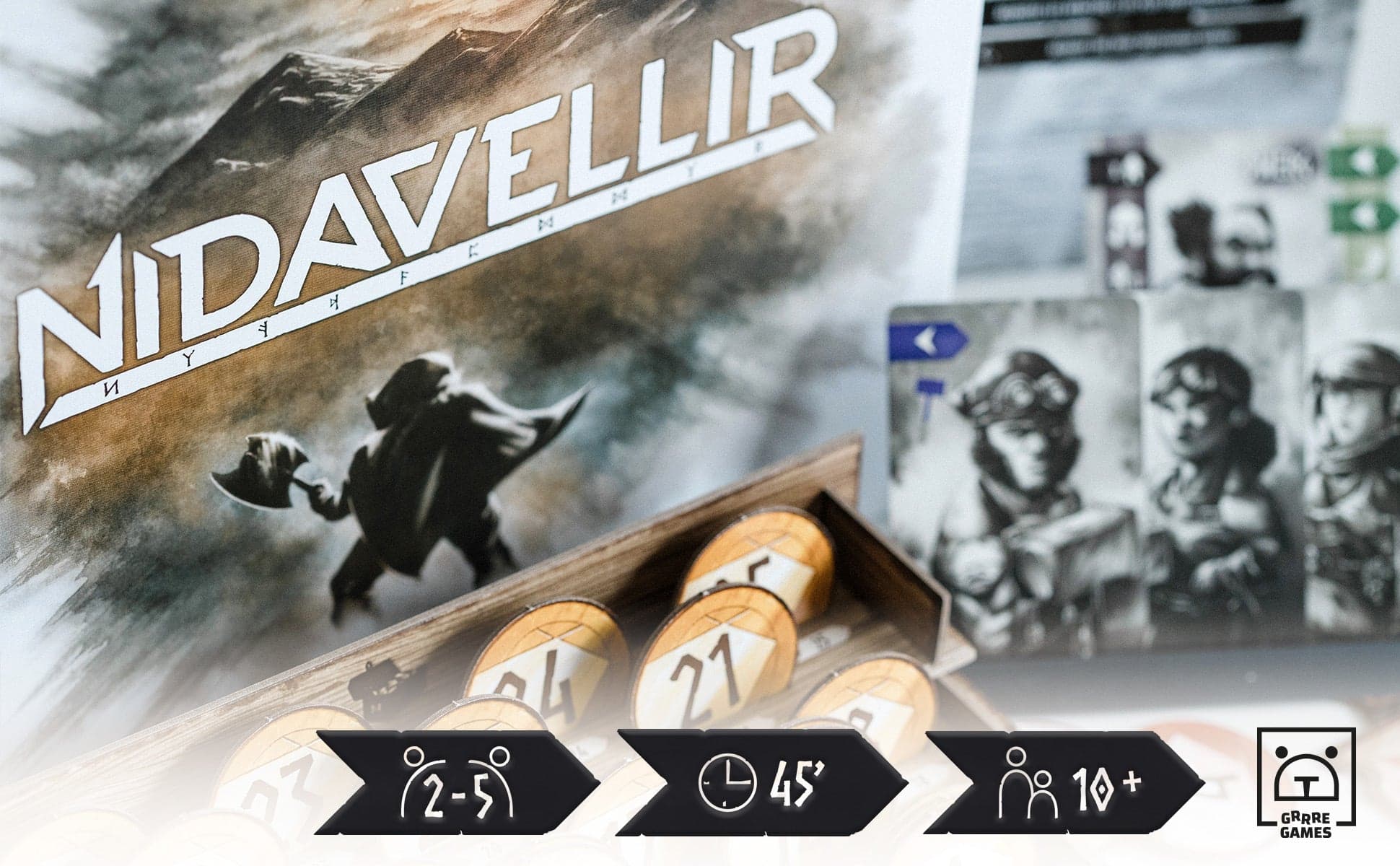
2020Nidavellir is a strategic board game where players take on the role of dwarves, competing to collect and recruit warriors, heroes, and other assets. The game's core mechanic revolves around bidding for cards, with each player secretly placing coins on tavern spaces to determine the order in which they can recruit new members. This process is repeated multiple times, with each round allowing players to upgrade their coins and potentially gain access to more valuable recruits. As players progress through the ages, they must balance their efforts between collecting warriors, heroes, and other assets, all while managing their resources and adapting to changing circumstances. The game's theme draws heavily from Norse mythology, with players taking on the roles of dwarves tasked with defeating the mighty Fafnir. Throughout the game, players will encounter various challenges and opportunities, requiring strategic thinking and planning to emerge victorious.
2-5 45m⚖️ 3.0

RANK #255
Ticket to Ride
2004Ticket to Ride whisks players away on a grand cross-country train adventure, firmly establishing itself as one of the most beloved and accessible modern board games. In this competitive journey, players vie to become the most successful railroad magnate by the turn of the 20th century. The primary goal is to accumulate the highest number of points. Victory is achieved through a combination of strategically claiming railway routes between iconic cities, fulfilling the secret itineraries detailed on Destination Tickets, and constructing the longest continuous path of train cars on the map. It's a game of elegant design, where foresight and clever planning are rewarded, making every decision a crucial step toward dominating the rails and securing your legacy.
The gameplay is famously straightforward, with a set of rules that can be taught in mere minutes. Each turn, a player must choose one of three simple actions. They can draw two Train Car cards, which come in various colors needed to claim routes, either from a face-up display or blindly from the deck. Alternatively, a player can claim a route on the board by discarding a set of cards that match the route's color and length, immediately scoring points based on its size. The final option is to draw more Destination Tickets, which offer substantial bonus points for connecting distant cities but come with a risk—any uncompleted tickets at the game's end will count against your score. This simple action structure keeps the game moving at a brisk pace, while wild Locomotive cards add a layer of flexibility to players' plans. The end game is triggered when one player's stock of plastic trains dwindles to two or fewer, after which everyone gets one last turn to make their final moves.
The enduring appeal of Ticket to Ride lies in its perfect balance of simplicity and strategic depth. It serves as a quintessential 'gateway game', expertly bridging the gap for newcomers to the board gaming hobby without alienating veteran players. The tension quietly builds as the game progresses; the board becomes a crowded network of competing lines, and the routes you desperately need might be snatched up by an opponent just before your turn. This creates a subtle yet engaging form of player interaction that is more about opportunistic blocking than direct confrontation. The satisfaction of completing a long, coast-to-coast destination ticket is immense, and the combination of set collection, route building, and secret objectives provides a highly replayable experience. Its charming presentation and straightforward rules have made it a staple for family game nights and a celebrated classic worldwide.
2-5 60m⚖️ 1.8
RANK #258
Faraway
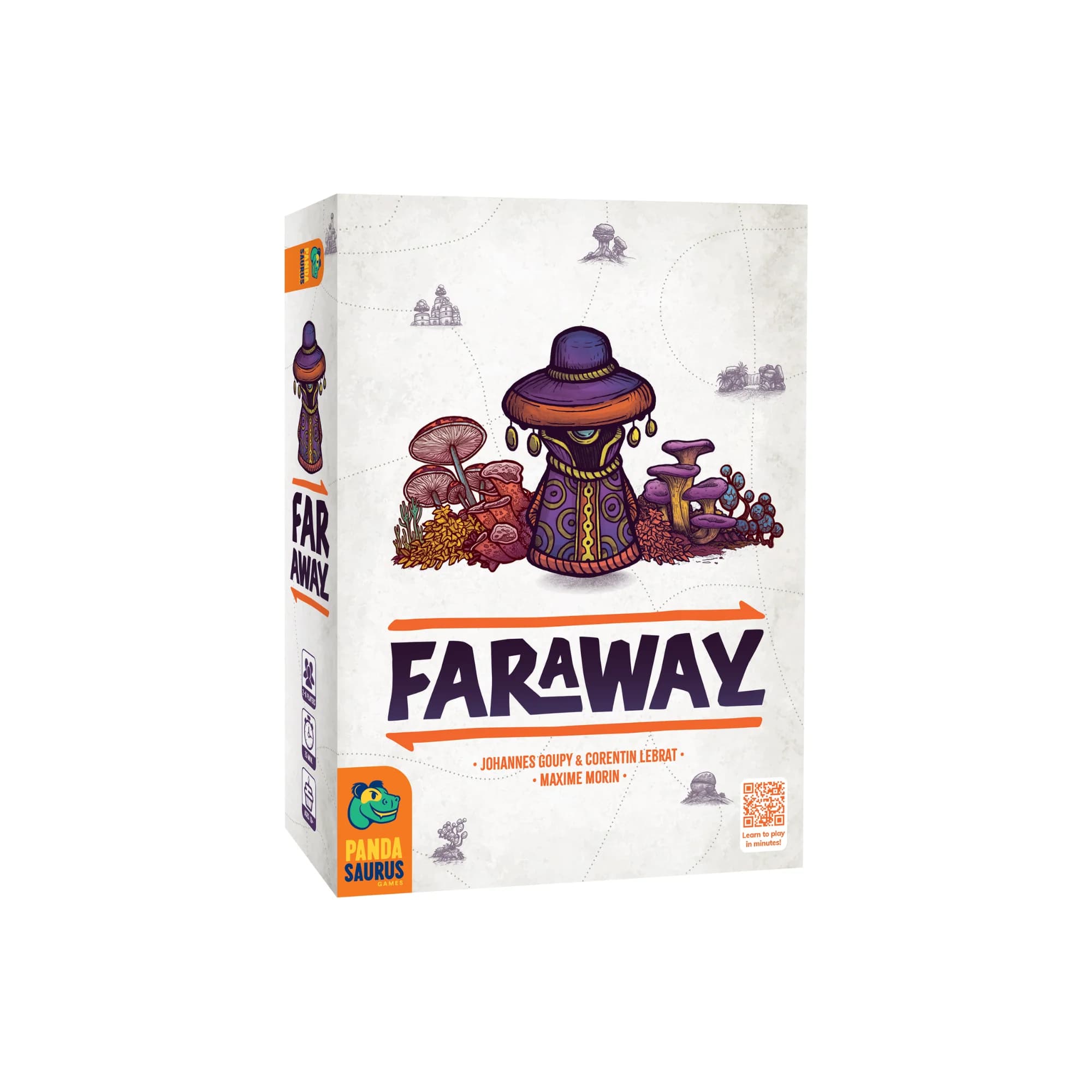
2023Embark on an expedition to the enigmatic continent of Alula in Faraway. In this clever card game, players compete to become the most renowned explorer by charting a path across eight distinct regions. The objective is to amass the most fame (victory points) by strategically laying out a row of cards that tells the story of your journey. However, the game introduces a captivating twist: your expedition is scored not by the path you forged, but by the memories you recall as you look back on it. This innovative reverse-scoring mechanism is the heart of the experience, challenging players to think ahead by planning backwards, turning a simple card-laying game into a delightful and thoughtful puzzle.
The game unfolds over eight rounds, with players simultaneously choosing and revealing a region card from their hand to add to their personal tableau, extending it from left to right. These cards are numbered and feature various colors and symbols crucial for scoring. A key tactical decision arises when you play a card with a number higher than the one preceding it, which allows you to acquire a powerful Sanctuary card that grants bonus icons or unique scoring opportunities. Following the card placement, players draft new cards for their hand. In a neat balancing act, the player who played the lowest-numbered card in the round gets the first choice from the central display, creating a constant tension between playing high for Sanctuaries and playing low for a better draft pick.
What makes Faraway truly stand out is its brilliant endgame scoring. Once all eight region cards have been played, the entire journey is flipped face-down. Players then reveal their cards one by one, starting from the last card they played and moving leftward. As each card is turned face-up, its scoring conditions are resolved based only on the icons visible on the cards revealed so far (i.e., those to its right in the original tableau). This 'journey back' forces a complete shift in perspective. A card that seems weak when played might become invaluable for scoring later cards, while a powerful early card might offer no benefit for the final scoring tally. This forward-planning, backward-scoring puzzle provides a deeply satisfying and accessible challenge, making every game a fresh and engaging strategic exercise with minimal player conflict and a brisk playtime.
2-6 25m⚖️ 1.8

RANK #259
Sea Salt & Paper
2022Sea Salt & Paper is a captivating card game that has enchanted players with its distinct and beautiful aesthetic, featuring photographs of actual origami sea creatures. Beneath its serene surface lies a surprisingly tactical game of set collection and calculated risks. The primary objective is to outscore opponents over several rounds by carefully curating a hand of cards with point-scoring combinations. Players aim to reach a specific point threshold, which varies by player count, to secure victory. However, a thrilling alternate path to triumph exists: collecting all four unique mermaid cards instantly wins the game, adding a layer of suspense to every draw. This elegant design packs a wealth of strategic depth into a small, portable box, making it an ideal travel companion.
The gameplay loop is deceptively simple yet full of meaningful decisions. On your turn, you must acquire a card by either drawing two from the top of the deck, keeping one and discarding the other, or by picking up the top card from one of two face-up discard piles. After adding a card, you can play pairs of identical "duo" cards from your hand to trigger powerful one-time effects. For instance, a pair of crabs allows you to steal a card from a discard pile, while two boats grant you an immediate extra turn. The round's tension culminates when a player amasses at least seven points. They can then declare "Stop," prompting all players to score their hands immediately. Alternatively, if they are feeling confident, they can declare "Last Chance." This gives every other player one final turn to improve their hand before the reveal, introducing a high-stakes push-your-luck element where the declarer risks losing their own card points for the chance at a significant bonus.
The game's immense appeal stems from this brilliant blend of accessibility and strategic depth. The rules can be taught in minutes, making it a perfect 'gateway' game for new players or a fantastic choice for a family game night. Yet, experienced gamers will appreciate the subtle tactics involved in managing their hand, tracking discard piles, and timing the end of the round. The "Last Chance" mechanic is a masterstroke, creating memorable moments of bluffing and suspense. Above all, the visual presentation is a standout feature; the origami art is not just beautiful but integral to the game's charming identity. This combination of fast-paced play, clever card-combo possibilities, and stunning artwork makes Sea Salt & Paper a modern classic that offers high replayability and joy in every hand.
2-4 30m⚖️ 1.5

RANK #261
Coimbra
2018Step into the vibrant heart of Portugal during its golden Age of Discovery in Coimbra, a masterfully designed strategy game where players assume the roles of heads of the city's most influential houses. Your goal is to amass the most prestige and secure your family's legacy as the most prominent in all of Portugal. This is achieved by carefully currying favor with the city's most powerful citizens—clerics, scholars, merchants, and councilmen—as well as funding ambitious new voyages and supporting the local monasteries. Every decision is a calculated risk, a bid for influence in a city teeming with opportunity. Victory points are the ultimate measure of success, earned through a variety of avenues, demanding a flexible and forward-thinking strategy to outmaneuver your rivals.
The gameplay of Coimbra revolves around a clever and multi-faceted dice-drafting mechanism that serves as the engine for all your actions. Each round, players select dice from a central pool. The value of a chosen die dictates the turn order for actions and the price you'll pay, while its color determines which of the four main influence tracks you'll benefit from. These dice are then used to acquire powerful character cards from different city districts, each offering unique abilities, immediate resources, or crucial end-game scoring bonuses. As you gain characters, you'll advance on the corresponding influence tracks, which provide income in the form of coins, guards, pilgrim movements, and victory points. This intricate web of choices forces players to constantly evaluate the opportunity cost of every die they select.
Coimbra is highly regarded for the elegant way its systems interlock, creating a deeply engaging and satisfying puzzle. The dual nature of the dice—where both color and value are critically important—presents a fresh challenge on every turn, rewarding players who can best adapt their plans. With numerous paths to victory, from specializing in lucrative voyages to building a powerful engine from synergistic character cards and diploma sets, the game offers exceptional replayability. It strikes a perfect balance, being accessible enough for those new to mid-weight Eurogames while offering the strategic depth and tight competition that seasoned players crave. Its compelling decision-making and rewarding gameplay loop make it a standout title in the dice-drafting genre.
2-4 90m⚖️ 3.3

RANK #265
Calico
2020In Calico, players step into the cozy world of competitive quilting, tasked with creating the most beautiful and comfortable patchwork quilt to attract the cuddliest cats. This is a puzzly tile-laying game where players strategically place hexagonal fabric patches onto their personal game boards. The ultimate goal is to craft a quilt that is not only visually appealing but also meets a variety of scoring objectives. Success is measured by accumulating the most victory points from fulfilling specific design goals, sewing on buttons, and, most importantly, luring feline friends onto your finished creation. The game masterfully combines its charming, gentle theme with surprisingly deep abstract strategy, creating a challenge that is both relaxing and intellectually stimulating.
The gameplay loop is elegant and straightforward. On their turn, a player chooses one of two patch tiles from their hand, places it onto any empty space on their quilt board, and then drafts a replacement tile from a central, face-up market. This simple sequence of actions belies the game's strategic depth. Points are accrued through three distinct avenues. By stitching together groups of three or more tiles of the same color, players earn a matching button worth points. By arranging patches to form specific patterns dictated by the 'cat scoring' tiles for that game, players can attract a cat token, which provides a significant point bonus. Finally, each player's board features three pre-printed design goal tiles, which score points if the six surrounding hexagons are filled with tiles that meet certain criteria, such as having three pairs of different patterns or containing no repeating colors.
The remarkable appeal of Calico lies in its ability to be both a serene, meditative puzzle and a fiercely competitive brain-burner. The gorgeous, gentle artwork by Beth Sobel draws players in, but the tight decision-making keeps them engaged. Every tile placement is a meaningful choice with cascading consequences, forcing players to constantly evaluate trade-offs between short-term gains and long-term plans. Should you place a tile to complete a button group, work towards attracting a cat, or fulfill a difficult design goal? The limited tile market and the actions of your opponents add a layer of tension and indirect interaction, making every game a unique puzzle to solve. This perfect blend of accessibility and depth has cemented Calico's status as a modern classic, beloved by families and seasoned strategists alike.
1-4 45m⚖️ 2.2

RANK #270
Fantasy Realms
2017In Fantasy Realms, players are powerful rulers competing to forge the most legendary kingdom in the land. Your entire realm, with all its might and magic, is represented by a hand of just seven cards. The goal is to accumulate the highest score by the game's end by assembling a hand of cards that synergize in powerful and clever ways. You might build a mighty military force with Kings, Knights, and Armies, or perhaps you'll wield elemental magic with a Wildfire and a Wizard. The challenge is to find the most potent combination from the hundreds of possibilities, turning a simple hand of cards into a high-scoring epic.
The gameplay is deceptively simple and incredibly fast. On your turn, you perform just two steps: draw one card, then discard one card. The strategic tension comes from the draw; you can either take the unknown top card from the central deck or select any face-up card from the discard area. This shared discard pile creates a dynamic pool of options that all players are watching. Each unique card in the deck has a base strength and a crucial bonus or penalty text that dictates how it interacts with other cards in your hand. A single card can unlock a massive scoring chain, while another might blank the powers of several others. The game ends quickly and suddenly once the tenth card is placed in the discard area, at which point all players calculate their final scores.
Fantasy Realms is celebrated for its elegant design, perfectly balancing accessibility with profound strategic depth. It can be taught in a minute, making it an excellent gateway game, yet the puzzle it presents offers endless variety and challenge for veteran gamers. The true mastery of the game comes not from understanding complex rules, but from recognizing card synergies and adapting your strategy on the fly. You are constantly evaluating your hand, the tempting cards in the discard pile, and what your opponents might be collecting. This 'combo-licious' puzzle, combined with its brisk 20-minute playtime, makes it a highly replayable and addictive experience, perfect as a game night opener or a main event played over multiple rounds.
3-6 20m⚖️ 1.8
RANK #275
Near and Far
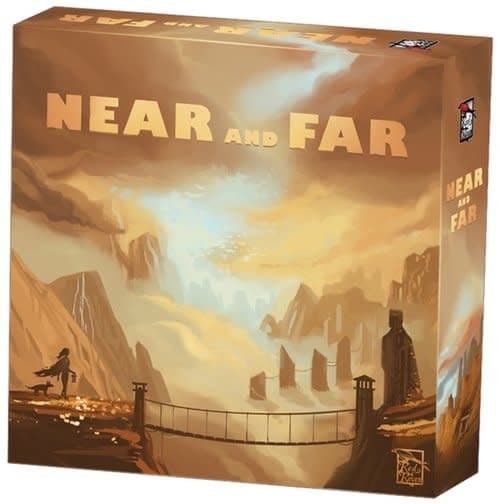
2017Near and Far beckons players into a vibrant fantasy world on a grand quest for the Last Ruin, a fabled city said to house an artifact capable of granting one's greatest desire. This is a narrative-driven adventure game where players assume the roles of explorers charting unknown territories. The objective is not merely to reach a destination, but to weave the most legendary tale, which is measured in journey points. These points are earned by completing quests, discovering unique locations, defeating threats, and accumulating valuable treasures and artifacts throughout a sprawling, multi-game campaign.
The gameplay cleverly alternates between two distinct phases: preparing in town and journeying across the land. The town phase operates as a worker placement game, where players assign their character to various buildings to gather supplies, hire adventurers with special skills, buy pack animals for extra carrying capacity, and pick up bounties. Once equipped, players venture out onto one of the game's eleven beautifully illustrated maps, which are presented in a spiral-bound atlas that serves as the game board. While exploring, players establish camps to extend their reach, encounter dangerous threats that require dice rolls and skill checks to overcome, and uncover quest locations. This triggers the game's heart: a 'Choose Your Own Adventure' style story. Another player reads a passage from the robust storybook, presenting the active player with a narrative dilemma and choices that have tangible consequences and rewards, ensuring every quest feels unique and impactful.
What sets Near and Far apart and solidifies its beloved status is this masterful fusion of strategic resource management with deep, emergent storytelling. The innovative atlas system provides a constant sense of discovery as new maps are revealed, each with its own secrets to unlock. The game offers immense replayability through its different modes: a ten-map story campaign where characters level up and gain new talents, a quicker Arcade mode for single sessions, and a Character mode focused on the heroes' backstories. This creates a deeply personal and memorable experience where players are not just playing a game, but are living out a grand adventure, creating a story that is uniquely their own.
2-4 120m⚖️ 2.9
RANK #278
Dinosaur Island
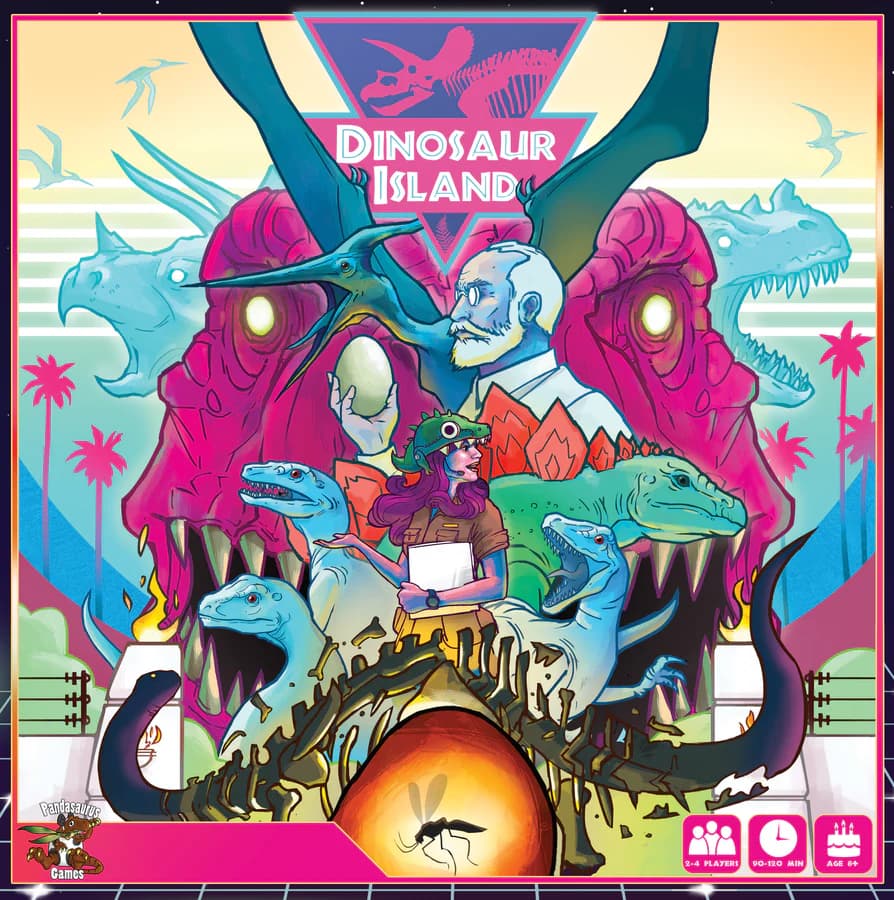
2017Dinosaur Island invites players to take the helm of a sprawling, neon-drenched biological amusement park where bringing prehistoric creatures back to life is just part of the daily grind. Channeling a vibrant, nostalgic aesthetic inspired by the pop culture of the 1980s and 90s, this thematic strategy game tasks you with synthesizing ancient DNA, erecting thrilling rides, and keeping your visitors entertained. Your ultimate objective is to run the most successful and profitable park possible, carefully balancing the awe-inspiring excitement of your newly minted dinosaurs against the ever-present danger of a catastrophic, guest-eating breakout.
The gameplay loop operates across several distinct phases and utilizes a clever blend of worker placement, set collection, and dice drafting. In the initial research phase, players deploy scientists to extract vital genetic sequences from custom amber dice, expand cold-storage capacities, and discover new dinosaur recipes. Next, managers hit the market to purchase essential upgrades, hire skilled specialists, and build amenities like food stands or rollercoasters. The core action then shifts to personal laboratory boards, where workers are simultaneously assigned to refine DNA, breed creatures into paddocks, and bolster park security. Finally, the park opens its gates to a blind draw of visitor meeples. While paying guests bring in much-needed revenue and victory points, sneaky hooligans take up valuable space for free, and any lapse in security will lead to rampaging carnivores devouring the clientele.
What truly sets Dinosaur Island apart is its masterful integration of a deeply engaging theme with satisfying Euro-style mechanics. Fans adore the striking visual presentation, largely driven by vivid pinks and retro graphic design that makes the table presence absolutely pop. Beyond its stunning looks, the game offers remarkable flexibility; players can tailor the experience's length by selecting different sets of objective cards to accommodate quick sessions or sprawling engagements. With a well-regarded solo mode and multiple strategic avenues to explore—from focusing on massive, high-risk carnivores to building a safe, amenity-rich resort—the game provides a robust, replayable puzzle that keeps managers coming back for more thrilling park management.
1-4 120m⚖️ 3.0
RANK #288
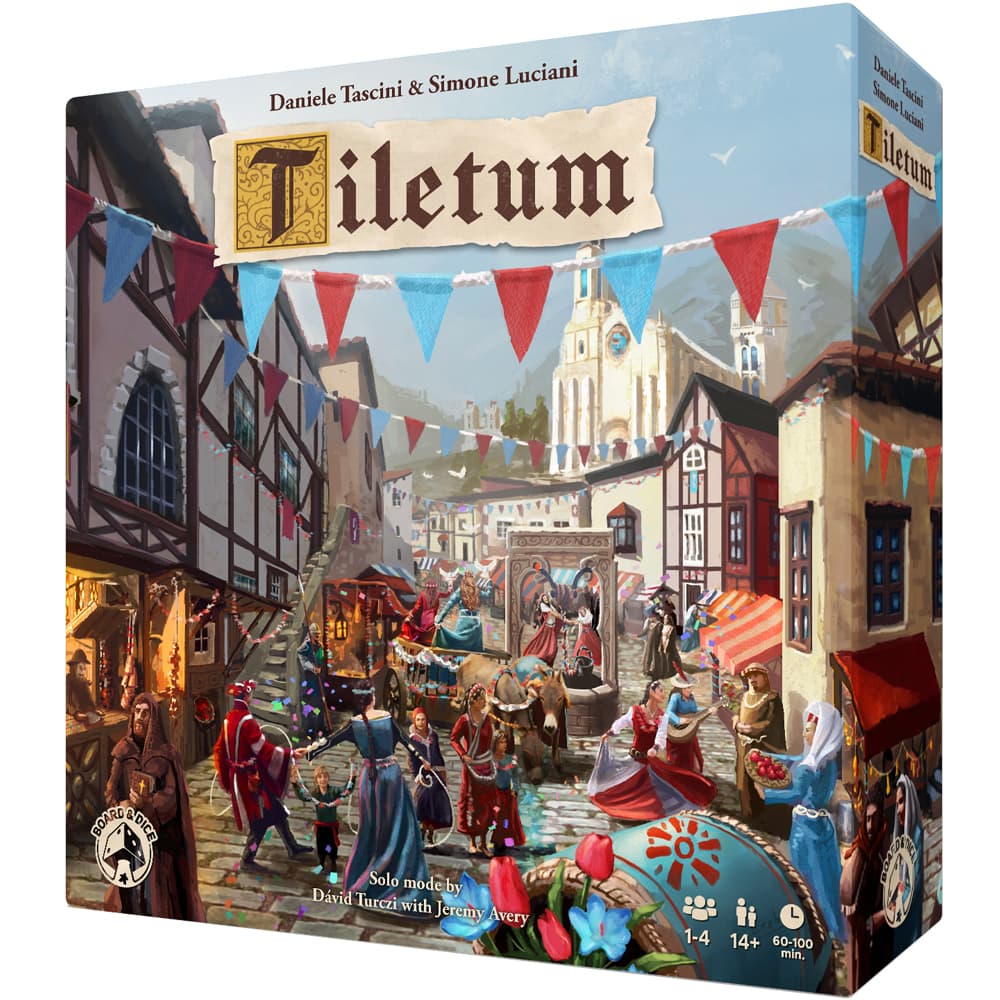
Tiletum
2022Tiletum is a sophisticated strategy board game that transports players to the bustling commerce centers of Renaissance Europe. As wealthy merchants, players strive to amass the greatest amount of prestige over the course of four intense rounds. The ultimate goal is to balance the logistics of international trade with the grandeur of architectural patronage. By traveling to different cities, players participate in legendary fairs, fulfill demanding trade contracts, and assist in the construction of iconic cathedrals. As a prominent entry in the celebrated 'T-series' from Board&Dice, the game rewards those who can master its intricate web of systems and outmaneuver their rivals in a race for historical influence.
The gameplay is driven by a central action wheel featuring an innovative 'inverse' dice mechanic that serves as the heart of the strategic engine. When drafting a die, the face value dictates the quantity of resources gained—such as gold, food, or stone—while the opposite side of the die determines the number of action points available to spend. This creates a fascinating tactical dilemma: do you take a '6' to fill your warehouses while sacrificing your ability to move, or take a '1' to perform five powerful actions with almost no materials? These actions allow you to move your architect and merchant across the continent, recruit specialists into your player board's rooms, and climb the King's track to avoid penalties and secure priority in future turns.
What truly sets Tiletum apart and explains its high acclaim is the sheer density of satisfying 'combos' players can trigger. A single move can lead to a chain reaction where completing a contract provides a bonus tile, which in turn allows for a free character placement, triggering a resource gain that helps build a trading house. This interconnectedness makes every decision feel impactful and rewarding. Furthermore, the variable setup of fairs and scoring tiles ensures high replayability, forcing players to adapt their route-building and resource-gathering strategies every session. It is a masterful blend of spatial positioning and resource management that offers a deep, heavy strategy experience while remaining surprisingly intuitive and smooth to play.
1-4 100m⚖️ 3.8
RANK #296
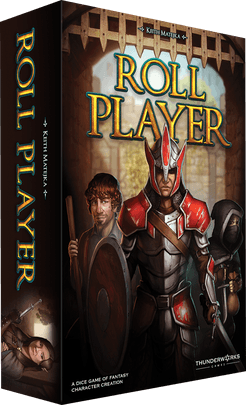
Roll Player
2016Roll Player is a creative board game that turns the classic tabletop RPG character creation process into a full competitive experience. Instead of embarking on a dungeon crawl, players are focused entirely on the preparation stage—building the most powerful and well-rounded fantasy hero possible. Set in the world of Ulos, each player takes on the role of a character with a specific race, class, and backstory. The primary objective is to earn the most Reputation Stars by the end of the game, which are awarded for meeting attribute requirements, fulfilling backstory goals, aligning your character's morality, and gathering powerful gear from the local market.
The gameplay revolves around a central dice-drafting mechanic spanning several rounds. Each round, dice are rolled and placed on initiative cards. Players take turns selecting a die to place on their character sheet in specific attribute rows like Strength, Intelligence, or Charisma. Each placement triggers a unique attribute action, allowing players to manipulate their dice by flipping them to opposite sides, re-rolling them, or swapping positions. This creates a deep, puzzle-like environment where players must carefully manage their resources and dice values. After the drafting phase, players visit the market to spend gold on skills, traits, and armor sets, all of which provide additional ways to score points or gain tactical advantages during future rounds.
What makes Roll Player so beloved is its ingenious 'gamification' of a meta-concept. It captures the nostalgic joy of rolling stats for a Dungeons & Dragons character while providing a rigorous strategic framework. The tension between picking the 'perfect' die for your stats versus picking an earlier initiative card to get the best equipment in the market makes for a compelling decision space. It is a highly satisfying optimization puzzle that feels thematic and rewarding, especially as you see your hero come together from a blank slate to a fully equipped champion. With a moderate complexity level, it is accessible enough for casual gamers while offering enough depth for strategy enthusiasts.
1-4 75m⚖️ 2.4