Economic Games
Browse all Economic board games in the Meeple Pulse database.
Styles
Themes
AbstractAdventureAncientAnimalsArtBusinessCard GameCo-operativeComic BookCooperativeCrimeEconomicEnvironmentalismExplorationFantasyHistoricalHorrorHumorIntrigueLiteraryMagicMarvelMedievalModernMuseumMysteryMythologyNatureNauticalPoliticalPress Your LuckSatireSci-FiSocial CommentarySocial InteractionSpaceSuperheroesThematicTravelWarWesternWord-Guessing
Mechanics
3D PlacementActingAction / DexterityAction DraftingAction Point AllowanceAction Point Allowance SystemAction Point SystemAction PointsAction ProgrammingAction QueueAction RetrievalAction SelectionAction/EventAlliancesAlternate ActivationApp-AssistedApp-DrivenArea ControlArea InfluenceArea MajorityArea Majority / InfluenceArea MovementArgumentationAsymmetricAsymmetric FactionsAsymmetric GameAsymmetric PowersAsymmetrical PowersAuction & BiddingAuction/BiddingAuctioningBag BuildingBettingBetting and BluffingBetting and WageringBetting and WagersBiddingBingoBlind BiddingBluffingCampaign / Battle Card DrivenCampaign / LegacyCampaign / Legacy GameCampaign / Mission-basedCampaign / ScenariosCampaign GameCampaign PlayCard DraftingCard DrawingCard DrivenCard Driven ActionCard Driven CombatCard Driven Dice AllocationCard Driven MovementCard ManagementCard PlayCard Play / Hand ManagementCard Play Conflict ResolutionCard SheddingCard-Driven MovementCharacter CreationCharacter ProgressionChit-Pull SystemCo-op PlayCo-operative GameCo-operative PlayCode-breakingCombat ResolutionCombo ChainCommand CardsCommodity SpeculationCommunication LimitsContract FulfillmentContractsCooperative GameCooperative GameplayCooperative PlayCooperative Trick-takingDebateDeck BuildingDeck ConstructionDeck, Bag, and Pool BuildingDeck-BuildingDeductionDexterityDice DraftingDice PlacementDice RollingDiplomatic InfluenceDraftingDynamic Battle SystemEnclosureEnd Game BonusesEngine BuildingEngine-BuildingEscape RoomEvent DrivenExplorationFarmingFlip and WriteFollowFollow ActionGrid CoverageGrid MovementHand ManagementHex-and-CounterHexagon GridHidden MovementHidden RolesI Cut You ChooseIncomeInfluence / Area MajorityLadder ClimbingLegacyLegacy ElementsLegacy GameLegacy SystemLimited CommunicationLine DrawingLine of SightMancalaMap MovementMarketMarket DraftingMarket ManipulationMarket MechanicMarket SpeculationMatchingMeasurement MovementMemoryMission ObjectivesModular BoardModular Board ConstructionMovement TemplatesMulti-Use CardsMulti-use CardsMultiple ScenariosMust FollowNarrative ChoiceNarrative Choice / ParagraphNegotiationNegotiation MechanicsNetwork & Route BuildingNetwork BuildingNetwork and Route BuildingOne vs ManyOne vs. ManyOpen DraftingPaper-and-PencilPartnershipsPattern BuildingPattern RecognitionPick-up and DeliverPlayer EliminationPlayer InteractionPlayer JudgePoint SaladPoint to Point MovementPolyominoesPush Your LuckPush-Your-LuckPuzzlePuzzle-LikePuzzle-SolvingRaceReal-TimeRecipe FulfillmentResource ManagementRole PlayingRole SelectionRoll / Spin and MoveRondelRoute BuildingRoute-BuildingRoute/Network BuildingSanity SystemScenario / Campaign PlayScenario / Mission / Campaign GameScenario / Mission FunctionSecret Unit DeploymentSemi-Cooperative GameSet CollectionSheddingSimulationSimultaneous ActionSimultaneous Action SelectionSimultaneous Hidden AllocationSocial DeductionSocial InteractionSolo / Solitaire GameSpace ExplorationStat Check / Skill CheckStock HoldingStorytellingStrategic PlanningTableau BuildingTactical Decision-MakingTake ThatTargeted CluesTeam PlayTeam-Based GameTeam-Based GuessingTeamworkTech TreesTech Trees / Tech TracksTechnology & Armament TracksTechnology TreeTension & Aggression TracksTile DraftingTile LayingTile PlacementTime TrackTime TravelTower DefenseTrack MovementTradingTrick-takingTug of WarTurn Order: PassTurn Order: Stat-BasedUnit PlacementVariable Phase OrderVariable Player PowersVariable Set-upVariable SetupVictory Point TracksVotingWord AssociationWord GameWord GuessingWord-GuessingWord-guessingWordplayWorker Placement
RANK #177
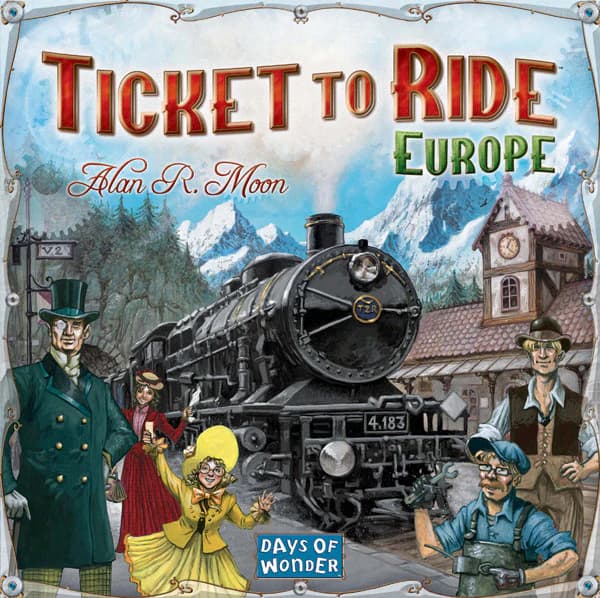
Ticket to Ride: Europe transports players to the golden age of steam travel at the turn of the 20th century. In this standalone installment of the beloved train adventure series, you are not just a passenger but a budding railway tycoon, competing to build the most impressive rail network across the continent. The ultimate goal is to amass the most points by the end of the game. This is achieved through a combination of strategically claiming routes between iconic European cities, successfully connecting distant destinations specified on secret ticket cards, and constructing the longest continuous path of trains for a substantial end-game bonus. Each decision matters as you race against your rivals to dominate the railways, from the misty hills of Edinburgh to the sun-drenched shores of Constantinople.
The game is celebrated for its elegant and accessible ruleset. On your turn, you choose one of four simple actions: draw more train car cards, claim a route on the board, draw new destination tickets, or build a train station. Claiming a route involves collecting and playing a set of train car cards that match the color and length of the desired path, earning you immediate points. This Europe-centric version introduces several clever mechanics that add new layers of strategy. Ferries are special sea routes that require powerful locomotive (wild) cards to claim. Tunnels introduce a thrilling push-your-luck element; when you try to build through a mountain, you must draw extra cards from the deck, potentially increasing the cost of the route unexpectedly. Finally, the introduction of Train Stations provides a strategic safety net, allowing you to use a single route segment owned by an opponent to help complete one of your own destination tickets, though at the cost of end-game points for unused stations.
Ticket to Ride: Europe has earned its place as a cornerstone of modern board gaming, largely due to its status as a premier 'gateway' game. It's incredibly easy to teach to newcomers and families, with games often concluding in under an hour, yet it offers enough strategic depth to keep veteran gamers engaged. The core tension between building your own network and inadvertently blocking opponents creates a compelling and interactive experience without direct confrontation. The additions of tunnels, ferries, and stations subtly enhance the original's formula, providing more varied decisions and reducing the frustration of being completely cut off from a critical city. This perfect balance of simplicity, strategy, and high replayability makes it a timeless classic that continues to bring people to the table for another journey across Europe.
2-5 60m⚖️ 1.9
RANK #187
Stone Age
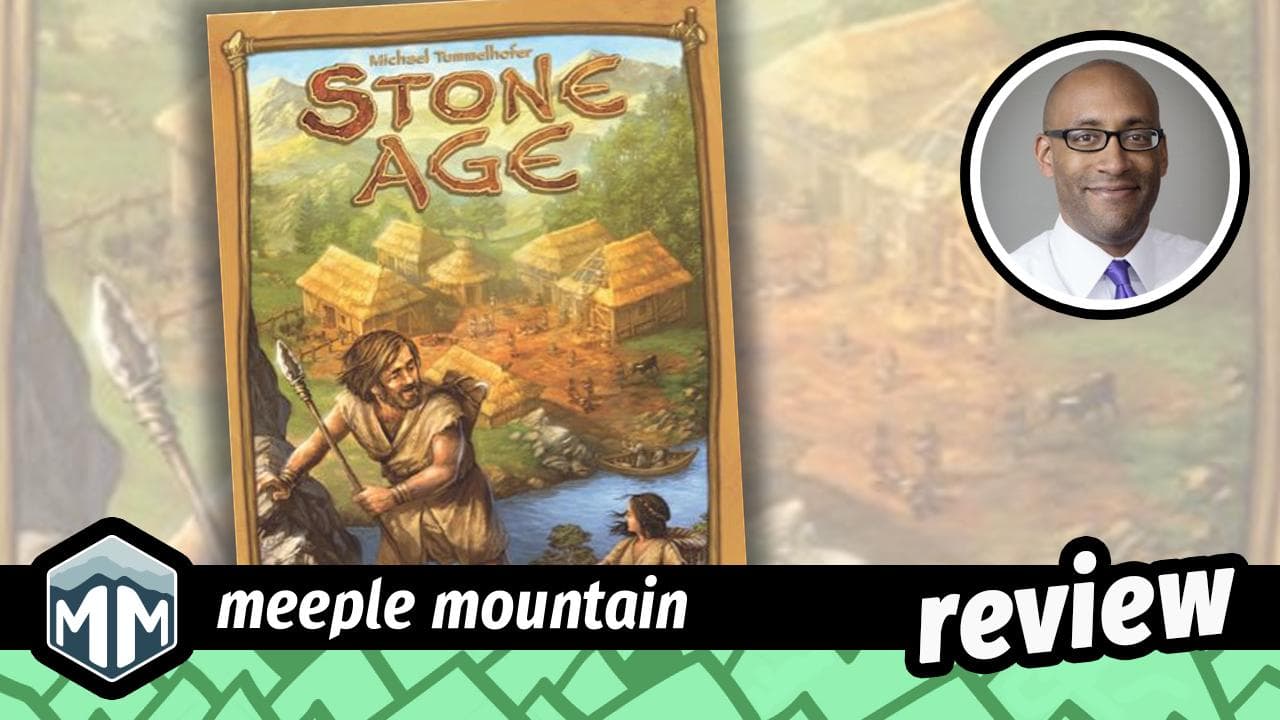
2008Stone Age invites players to the dawn of civilization, casting them as leaders of a burgeoning tribe. This quintessential "gateway" game, first released in 2008, serves as a perfect introduction to the worker placement genre. Your goal is to guide your people to prosperity by strategically gathering resources, developing new technologies, and expanding your village. The ultimate path to victory lies in accumulating the most victory points, which are earned primarily by constructing useful buildings and acquiring valuable civilization cards. These cards reward players for achieving specific long-term goals, such as building a diverse village or growing a large tribe. The player who best balances the immediate needs of their people with the foresight required for a thriving society will be crowned the winner.
The core gameplay is structured around a simple, repeating cycle: placing workers, taking actions, and feeding your tribe. In turn order, players assign their tribe members to various action spaces on the board. These locations allow for hunting, gathering resources (wood, clay, stone, gold), expanding your family, improving agriculture, or crafting helpful tools. Competition for limited spots creates engaging player interaction. Once all workers are placed, their actions are resolved. Resource gathering introduces a clever dice-rolling mechanism: the number of workers sent determines the number of dice you roll. The total is then divided by a specific value for each resource type to determine your yield, creating a fun risk-reward system. Finally, each round concludes with the critical feeding phase, where every tribe member requires food, pushing players to maintain a sustainable food supply or risk penalties.
The enduring appeal of Stone Age lies in its masterful blend of accessibility and satisfying strategic depth. Its rules are easy to grasp, making it an excellent choice for families and those new to the hobby. Yet, the game offers a wealth of meaningful choices that keep experienced players engaged. Do you prioritize increasing your population for more actions, or focus on agriculture to ease the constant demand for food? Do you pursue immediate points from buildings or invest in civilization cards for a big payoff at the end? The element of luck from the dice rolls adds just enough unpredictability to keep the game exciting and prevent it from becoming a purely deterministic puzzle. This elegant design, combined with Michael Menzel's charming and thematic artwork, creates a warm, inviting, and highly replayable experience that remains a staple in the board gaming world.
2-4 75m⚖️ 2.4
RANK #189
Istanbul
2014Step into the vibrant and bustling marketplace of Istanbul, where you take on the role of a merchant leading a team of assistants. In this competitive Euro-style game, your objective is to outmaneuver your rivals and prove your commercial acumen by being the first to acquire a set number of precious rubies. The game unfolds on a modular board composed of sixteen unique locations, each representing a different district of the grand bazaar. Every turn is a race against time and your fellow merchants as you navigate the crowded pathways, seeking the most profitable opportunities to gather goods, earn wealth, and ultimately secure the gems that will lead to your victory.
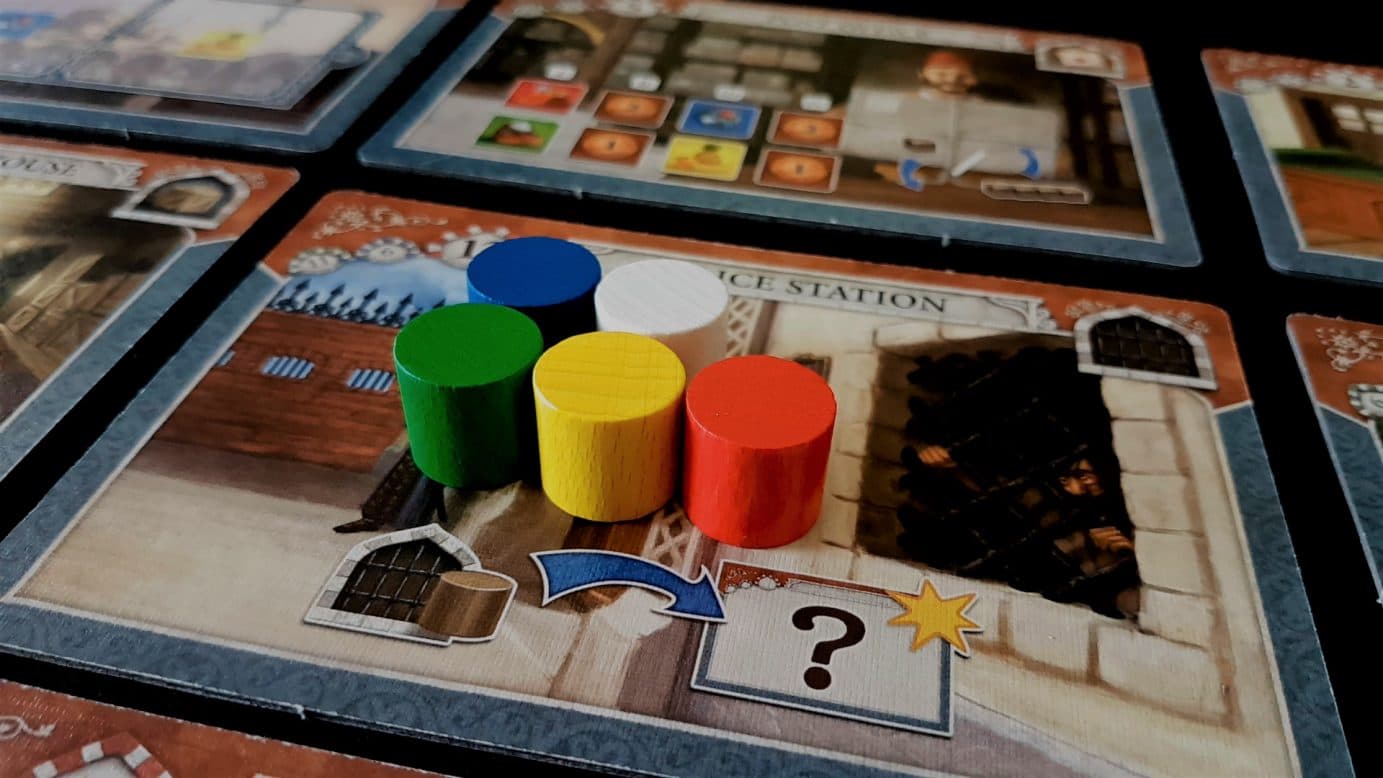
The heart of Istanbul lies in its innovative and compelling movement mechanic. Each player controls a merchant token stacked on top of four assistant discs. To perform an action at any location, you must move your stack there and leave one assistant behind. This simple rule creates a fascinating logistical puzzle: as you expand your operations, you spread your assistants thin across the board. To reuse them, you must retrace your steps to pick them up, forcing you to plan your routes with utmost efficiency. Running out of available assistants leaves you unable to act, so managing this resource is key. This core mechanism forces players to think several moves ahead, balancing short-term gains with the long-term need to maintain a flexible and efficient workforce.
Istanbul is celebrated for its perfect blend of accessibility and strategic depth, making it an ideal 'next step' for players moving beyond gateway games. The rules are straightforward to learn, but the path to victory is multifaceted. Rubies can be bought with cash, earned by trading specific sets of goods at the Sultan's Palace, or acquired by fully upgrading your personal wheelbarrow. This variety of options ensures that no single strategy dominates. The modular board, which can be arranged in numerous configurations, guarantees high replayability, as each game presents a fresh puzzle of route optimization and tactical decision-making. It's this combination of a tight race, clever mechanics, and endless variability that has cemented Istanbul as a modern classic.
2-5 50m⚖️ 2.6
RANK #200
Jaipur
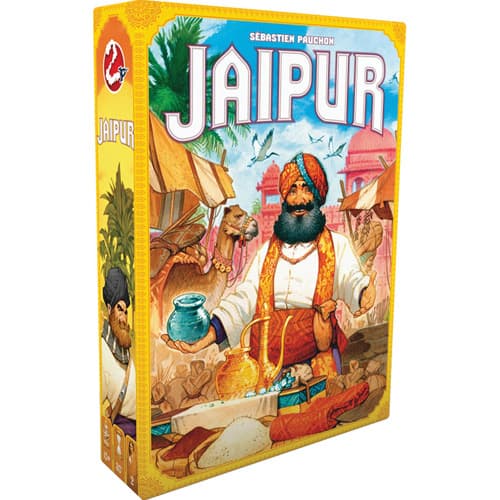
2009Jaipur is a celebrated fast-paced card game that immerses two players in the vibrant and competitive world of Rajasthani commerce. In this strategic duel, opponents take on the roles of powerful merchants, vying for an invitation to the Maharaja's court. The ultimate goal is to become the city's most prosperous trader by accumulating more wealth than your rival. Victory isn't achieved in a single transaction but over a series of rounds; the first player to demonstrate superior business acumen by winning two rounds and earning two 'Seals of Excellence' claims the prestigious title and wins the game. It is a brilliant mix of calculated risk, tactical timing, and astute market awareness.
The gameplay revolves around the core mechanics of set collection and hand management. During their turn, a player must make one crucial decision: acquire new cards or sell goods they have already collected. Acquiring cards presents several tactical paths: a player can take a single good from the central market, claim all the available camels to bolster their caravan for future large-scale exchanges, or swap multiple cards from their hand and herd to acquire a selection of goods from the market. Selling is how players earn the rupees that determine the winner. Tokens for each of the six goods are limited and decrease in value as they are claimed, creating a tense race to sell valuable wares early. However, the game cleverly rewards patience, as selling large sets of three, four, or five identical goods grants lucrative bonus tokens, forcing a constant, compelling dilemma between speed and scale.
Jaipur’s enduring charm comes from its perfect balance of elegant simplicity and engaging strategic depth. The rules are straightforward enough to be taught and understood within minutes, making it an exceptionally accessible game for newcomers and families. Yet, beneath this simplicity lies a rich decision space that keeps experienced players captivated. The tension of whether to build your hand or sell your goods, the strategic value of camels, and the race for diminishing resources create a highly interactive and dynamic experience where every choice matters. This seamless blend of accessibility, quick playtime, and rewarding tactics has established Jaipur as a modern classic and a quintessential two-player game, perfect for any pair seeking a quick but satisfying strategic challenge.
2 30m⚖️ 1.5

RANK #203
Embark on a journey through the vast plains of 19th-century Argentina in Great Western Trail: Argentina, a standalone title in the acclaimed strategy game trilogy. Players assume the roles of estancia owners, wealthy ranchers tasked with herding their valuable cattle across the pampas to the bustling port of Buenos Aires. The ultimate goal is to amass the most victory points by creating the most profitable herd, strategically shipping cattle to European ports, constructing valuable buildings along the trail, and achieving various end-game objectives. This game challenges players to build a powerful economic engine and outmaneuver their rivals in a race to become the most successful cattle baron in the country.
The gameplay masterfully combines several mechanics into a cohesive and satisfying loop. At its core is a rondel-like system where players move their rancher along a winding path, stopping at different locations to perform actions. These actions include hiring specialized workers—gauchos, carpinteros, and maquinistas—to improve their abilities, constructing private buildings to create new action spaces, and acquiring more valuable cattle to enhance their personal deck. This deck-building element is crucial; players must carefully manage their hand of cattle cards to present a diverse and valuable set upon reaching Buenos Aires. A significant new feature in this installment is the introduction of farmers and grain, a resource essential for shipping your cattle overseas. Players must aid farmers along the path to produce grain, adding another layer of strategic consideration to their journey.
Great Western Trail: Argentina is celebrated for taking the brilliant foundation of its predecessor and adding new, compelling layers of complexity. The puzzle of optimizing your route, managing your cattle deck, and balancing the new grain resource offers a fresh and deeply engaging experience even for veterans of the original game. The interplay between moving your rancher, advancing your train, and planning your shipments to Europe creates a tense and rewarding strategic challenge. With a high degree of replayability stemming from variable setups and a well-implemented solo mode, it's a standout title for fans of medium-to-heavy Eurogames who relish long-term planning and the satisfaction of watching a well-oiled strategy come to fruition.
1-4 120m⚖️ 3.9
RANK #230
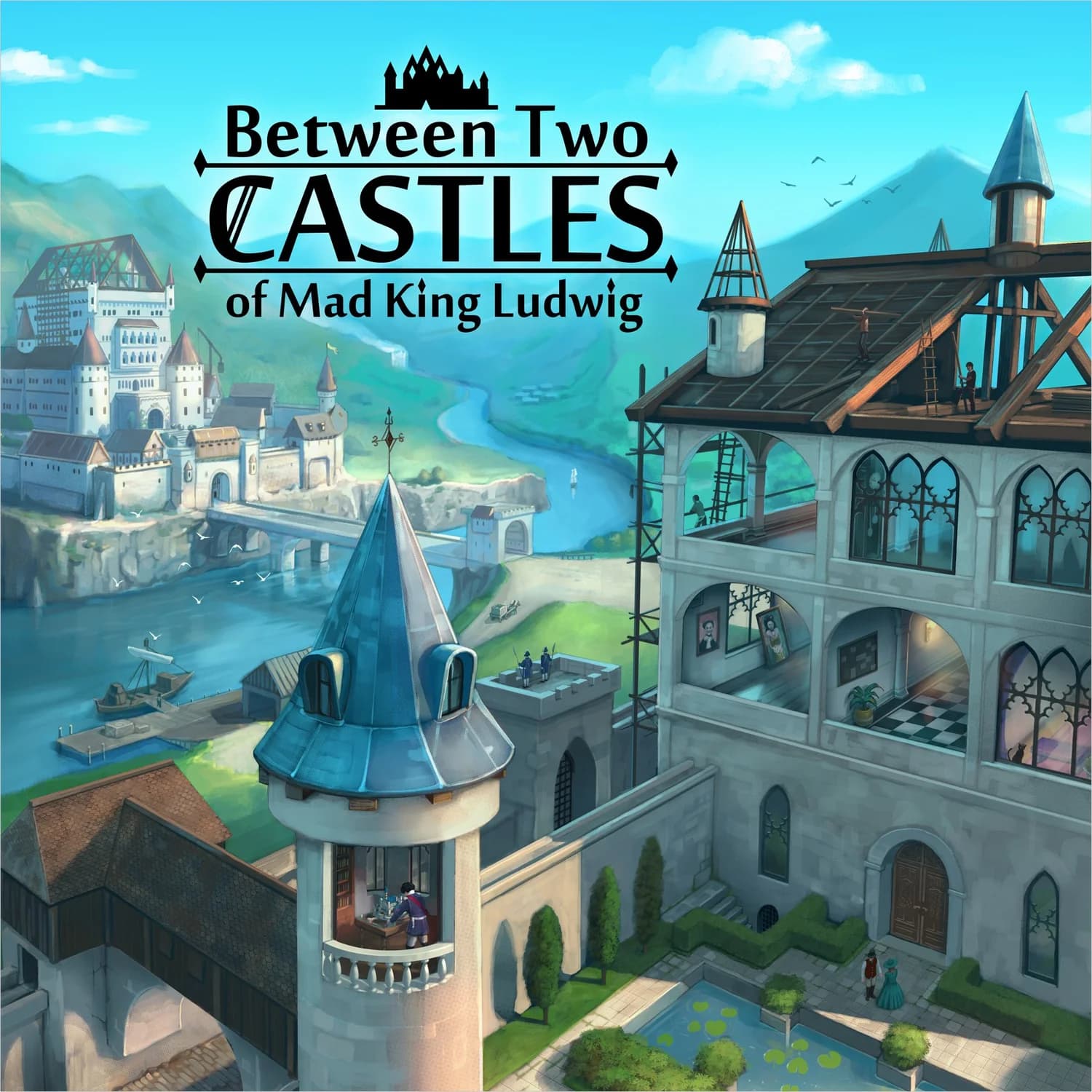
In "Castles of Mad King Ludwig," players enter the whimsical world of 19th-century Bavaria, tasked with building a magnificent castle for the eccentric King Ludwig II. As master architects, you compete to design the most impressive and valuable structure. This tile-laying game is a clever blend of spatial reasoning and economic management, where the ultimate goal is to earn the most victory points. Points are awarded for constructing specific room types, fulfilling the king's public demands, known as 'King's Favors', and achieving personal, secret objectives. Each player will finish the game with a completely unique, sprawling castle, a physical representation of their strategic decisions and architectural vision, all in the service of pleasing a very particular monarch.
The game's central pillar is its innovative 'Master Builder' mechanic. Each round, one player takes on this role, drawing a selection of room tiles and individually pricing them for the other players. In turn, opponents may purchase one room tile, paying the cost directly to the Master Builder. This creates a tense and engaging pricing dilemma: ask too much, and you'll earn nothing; ask too little, and your rivals will get a steal. The Master Builder takes the last available room but must pay their own listed price to the bank. Once a room is acquired, it's immediately added to the player's personal castle layout, connecting to other rooms via doorways. Judicious placement is key, as rooms can grant or cost points based on what they're adjacent to. Furthermore, completing a room by connecting all its entrances triggers a valuable bonus based on its type, which could be anything from extra cash to an immediate second turn.
The enduring appeal of "Castles of Mad King Ludwig" lies in this constant, engaging player interaction driven by the market and the deeply satisfying spatial puzzle of castle construction. The Master Builder system ensures every player is invested in every turn, evaluating prices and anticipating others' needs. The challenge of optimizing your layout—placing a Dining Room near a Kitchen for bonus points while avoiding placing an Activity Room near a Sleeping Room—is a delightful puzzle. With variable public goals, a huge stack of unique room tiles, and secret bonus cards, no two games are ever the same, offering immense replayability. Watching your nonsensical yet functional castle take shape is a wonderfully thematic and rewarding experience that has cemented the game's status as a modern classic in the genre.
1-4 90m⚖️ 2.7
RANK #242
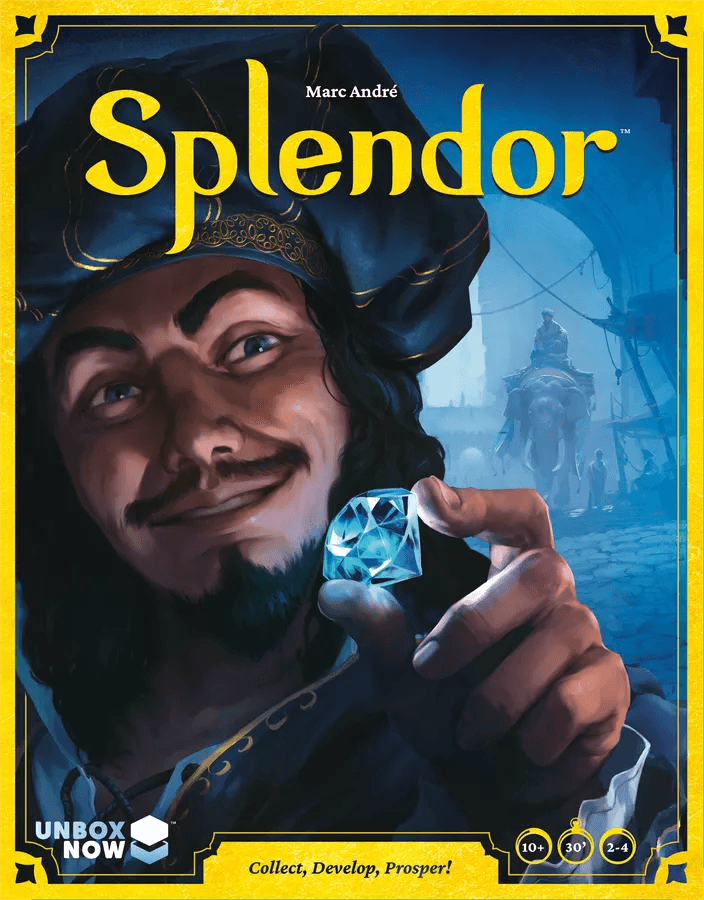
Splendor
2014In Splendor, players assume the roles of ambitious gem merchants during the Renaissance, all vying to become the most influential and prestigious trader in the land. The ultimate goal is to be the first to accumulate 15 prestige points. You will strategically invest your resources to acquire gem mines, develop better methods of transportation, and commission artisans to transform raw jewels into magnificent works of art. These investments not only build your wealth but also attract the attention of powerful nobles, whose patronage is crucial for securing victory and establishing your legacy as a master merchant.
The gameplay is celebrated for its streamlined and intuitive turn structure. Each turn, a player chooses just one of a few simple actions: take gem tokens that act as currency, reserve a valuable development card for future acquisition, or purchase a development card from the central display. These cards are the core of the game's compelling engine-building mechanic. Every card you purchase grants a permanent gem bonus, making subsequent purchases cheaper and creating a satisfying sense of escalating power. As you collect specific combinations of card bonuses, you automatically earn the favor of noble patrons, who grant substantial prestige points. The game ends once a player reaches 15 points, and at the end of that round, the merchant with the highest score wins.
Splendor's enduring popularity lies in its perfect balance of accessibility and strategic depth, making it an ideal 'gateway' game for those new to the hobby. The high-quality, weighty gem tokens provide a wonderfully tactile experience that elevates the gameplay. While the rules are easy to learn, the game presents meaningful choices on every turn. Players must constantly weigh the benefits of expanding their economic engine against the immediate need to score points. This elegant tension, combined with a brisk playing time and significant replay value, has solidified Splendor's reputation as a modern classic for families and strategy enthusiasts alike.
2-4 30m⚖️ 1.8

RANK #247
Suburbia
2012In Suburbia, players take on the role of city planners, each tasked with transforming a small town into a thriving metropolis. The ultimate goal is to end the game with the highest population, which serves as your score. You achieve this by strategically purchasing and placing hexagonal building tiles from a shared real estate market into your personal borough. Each tile represents a different type of development—commercial, residential, industrial, civic, or cultural—and carries unique effects. These effects manipulate your borough's two key resources: Income, which provides the cash needed for expansion, and Reputation, which dictates how quickly your population grows. The core challenge lies in creating a balanced and synergistic economic engine, carefully managing your budget while attracting new residents to your burgeoning city.
The gameplay revolves around a simple turn structure with deeply tactical choices. On your turn, you will typically purchase a tile from the market and add it to your borough. The tile's placement is crucial, as its effects—and the effects of its neighbors—are triggered upon placement. A new airport might increase your income but decrease the reputation of adjacent residential areas, simulating real-world zoning challenges. As your population grows and crosses certain thresholds on the score track, both your income and reputation are reduced, representing the increased upkeep and complexity of a larger city. This clever mechanic forces players to constantly improve and adapt their city's engine rather than resting on early success. Players must also keep an eye on shared and secret goals, which provide significant population bonuses at the end of the game.
Suburbia's enduring appeal comes from the satisfying and tangible experience of building something from the ground up. The puzzle of optimizing tile placement to create powerful combinations is incredibly engaging, offering a strong sense of accomplishment as your humble town expands. The game masterfully integrates its theme, with mechanics that intuitively reflect the cause-and-effect relationships of urban development. With a variable tile market and different goals in every game, no two cities will ever be the same, ensuring high replayability. It perfectly blends strategic foresight with the tactical need to adapt to what becomes available, making it a celebrated classic in the city-building genre for both new and experienced gamers.
1-4 90m⚖️ 2.9

RANK #261
Coimbra
2018Step into the vibrant heart of Portugal during its golden Age of Discovery in Coimbra, a masterfully designed strategy game where players assume the roles of heads of the city's most influential houses. Your goal is to amass the most prestige and secure your family's legacy as the most prominent in all of Portugal. This is achieved by carefully currying favor with the city's most powerful citizens—clerics, scholars, merchants, and councilmen—as well as funding ambitious new voyages and supporting the local monasteries. Every decision is a calculated risk, a bid for influence in a city teeming with opportunity. Victory points are the ultimate measure of success, earned through a variety of avenues, demanding a flexible and forward-thinking strategy to outmaneuver your rivals.
The gameplay of Coimbra revolves around a clever and multi-faceted dice-drafting mechanism that serves as the engine for all your actions. Each round, players select dice from a central pool. The value of a chosen die dictates the turn order for actions and the price you'll pay, while its color determines which of the four main influence tracks you'll benefit from. These dice are then used to acquire powerful character cards from different city districts, each offering unique abilities, immediate resources, or crucial end-game scoring bonuses. As you gain characters, you'll advance on the corresponding influence tracks, which provide income in the form of coins, guards, pilgrim movements, and victory points. This intricate web of choices forces players to constantly evaluate the opportunity cost of every die they select.
Coimbra is highly regarded for the elegant way its systems interlock, creating a deeply engaging and satisfying puzzle. The dual nature of the dice—where both color and value are critically important—presents a fresh challenge on every turn, rewarding players who can best adapt their plans. With numerous paths to victory, from specializing in lucrative voyages to building a powerful engine from synergistic character cards and diploma sets, the game offers exceptional replayability. It strikes a perfect balance, being accessible enough for those new to mid-weight Eurogames while offering the strategic depth and tight competition that seasoned players crave. Its compelling decision-making and rewarding gameplay loop make it a standout title in the dice-drafting genre.
2-4 90m⚖️ 3.3

RANK #278
Dinosaur Island
2017Dinosaur Island invites players to take the helm of a sprawling, neon-drenched biological amusement park where bringing prehistoric creatures back to life is just part of the daily grind. Channeling a vibrant, nostalgic aesthetic inspired by the pop culture of the 1980s and 90s, this thematic strategy game tasks you with synthesizing ancient DNA, erecting thrilling rides, and keeping your visitors entertained. Your ultimate objective is to run the most successful and profitable park possible, carefully balancing the awe-inspiring excitement of your newly minted dinosaurs against the ever-present danger of a catastrophic, guest-eating breakout.
The gameplay loop operates across several distinct phases and utilizes a clever blend of worker placement, set collection, and dice drafting. In the initial research phase, players deploy scientists to extract vital genetic sequences from custom amber dice, expand cold-storage capacities, and discover new dinosaur recipes. Next, managers hit the market to purchase essential upgrades, hire skilled specialists, and build amenities like food stands or rollercoasters. The core action then shifts to personal laboratory boards, where workers are simultaneously assigned to refine DNA, breed creatures into paddocks, and bolster park security. Finally, the park opens its gates to a blind draw of visitor meeples. While paying guests bring in much-needed revenue and victory points, sneaky hooligans take up valuable space for free, and any lapse in security will lead to rampaging carnivores devouring the clientele.
What truly sets Dinosaur Island apart is its masterful integration of a deeply engaging theme with satisfying Euro-style mechanics. Fans adore the striking visual presentation, largely driven by vivid pinks and retro graphic design that makes the table presence absolutely pop. Beyond its stunning looks, the game offers remarkable flexibility; players can tailor the experience's length by selecting different sets of objective cards to accommodate quick sessions or sprawling engagements. With a well-regarded solo mode and multiple strategic avenues to explore—from focusing on massive, high-risk carnivores to building a safe, amenity-rich resort—the game provides a robust, replayable puzzle that keeps managers coming back for more thrilling park management.
1-4 120m⚖️ 3.0
RANK #288
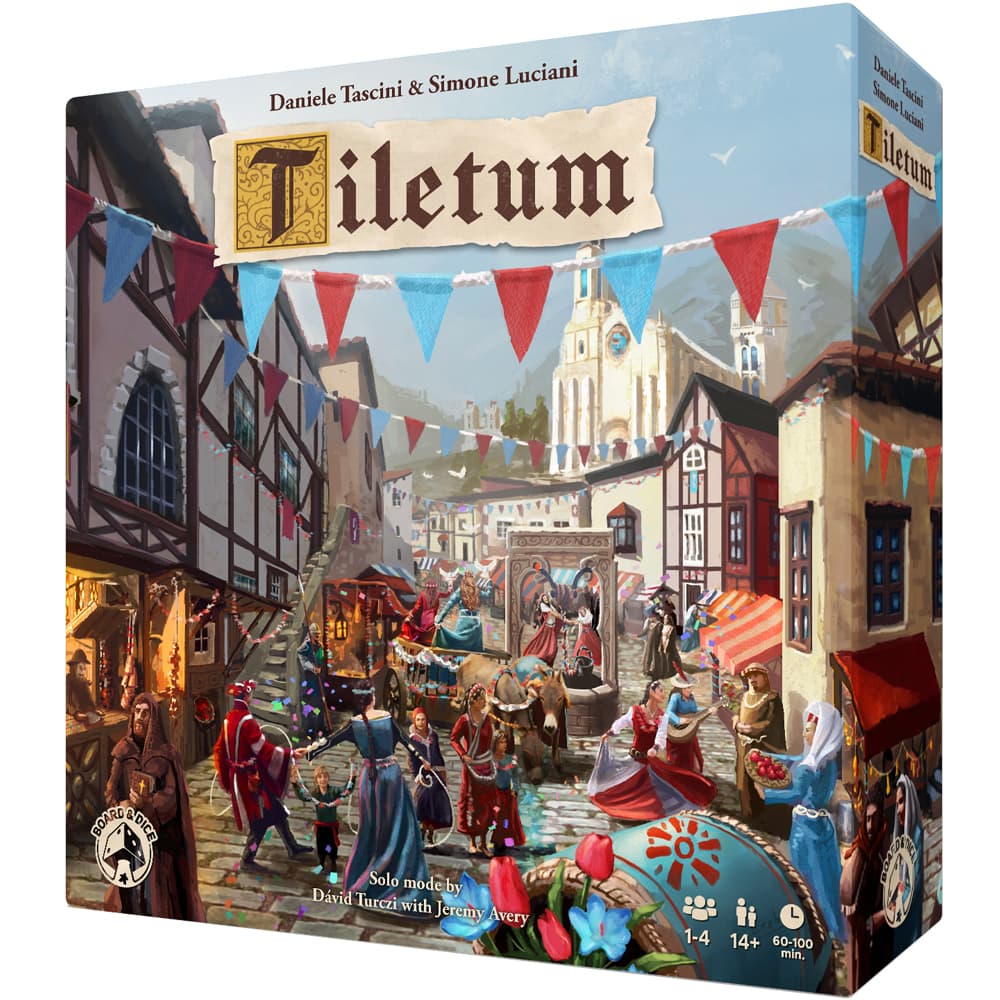
Tiletum
2022Tiletum is a sophisticated strategy board game that transports players to the bustling commerce centers of Renaissance Europe. As wealthy merchants, players strive to amass the greatest amount of prestige over the course of four intense rounds. The ultimate goal is to balance the logistics of international trade with the grandeur of architectural patronage. By traveling to different cities, players participate in legendary fairs, fulfill demanding trade contracts, and assist in the construction of iconic cathedrals. As a prominent entry in the celebrated 'T-series' from Board&Dice, the game rewards those who can master its intricate web of systems and outmaneuver their rivals in a race for historical influence.
The gameplay is driven by a central action wheel featuring an innovative 'inverse' dice mechanic that serves as the heart of the strategic engine. When drafting a die, the face value dictates the quantity of resources gained—such as gold, food, or stone—while the opposite side of the die determines the number of action points available to spend. This creates a fascinating tactical dilemma: do you take a '6' to fill your warehouses while sacrificing your ability to move, or take a '1' to perform five powerful actions with almost no materials? These actions allow you to move your architect and merchant across the continent, recruit specialists into your player board's rooms, and climb the King's track to avoid penalties and secure priority in future turns.
What truly sets Tiletum apart and explains its high acclaim is the sheer density of satisfying 'combos' players can trigger. A single move can lead to a chain reaction where completing a contract provides a bonus tile, which in turn allows for a free character placement, triggering a resource gain that helps build a trading house. This interconnectedness makes every decision feel impactful and rewarding. Furthermore, the variable setup of fairs and scoring tiles ensures high replayability, forcing players to adapt their route-building and resource-gathering strategies every session. It is a masterful blend of spatial positioning and resource management that offers a deep, heavy strategy experience while remaining surprisingly intuitive and smooth to play.
1-4 100m⚖️ 3.8

RANK #300
Set in the vibrant heart of the Italian Renaissance, The Princes of Florence invites players to step into the shoes of ambitious aristocrats during the 15th century. Your primary objective is to transform your local estate into a beacon of cultural excellence, attracting the finest artists, scholars, and scientists of the age to create masterpieces. Through careful planning and strict economic management, players compete for prestige by facilitating the creation of magnificent works. The game is celebrated for its tight balance between building a sustainable financial engine and pursuing pure victory points, perfectly mirroring the real-world tension of historical patronage where art requires both high-minded passion and cold, hard florins.
The gameplay unfolds over seven structured rounds, each consisting of an intense auction followed by a strategic action phase. During the auction, players bid on essential resources like landscapes, jesters, and builders, though there is a critical catch: you can only win one item per round, and the availability is strictly limited. Once the bidding settles, players use two actions to develop their estates. You might choose to place polyomino building tiles on your grid, grant social freedoms, or recruit new talent via profession cards. The core challenge involves fulfilling 'Work' cards by meeting specific environmental requirements—such as having a certain building or freedom—which generates a numerical value. You must then decide whether to convert this value into money for future investments or prestige points to climb the leaderboard.
What distinguishes this title from other classic Eurogames is its remarkable mathematical elegance and high level of player interaction through the bidding process. It offers a puzzle-like experience as you attempt to fit Tetris-style buildings into a cramped estate board while timing your auctions perfectly to outmaneuver rivals. The game demands foresight, as the requirements to satisfy your artists increase in difficulty every round. Because every florin and every square inch of your estate matters, the game provides a deeply satisfying sense of accomplishment when a complex strategy finally pays off. It remains a foundational title for enthusiasts who enjoy economic efficiency and tight competition, offering a masterclass in how simple rules can create profound strategic depth.
1-5 90m⚖️ 3.2