Mythology Games
Browse all Mythology board games in the Meeple Pulse database.
Styles
Themes
AbstractAdventureAncientAnimalsArtBusinessCard GameCo-operativeComic BookCooperativeCrimeEconomicEnvironmentalismExplorationFantasyHistoricalHorrorHumorIntrigueLiteraryMagicMarvelMedievalModernMuseumMysteryMythologyNatureNauticalPoliticalPress Your LuckSatireSci-FiSocial CommentarySocial InteractionSpaceSuperheroesThematicTravelWarWesternWord-Guessing
Mechanics
3D PlacementActingAction / DexterityAction DraftingAction Point AllowanceAction Point Allowance SystemAction Point SystemAction PointsAction ProgrammingAction QueueAction RetrievalAction SelectionAction/EventAlliancesAlternate ActivationApp-AssistedApp-DrivenArea ControlArea InfluenceArea MajorityArea Majority / InfluenceArea MovementArgumentationAsymmetricAsymmetric FactionsAsymmetric GameAsymmetric PowersAsymmetrical PowersAuction & BiddingAuction/BiddingAuctioningBag BuildingBettingBetting and BluffingBetting and WageringBetting and WagersBiddingBingoBlind BiddingBluffingCampaign / Battle Card DrivenCampaign / LegacyCampaign / Legacy GameCampaign / Mission-basedCampaign / ScenariosCampaign GameCampaign PlayCard DraftingCard DrawingCard DrivenCard Driven ActionCard Driven CombatCard Driven Dice AllocationCard Driven MovementCard ManagementCard PlayCard Play / Hand ManagementCard Play Conflict ResolutionCard SheddingCard-Driven MovementCharacter CreationCharacter ProgressionChit-Pull SystemCo-op PlayCo-operative GameCo-operative PlayCode-breakingCombat ResolutionCombo ChainCommand CardsCommodity SpeculationCommunication LimitsContract FulfillmentContractsCooperative GameCooperative GameplayCooperative PlayCooperative Trick-takingDebateDeck BuildingDeck ConstructionDeck, Bag, and Pool BuildingDeck-BuildingDeductionDexterityDice DraftingDice PlacementDice RollingDiplomatic InfluenceDraftingDynamic Battle SystemEnclosureEnd Game BonusesEngine BuildingEngine-BuildingEscape RoomEvent DrivenExplorationFarmingFlip and WriteFollowFollow ActionGrid CoverageGrid MovementHand ManagementHex-and-CounterHexagon GridHidden MovementHidden RolesI Cut You ChooseIncomeInfluence / Area MajorityLadder ClimbingLegacyLegacy ElementsLegacy GameLegacy SystemLimited CommunicationLine DrawingLine of SightMancalaMap MovementMarketMarket DraftingMarket ManipulationMarket MechanicMarket SpeculationMatchingMeasurement MovementMemoryMission ObjectivesModular BoardModular Board ConstructionMovement TemplatesMulti-Use CardsMulti-use CardsMultiple ScenariosMust FollowNarrative ChoiceNarrative Choice / ParagraphNegotiationNegotiation MechanicsNetwork & Route BuildingNetwork BuildingNetwork and Route BuildingOne vs ManyOne vs. ManyOpen DraftingPaper-and-PencilPartnershipsPattern BuildingPattern RecognitionPick-up and DeliverPlayer EliminationPlayer InteractionPlayer JudgePoint SaladPoint to Point MovementPolyominoesPush Your LuckPush-Your-LuckPuzzlePuzzle-LikePuzzle-SolvingRaceReal-TimeRecipe FulfillmentResource ManagementRole PlayingRole SelectionRoll / Spin and MoveRondelRoute BuildingRoute-BuildingRoute/Network BuildingSanity SystemScenario / Campaign PlayScenario / Mission / Campaign GameScenario / Mission FunctionSecret Unit DeploymentSemi-Cooperative GameSet CollectionSheddingSimulationSimultaneous ActionSimultaneous Action SelectionSimultaneous Hidden AllocationSocial DeductionSocial InteractionSolo / Solitaire GameSpace ExplorationStat Check / Skill CheckStock HoldingStorytellingStrategic PlanningTableau BuildingTactical Decision-MakingTake ThatTargeted CluesTeam PlayTeam-Based GameTeam-Based GuessingTeamworkTech TreesTech Trees / Tech TracksTechnology & Armament TracksTechnology TreeTension & Aggression TracksTile DraftingTile LayingTile PlacementTime TrackTime TravelTower DefenseTrack MovementTradingTrick-takingTug of WarTurn Order: PassTurn Order: Stat-BasedUnit PlacementVariable Phase OrderVariable Player PowersVariable Set-upVariable SetupVictory Point TracksVotingWord AssociationWord GameWord GuessingWord-GuessingWord-guessingWordplayWorker Placement
BoxNo Cover Art
RANK #95
In the fabled Sultanate of Naqala, the old Sultan has died, leaving the throne vacant. The future of the city is in your hands as you compete to gain the favor of the legendary Five Tribes. In a clever twist on the worker placement genre, Five Tribes begins with the game board already populated with meeples. Your objective is not to place workers, but to skillfully maneuver the existing tribes across the grid of tiles, claiming valuable territories and invoking the power of ancient Djinns to secure your path to victory. To win, you must accumulate the most Victory Points by the end of the game, proving you have the wisdom and influence to become the next Sultan.
The game's signature mechanic is its elegant, Mancala-style movement system. On your turn, you will choose a tile, pick up all the meeples on it, and distribute them one-by-one onto adjacent tiles. Your final meeple must land on a tile containing another meeple of the same color. This triggers your main action: you collect all meeples of that color from the final tile and perform their tribe's special ability. Yellow Viziers provide points, White Elders can summon Djinns, Green Merchants gather valuable goods, Blue Builders generate gold, and Red Assassins can remove other meeples from play. If your move completely clears a tile of its occupants, you gain control of it by placing one of your camels, locking in its point value for the end of the game.
Five Tribes is beloved for its remarkable strategic depth packed into a relatively straightforward ruleset. The sheer number of possible moves on any given turn creates a rich, puzzle-like experience that rewards careful planning and foresight. A tense bidding phase kicks off each round, forcing players to spend their hard-earned currency to secure a favorable turn order, creating a constant trade-off between acting early and preserving points. The ability to recruit powerful Djinns, each offering a unique and often game-breaking rule modification, adds immense variety and replayability. With multiple scoring avenues—from controlling land to collecting merchandise sets and assembling powerful entourages—the game remains a dynamic and engaging modern classic.
2-4 60m⚖️ 2.9
RANK #254
Nidavellir
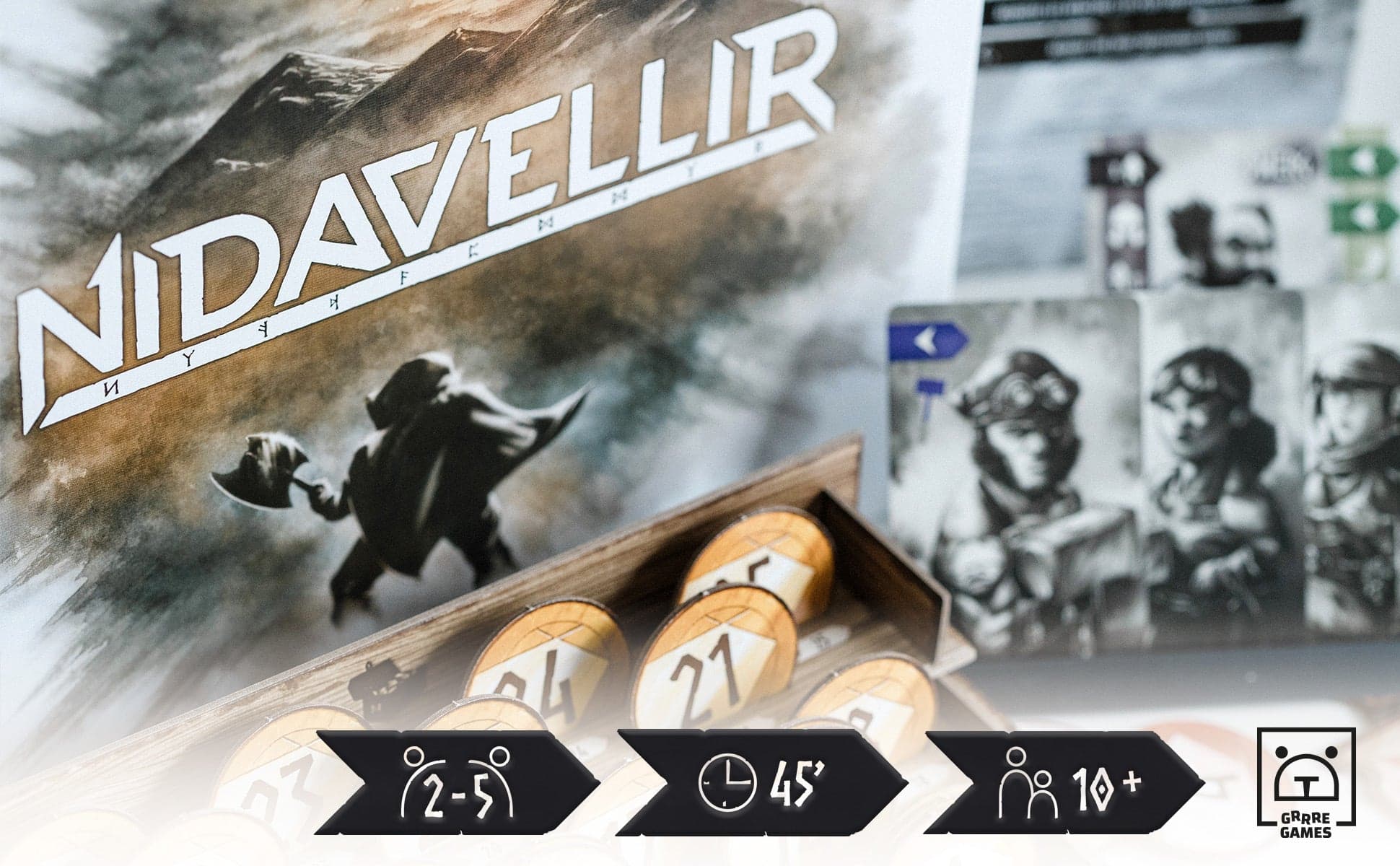
2020Nidavellir is a strategic board game where players take on the role of dwarves, competing to collect and recruit warriors, heroes, and other assets. The game's core mechanic revolves around bidding for cards, with each player secretly placing coins on tavern spaces to determine the order in which they can recruit new members. This process is repeated multiple times, with each round allowing players to upgrade their coins and potentially gain access to more valuable recruits. As players progress through the ages, they must balance their efforts between collecting warriors, heroes, and other assets, all while managing their resources and adapting to changing circumstances. The game's theme draws heavily from Norse mythology, with players taking on the roles of dwarves tasked with defeating the mighty Fafnir. Throughout the game, players will encounter various challenges and opportunities, requiring strategic thinking and planning to emerge victorious.
2-5 45m⚖️ 3.0
RANK #3,069
Tír na nÓg
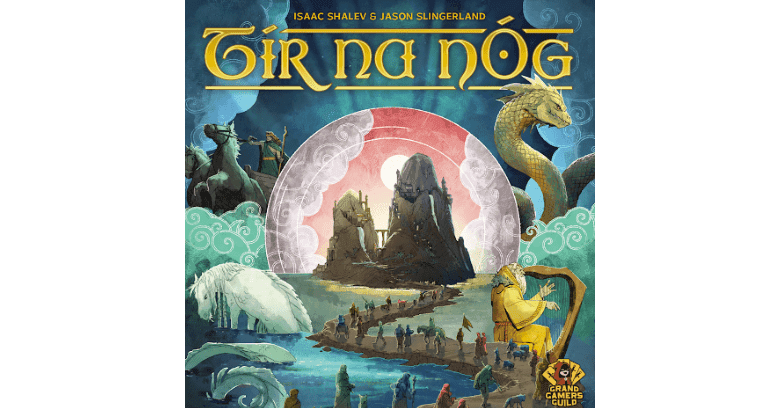
2024Embark on a mystical journey to the land of eternal youth in Tír na nÓg, a beautifully crafted board game steeped in Irish mythology. Players assume the roles of visionary storytellers, or Seanchaí, venturing into the fabled Otherworld to gather timeless tales of heroes and mythical beasts. Your ultimate objective is to weave these disparate stories into the most magnificent and coherent saga, a personal tableau of cards that will be judged at the end of the game. By cleverly arranging your collected narratives, you will score points and earn the title of the greatest storyteller, crafting a legend that will echo through the ages. The game masterfully blends its rich thematic setting with accessible yet deeply strategic gameplay.
The gameplay of Tír na nÓg unfolds over five rounds, each structured into distinct phases that challenge your tactical foresight. In the Journey Phase, players strategically place their storyteller meeples on the junctions between cards in a central grid, staking their claim on the adjacent tales. This placement is a tense puzzle, as each spot can only be occupied by one storyteller. Following this, the Saga Phase sees players draft one of their claimed cards and then play a card from their hand into their personal 3x5 saga grid. This tableau-building is the heart of the game, where careful placement is paramount. Scoring is multifaceted, driven by both personal and public objectives. Players strive to align the cards in each row of their saga with unique scoring conditions dictated by "Geas" cards, while also creating the largest possible orthogonally-connected regions of matching card colors.
What makes Tír na nÓg so compelling is its elegant fusion of simple rules with profound strategic depth, earning it a reputation as a perfect "bridge game" for players looking to step into more complex titles. The core loop of placing a worker to draft from a limited set of options creates a delightful tension and high player interaction without direct confrontation. Every decision matters, from the initial placement of your storyteller to the final card laid in your saga. The puzzle-like nature of optimizing your tableau according to the shifting Geas objectives and the area-majority scoring provides immense replayability. With its gorgeous art, accessible playtime, and a satisfyingly 'thinky' experience, Tír na nÓg offers a rewarding challenge for both new and experienced gamers, solidifying its place as a standout title.
1-5 45m⚖️ 2.5