Adventure Games
Browse all Adventure board games in the Meeple Pulse database.
Styles
Themes
AbstractAdventureAncientAnimalsArtBusinessCard GameCo-operativeComic BookCooperativeCrimeEconomicEnvironmentalismExplorationFantasyHistoricalHorrorHumorIntrigueLiteraryMagicMarvelMedievalModernMuseumMysteryMythologyNatureNauticalPoliticalPress Your LuckSatireSci-FiSocial CommentarySocial InteractionSpaceSuperheroesThematicTravelWarWesternWord-Guessing
Mechanics
3D PlacementActingAction / DexterityAction DraftingAction Point AllowanceAction Point Allowance SystemAction Point SystemAction PointsAction ProgrammingAction QueueAction RetrievalAction SelectionAction/EventAlliancesAlternate ActivationApp-AssistedApp-DrivenArea ControlArea InfluenceArea MajorityArea Majority / InfluenceArea MovementArgumentationAsymmetricAsymmetric FactionsAsymmetric GameAsymmetric PowersAsymmetrical PowersAuction & BiddingAuction/BiddingAuctioningBag BuildingBettingBetting and BluffingBetting and WageringBetting and WagersBiddingBingoBlind BiddingBluffingCampaign / Battle Card DrivenCampaign / LegacyCampaign / Legacy GameCampaign / Mission-basedCampaign / ScenariosCampaign GameCampaign PlayCard DraftingCard DrawingCard DrivenCard Driven ActionCard Driven CombatCard Driven Dice AllocationCard Driven MovementCard ManagementCard PlayCard Play / Hand ManagementCard Play Conflict ResolutionCard SheddingCard-Driven MovementCharacter CreationCharacter ProgressionChit-Pull SystemCo-op PlayCo-operative GameCo-operative PlayCode-breakingCombat ResolutionCombo ChainCommand CardsCommodity SpeculationCommunication LimitsContract FulfillmentContractsCooperative GameCooperative GameplayCooperative PlayCooperative Trick-takingDebateDeck BuildingDeck ConstructionDeck, Bag, and Pool BuildingDeck-BuildingDeductionDexterityDice DraftingDice PlacementDice RollingDiplomatic InfluenceDraftingDynamic Battle SystemEnclosureEnd Game BonusesEngine BuildingEngine-BuildingEscape RoomEvent DrivenExplorationFarmingFlip and WriteFollowFollow ActionGrid CoverageGrid MovementHand ManagementHex-and-CounterHexagon GridHidden MovementHidden RolesI Cut You ChooseIncomeInfluence / Area MajorityLadder ClimbingLegacyLegacy ElementsLegacy GameLegacy SystemLimited CommunicationLine DrawingLine of SightMancalaMap MovementMarketMarket DraftingMarket ManipulationMarket MechanicMarket SpeculationMatchingMeasurement MovementMemoryMission ObjectivesModular BoardModular Board ConstructionMovement TemplatesMulti-Use CardsMulti-use CardsMultiple ScenariosMust FollowNarrative ChoiceNarrative Choice / ParagraphNegotiationNegotiation MechanicsNetwork & Route BuildingNetwork BuildingNetwork and Route BuildingOne vs ManyOne vs. ManyOpen DraftingPaper-and-PencilPartnershipsPattern BuildingPattern RecognitionPick-up and DeliverPlayer EliminationPlayer InteractionPlayer JudgePoint SaladPoint to Point MovementPolyominoesPush Your LuckPush-Your-LuckPuzzlePuzzle-LikePuzzle-SolvingRaceReal-TimeRecipe FulfillmentResource ManagementRole PlayingRole SelectionRoll / Spin and MoveRondelRoute BuildingRoute-BuildingRoute/Network BuildingSanity SystemScenario / Campaign PlayScenario / Mission / Campaign GameScenario / Mission FunctionSecret Unit DeploymentSemi-Cooperative GameSet CollectionSheddingSimulationSimultaneous ActionSimultaneous Action SelectionSimultaneous Hidden AllocationSocial DeductionSocial InteractionSolo / Solitaire GameSpace ExplorationStat Check / Skill CheckStock HoldingStorytellingStrategic PlanningTableau BuildingTactical Decision-MakingTake ThatTargeted CluesTeam PlayTeam-Based GameTeam-Based GuessingTeamworkTech TreesTech Trees / Tech TracksTechnology & Armament TracksTechnology TreeTension & Aggression TracksTile DraftingTile LayingTile PlacementTime TrackTime TravelTower DefenseTrack MovementTradingTrick-takingTug of WarTurn Order: PassTurn Order: Stat-BasedUnit PlacementVariable Phase OrderVariable Player PowersVariable Set-upVariable SetupVictory Point TracksVotingWord AssociationWord GameWord GuessingWord-GuessingWord-guessingWordplayWorker Placement

RANK #90
Darwin's Journey
2023Darwin's Journey transports players to the 19th century, retracing the steps of Charles Darwin on his seminal voyage aboard the HMS Beagle. In this immersive Eurogame, you take on the role of a scientist eager to contribute to the burgeoning theory of evolution. Your primary objective is to earn the most victory points by the end of five rounds, which you accomplish by furthering scientific understanding. This involves meticulous exploration of the Galápagos Islands, careful study of its unique fauna, and the collection of valuable specimens. Success is measured by your contributions to museums, your correspondence with fellow academics, and your progress in understanding the very mechanisms of life. It’s a competitive race to establish the most significant scientific legacy, blending historical theme with deep strategic gameplay.
At its core, "Darwin's Journey" is a sophisticated worker-placement game. Players begin with a small team of workers they will place on the board to perform actions. What sets the game apart is its innovative worker progression system. Each worker can be trained and equipped with special wax seals of different colors, which act as prerequisites for accessing more powerful and specialized action spaces. This system forces players to thoughtfully develop their workforce to align with their long-term strategy. The main actions revolve around navigating your ship to new islands, exploring island tracks for immediate bonuses, gathering sets of specimens, and dispatching them to museums for money and advancement on the crucial 'Theory of Evolution' track. Players must also manage correspondence to gain useful perks and end-of-round benefits, all while navigating a tight economy where every coin and resource matters.
The appeal of "Darwin's Journey" lies in its rewarding complexity and strategic depth, making it a celebrated title for veteran gamers. It’s a 'crunchy' experience where every decision feels consequential. The unique worker specialization mechanic is a standout feature, providing a rich puzzle as players decide how to upgrade their workers to unlock synergistic action combos. This creates diverse strategic paths to victory and enhances the game's replayability. Players who enjoy long-term planning and optimizing their every move will find the interlocking systems deeply satisfying. The game masterfully integrates its scientific theme into the mechanics, making the quest for knowledge feel both tangible and compelling. It’s a brain-burning yet thematic journey that challenges players to think critically and adapt their plans throughout the game's five demanding rounds.
1-4 120m⚖️ 3.5
RANK #121
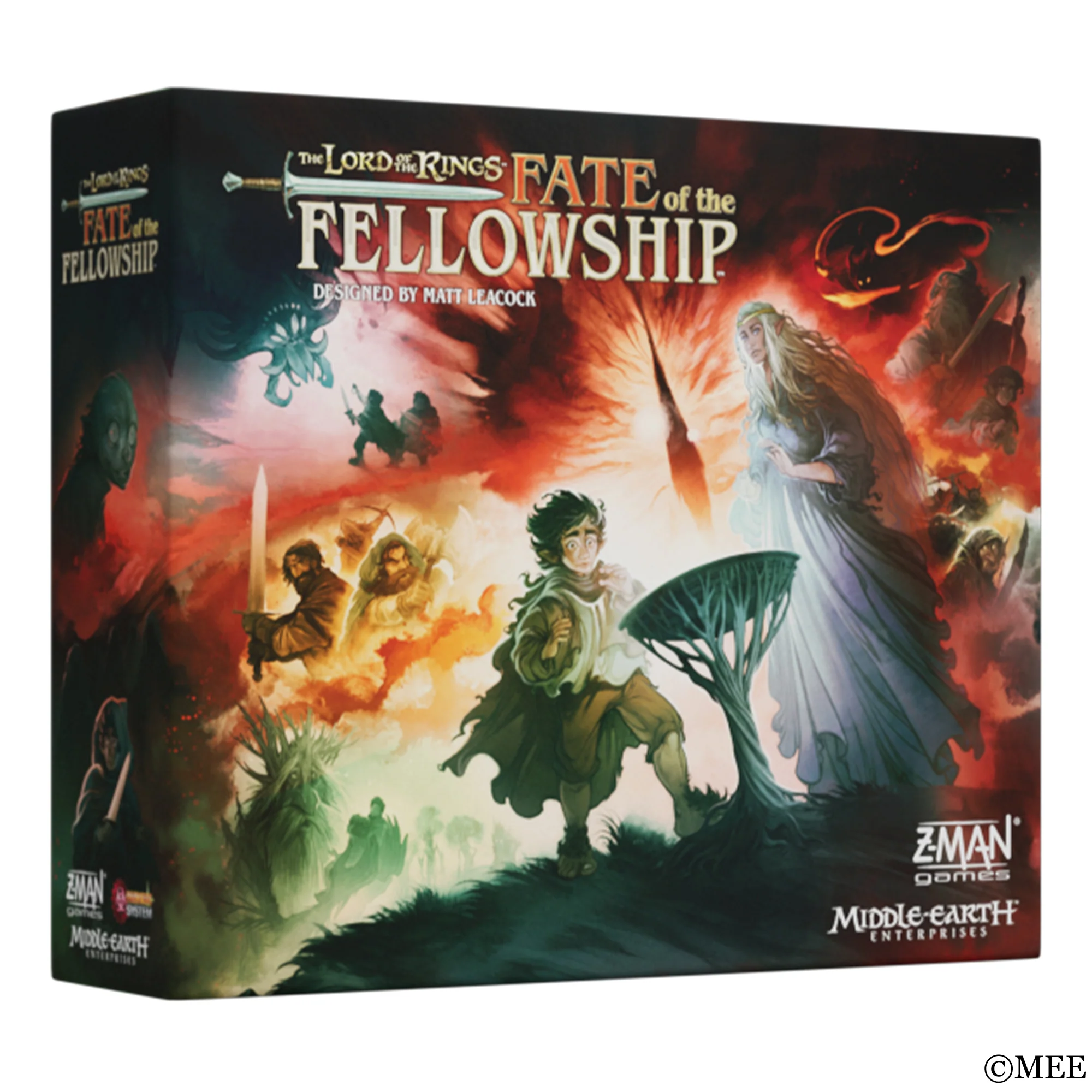
The Lord of the Rings: Fate of the Fellowship immerses one to five players in a desperate, cooperative journey across Middle-earth. In this new narrative-driven adventure from acclaimed designer Matt Leacock, players embody the heroes of Tolkien's epic saga, working together to ensure the One Ring reaches the fires of Mount Doom. The ultimate objective is the Ring's destruction, but this final confrontation can only be attempted after the fellowship successfully navigates three randomly assigned objectives. Players take on the roles of the Fellowship's members and their trusted allies, with each player uniquely controlling a pair of characters from a roster of thirteen, each boasting distinct abilities. The path to victory is fraught with peril, as failure looms if the collective 'Hope' of the fellowship is extinguished. This crucial resource dwindles when safe havens are overrun by darkness, if the Ringbearer is discovered by Sauron's minions, or if the heroes exhaust their resources. It is a race against the encroaching shadow to fulfill their destiny before all hope is lost.
The game's engine is a sophisticated adaptation of the celebrated "Pandemic" system, promising a familiar yet richer mechanical experience. The core gameplay loop involves players strategically spending action points to maneuver friendly forces and their heroes across a detailed map of Middle-earth. These actions are vital for completing the prerequisite missions and pushing back the ever-advancing armies of the Dark Lord. A central element of tension is the constant need to protect Frodo, keeping him concealed from the relentless pursuit of the Nazgûl and the piercing gaze of the Eye of Sauron. This threat is manifested through the 'Shadow Card' deck, a mechanism that functions much like its counterpart in "Pandemic," dictating where Sauron's influence will spread and escalating the danger with each draw. Players must carefully manage their character abilities and card resources to overcome these challenges and clear a path for the Ringbearer.
"Fate of the Fellowship" offers a compelling synthesis of a proven cooperative game system with one of fantasy's most beloved narratives. Its appeal lies in this seamless integration, creating an experience that feels both innovative and deeply thematic. The design has been hailed as Matt Leacock's most mechanically intricate take on the Pandemic framework to date, offering a significant and rewarding challenge for veteran strategy gamers. The unique system of each player managing two distinct heroes introduces a fascinating layer of tactical decision-making and enhances replayability. This constant balancing act—completing grand objectives while simultaneously managing the stealthy, perilous journey of the Ringbearer—generates a persistent sense of urgency and suspense, making it an essential title for fans of cooperative board games and Tolkien's timeless world.
1-5 m⚖️ 3.1
RANK #177
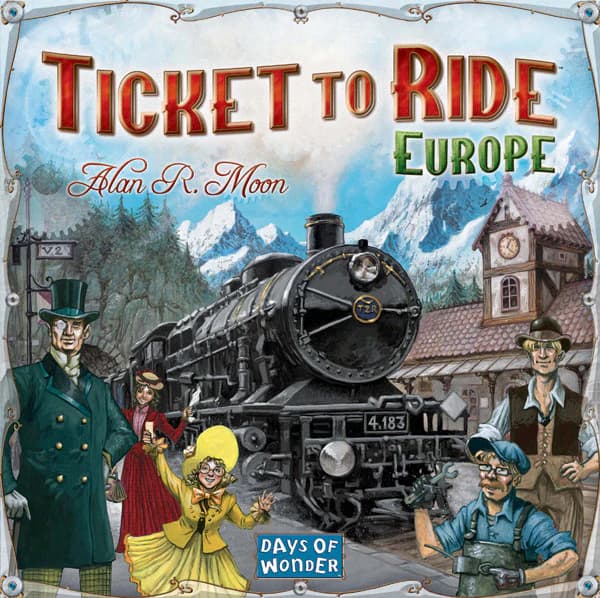
Ticket to Ride: Europe transports players to the golden age of steam travel at the turn of the 20th century. In this standalone installment of the beloved train adventure series, you are not just a passenger but a budding railway tycoon, competing to build the most impressive rail network across the continent. The ultimate goal is to amass the most points by the end of the game. This is achieved through a combination of strategically claiming routes between iconic European cities, successfully connecting distant destinations specified on secret ticket cards, and constructing the longest continuous path of trains for a substantial end-game bonus. Each decision matters as you race against your rivals to dominate the railways, from the misty hills of Edinburgh to the sun-drenched shores of Constantinople.
The game is celebrated for its elegant and accessible ruleset. On your turn, you choose one of four simple actions: draw more train car cards, claim a route on the board, draw new destination tickets, or build a train station. Claiming a route involves collecting and playing a set of train car cards that match the color and length of the desired path, earning you immediate points. This Europe-centric version introduces several clever mechanics that add new layers of strategy. Ferries are special sea routes that require powerful locomotive (wild) cards to claim. Tunnels introduce a thrilling push-your-luck element; when you try to build through a mountain, you must draw extra cards from the deck, potentially increasing the cost of the route unexpectedly. Finally, the introduction of Train Stations provides a strategic safety net, allowing you to use a single route segment owned by an opponent to help complete one of your own destination tickets, though at the cost of end-game points for unused stations.
Ticket to Ride: Europe has earned its place as a cornerstone of modern board gaming, largely due to its status as a premier 'gateway' game. It's incredibly easy to teach to newcomers and families, with games often concluding in under an hour, yet it offers enough strategic depth to keep veteran gamers engaged. The core tension between building your own network and inadvertently blocking opponents creates a compelling and interactive experience without direct confrontation. The additions of tunnels, ferries, and stations subtly enhance the original's formula, providing more varied decisions and reducing the frustration of being completely cut off from a critical city. This perfect balance of simplicity, strategy, and high replayability makes it a timeless classic that continues to bring people to the table for another journey across Europe.
2-5 60m⚖️ 1.9
RANK #236
Embark on a frosty railway adventure with *Ticket to Ride: Nordic Countries*, a standalone installment in the award-winning series designed specifically for a more intimate and competitive experience. Set against the beautiful, snow-dusted backdrop of Denmark, Finland, Norway, and Sweden, this game challenges two or three players to become the region's greatest transportation magnate. The core objective remains familiar to fans of the series: collect colored train car cards to claim railway routes, strategically connecting cities across the map. Your primary source of points comes from fulfilling secret Destination Tickets, each one tasking you with linking two specific cities. Successfully completing these tickets adds to your score, but failure will cost you dearly. The player who has amassed the most points from their routes, completed tickets, and the coveted 'Globetrotter' bonus for the most tickets fulfilled, will be declared the winner.
The gameplay is elegantly simple yet rich with strategic choices. On your turn, you perform one of three actions: draw more train car cards, claim a route by discarding a matching set of cards, or draw new Destination Tickets to potentially increase your score. *Nordic Countries* introduces compelling twists on this classic formula with the inclusion of Ferries and Tunnels. Ferries are special sea routes that demand a specific number of powerful Locomotive wild cards to claim, making these cards exceptionally valuable. Tunnels add a thrilling element of risk; after committing your cards to a mountain route, you must reveal cards from the top of the deck, potentially forcing you to play extra cards to complete the connection. This version also uniquely alters the rules for Locomotives, restricting their use primarily to these special routes, which intensifies the strategic planning around their acquisition and use.
What makes *Ticket to Ride: Nordic Countries* a standout title is its brilliantly crafted map, which is significantly tighter and more constrained than its predecessors. This design choice inherently creates a high-stakes environment where player interaction is not just possible, but inevitable. Players must constantly watch their opponents, anticipate their moves, and decide whether to build their own network or defensively block a critical path. The scarcity of double-routes means competition for key connections is fierce from the very start. This heightened tension, combined with a brisk playtime of 30-60 minutes, makes it an exceptionally engaging and replayable game for couples, families, and anyone seeking a fast-paced, light-strategy experience with a healthy dose of direct competition.
2-3 45m⚖️ 1.9

RANK #255
Ticket to Ride
2004Ticket to Ride whisks players away on a grand cross-country train adventure, firmly establishing itself as one of the most beloved and accessible modern board games. In this competitive journey, players vie to become the most successful railroad magnate by the turn of the 20th century. The primary goal is to accumulate the highest number of points. Victory is achieved through a combination of strategically claiming railway routes between iconic cities, fulfilling the secret itineraries detailed on Destination Tickets, and constructing the longest continuous path of train cars on the map. It's a game of elegant design, where foresight and clever planning are rewarded, making every decision a crucial step toward dominating the rails and securing your legacy.
The gameplay is famously straightforward, with a set of rules that can be taught in mere minutes. Each turn, a player must choose one of three simple actions. They can draw two Train Car cards, which come in various colors needed to claim routes, either from a face-up display or blindly from the deck. Alternatively, a player can claim a route on the board by discarding a set of cards that match the route's color and length, immediately scoring points based on its size. The final option is to draw more Destination Tickets, which offer substantial bonus points for connecting distant cities but come with a risk—any uncompleted tickets at the game's end will count against your score. This simple action structure keeps the game moving at a brisk pace, while wild Locomotive cards add a layer of flexibility to players' plans. The end game is triggered when one player's stock of plastic trains dwindles to two or fewer, after which everyone gets one last turn to make their final moves.
The enduring appeal of Ticket to Ride lies in its perfect balance of simplicity and strategic depth. It serves as a quintessential 'gateway game', expertly bridging the gap for newcomers to the board gaming hobby without alienating veteran players. The tension quietly builds as the game progresses; the board becomes a crowded network of competing lines, and the routes you desperately need might be snatched up by an opponent just before your turn. This creates a subtle yet engaging form of player interaction that is more about opportunistic blocking than direct confrontation. The satisfaction of completing a long, coast-to-coast destination ticket is immense, and the combination of set collection, route building, and secret objectives provides a highly replayable experience. Its charming presentation and straightforward rules have made it a staple for family game nights and a celebrated classic worldwide.
2-5 60m⚖️ 1.8
RANK #258
Faraway
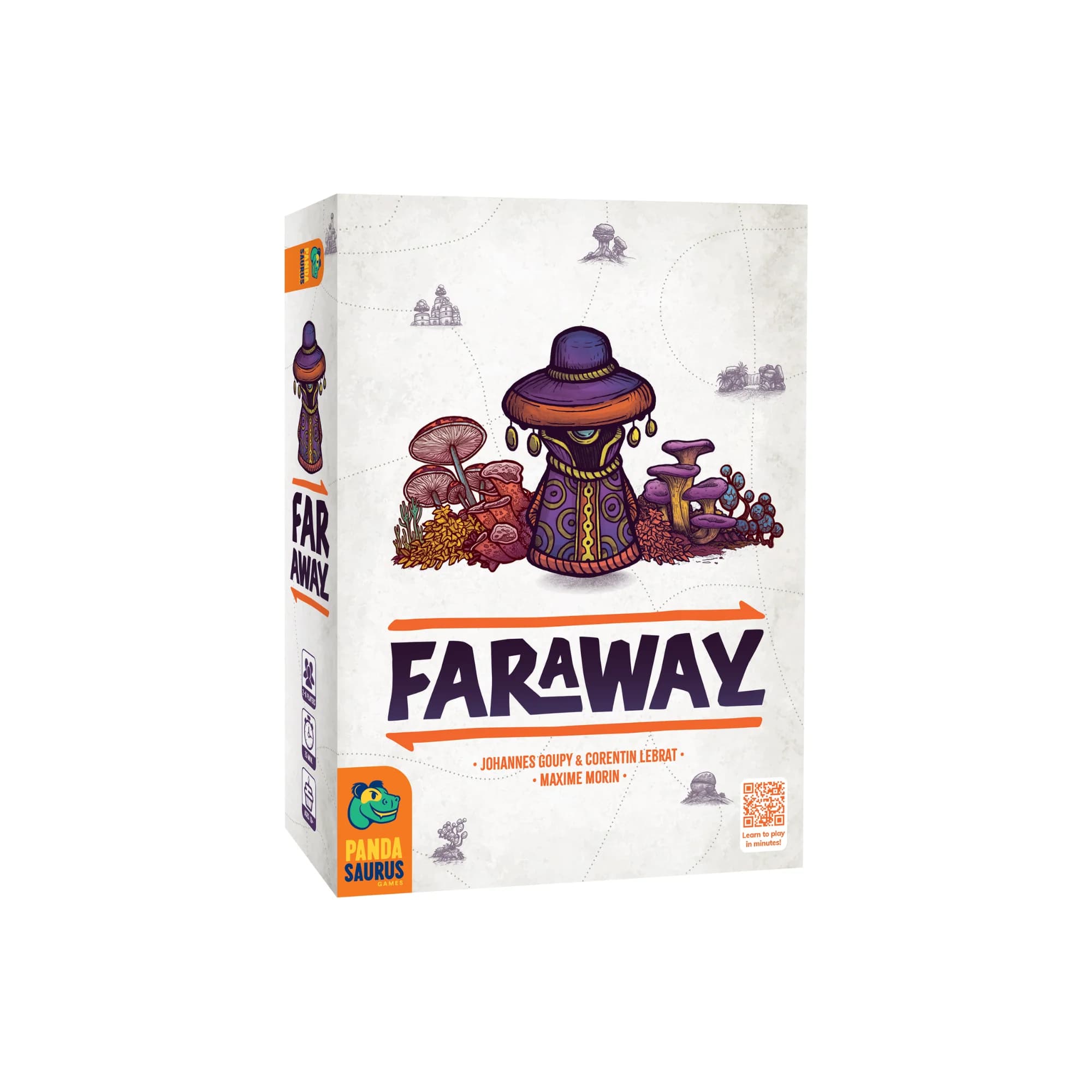
2023Embark on an expedition to the enigmatic continent of Alula in Faraway. In this clever card game, players compete to become the most renowned explorer by charting a path across eight distinct regions. The objective is to amass the most fame (victory points) by strategically laying out a row of cards that tells the story of your journey. However, the game introduces a captivating twist: your expedition is scored not by the path you forged, but by the memories you recall as you look back on it. This innovative reverse-scoring mechanism is the heart of the experience, challenging players to think ahead by planning backwards, turning a simple card-laying game into a delightful and thoughtful puzzle.
The game unfolds over eight rounds, with players simultaneously choosing and revealing a region card from their hand to add to their personal tableau, extending it from left to right. These cards are numbered and feature various colors and symbols crucial for scoring. A key tactical decision arises when you play a card with a number higher than the one preceding it, which allows you to acquire a powerful Sanctuary card that grants bonus icons or unique scoring opportunities. Following the card placement, players draft new cards for their hand. In a neat balancing act, the player who played the lowest-numbered card in the round gets the first choice from the central display, creating a constant tension between playing high for Sanctuaries and playing low for a better draft pick.
What makes Faraway truly stand out is its brilliant endgame scoring. Once all eight region cards have been played, the entire journey is flipped face-down. Players then reveal their cards one by one, starting from the last card they played and moving leftward. As each card is turned face-up, its scoring conditions are resolved based only on the icons visible on the cards revealed so far (i.e., those to its right in the original tableau). This 'journey back' forces a complete shift in perspective. A card that seems weak when played might become invaluable for scoring later cards, while a powerful early card might offer no benefit for the final scoring tally. This forward-planning, backward-scoring puzzle provides a deeply satisfying and accessible challenge, making every game a fresh and engaging strategic exercise with minimal player conflict and a brisk playtime.
2-6 25m⚖️ 1.8
RANK #275
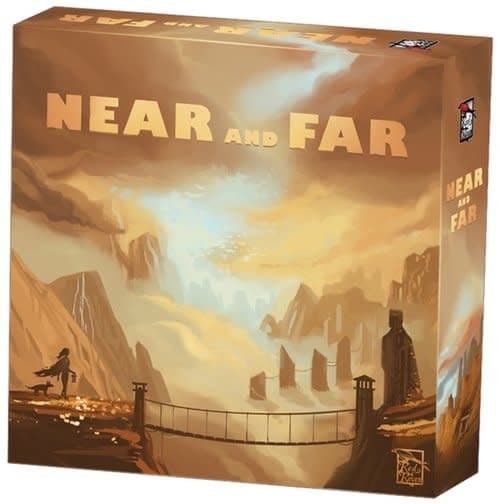
Near and Far
2017Near and Far beckons players into a vibrant fantasy world on a grand quest for the Last Ruin, a fabled city said to house an artifact capable of granting one's greatest desire. This is a narrative-driven adventure game where players assume the roles of explorers charting unknown territories. The objective is not merely to reach a destination, but to weave the most legendary tale, which is measured in journey points. These points are earned by completing quests, discovering unique locations, defeating threats, and accumulating valuable treasures and artifacts throughout a sprawling, multi-game campaign.
The gameplay cleverly alternates between two distinct phases: preparing in town and journeying across the land. The town phase operates as a worker placement game, where players assign their character to various buildings to gather supplies, hire adventurers with special skills, buy pack animals for extra carrying capacity, and pick up bounties. Once equipped, players venture out onto one of the game's eleven beautifully illustrated maps, which are presented in a spiral-bound atlas that serves as the game board. While exploring, players establish camps to extend their reach, encounter dangerous threats that require dice rolls and skill checks to overcome, and uncover quest locations. This triggers the game's heart: a 'Choose Your Own Adventure' style story. Another player reads a passage from the robust storybook, presenting the active player with a narrative dilemma and choices that have tangible consequences and rewards, ensuring every quest feels unique and impactful.
What sets Near and Far apart and solidifies its beloved status is this masterful fusion of strategic resource management with deep, emergent storytelling. The innovative atlas system provides a constant sense of discovery as new maps are revealed, each with its own secrets to unlock. The game offers immense replayability through its different modes: a ten-map story campaign where characters level up and gain new talents, a quicker Arcade mode for single sessions, and a Character mode focused on the heroes' backstories. This creates a deeply personal and memorable experience where players are not just playing a game, but are living out a grand adventure, creating a story that is uniquely their own.
2-4 120m⚖️ 2.9
RANK #296
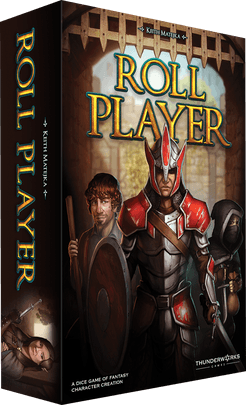
Roll Player
2016Roll Player is a creative board game that turns the classic tabletop RPG character creation process into a full competitive experience. Instead of embarking on a dungeon crawl, players are focused entirely on the preparation stage—building the most powerful and well-rounded fantasy hero possible. Set in the world of Ulos, each player takes on the role of a character with a specific race, class, and backstory. The primary objective is to earn the most Reputation Stars by the end of the game, which are awarded for meeting attribute requirements, fulfilling backstory goals, aligning your character's morality, and gathering powerful gear from the local market.
The gameplay revolves around a central dice-drafting mechanic spanning several rounds. Each round, dice are rolled and placed on initiative cards. Players take turns selecting a die to place on their character sheet in specific attribute rows like Strength, Intelligence, or Charisma. Each placement triggers a unique attribute action, allowing players to manipulate their dice by flipping them to opposite sides, re-rolling them, or swapping positions. This creates a deep, puzzle-like environment where players must carefully manage their resources and dice values. After the drafting phase, players visit the market to spend gold on skills, traits, and armor sets, all of which provide additional ways to score points or gain tactical advantages during future rounds.
What makes Roll Player so beloved is its ingenious 'gamification' of a meta-concept. It captures the nostalgic joy of rolling stats for a Dungeons & Dragons character while providing a rigorous strategic framework. The tension between picking the 'perfect' die for your stats versus picking an earlier initiative card to get the best equipment in the market makes for a compelling decision space. It is a highly satisfying optimization puzzle that feels thematic and rewarding, especially as you see your hero come together from a blank slate to a fully equipped champion. With a moderate complexity level, it is accessible enough for casual gamers while offering enough depth for strategy enthusiasts.
1-4 75m⚖️ 2.4
RANK #1,458
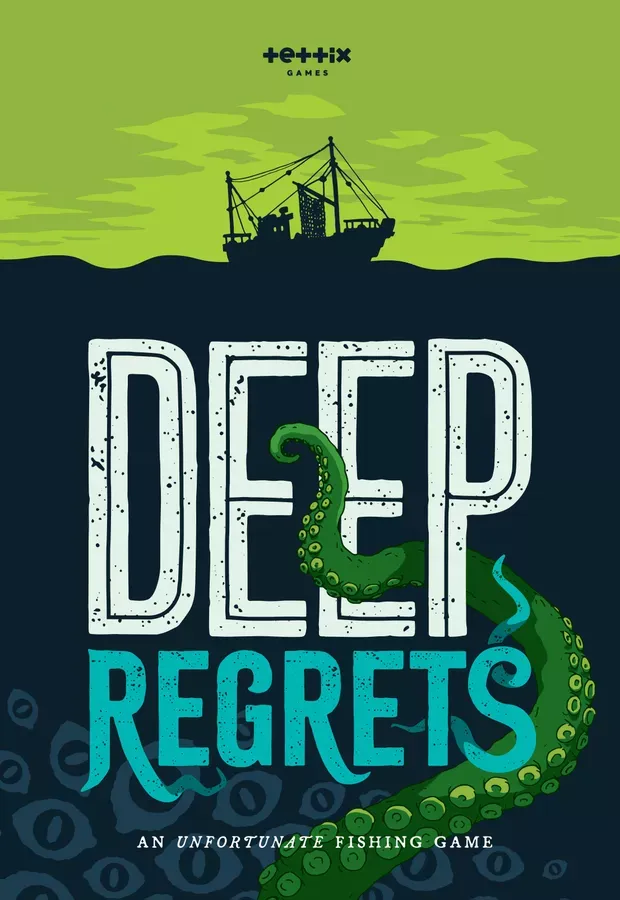
Deep Regrets
2025Plunge into the unsettling waters of "Deep Regrets," a thematic game of strategic horror set in a fictionalized early 1900s Europe. Players assume the roles of troubled anglers on a week-long expedition, casting their lines into eerie depths to haul in catches both valuable and monstrous. The goal is to amass the most points from your collected fish, but this is no ordinary fishing trip. Each angler must contend with their own inner demons, represented by a unique 'Regrets' mechanic. The game masterfully blends its dark, hand-drawn aesthetic with compelling gameplay, challenging players to balance the pursuit of wealth against the encroaching tide of madness. It's a game where your biggest catch might also be your greatest undoing.
The gameplay unfolds over a series of rounds, each representing a day. At the dawn of each day, players face a critical choice: venture out to sea or remain safe in port. Those who go to sea will spend rolled dice to fish from three different depths, each with its own deck of cards. These decks contain both 'fair' fish that provide straightforward points and 'foul' eldritch horrors that come with strange effects. Prized catches can be 'mounted' to multiply their value, adding a layer of long-term strategy. Back in port, players can sell their haul for 'seabucks,' the in-game currency used to purchase crucial upgrades like better rods and reels, preparing them for the increasingly dangerous days ahead.
What makes "Deep Regrets" truly stand out is its innovative 'Regrets' system. Throughout the game, players will acquire Regret cards. While these cards allow a player to hold and use more dice on their turn—a significant advantage—they come at a cost. Regrets twist your perception, making foul fish more valuable and fair fish less so. Furthermore, the number of Regrets a player holds determines their position on a 'Madness Track,' which can offer powerful boons but also carries immense risk. The ultimate twist comes at the game's conclusion: the player with the highest total value of secret Regrets must discard their highest-scoring mounted fish. This creates a tense, psychological dynamic of push-your-luck and player-driven suspense, making every decision to take on more regret a weighty and memorable one.
1-5 90m⚖️ 2.4
RANK #7,304
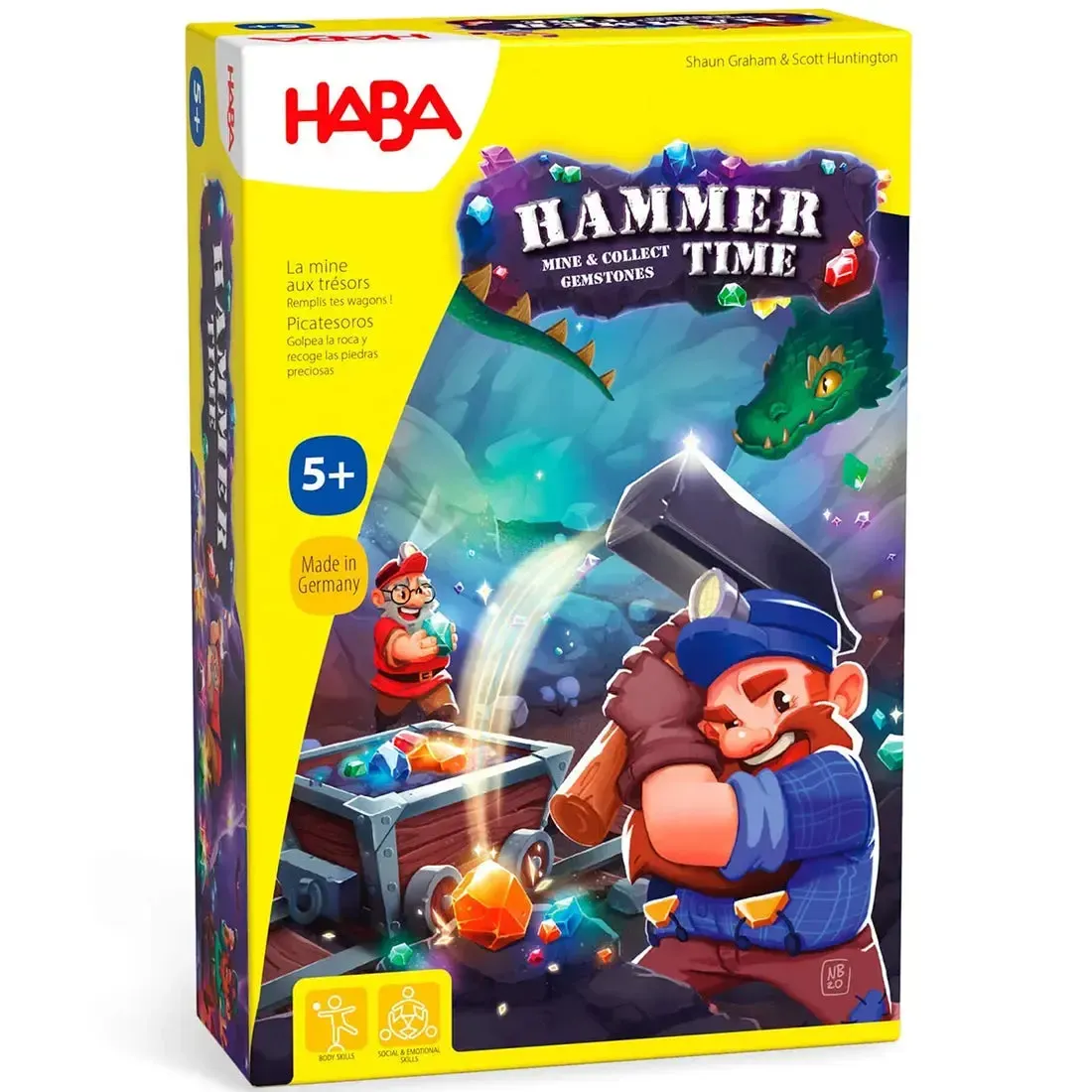
Hammer Time
2020In Hammer Time, players are transformed into industrious gnome miners on a quest for riches deep within Sparkle Mountain. This delightful children's game stands out with its incredibly tactile and clever setup: the game box itself is inverted to become the mountain, a raised platform topped with a neoprene mat where a trove of colorful plastic gemstones is scattered. The objective is a straightforward race. Each player must be the first to complete their four personal "wagon" cards, each of which depicts a specific recipe of gems that must be collected from the mountain. It’s a game of physical skill, gentle persuasion, and a little bit of luck, perfect for engaging the whole family in a treasure-hunting adventure.
The core gameplay loop is centered around a unique dexterity challenge. On your turn, you take the chunky wooden hammer and carefully tap the side of the box. The goal is to create just enough vibration to cause a few precious gems to tumble off the edge. As soon as at least one gem falls, your tapping phase must end. You collect all the fallen gems and assign them to your wagon cards, with clear gems acting as valuable wilds. However, brute force is punished! If a player gets overzealous and knocks nine or more gems off in a single turn, they've made too much noise, woken the fearsome dragon Dragomir, and forfeit their turn, gaining no gems. This creates a wonderful tension between ambition and caution. Players can also work on secondary Task Cards, which reward them with special bonuses for completing smaller objectives.
Hammer Time is beloved for its immediate, hands-on fun that appeals to both children and the adults playing with them. The simple act of tapping the box is satisfying, and the risk-reward calculation of how hard to hit keeps every turn exciting. The game brilliantly teaches fine motor control and strategic restraint in a playful context. For those seeking an extra layer of zany fun, the 'Master Variant' introduces a die that imposes hilarious restrictions on players, such as having to hammer with their eyes closed or using a fist instead of the hammer. This combination of clever component use, accessible rules, and laugh-out-loud moments makes Hammer Time a standout title for any family game night.
2-4 20m⚖️ 1.0