Thematic Games
Browse all Thematic board games in the Meeple Pulse database.
Styles
Themes
AbstractAdventureAncientAnimalsArtBusinessCard GameCo-operativeComic BookCooperativeCrimeEconomicEnvironmentalismExplorationFantasyHistoricalHorrorHumorIntrigueLiteraryMagicMarvelMedievalModernMuseumMysteryMythologyNatureNauticalPoliticalPress Your LuckSatireSci-FiSocial CommentarySocial InteractionSpaceSuperheroesThematicTravelWarWesternWord-Guessing
Mechanics
3D PlacementActingAction / DexterityAction DraftingAction Point AllowanceAction Point Allowance SystemAction Point SystemAction PointsAction ProgrammingAction QueueAction RetrievalAction SelectionAction/EventAlliancesAlternate ActivationApp-AssistedApp-DrivenArea ControlArea InfluenceArea MajorityArea Majority / InfluenceArea MovementArgumentationAsymmetricAsymmetric FactionsAsymmetric GameAsymmetric PowersAsymmetrical PowersAuction & BiddingAuction/BiddingAuctioningBag BuildingBettingBetting and BluffingBetting and WageringBetting and WagersBiddingBingoBlind BiddingBluffingCampaign / Battle Card DrivenCampaign / LegacyCampaign / Legacy GameCampaign / Mission-basedCampaign / ScenariosCampaign GameCampaign PlayCard DraftingCard DrawingCard DrivenCard Driven ActionCard Driven CombatCard Driven Dice AllocationCard Driven MovementCard ManagementCard PlayCard Play / Hand ManagementCard Play Conflict ResolutionCard SheddingCard-Driven MovementCharacter CreationCharacter ProgressionChit-Pull SystemCo-op PlayCo-operative GameCo-operative PlayCode-breakingCombat ResolutionCombo ChainCommand CardsCommodity SpeculationCommunication LimitsContract FulfillmentContractsCooperative GameCooperative GameplayCooperative PlayCooperative Trick-takingDebateDeck BuildingDeck ConstructionDeck, Bag, and Pool BuildingDeck-BuildingDeductionDexterityDice DraftingDice PlacementDice RollingDiplomatic InfluenceDraftingDynamic Battle SystemEnclosureEnd Game BonusesEngine BuildingEngine-BuildingEscape RoomEvent DrivenExplorationFarmingFlip and WriteFollowFollow ActionGrid CoverageGrid MovementHand ManagementHex-and-CounterHexagon GridHidden MovementHidden RolesI Cut You ChooseIncomeInfluence / Area MajorityLadder ClimbingLegacyLegacy ElementsLegacy GameLegacy SystemLimited CommunicationLine DrawingLine of SightMancalaMap MovementMarketMarket DraftingMarket ManipulationMarket MechanicMarket SpeculationMatchingMeasurement MovementMemoryMission ObjectivesModular BoardModular Board ConstructionMovement TemplatesMulti-Use CardsMulti-use CardsMultiple ScenariosMust FollowNarrative ChoiceNarrative Choice / ParagraphNegotiationNegotiation MechanicsNetwork & Route BuildingNetwork BuildingNetwork and Route BuildingOne vs ManyOne vs. ManyOpen DraftingPaper-and-PencilPartnershipsPattern BuildingPattern RecognitionPick-up and DeliverPlayer EliminationPlayer InteractionPlayer JudgePoint SaladPoint to Point MovementPolyominoesPush Your LuckPush-Your-LuckPuzzlePuzzle-LikePuzzle-SolvingRaceReal-TimeRecipe FulfillmentResource ManagementRole PlayingRole SelectionRoll / Spin and MoveRondelRoute BuildingRoute-BuildingRoute/Network BuildingSanity SystemScenario / Campaign PlayScenario / Mission / Campaign GameScenario / Mission FunctionSecret Unit DeploymentSemi-Cooperative GameSet CollectionSheddingSimulationSimultaneous ActionSimultaneous Action SelectionSimultaneous Hidden AllocationSocial DeductionSocial InteractionSolo / Solitaire GameSpace ExplorationStat Check / Skill CheckStock HoldingStorytellingStrategic PlanningTableau BuildingTactical Decision-MakingTake ThatTargeted CluesTeam PlayTeam-Based GameTeam-Based GuessingTeamworkTech TreesTech Trees / Tech TracksTechnology & Armament TracksTechnology TreeTension & Aggression TracksTile DraftingTile LayingTile PlacementTime TrackTime TravelTower DefenseTrack MovementTradingTrick-takingTug of WarTurn Order: PassTurn Order: Stat-BasedUnit PlacementVariable Phase OrderVariable Player PowersVariable Set-upVariable SetupVictory Point TracksVotingWord AssociationWord GameWord GuessingWord-GuessingWord-guessingWordplayWorker Placement
RANK #128
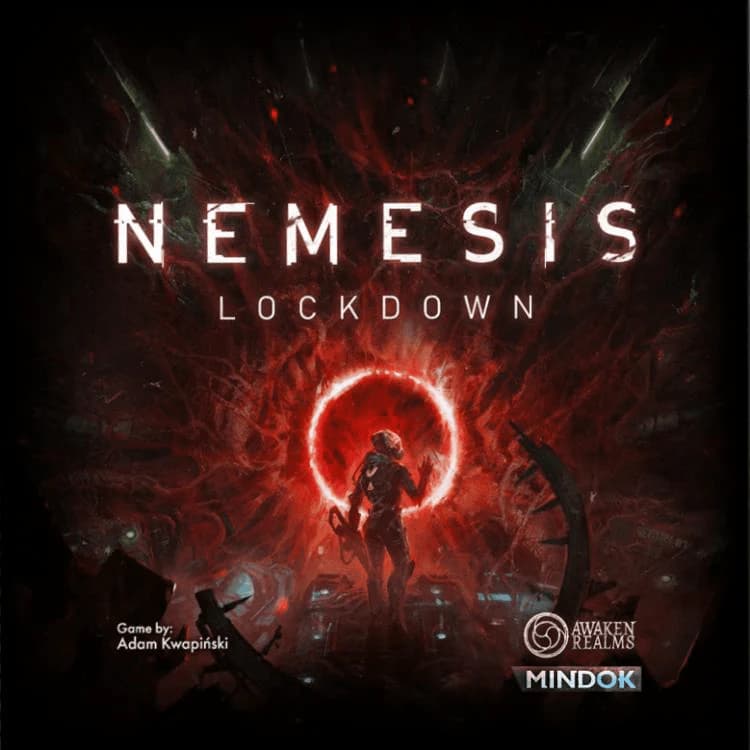
Nemesis: Lockdown is a cinematic, standalone survival-horror experience set on a secret multi-level base on Mars. It is a semi-cooperative game where players, as survivors of an unknown incident, must navigate a hostile facility infested with terrifying alien organisms known as Night Stalkers. While cooperation is essential to overcome the immediate dangers of the base and its predatory inhabitants, each player holds a secret objective that may conflict with the goals of the group. To achieve victory, a player must not only survive the ordeal but also successfully complete their private mission before escaping, creating a deeply tense atmosphere where trust is a scarce and valuable resource.
The gameplay unfolds through a series of rounds, each divided into a Player Phase and an Event Phase. During the Player Phase, individuals take turns performing two actions, the cost of which is paid by discarding action cards from their hand. Actions are varied and crucial, including moving through the labyrinthine base, exploring new rooms, searching for useful items, crafting equipment, and engaging in desperate combat with the aliens. A critical element is managing noise; actions can place noise markers in adjacent corridors, and a second marker in the same location triggers a deadly alien encounter. Lockdown introduces new challenges, most notably the management of the base's power, which can fail and plunge sectors into darkness, adding another layer of strategic depth and terror.
The immense appeal of Nemesis: Lockdown lies in its ability to generate powerful, emergent narratives. The combination of hidden agendas, a modular board, and unpredictable event cards ensures that no two sessions are ever alike, producing unique and memorable stories of heroism, desperation, and betrayal. The core semi-cooperative mechanic is the heart of the game, forcing a delicate balance between teamwork and self-preservation. You need your crewmates to fend off the relentless alien threat, yet you can never be certain of their true intentions. This constant psychological tension, coupled with the game's rich thematic immersion, makes it a premium, high-stakes adventure for players who crave a challenging and deeply engaging tabletop experience.
1-5 120m⚖️ 4.2
RANK #214
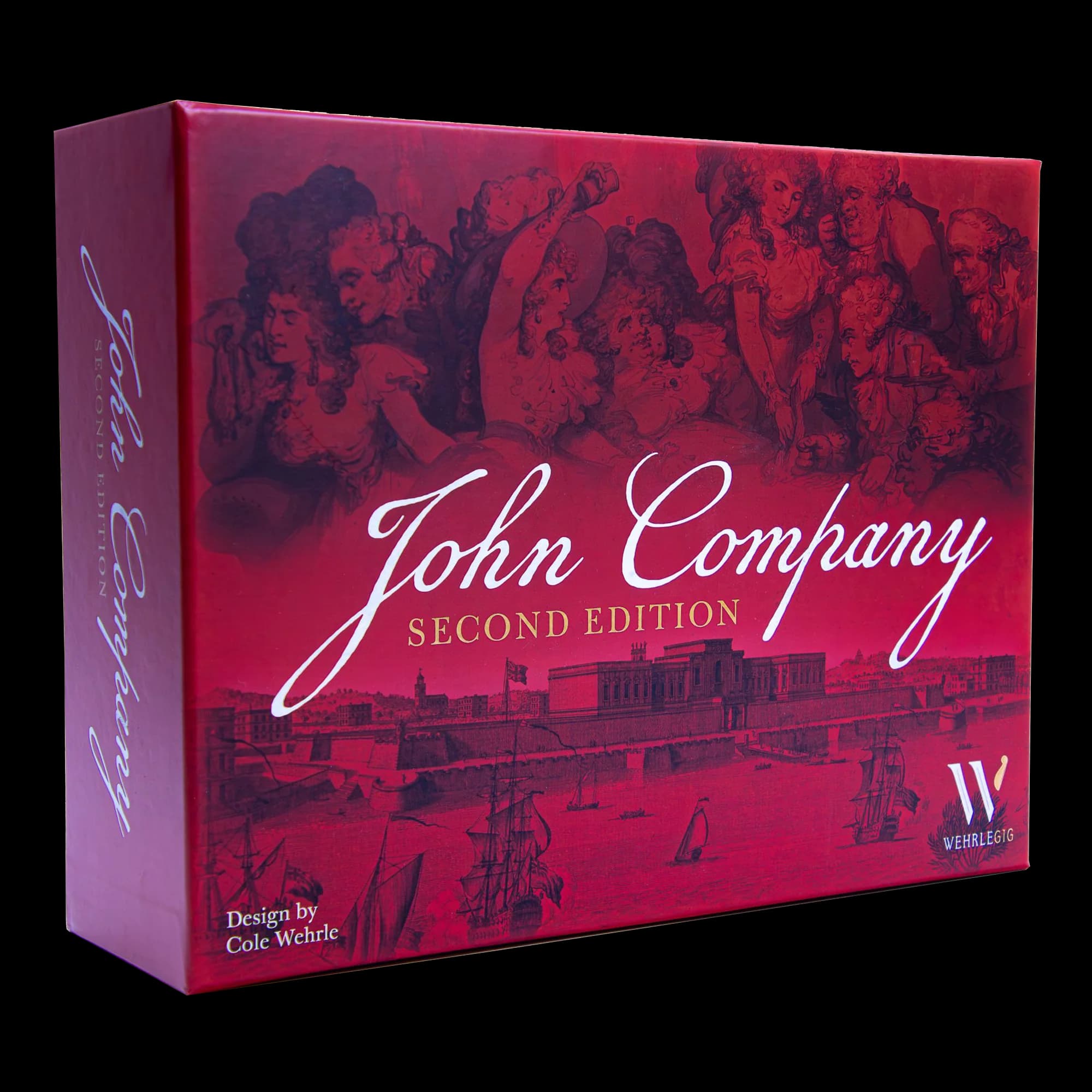
John Company: Second Edition is a deeply immersive and interactive simulation of the British East India Company, a historically powerful but notoriously dysfunctional trading corporation. Players represent ambitious British families seeking to exploit the Company for their own gain. The ultimate goal is not necessarily the Company's success, but rather amassing the greatest personal wealth and prestige for one's dynasty. This is achieved by securing lucrative positions, making shrewd investments, and ultimately retiring family members in a blaze of glory. This second edition is a significant redesign of the 2017 original, featuring a lavish production and refined rules that heighten the strategic depth and political maneuvering.
The gameplay is a masterful blend of semi-cooperative action and cutthroat individualism. On one hand, players must work together to keep the Company financially solvent, as its collapse brings ruin to all. On the other hand, victory is entirely individual. The game's structure revolves around players gaining control of key offices—from the prestigious Chairman to regional Presidents in India—often through tense auctions and brokered deals. In these roles, players execute Company actions like trade, shipping, and military campaigns, where success is often subject to the whims of dice rolls. The game progresses through distinct rounds that include managing private family affairs, voting on transformative laws in Parliament, and navigating the crucial London Season, where prestige is scored and legacies are made.
What truly distinguishes John Company is its unparalleled focus on negotiation and emergent narrative. Success is nearly impossible without engaging in constant deal-making, forming temporary alliances, and even resorting to bribery. The game is a political sandbox where the most memorable moments arise not from scripted events, but from the players' own schemes and betrayals. It brilliantly models a complex bureaucracy where individual ambition clashes with collective responsibility, creating a challenging and unforgettable experience. It appeals to players who relish high interaction, complex systems, and the thrill of turning a sprawling, failing institution into an engine for their own personal triumph.
1-6 180m⚖️ 4.4
RANK #702
HeroQuest
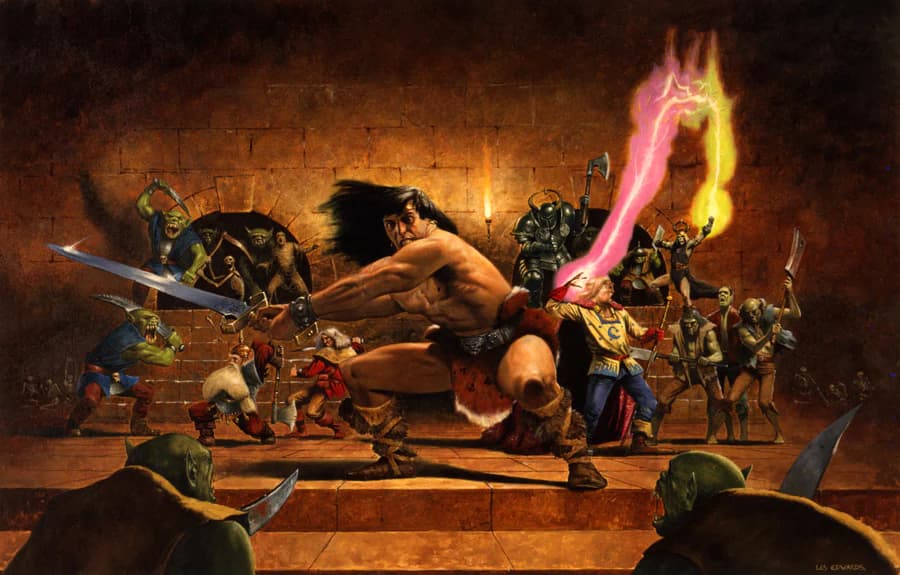
1989HeroQuest is the quintessential fantasy dungeon-crawling experience, famously designed to act as a bridge between traditional board games and the complex world of tabletop role-playing games. Originally released in 1989 through a collaboration between Milton Bradley and Games Workshop, the game places one player in the role of the malevolent gamemaster—known as Zargon in North America or Morcar in Europe—while the remaining players take on the roles of four legendary heroes: the Barbarian, the Dwarf, the Elf, and the Wizard. The primary goal is to successfully navigate a series of perilous underground labyrinths, completing specific mission objectives such as rescuing a captive, recovering a magical relic, or defeating a powerful boss, all while surviving the monsters and hazards lurking in the shadows.
The gameplay is driven by a scenario book that outlines distinct quests. Each hero's turn involves moving and performing an action. Movement is determined by rolling two standard six-sided dice, adding a layer of unpredictability to every trek through the dark corridors. Actions include attacking enemies, casting powerful spells from a limited deck, or searching the immediate area for treasure, secret passages, and deadly traps. A standout mechanic is the use of specialized combat dice, which feature skulls for hits and shields for defense, making combat resolution intuitive and visually immediate. The gamemaster controls the 'fog of war,' populating the board with detailed 3D furniture and plastic miniatures only when the heroes enter a room or line of sight, which maintains a constant atmosphere of mystery and tension.
The appeal of HeroQuest lies in its evocative presentation and its ability to deliver a rich, narrative-driven experience without overwhelming players with dense rulebooks. It popularized the 'dungeon crawl' genre for a mainstream audience, thanks in large part to its iconic components—including stone tombs, weapon racks, and treasure chests—that brought the game world to life on the tabletop. It strikes a perfect balance between simplicity and depth, offering enough tactical variety to keep seasoned players engaged while remaining accessible enough for younger audiences or newcomers. This enduring charm has cemented its status as a 'grail game' for collectors and a beloved classic that defined the fantasy board gaming landscape for a generation.
2-5 90m⚖️ 2.1

RANK #3,827
Step into the brutal, frozen expanse of the 19th-century Arctic in "Through Ice & Snow," a deeply thematic and punishing worker placement game. Players take on the roles of competing expedition leaders, each striving to earn the most prestige by navigating the treacherous search for the fabled Northwest Passage. Published by 2Tomatoes Games, this tense strategy game challenges you to manage your resources, your crew, and your rivals while battling the unforgiving elements. Your goal is not merely to survive the journey but to emerge as the most renowned explorer of the age, a feat that will require careful planning, ruthless efficiency, and a bit of luck to overcome the myriad dangers of the far north.
The gameplay revolves around a clever twist on the worker placement genre. While each of the 1 to 4 players manages their own crew and secret objectives, all are passengers on the same ship. Each round, one player assumes the role of expedition leader, deciding which perilous route the vessel will take, a choice that impacts everyone aboard. This creates a fascinating semi-cooperative dynamic, where a shared fate is constantly at odds with individual ambition. During the action phase, players strategically deploy their crew members—including unique specialists like a captain, scientist, and carpenter—to limited action spaces. These actions are vital for gathering essential resources like food and fuel, building crucial structures, upgrading equipment, and recruiting Inuit guides to aid in your survival. Competition for these spots is fierce, and being blocked from a necessary action can spell disaster for your expedition.
"Through Ice & Snow" is celebrated for being a challenging game of attrition where every resource is precious and every choice carries significant weight. The struggle for survival is palpable; failing to secure enough food can lead to scurvy, sidelining your crew, while a shortage of coal can leave you stranded and costing valuable victory points. This constant tension is heightened by direct player interaction and "take that" moments, as opponents vie for the same scarce resources and opportunities. Beyond its unforgiving mechanics, the game offers a stunningly immersive experience, thanks to high-quality production featuring painted wooden components and dual-layer player boards. Furthermore, the design was developed with input from cultural and historical advisors, including the Inuit Heritage Trust, lending an impressive layer of authenticity to its historical theme and elevating it from a simple game to a compelling narrative journey.
1-4 75m⚖️ 2.8