Fantasy Games
Browse all Fantasy board games in the Meeple Pulse database.
Styles
Themes
AbstractAdventureAncientAnimalsArtBusinessCard GameCo-operativeComic BookCooperativeCrimeEconomicEnvironmentalismExplorationFantasyHistoricalHorrorHumorIntrigueLiteraryMagicMarvelMedievalModernMuseumMysteryMythologyNatureNauticalPoliticalPress Your LuckSatireSci-FiSocial CommentarySocial InteractionSpaceSuperheroesThematicTravelWarWesternWord-Guessing
Mechanics
3D PlacementActingAction / DexterityAction DraftingAction Point AllowanceAction Point Allowance SystemAction Point SystemAction PointsAction ProgrammingAction QueueAction RetrievalAction SelectionAction/EventAlliancesAlternate ActivationApp-AssistedApp-DrivenArea ControlArea InfluenceArea MajorityArea Majority / InfluenceArea MovementArgumentationAsymmetricAsymmetric FactionsAsymmetric GameAsymmetric PowersAsymmetrical PowersAuction & BiddingAuction/BiddingAuctioningBag BuildingBettingBetting and BluffingBetting and WageringBetting and WagersBiddingBingoBlind BiddingBluffingCampaign / Battle Card DrivenCampaign / LegacyCampaign / Legacy GameCampaign / Mission-basedCampaign / ScenariosCampaign GameCampaign PlayCard DraftingCard DrawingCard DrivenCard Driven ActionCard Driven CombatCard Driven Dice AllocationCard Driven MovementCard ManagementCard PlayCard Play / Hand ManagementCard Play Conflict ResolutionCard SheddingCard-Driven MovementCharacter CreationCharacter ProgressionChit-Pull SystemCo-op PlayCo-operative GameCo-operative PlayCode-breakingCombat ResolutionCombo ChainCommand CardsCommodity SpeculationCommunication LimitsContract FulfillmentContractsCooperative GameCooperative GameplayCooperative PlayCooperative Trick-takingDebateDeck BuildingDeck ConstructionDeck, Bag, and Pool BuildingDeck-BuildingDeductionDexterityDice DraftingDice PlacementDice RollingDiplomatic InfluenceDraftingDynamic Battle SystemEnclosureEnd Game BonusesEngine BuildingEngine-BuildingEscape RoomEvent DrivenExplorationFarmingFlip and WriteFollowFollow ActionGrid CoverageGrid MovementHand ManagementHex-and-CounterHexagon GridHidden MovementHidden RolesI Cut You ChooseIncomeInfluence / Area MajorityLadder ClimbingLegacyLegacy ElementsLegacy GameLegacy SystemLimited CommunicationLine DrawingLine of SightMancalaMap MovementMarketMarket DraftingMarket ManipulationMarket MechanicMarket SpeculationMatchingMeasurement MovementMemoryMission ObjectivesModular BoardModular Board ConstructionMovement TemplatesMulti-Use CardsMulti-use CardsMultiple ScenariosMust FollowNarrative ChoiceNarrative Choice / ParagraphNegotiationNegotiation MechanicsNetwork & Route BuildingNetwork BuildingNetwork and Route BuildingOne vs ManyOne vs. ManyOpen DraftingPaper-and-PencilPartnershipsPattern BuildingPattern RecognitionPick-up and DeliverPlayer EliminationPlayer InteractionPlayer JudgePoint SaladPoint to Point MovementPolyominoesPush Your LuckPush-Your-LuckPuzzlePuzzle-LikePuzzle-SolvingRaceReal-TimeRecipe FulfillmentResource ManagementRole PlayingRole SelectionRoll / Spin and MoveRondelRoute BuildingRoute-BuildingRoute/Network BuildingSanity SystemScenario / Campaign PlayScenario / Mission / Campaign GameScenario / Mission FunctionSecret Unit DeploymentSemi-Cooperative GameSet CollectionSheddingSimulationSimultaneous ActionSimultaneous Action SelectionSimultaneous Hidden AllocationSocial DeductionSocial InteractionSolo / Solitaire GameSpace ExplorationStat Check / Skill CheckStock HoldingStorytellingStrategic PlanningTableau BuildingTactical Decision-MakingTake ThatTargeted CluesTeam PlayTeam-Based GameTeam-Based GuessingTeamworkTech TreesTech Trees / Tech TracksTechnology & Armament TracksTechnology TreeTension & Aggression TracksTile DraftingTile LayingTile PlacementTime TrackTime TravelTower DefenseTrack MovementTradingTrick-takingTug of WarTurn Order: PassTurn Order: Stat-BasedUnit PlacementVariable Phase OrderVariable Player PowersVariable Set-upVariable SetupVictory Point TracksVotingWord AssociationWord GameWord GuessingWord-GuessingWord-guessingWordplayWorker Placement
RANK #702
HeroQuest
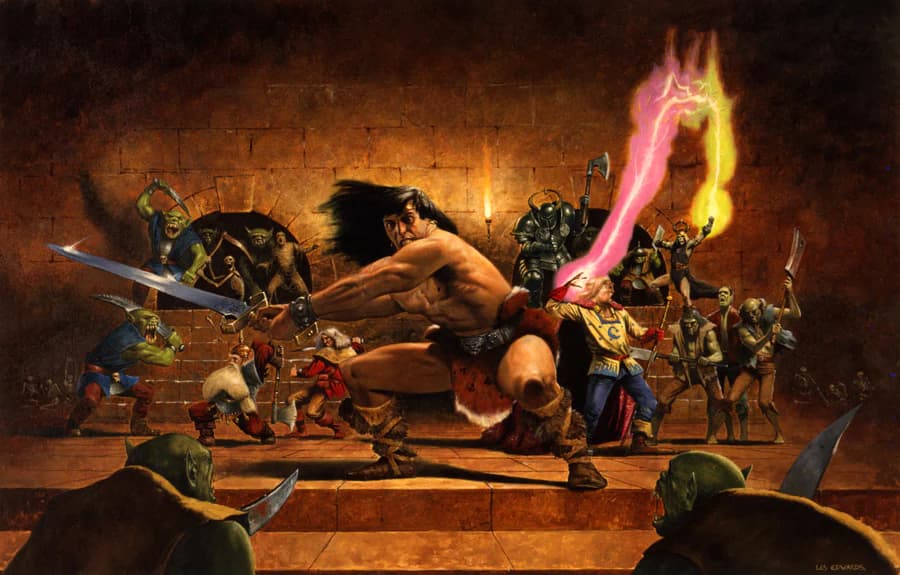
1989HeroQuest is the quintessential fantasy dungeon-crawling experience, famously designed to act as a bridge between traditional board games and the complex world of tabletop role-playing games. Originally released in 1989 through a collaboration between Milton Bradley and Games Workshop, the game places one player in the role of the malevolent gamemaster—known as Zargon in North America or Morcar in Europe—while the remaining players take on the roles of four legendary heroes: the Barbarian, the Dwarf, the Elf, and the Wizard. The primary goal is to successfully navigate a series of perilous underground labyrinths, completing specific mission objectives such as rescuing a captive, recovering a magical relic, or defeating a powerful boss, all while surviving the monsters and hazards lurking in the shadows.
The gameplay is driven by a scenario book that outlines distinct quests. Each hero's turn involves moving and performing an action. Movement is determined by rolling two standard six-sided dice, adding a layer of unpredictability to every trek through the dark corridors. Actions include attacking enemies, casting powerful spells from a limited deck, or searching the immediate area for treasure, secret passages, and deadly traps. A standout mechanic is the use of specialized combat dice, which feature skulls for hits and shields for defense, making combat resolution intuitive and visually immediate. The gamemaster controls the 'fog of war,' populating the board with detailed 3D furniture and plastic miniatures only when the heroes enter a room or line of sight, which maintains a constant atmosphere of mystery and tension.
The appeal of HeroQuest lies in its evocative presentation and its ability to deliver a rich, narrative-driven experience without overwhelming players with dense rulebooks. It popularized the 'dungeon crawl' genre for a mainstream audience, thanks in large part to its iconic components—including stone tombs, weapon racks, and treasure chests—that brought the game world to life on the tabletop. It strikes a perfect balance between simplicity and depth, offering enough tactical variety to keep seasoned players engaged while remaining accessible enough for younger audiences or newcomers. This enduring charm has cemented its status as a 'grail game' for collectors and a beloved classic that defined the fantasy board gaming landscape for a generation.
2-5 90m⚖️ 2.1
RANK #12,006
Trench Crusade
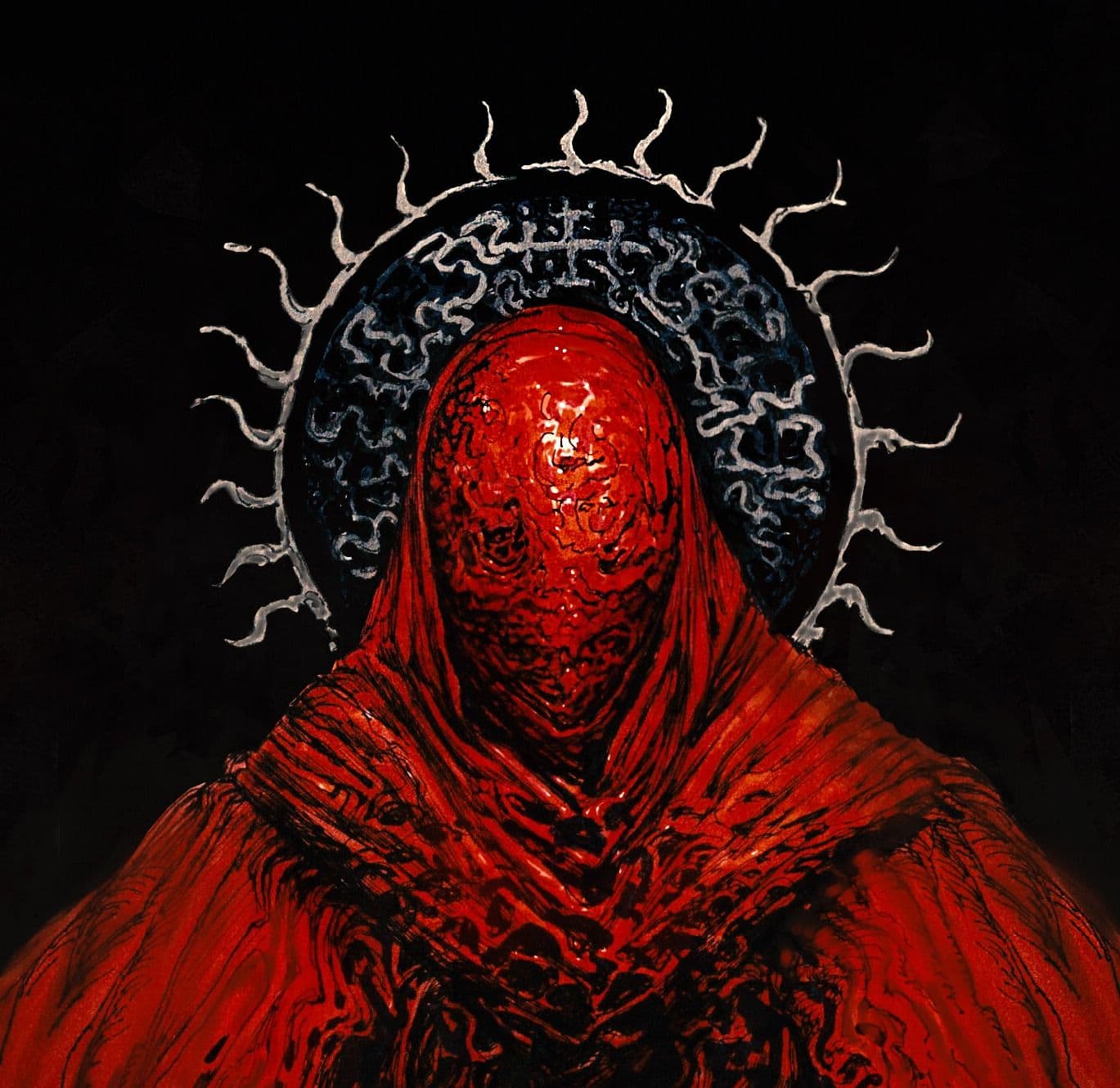
2025Trench Crusade plunges players into a horrifying alternate history where the divine fervor of the First Crusade inadvertently tore open a gateway to Hell. Now, centuries later in the year 1914, the holy war has devolved into a perpetual, grinding conflict of attrition fought in muddy, blood-soaked trenches. In this 32mm skirmish-level wargame, you command a small, desperate warband of either holy crusaders or demonic heretics. The goal is not simply to annihilate the enemy but to achieve specific objectives in narrative-driven scenarios. Survival is paramount, as the game is designed around a robust campaign system where your fighters grow, suffer permanent injuries, and forge a unique story across a series of interconnected battles on claustrophobic battlefields.
The gameplay of Trench Crusade is designed to be both dynamic and tense. Played on a compact 3'x3' or 4'x4' board, the game utilizes an alternating activation system, where players take turns activating a single model. This ensures constant engagement and tactical back-and-forth, eliminating downtime. At the heart of the game is a straightforward 2d6 dice system; most actions require a roll of 7 or higher to succeed. This core mechanic is elegantly modified by 'Bonus Dice' and 'Penalty Dice', which have players roll extra dice and select the two highest or lowest results, respectively. A key feature is the risk-reward tension of 'Risky' actions—powerful maneuvers that, if failed, immediately end that model's activation. Furthermore, the game eschews traditional hit points for a more narrative 'Blood Marker' system, where wounds make a model more vulnerable to future attacks and tactical penalties.
The unique appeal of Trench Crusade lies in its masterful fusion of a rich, grimdark atmosphere with accessible yet deep gameplay. The project is a collaboration of industry veterans, including designer Tuomas Pirinen, celebrated for his work on the cult classic *Mordheim*, and visionary artist Mike Franchina, whose style defines the game's brutal aesthetic. While designed for one-off skirmishes, the game truly shines in its campaign mode. Here, players become deeply invested in their warbands, tracking experience, acquiring new wargear, and dealing with the lasting consequences of battle. This focus on narrative progression and emergent storytelling, combined with rules that are easy to grasp but offer significant strategic depth, creates a compelling experience for wargamers who crave a world they can truly inhabit and shape through their victories and defeats.
2-8 90m⚖️ 2.8