Economic Games
Browse all Economic board games in the Meeple Pulse database.
Styles
Themes
AbstractAdventureAncientAnimalsArtBusinessCard GameCo-operativeComic BookCooperativeCrimeEconomicEnvironmentalismExplorationFantasyHistoricalHorrorHumorIntrigueLiteraryMagicMarvelMedievalModernMuseumMysteryMythologyNatureNauticalPoliticalPress Your LuckSatireSci-FiSocial CommentarySocial InteractionSpaceSuperheroesThematicTravelWarWesternWord-Guessing
Mechanics
3D PlacementActingAction / DexterityAction DraftingAction Point AllowanceAction Point Allowance SystemAction Point SystemAction PointsAction ProgrammingAction QueueAction RetrievalAction SelectionAction/EventAlliancesAlternate ActivationApp-AssistedApp-DrivenArea ControlArea InfluenceArea MajorityArea Majority / InfluenceArea MovementArgumentationAsymmetricAsymmetric FactionsAsymmetric GameAsymmetric PowersAsymmetrical PowersAuction & BiddingAuction/BiddingAuctioningBag BuildingBettingBetting and BluffingBetting and WageringBetting and WagersBiddingBingoBlind BiddingBluffingCampaign / Battle Card DrivenCampaign / LegacyCampaign / Legacy GameCampaign / Mission-basedCampaign / ScenariosCampaign GameCampaign PlayCard DraftingCard DrawingCard DrivenCard Driven ActionCard Driven CombatCard Driven Dice AllocationCard Driven MovementCard ManagementCard PlayCard Play / Hand ManagementCard Play Conflict ResolutionCard SheddingCard-Driven MovementCharacter CreationCharacter ProgressionChit-Pull SystemCo-op PlayCo-operative GameCo-operative PlayCode-breakingCombat ResolutionCombo ChainCommand CardsCommodity SpeculationCommunication LimitsContract FulfillmentContractsCooperative GameCooperative GameplayCooperative PlayCooperative Trick-takingDebateDeck BuildingDeck ConstructionDeck, Bag, and Pool BuildingDeck-BuildingDeductionDexterityDice DraftingDice PlacementDice RollingDiplomatic InfluenceDraftingDynamic Battle SystemEnclosureEnd Game BonusesEngine BuildingEngine-BuildingEscape RoomEvent DrivenExplorationFarmingFlip and WriteFollowFollow ActionGrid CoverageGrid MovementHand ManagementHex-and-CounterHexagon GridHidden MovementHidden RolesI Cut You ChooseIncomeInfluence / Area MajorityLadder ClimbingLegacyLegacy ElementsLegacy GameLegacy SystemLimited CommunicationLine DrawingLine of SightMancalaMap MovementMarketMarket DraftingMarket ManipulationMarket MechanicMarket SpeculationMatchingMeasurement MovementMemoryMission ObjectivesModular BoardModular Board ConstructionMovement TemplatesMulti-Use CardsMulti-use CardsMultiple ScenariosMust FollowNarrative ChoiceNarrative Choice / ParagraphNegotiationNegotiation MechanicsNetwork & Route BuildingNetwork BuildingNetwork and Route BuildingOne vs ManyOne vs. ManyOpen DraftingPaper-and-PencilPartnershipsPattern BuildingPattern RecognitionPick-up and DeliverPlayer EliminationPlayer InteractionPlayer JudgePoint SaladPoint to Point MovementPolyominoesPush Your LuckPush-Your-LuckPuzzlePuzzle-LikePuzzle-SolvingRaceReal-TimeRecipe FulfillmentResource ManagementRole PlayingRole SelectionRoll / Spin and MoveRondelRoute BuildingRoute-BuildingRoute/Network BuildingSanity SystemScenario / Campaign PlayScenario / Mission / Campaign GameScenario / Mission FunctionSecret Unit DeploymentSemi-Cooperative GameSet CollectionSheddingSimulationSimultaneous ActionSimultaneous Action SelectionSimultaneous Hidden AllocationSocial DeductionSocial InteractionSolo / Solitaire GameSpace ExplorationStat Check / Skill CheckStock HoldingStorytellingStrategic PlanningTableau BuildingTactical Decision-MakingTake ThatTargeted CluesTeam PlayTeam-Based GameTeam-Based GuessingTeamworkTech TreesTech Trees / Tech TracksTechnology & Armament TracksTechnology TreeTension & Aggression TracksTile DraftingTile LayingTile PlacementTime TrackTime TravelTower DefenseTrack MovementTradingTrick-takingTug of WarTurn Order: PassTurn Order: Stat-BasedUnit PlacementVariable Phase OrderVariable Player PowersVariable Set-upVariable SetupVictory Point TracksVotingWord AssociationWord GameWord GuessingWord-GuessingWord-guessingWordplayWorker Placement
BoxNo Cover Art
RANK #85
Endeavor: Deep Sea is an acclaimed mid-weight strategy Eurogame that submerges players into the world of oceanic research. Each participant takes the helm of a burgeoning research institute, tasked with the grand ambition of exploring the planet's final frontier. The primary objective is to earn prestige by conducting groundbreaking research, discovering new underwater locations, and championing marine conservation. Success requires a delicate balance between expanding your institute's scientific capabilities and making a tangible impact on the shared seascape. Recognized with the prestigious Kennerspiel des Jahres award, the game challenges players to think strategically about sustainable development and the preservation of delicate aquatic ecosystems, making every decision impactful.
The gameplay unfolds over six rounds in a structured, yet dynamic, sequence. Each round begins with a Preparation Phase, where players bolster their operations by recruiting specialists like divers and scientists, gaining action discs that fuel their turns, and readying their existing team for the tasks ahead. This flows into the Action Phase, where players take turns spending their discs to activate specialists and perform one of five key actions. These include 'Travel' to move a submarine across the modular board, 'Sonar' to discover and place new ocean tiles, 'Dive' to collect valuable research tokens, 'Journal' to acquire cards with endgame scoring goals, and 'Conservation' to protect marine life for various rewards. Players also contribute to a communal "Impact Board," which provides immediate bonuses and influences final scoring.
What makes Endeavor: Deep Sea so compelling is its remarkable blend of accessibility and strategic depth. The game’s unique appeal stems from its significant replayability, driven by a modular board that ensures no two expeditions are the same and ten distinct missions that alter starting conditions and objectives. Its flexible design supports competitive, cooperative, and solo play, making it a versatile choice for any gaming group. The central tension between building your institute’s 'engine'—improving its range and capabilities—and using those abilities to score points on the board creates a deeply engaging puzzle. The strong thematic integration, where every action feels connected to the narrative of deep-sea exploration, elevates the experience from a simple abstract puzzle to a memorable aquatic adventure.
1-4 90m⚖️ 3.3

RANK #126
Carnegie
2022Step into the shoes of an aspiring magnate during America's Gilded Age in *Carnegie*, a board game inspired by the legendary industrialist and philanthropist Andrew Carnegie. In this medium-heavy economic Eurogame, you are tasked with building a business empire from the ground up. Over the course of 20 rounds, you will manage employees, develop new technologies, invest in real estate across the nation, and expand your transport network. The ultimate goal is not just to be the wealthiest, but to build the most prestigious enterprise. Victory is determined by points earned through savvy business growth, strategic construction, and, crucially, generous contributions to society, proving that true success lies in both industry and philanthropy.
The gameplay is driven by a clever and highly interactive action-selection mechanism. Each round, the active player chooses one of four actions corresponding to a department in their company, and critically, all other players must also perform that same action. The 'Human Resources' department allows you to move your employees on your personal player board to activate different areas for future turns. 'Management' is used to acquire essential goods and money. 'Construction' lets you build new projects and expand your company's network on the main game board, while 'Research & Development' advances your company's technology, unlocking powerful new abilities and scoring paths. This system forces constant engagement and requires you to strategically anticipate your rivals' needs and intentions while optimizing your own.
What truly sets *Carnegie* apart is its brilliant integration of business acumen with philanthropic duty. Throughout the game, players are presented with opportunities to donate their wealth to charitable causes. This isn't merely a thematic element; these donations are a core mechanism for unlocking significant end-game scoring objectives. This creates a compelling strategic tension: do you reinvest your profits for immediate expansion and engine-building, or do you sacrifice short-term gains for long-term prestige and victory points? This dual focus, combined with the shared action system that ensures no downtime, makes for a deeply rewarding and thinky experience where every decision matters, not just for you, but for everyone at the table.
1-4 120m⚖️ 4.1
RANK #147
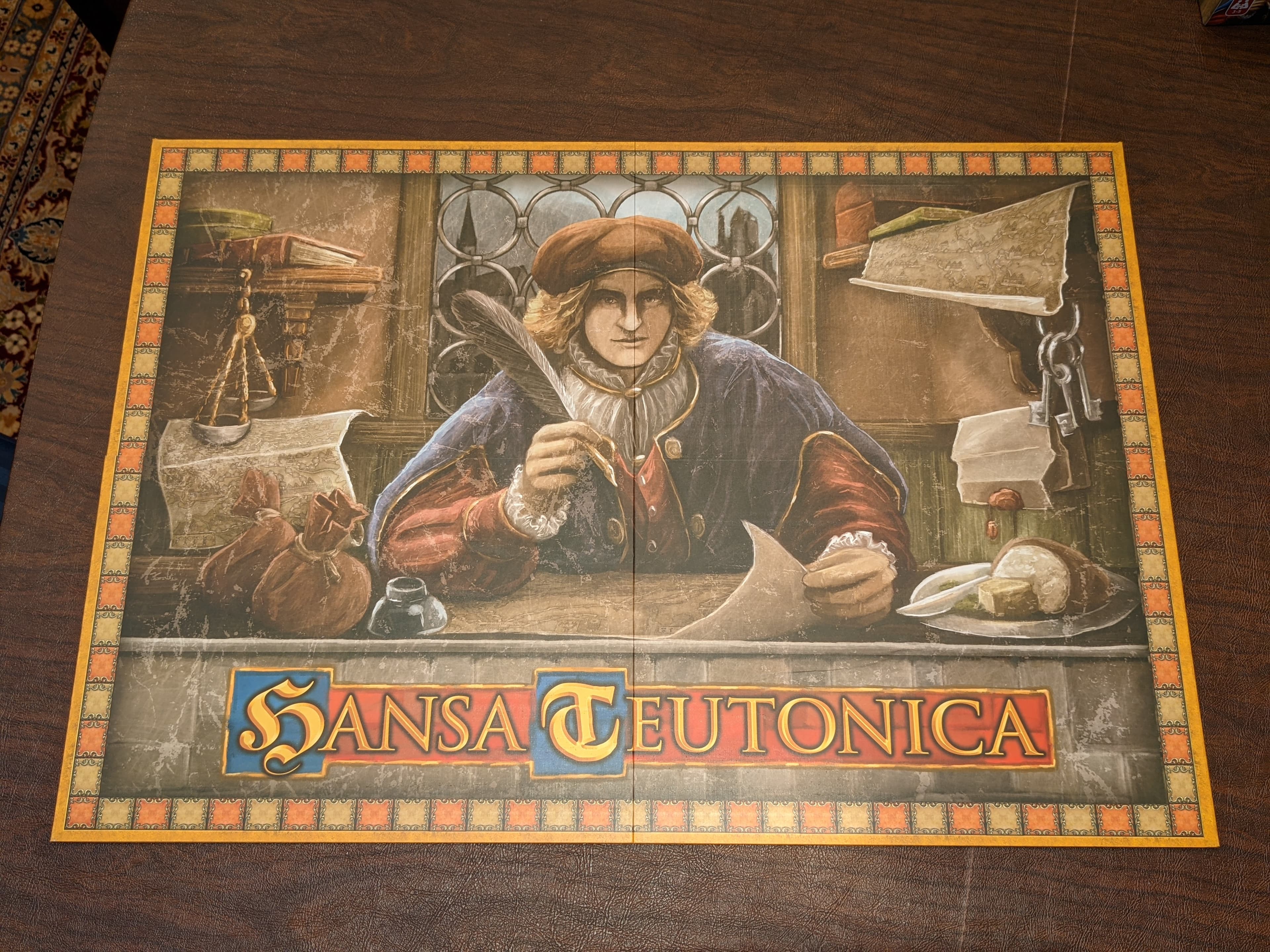
Hansa Teutonica
2009Hansa Teutonica plunges players into the bustling medieval world of the Hanseatic League. In this acclaimed German-style strategy game, you are a merchant striving for prestige by establishing a formidable trade network across Germany. The goal is not merely to accumulate wealth, but to earn the most prestige points, solidifying your legacy as the most influential trader in the league. Victory is achieved by shrewdly connecting cities, controlling valuable territories, and enhancing your personal trading capabilities. It's a game celebrated for its deep strategy and cutthroat player interaction, where every move can be an opportunity for you or a devastating setback for a rival. The path to victory is multifaceted, demanding adaptability and careful planning from start to finish.
Gameplay is elegantly simple on the surface but offers immense tactical depth. On your turn, you perform a limited number of actions, a number you can increase by developing your abilities. The primary actions revolve around placing your traders on the routes connecting the various cities on the map. To establish a presence, you can claim an empty spot or, more confrontationally, displace an opponent's trader by paying an additional resource. This displacement mechanic is central to the game's interactive nature, as the ousted player gets to relocate their piece—and another from their supply—to adjacent routes, often turning a rival's aggressive move into an unexpected advantage. Once you've populated an entire route with your traders, you can complete it. This crucial action allows you to either place a permanent trading post in an adjacent city, scoring points and expanding your network, or upgrade one of the skills on your personal player board, your 'escritoire,' unlocking more powerful actions, a larger supply of traders, or better scoring opportunities.
The enduring appeal of Hansa Teutonica lies in its masterful blend of straightforward rules and profound strategic possibilities. It is often hailed as a 'sandbox' Eurogame, where the board is a canvas for players to forge their own paths to victory without being locked into a single strategy. The constant, direct interaction ensures that no two games are alike. Players must perpetually watch their opponents, reacting to their network expansions and anticipating their moves. The tension between building a long-term engine by upgrading your skills versus scoring immediate points by establishing trading posts creates a compelling decision space every single turn. The game's variable end-game triggers—reaching a prestige threshold, filling a number of key cities, or depleting the bonus markers—ensure that the pace is always player-driven, leading to a dynamic and highly replayable experience that rewards cleverness, opportunism, and adaptability above all else.
2-5 75m⚖️ 3.2
RANK #150
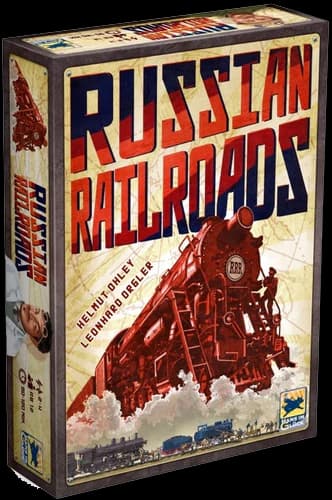
In Russian Railroads, players step into the roles of ambitious railway magnates competing to build the most advanced and expansive rail network across the vast expanse of 19th-century Russia. The primary goal is to accumulate the most victory points by developing three key railway lines on your personal player board: the legendary Trans-Siberian Railroad, and two smaller but crucial lines to St. Petersburg and Kiev. This is a quintessential 'Euro-style' game, where strategic planning, resource management, and efficient action selection are paramount. Victory isn't just about reaching the end of the track first; it's about creating a powerful, point-scoring engine that will leave your rivals in the dust, with final scores often soaring into the hundreds.
The game's engine is driven by a classic worker placement mechanism. Each round, players take turns deploying their workers to a shared central board to claim actions. These actions are the lifeblood of your enterprise, allowing you to lay progressively more valuable tracks, from basic black rails to superior white ones. To capitalize on your expanding network, you must also upgrade your locomotives, as they determine how far along a track you can actually score points. Beyond the rails, players can advance on an industrialization track to unlock powerful bonuses and hire specialized engineers who grant unique, game-long advantages. Every decision is critical, as action spaces are limited, creating a tense and interactive environment where you must constantly adapt to your opponents' strategies.
Russian Railroads is celebrated for its remarkable strategic depth and high replayability. While several paths to victory exist—focusing on a single super-powered rail line, balancing all three, or pushing industrialization—the game's tight, often described as 'vicious,' worker placement system ensures no single strategy is always dominant. Players love the puzzle-like challenge of optimizing their turns and the immense satisfaction of seeing their carefully constructed engine pay off with massive point gains in the later rounds. Its reputation as a challenging, 'thinky' game makes it a beloved staple for gamers who crave a deep, competitive experience with a rewarding and climactic finish.
2-4 120m⚖️ 3.6
RANK #177
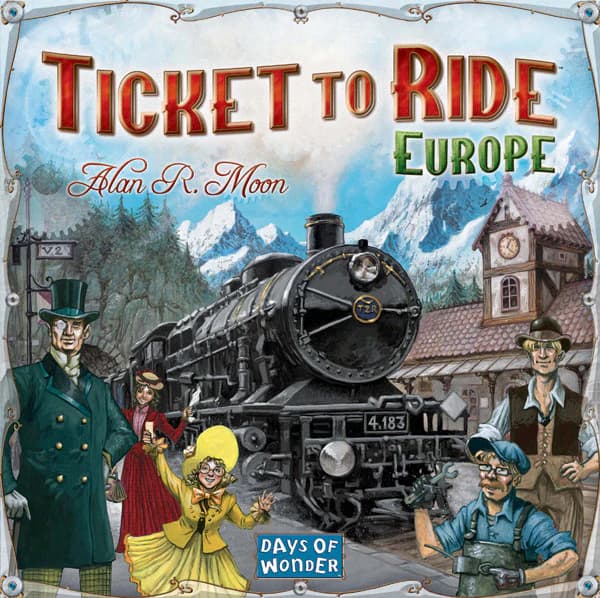
Ticket to Ride: Europe transports players to the golden age of steam travel at the turn of the 20th century. In this standalone installment of the beloved train adventure series, you are not just a passenger but a budding railway tycoon, competing to build the most impressive rail network across the continent. The ultimate goal is to amass the most points by the end of the game. This is achieved through a combination of strategically claiming routes between iconic European cities, successfully connecting distant destinations specified on secret ticket cards, and constructing the longest continuous path of trains for a substantial end-game bonus. Each decision matters as you race against your rivals to dominate the railways, from the misty hills of Edinburgh to the sun-drenched shores of Constantinople.
The game is celebrated for its elegant and accessible ruleset. On your turn, you choose one of four simple actions: draw more train car cards, claim a route on the board, draw new destination tickets, or build a train station. Claiming a route involves collecting and playing a set of train car cards that match the color and length of the desired path, earning you immediate points. This Europe-centric version introduces several clever mechanics that add new layers of strategy. Ferries are special sea routes that require powerful locomotive (wild) cards to claim. Tunnels introduce a thrilling push-your-luck element; when you try to build through a mountain, you must draw extra cards from the deck, potentially increasing the cost of the route unexpectedly. Finally, the introduction of Train Stations provides a strategic safety net, allowing you to use a single route segment owned by an opponent to help complete one of your own destination tickets, though at the cost of end-game points for unused stations.
Ticket to Ride: Europe has earned its place as a cornerstone of modern board gaming, largely due to its status as a premier 'gateway' game. It's incredibly easy to teach to newcomers and families, with games often concluding in under an hour, yet it offers enough strategic depth to keep veteran gamers engaged. The core tension between building your own network and inadvertently blocking opponents creates a compelling and interactive experience without direct confrontation. The additions of tunnels, ferries, and stations subtly enhance the original's formula, providing more varied decisions and reducing the frustration of being completely cut off from a critical city. This perfect balance of simplicity, strategy, and high replayability makes it a timeless classic that continues to bring people to the table for another journey across Europe.
2-5 60m⚖️ 1.9
RANK #240
Originally released as Railroad Tycoon, Railways of the World is a quintessential 'train game' that tasks players with building the most successful and profitable railway empire. A more approachable and streamlined version of Martin Wallace's heavier game, Age of Steam, it challenges players to become titans of the 19th-century railroad industry. The goal is to accumulate the most victory points by the end of the game, which are primarily earned by making lucrative deliveries of goods between burgeoning cities. Players must balance aggressive expansion and operational efficiency, managing their finances carefully to lay track, upgrade their locomotives, and fulfill valuable contracts before their rivals can claim them.
The gameplay is structured over a series of rounds, each containing three distinct phases. First, players participate in a crucial auction to determine the turn order for the round, a phase where bidding aggressively can grant a significant strategic advantage. Next is the action phase, the heart of the game, where players take turns performing actions like building track tiles to expand their network across the hex-grid map, upgrading their engines to haul goods over longer distances, and delivering goods cubes by picking them up from one city and moving them to another along their connected routes. A key interactive element is that players can use their opponents' tracks for a delivery, but the track owner earns the points for that portion of the journey. Players can also take on debt by issuing bonds to gain an immediate influx of cash, but this will cost them income and victory points later on.
Railways of the World is beloved for its grand scale and high level of player interaction, which keeps all participants engaged throughout the game. The auction mechanism ensures tense decisions from the very start of each round, while the shared network system creates indirect competition and strategic dilemmas. Do you build a critical link that an opponent might exploit, or do you focus on a more isolated, personal network? This blend of economic management, route optimization, and tactical bidding creates a deeply satisfying and highly replayable experience. With its impressive table presence and the tangible reward of watching your rail network snake across the board, it has cemented its status as a masterpiece in the economic strategy genre.
2-6 120m⚖️ 3.2