Space Games
Browse all Space board games in the Meeple Pulse database.
Styles
Themes
AbstractAdventureAncientAnimalsArtBusinessCard GameCo-operativeComic BookCooperativeCrimeEconomicEnvironmentalismExplorationFantasyHistoricalHorrorHumorIntrigueLiteraryMagicMarvelMedievalModernMuseumMysteryMythologyNatureNauticalPoliticalPress Your LuckSatireSci-FiSocial CommentarySocial InteractionSpaceSuperheroesThematicTravelWarWesternWord-Guessing
Mechanics
3D PlacementActingAction / DexterityAction DraftingAction Point AllowanceAction Point Allowance SystemAction Point SystemAction PointsAction ProgrammingAction QueueAction RetrievalAction SelectionAction/EventAlliancesAlternate ActivationApp-AssistedApp-DrivenArea ControlArea InfluenceArea MajorityArea Majority / InfluenceArea MovementArgumentationAsymmetricAsymmetric FactionsAsymmetric GameAsymmetric PowersAsymmetrical PowersAuction & BiddingAuction/BiddingAuctioningBag BuildingBettingBetting and BluffingBetting and WageringBetting and WagersBiddingBingoBlind BiddingBluffingCampaign / Battle Card DrivenCampaign / LegacyCampaign / Legacy GameCampaign / Mission-basedCampaign / ScenariosCampaign GameCampaign PlayCard DraftingCard DrawingCard DrivenCard Driven ActionCard Driven CombatCard Driven Dice AllocationCard Driven MovementCard ManagementCard PlayCard Play / Hand ManagementCard Play Conflict ResolutionCard SheddingCard-Driven MovementCharacter CreationCharacter ProgressionChit-Pull SystemCo-op PlayCo-operative GameCo-operative PlayCode-breakingCombat ResolutionCombo ChainCommand CardsCommodity SpeculationCommunication LimitsContract FulfillmentContractsCooperative GameCooperative GameplayCooperative PlayCooperative Trick-takingDebateDeck BuildingDeck ConstructionDeck, Bag, and Pool BuildingDeck-BuildingDeductionDexterityDice DraftingDice PlacementDice RollingDiplomatic InfluenceDraftingDynamic Battle SystemEnclosureEnd Game BonusesEngine BuildingEngine-BuildingEscape RoomEvent DrivenExplorationFarmingFlip and WriteFollowFollow ActionGrid CoverageGrid MovementHand ManagementHex-and-CounterHexagon GridHidden MovementHidden RolesI Cut You ChooseIncomeInfluence / Area MajorityLadder ClimbingLegacyLegacy ElementsLegacy GameLegacy SystemLimited CommunicationLine DrawingLine of SightMancalaMap MovementMarketMarket DraftingMarket ManipulationMarket MechanicMarket SpeculationMatchingMeasurement MovementMemoryMission ObjectivesModular BoardModular Board ConstructionMovement TemplatesMulti-Use CardsMulti-use CardsMultiple ScenariosMust FollowNarrative ChoiceNarrative Choice / ParagraphNegotiationNegotiation MechanicsNetwork & Route BuildingNetwork BuildingNetwork and Route BuildingOne vs ManyOne vs. ManyOpen DraftingPaper-and-PencilPartnershipsPattern BuildingPattern RecognitionPick-up and DeliverPlayer EliminationPlayer InteractionPlayer JudgePoint SaladPoint to Point MovementPolyominoesPush Your LuckPush-Your-LuckPuzzlePuzzle-LikePuzzle-SolvingRaceReal-TimeRecipe FulfillmentResource ManagementRole PlayingRole SelectionRoll / Spin and MoveRondelRoute BuildingRoute-BuildingRoute/Network BuildingSanity SystemScenario / Campaign PlayScenario / Mission / Campaign GameScenario / Mission FunctionSecret Unit DeploymentSemi-Cooperative GameSet CollectionSheddingSimulationSimultaneous ActionSimultaneous Action SelectionSimultaneous Hidden AllocationSocial DeductionSocial InteractionSolo / Solitaire GameSpace ExplorationStat Check / Skill CheckStock HoldingStorytellingStrategic PlanningTableau BuildingTactical Decision-MakingTake ThatTargeted CluesTeam PlayTeam-Based GameTeam-Based GuessingTeamworkTech TreesTech Trees / Tech TracksTechnology & Armament TracksTechnology TreeTension & Aggression TracksTile DraftingTile LayingTile PlacementTime TrackTime TravelTower DefenseTrack MovementTradingTrick-takingTug of WarTurn Order: PassTurn Order: Stat-BasedUnit PlacementVariable Phase OrderVariable Player PowersVariable Set-upVariable SetupVictory Point TracksVotingWord AssociationWord GameWord GuessingWord-GuessingWord-guessingWordplayWorker Placement
RANK #5,532
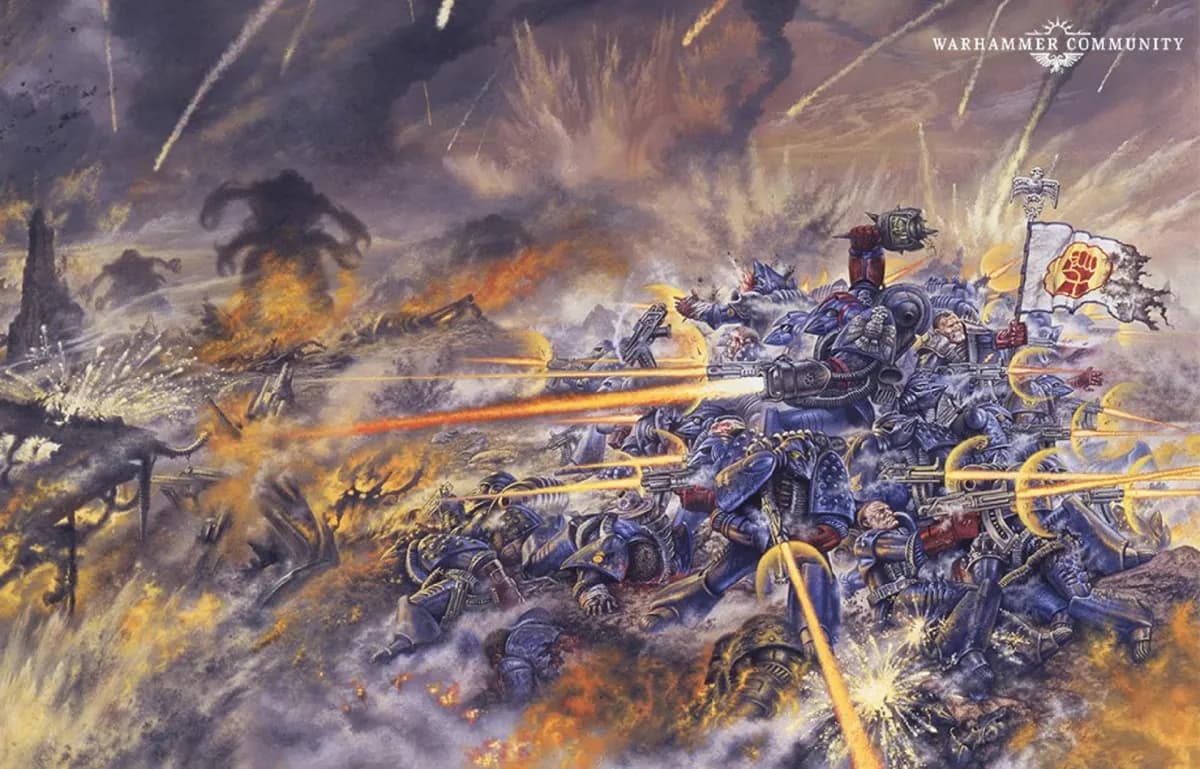
Warhammer 40,000: Rogue Trader is the foundational text that birthed the grim dark future, launching a tabletop phenomenon in 1987. Unlike the grand-scale army battles of its successors, this first edition is a unique hybrid, blending the tactical depth of a miniatures wargame with the narrative freedom of a role-playing game. The game is designed for skirmish-level encounters, with each player controlling a small handful of detailed miniatures. A key aspect of its design is the inclusion of a Game Master (GM), who orchestrates the scenarios, controls non-player forces, and serves as the ultimate arbiter of the complex rules. Consequently, the goal of the game is fluid and scenario-dependent. Victory is not always about simple annihilation; it can involve completing specific objectives like recovering a lost artifact, assassinating a high-value target, or surviving against overwhelming odds, all within a narrative framework crafted by the GM.
Gameplay in Rogue Trader is a detailed and crunchy affair, unfolding over a structured sequence of turns. Players alternate activating their forces, moving through distinct phases for movement, ranged combat, psychic powers, and brutal hand-to-hand combat. A character's effectiveness is determined by a suite of core statistics—such as Weapon Skill, Ballistic Skill, Strength, and Toughness—that influence dice rolls for nearly every action. The system employs a full range of polyhedral dice (from D4s to D20s) to resolve the outcomes of shooting and melee, adding a layer of granular detail to the conflict. A standout mechanic is the 'Reserve Move', which allows units a second, shorter movement if they forgo other actions, adding a tactical wrinkle to positioning. The GM's role is central, as the core rulebook encourages them to create bespoke missions using random generation tables, rather than providing a set list of pre-defined scenarios.
The enduring legacy of Rogue Trader lies in its ambitious fusion of two distinct gaming genres. It provided wargamers with a system where individual models could gain experience, improve their stats, and develop unique skills over the course of a campaign, effectively blurring the line between a soldier and a character. This emphasis on narrative progression and character development was revolutionary for a miniatures game of its time. The freedom granted to the Game Master to build worlds, create compelling stories, and challenge players with unique situations fosters an incredibly rich and personalized gaming experience. While its dense, detailed ruleset presents a steep learning curve and is considered highly complex, it is this very depth that allows for nuanced tactical decisions and memorable, story-driven moments on the battlefield. It's a game that prioritizes immersive, thematic storytelling over streamlined, competitive play.
2 180m⚖️ 4.3
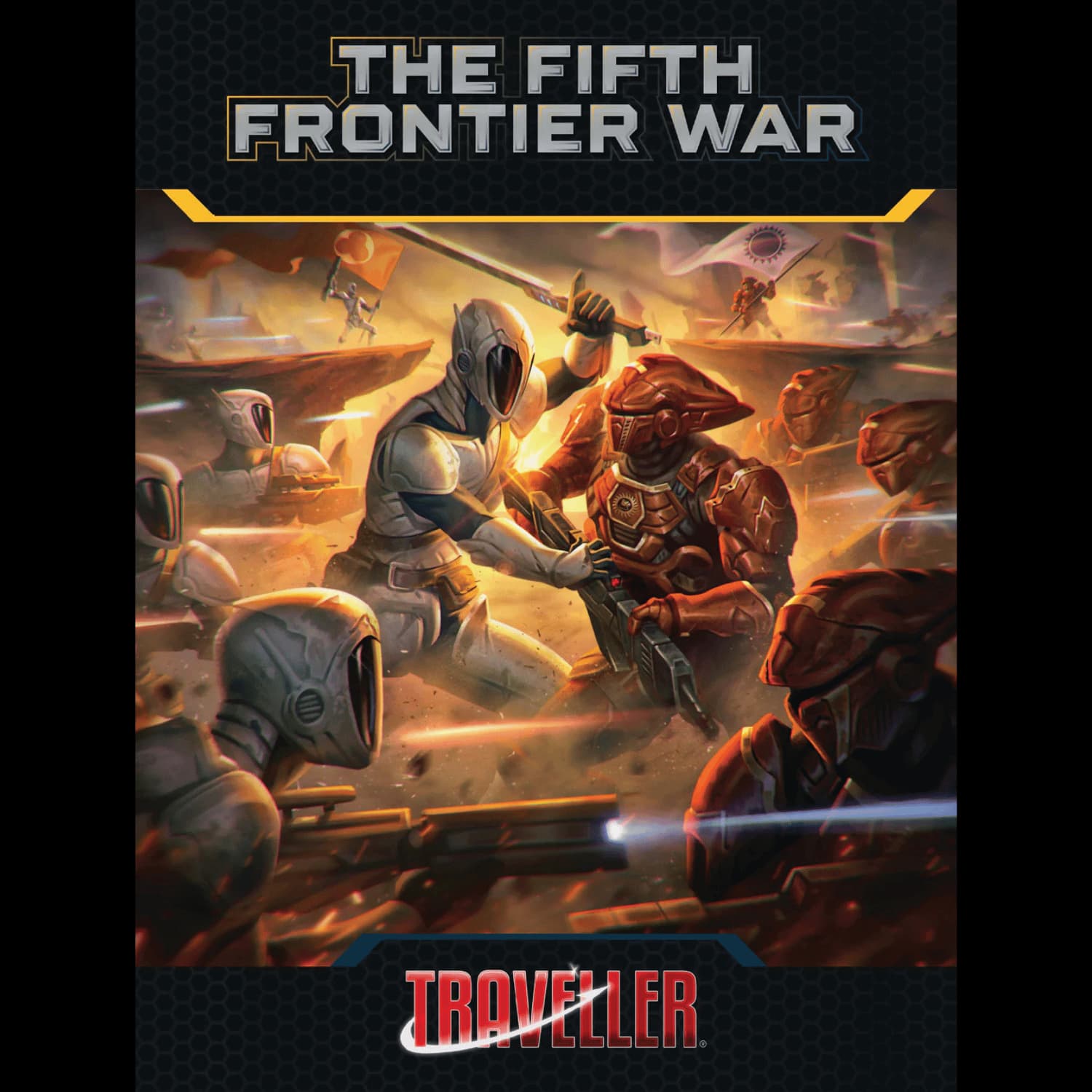
Traveller 5E represents a bold fusion of two legendary tabletop role-playing franchises, adapting the classic, hard science-fiction universe of Traveller into the popular and accessible Dungeons & Dragons 5th Edition ruleset. This is not a self-contained board game, but a comprehensive TTRPG system that empowers a Game Master, or "Referee," to guide a group of players through sandbox-style adventures across a vast and unforgiving galaxy. The goal is open-ended, shifting from session to session; players might be struggling to make mortgage payments on their starship, engaging in interstellar trade, exploring uncharted worlds, or getting entangled in complex political intrigues. The game provides a robust framework for creating these emergent narratives, focusing on the freedom of choice and the realistic consequences of a life lived on the frontiers of space.
The game's mechanical core is the familiar d20 system of 5E, used for resolving skill checks, combat, and saving throws. However, it integrates this foundation with the signature elements that define the Traveller experience. Most notable is the retention of the iconic "lifepath" character creation system. Instead of simply choosing a class, players navigate a series of career terms, gaining skills, contacts, and equipment along the way, but also running the famous risk of suffering injury or even dying before the first session ever begins. Traveller's classic careers are reimagined as 14 distinct backgrounds, supplemented by nine new science-fiction subclasses and an entirely new Psion class. Beyond character creation, the system provides deep, comprehensive rules for starship design, customization, and space combat, as well as procedural generation tools for the Referee to create entire star systems from scratch.
The unique appeal of Traveller 5E lies in its ability to bridge the gap between two different philosophies of game design. It makes the gritty, simulation-heavy world of Traveller accessible to the massive audience familiar with D&D 5E, without entirely sacrificing the depth that made the original a classic. It marries the heroic, action-oriented framework of 5E with the grounded realism and high-stakes survival themes of its source material. For players who love the 5E engine but crave a setting with more advanced technology, detailed vehicle rules, and a focus on exploration and problem-solving over dungeon crawling, Traveller 5E offers a compelling and expansive new universe to explore. It's a toolkit for telling stories about ordinary people trying to make their way in an extraordinary galaxy.
2-7 180m⚖️ 3.8