Mythology Games
Browse all Mythology board games in the Meeple Pulse database.
Styles
Themes
AbstractAdventureAncientAnimalsArtBusinessCard GameCo-operativeComic BookCooperativeCrimeEconomicEnvironmentalismExplorationFantasyHistoricalHorrorHumorIntrigueLiteraryMagicMarvelMedievalModernMuseumMysteryMythologyNatureNauticalPoliticalPress Your LuckSatireSci-FiSocial CommentarySocial InteractionSpaceSuperheroesThematicTravelWarWesternWord-Guessing
Mechanics
3D PlacementActingAction / DexterityAction DraftingAction Point AllowanceAction Point Allowance SystemAction Point SystemAction PointsAction ProgrammingAction QueueAction RetrievalAction SelectionAction/EventAlliancesAlternate ActivationApp-AssistedApp-DrivenArea ControlArea InfluenceArea MajorityArea Majority / InfluenceArea MovementArgumentationAsymmetricAsymmetric FactionsAsymmetric GameAsymmetric PowersAsymmetrical PowersAuction & BiddingAuction/BiddingAuctioningBag BuildingBettingBetting and BluffingBetting and WageringBetting and WagersBiddingBingoBlind BiddingBluffingCampaign / Battle Card DrivenCampaign / LegacyCampaign / Legacy GameCampaign / Mission-basedCampaign / ScenariosCampaign GameCampaign PlayCard DraftingCard DrawingCard DrivenCard Driven ActionCard Driven CombatCard Driven Dice AllocationCard Driven MovementCard ManagementCard PlayCard Play / Hand ManagementCard Play Conflict ResolutionCard SheddingCard-Driven MovementCharacter CreationCharacter ProgressionChit-Pull SystemCo-op PlayCo-operative GameCo-operative PlayCode-breakingCombat ResolutionCombo ChainCommand CardsCommodity SpeculationCommunication LimitsContract FulfillmentContractsCooperative GameCooperative GameplayCooperative PlayCooperative Trick-takingDebateDeck BuildingDeck ConstructionDeck, Bag, and Pool BuildingDeck-BuildingDeductionDexterityDice DraftingDice PlacementDice RollingDiplomatic InfluenceDraftingDynamic Battle SystemEnclosureEnd Game BonusesEngine BuildingEngine-BuildingEscape RoomEvent DrivenExplorationFarmingFlip and WriteFollowFollow ActionGrid CoverageGrid MovementHand ManagementHex-and-CounterHexagon GridHidden MovementHidden RolesI Cut You ChooseIncomeInfluence / Area MajorityLadder ClimbingLegacyLegacy ElementsLegacy GameLegacy SystemLimited CommunicationLine DrawingLine of SightMancalaMap MovementMarketMarket DraftingMarket ManipulationMarket MechanicMarket SpeculationMatchingMeasurement MovementMemoryMission ObjectivesModular BoardModular Board ConstructionMovement TemplatesMulti-Use CardsMulti-use CardsMultiple ScenariosMust FollowNarrative ChoiceNarrative Choice / ParagraphNegotiationNegotiation MechanicsNetwork & Route BuildingNetwork BuildingNetwork and Route BuildingOne vs ManyOne vs. ManyOpen DraftingPaper-and-PencilPartnershipsPattern BuildingPattern RecognitionPick-up and DeliverPlayer EliminationPlayer InteractionPlayer JudgePoint SaladPoint to Point MovementPolyominoesPush Your LuckPush-Your-LuckPuzzlePuzzle-LikePuzzle-SolvingRaceReal-TimeRecipe FulfillmentResource ManagementRole PlayingRole SelectionRoll / Spin and MoveRondelRoute BuildingRoute-BuildingRoute/Network BuildingSanity SystemScenario / Campaign PlayScenario / Mission / Campaign GameScenario / Mission FunctionSecret Unit DeploymentSemi-Cooperative GameSet CollectionSheddingSimulationSimultaneous ActionSimultaneous Action SelectionSimultaneous Hidden AllocationSocial DeductionSocial InteractionSolo / Solitaire GameSpace ExplorationStat Check / Skill CheckStock HoldingStorytellingStrategic PlanningTableau BuildingTactical Decision-MakingTake ThatTargeted CluesTeam PlayTeam-Based GameTeam-Based GuessingTeamworkTech TreesTech Trees / Tech TracksTechnology & Armament TracksTechnology TreeTension & Aggression TracksTile DraftingTile LayingTile PlacementTime TrackTime TravelTower DefenseTrack MovementTradingTrick-takingTug of WarTurn Order: PassTurn Order: Stat-BasedUnit PlacementVariable Phase OrderVariable Player PowersVariable Set-upVariable SetupVictory Point TracksVotingWord AssociationWord GameWord GuessingWord-GuessingWord-guessingWordplayWorker Placement
BoxNo Cover Art
RANK #72
Tzolk'in: The Mayan Calendar is a deeply strategic Eurogame where players assume the roles of Mayan tribal leaders vying for the favor of the gods. The ultimate goal is to accumulate the most victory points by the time the massive central calendar gear completes one full revolution. Victory is achieved through a combination of constructing monumental buildings, advancing on temple tracks, developing crucial technologies, and strategically placing valuable crystal skulls. The game is renowned for its visually stunning and mechanically innovative centerpiece: a series of interlocking gears that dictate the flow of the game, representing the cyclical nature of the Mayan calendar and demanding foresight from its players.
The gameplay is driven by a unique 'dynamic worker placement' mechanism. On their turn, a player makes a simple but crucial choice: either place one or more workers on the starting spots of the five action gears, paying in corn, or retrieve one or more workers already on the board. The twist is that actions are only performed when a worker is *retrieved*. Between turns, the central Tzolk'in gear rotates, advancing all workers to more powerful action spaces. This creates a compelling tension: leaving workers on the gears longer yields better rewards—more resources, more powerful building actions, or greater favor with the gods—but it also means delaying your access to those rewards and potentially running out of workers to place. Players must carefully manage their resources like corn, wood, stone, and gold to fuel their placements and constructions, all while balancing the timing of retrieving their workers for maximum effect.
What makes Tzolk'in a beloved classic is this constant temporal puzzle. It's not just about *what* action to take, but *when*. The rotating gears force a long-term strategic perspective, as players must plan several turns ahead to align their worker retrievals with their goals and available resources. Every turn of the great central gear changes the board state, making each decision impactful and every game a different strategic challenge. This system eliminates randomness in favor of pure strategic planning, rewarding players who can master the rhythm of the calendar. The intricate interplay between resource management, technological advancement, and the ever-ticking clock of the gears provides a rich, challenging, and immensely satisfying experience that has cemented its place as a cornerstone of modern board gaming.
2-4 90m⚖️ 4.0
RANK #120
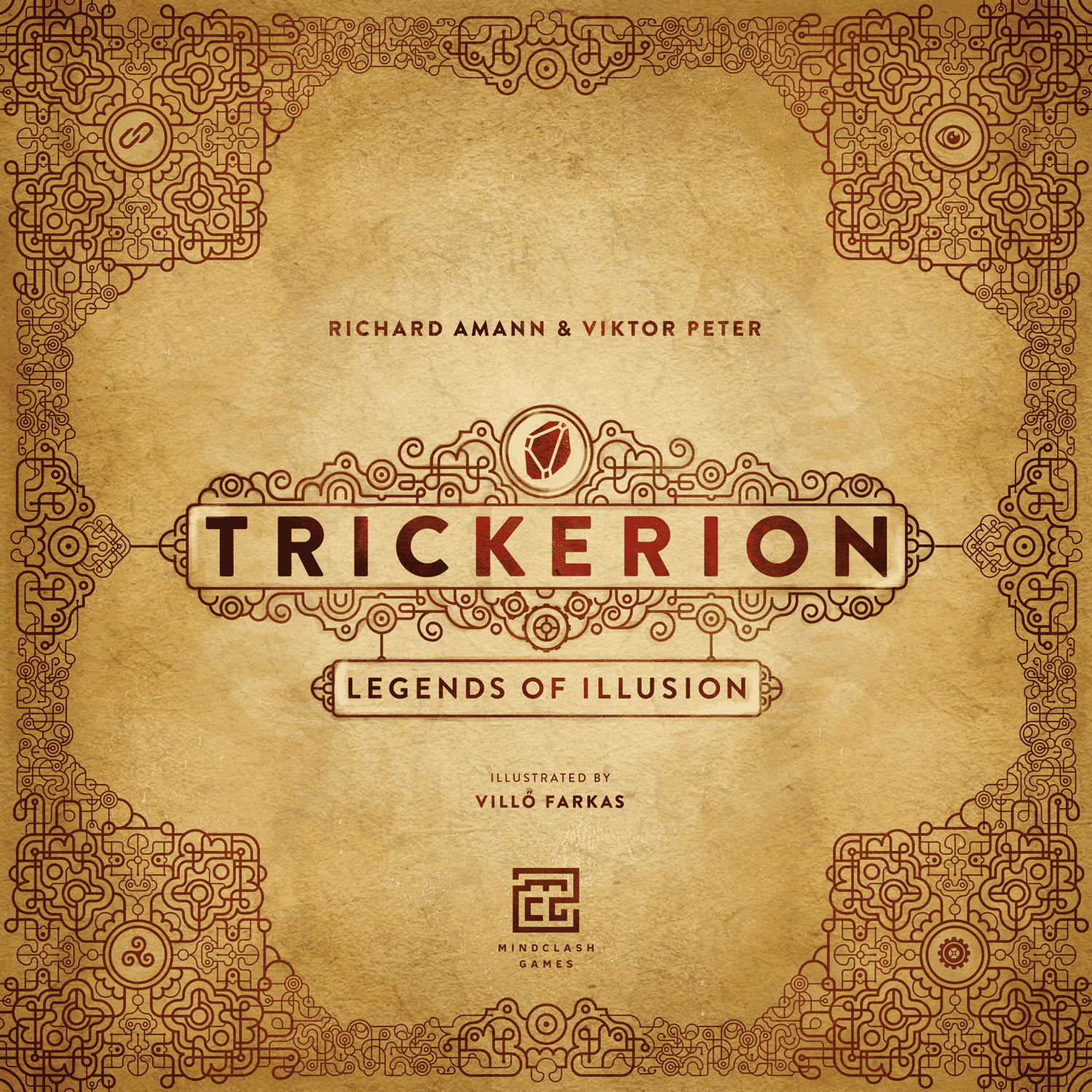
In Trickerion: Legends of Illusion, players take on the roles of illusionists vying for fame and fortune in a mystical world. The game is set in a fantasy realm where magic and deception reign supreme. Players must master various magical disciplines, including illusions, enchantments, and deceptions, to outwit their opponents and gain the most prestige points.
Gameplay involves a combination of strategic planning, resource management, and tactical execution. Each player starts with a unique set of abilities and resources, which they must use to create complex illusions and deceptions. The game features a modular board, composed of interlocking tiles that represent different locations in the mystical world. Players can move their characters through these locations, interacting with other players and resolving challenges.
One of the key mechanics in Trickerion is the 'illusion' system, which allows players to create complex deceptions using various magical disciplines. Players must carefully manage their resources and abilities to create illusions that are convincing enough to deceive their opponents. The game also features a 'reputation' system, where players earn prestige points based on their performance and the quality of their illusions.
Trickerion is a highly strategic game that requires careful planning and execution. Players must balance their short-term goals with long-term strategies, taking into account the ever-changing landscape of the mystical world. The game's unique blend of magic, deception, and strategy makes it an engaging and challenging experience for players.
2-4 60m⚖️ 3.5
BoxNo Cover Art
Cults of Dagon
2017Cults of Dagon is a Lovecraftian-themed board game that delves into the mysteries of ancient deities and forbidden knowledge. Players take on the roles of investigators, seeking to uncover the secrets hidden within the cults of Dagon. The game's goal is to be the first player to collect three Ancient Ones, powerful beings from the Cthulhu Mythos. To achieve this, players must navigate a complex web of alliances and rivalries between different cults, each with its own agenda and motivations.
Gameplay involves resource management, as players must gather clues, artifacts, and knowledge to aid them in their quest. The game also features a unique mechanic known as the 'Sanity System,' which tracks the mental state of each player. As players delve deeper into the mysteries of Dagon, they risk losing their grip on reality, making it increasingly difficult to make rational decisions.
One of the key aspects that sets Cults of Dagon apart from other games is its thematic depth. The game's designers have meticulously crafted a rich and immersive world, drawing inspiration from H.P. Lovecraft's works. This attention to detail creates an atmosphere of foreboding and unease, making players feel like they are truly exploring the unknown.
Cults of Dagon has gained a loyal following among board game enthusiasts due to its unique blend of strategy and thematic depth. Players who enjoy games with complex mechanics and immersive settings will find Cults of Dagon to be an engaging and challenging experience.
m⚖️ 4.0
7th Seal
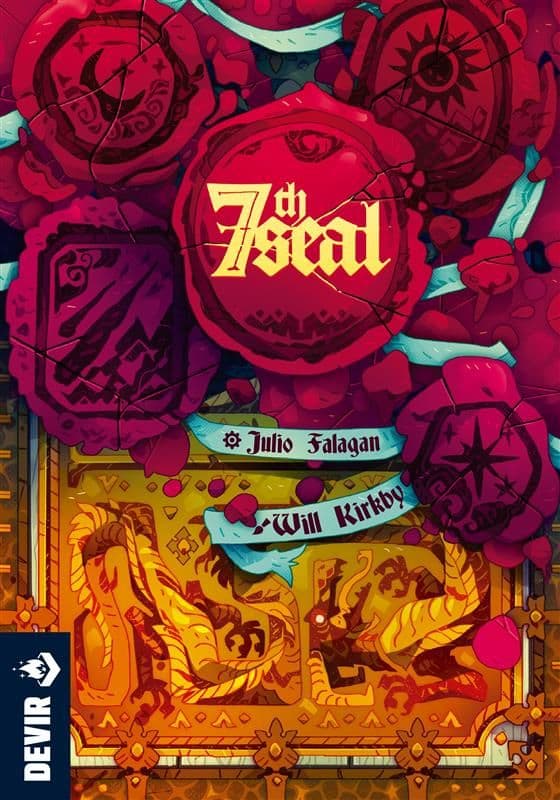
2026In 7th Seal, you stand as humanity's last hope against an impending apocalypse. This highly anticipated solo board game from Devir Games thrusts you into a desperate and thematic struggle for survival. The premise is as grand as it is grim: you must confront the end of days by systematically breaking the seven seals of a divine scroll. However, this is no simple task, as each shattered seal unleashes a new wave of furious beasts and powerful demons, each more terrifying than the last. Your ultimate goal is not merely to survive these encounters, but to prove humanity's worth to a supreme being who holds the world's fate in balance. It is a solitary journey into a demonic endgame, where your strategic prowess is all that stands between mankind and utter oblivion.
The gameplay of 7th Seal is structured as a challenging, dice-driven descent through seven distinct levels, culminating in a final, decisive confrontation. At its core, this is a game of strategic dice management and resource allocation. Each turn, you will be faced with demonic challenges that must be overcome by skillfully manipulating your available dice. The game is designed as a series of escalating 'boss battles', where the challenges grow in complexity and danger with each seal you break. Success hinges on your ability to plan ahead, mitigate poor rolls, and wisely commit your resources to counter the specific threats presented. While the exact combat resolution mechanics are tightly woven into the unfolding narrative, the experience emphasizes thoughtful puzzle-solving over pure luck, demanding that you make difficult choices under immense pressure.
What sets 7th Seal apart is its focused and intense gameplay loop, delivering a deeply strategic and narrative-rich experience within a compact 30 to 45-minute timeframe. Designed by Julio Falagan, the game is a masterclass in creating tension and high stakes for a single player. It appeals directly to gamers who appreciate a significant challenge and a strong thematic core without the need for a multi-hour commitment. The game's medium complexity makes it accessible to a wide range of players, yet it offers substantial strategic depth that promises high replayability. Every session is a test of wit and nerve, a puzzle-like battle against a demonic horde where your ability to adapt and manage your dice is paramount to securing a second chance for the world.
1 40m⚖️ 2.8