Adventure Games
Browse all Adventure board games in the Meeple Pulse database.
Styles
Themes
AbstractAdventureAncientAnimalsArtBusinessCard GameCo-operativeComic BookCooperativeCrimeEconomicEnvironmentalismExplorationFantasyHistoricalHorrorHumorIntrigueLiteraryMagicMarvelMedievalModernMuseumMysteryMythologyNatureNauticalPoliticalPress Your LuckSatireSci-FiSocial CommentarySocial InteractionSpaceSuperheroesThematicTravelWarWesternWord-Guessing
Mechanics
3D PlacementActingAction / DexterityAction DraftingAction Point AllowanceAction Point Allowance SystemAction Point SystemAction PointsAction ProgrammingAction QueueAction RetrievalAction SelectionAction/EventAlliancesAlternate ActivationApp-AssistedApp-DrivenArea ControlArea InfluenceArea MajorityArea Majority / InfluenceArea MovementArgumentationAsymmetricAsymmetric FactionsAsymmetric GameAsymmetric PowersAsymmetrical PowersAuction & BiddingAuction/BiddingAuctioningBag BuildingBettingBetting and BluffingBetting and WageringBetting and WagersBiddingBingoBlind BiddingBluffingCampaign / Battle Card DrivenCampaign / LegacyCampaign / Legacy GameCampaign / Mission-basedCampaign / ScenariosCampaign GameCampaign PlayCard DraftingCard DrawingCard DrivenCard Driven ActionCard Driven CombatCard Driven Dice AllocationCard Driven MovementCard ManagementCard PlayCard Play / Hand ManagementCard Play Conflict ResolutionCard SheddingCard-Driven MovementCharacter CreationCharacter ProgressionChit-Pull SystemCo-op PlayCo-operative GameCo-operative PlayCode-breakingCombat ResolutionCombo ChainCommand CardsCommodity SpeculationCommunication LimitsContract FulfillmentContractsCooperative GameCooperative GameplayCooperative PlayCooperative Trick-takingDebateDeck BuildingDeck ConstructionDeck, Bag, and Pool BuildingDeck-BuildingDeductionDexterityDice DraftingDice PlacementDice RollingDiplomatic InfluenceDraftingDynamic Battle SystemEnclosureEnd Game BonusesEngine BuildingEngine-BuildingEscape RoomEvent DrivenExplorationFarmingFlip and WriteFollowFollow ActionGrid CoverageGrid MovementHand ManagementHex-and-CounterHexagon GridHidden MovementHidden RolesI Cut You ChooseIncomeInfluence / Area MajorityLadder ClimbingLegacyLegacy ElementsLegacy GameLegacy SystemLimited CommunicationLine DrawingLine of SightMancalaMap MovementMarketMarket DraftingMarket ManipulationMarket MechanicMarket SpeculationMatchingMeasurement MovementMemoryMission ObjectivesModular BoardModular Board ConstructionMovement TemplatesMulti-Use CardsMulti-use CardsMultiple ScenariosMust FollowNarrative ChoiceNarrative Choice / ParagraphNegotiationNegotiation MechanicsNetwork & Route BuildingNetwork BuildingNetwork and Route BuildingOne vs ManyOne vs. ManyOpen DraftingPaper-and-PencilPartnershipsPattern BuildingPattern RecognitionPick-up and DeliverPlayer EliminationPlayer InteractionPlayer JudgePoint SaladPoint to Point MovementPolyominoesPush Your LuckPush-Your-LuckPuzzlePuzzle-LikePuzzle-SolvingRaceReal-TimeRecipe FulfillmentResource ManagementRole PlayingRole SelectionRoll / Spin and MoveRondelRoute BuildingRoute-BuildingRoute/Network BuildingSanity SystemScenario / Campaign PlayScenario / Mission / Campaign GameScenario / Mission FunctionSecret Unit DeploymentSemi-Cooperative GameSet CollectionSheddingSimulationSimultaneous ActionSimultaneous Action SelectionSimultaneous Hidden AllocationSocial DeductionSocial InteractionSolo / Solitaire GameSpace ExplorationStat Check / Skill CheckStock HoldingStorytellingStrategic PlanningTableau BuildingTactical Decision-MakingTake ThatTargeted CluesTeam PlayTeam-Based GameTeam-Based GuessingTeamworkTech TreesTech Trees / Tech TracksTechnology & Armament TracksTechnology TreeTension & Aggression TracksTile DraftingTile LayingTile PlacementTime TrackTime TravelTower DefenseTrack MovementTradingTrick-takingTug of WarTurn Order: PassTurn Order: Stat-BasedUnit PlacementVariable Phase OrderVariable Player PowersVariable Set-upVariable SetupVictory Point TracksVotingWord AssociationWord GameWord GuessingWord-GuessingWord-guessingWordplayWorker Placement
RANK #121
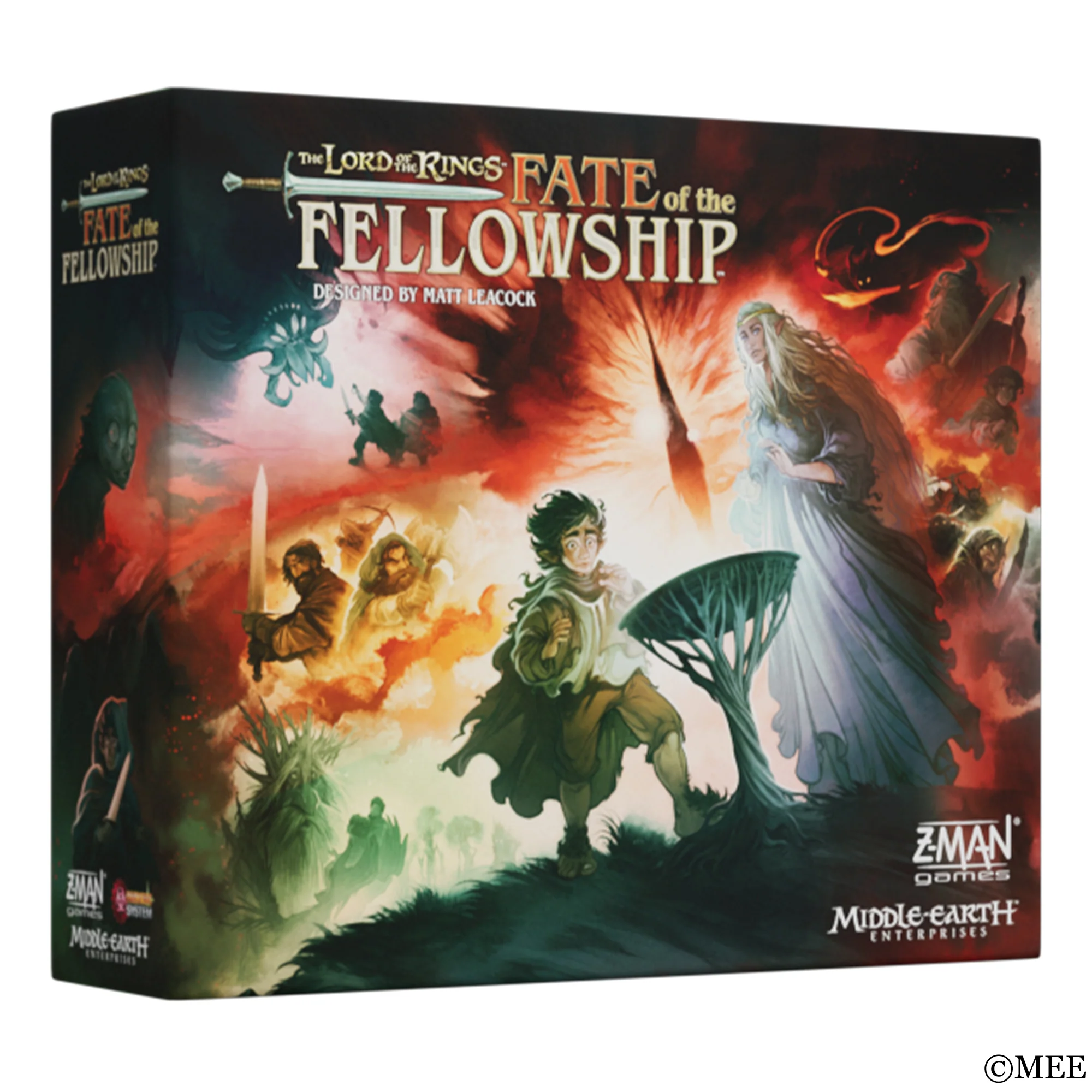
The Lord of the Rings: Fate of the Fellowship immerses one to five players in a desperate, cooperative journey across Middle-earth. In this new narrative-driven adventure from acclaimed designer Matt Leacock, players embody the heroes of Tolkien's epic saga, working together to ensure the One Ring reaches the fires of Mount Doom. The ultimate objective is the Ring's destruction, but this final confrontation can only be attempted after the fellowship successfully navigates three randomly assigned objectives. Players take on the roles of the Fellowship's members and their trusted allies, with each player uniquely controlling a pair of characters from a roster of thirteen, each boasting distinct abilities. The path to victory is fraught with peril, as failure looms if the collective 'Hope' of the fellowship is extinguished. This crucial resource dwindles when safe havens are overrun by darkness, if the Ringbearer is discovered by Sauron's minions, or if the heroes exhaust their resources. It is a race against the encroaching shadow to fulfill their destiny before all hope is lost.
The game's engine is a sophisticated adaptation of the celebrated "Pandemic" system, promising a familiar yet richer mechanical experience. The core gameplay loop involves players strategically spending action points to maneuver friendly forces and their heroes across a detailed map of Middle-earth. These actions are vital for completing the prerequisite missions and pushing back the ever-advancing armies of the Dark Lord. A central element of tension is the constant need to protect Frodo, keeping him concealed from the relentless pursuit of the Nazgûl and the piercing gaze of the Eye of Sauron. This threat is manifested through the 'Shadow Card' deck, a mechanism that functions much like its counterpart in "Pandemic," dictating where Sauron's influence will spread and escalating the danger with each draw. Players must carefully manage their character abilities and card resources to overcome these challenges and clear a path for the Ringbearer.
"Fate of the Fellowship" offers a compelling synthesis of a proven cooperative game system with one of fantasy's most beloved narratives. Its appeal lies in this seamless integration, creating an experience that feels both innovative and deeply thematic. The design has been hailed as Matt Leacock's most mechanically intricate take on the Pandemic framework to date, offering a significant and rewarding challenge for veteran strategy gamers. The unique system of each player managing two distinct heroes introduces a fascinating layer of tactical decision-making and enhances replayability. This constant balancing act—completing grand objectives while simultaneously managing the stealthy, perilous journey of the Ringbearer—generates a persistent sense of urgency and suspense, making it an essential title for fans of cooperative board games and Tolkien's timeless world.
1-5 m⚖️ 3.1
RANK #138
Eldritch Horror
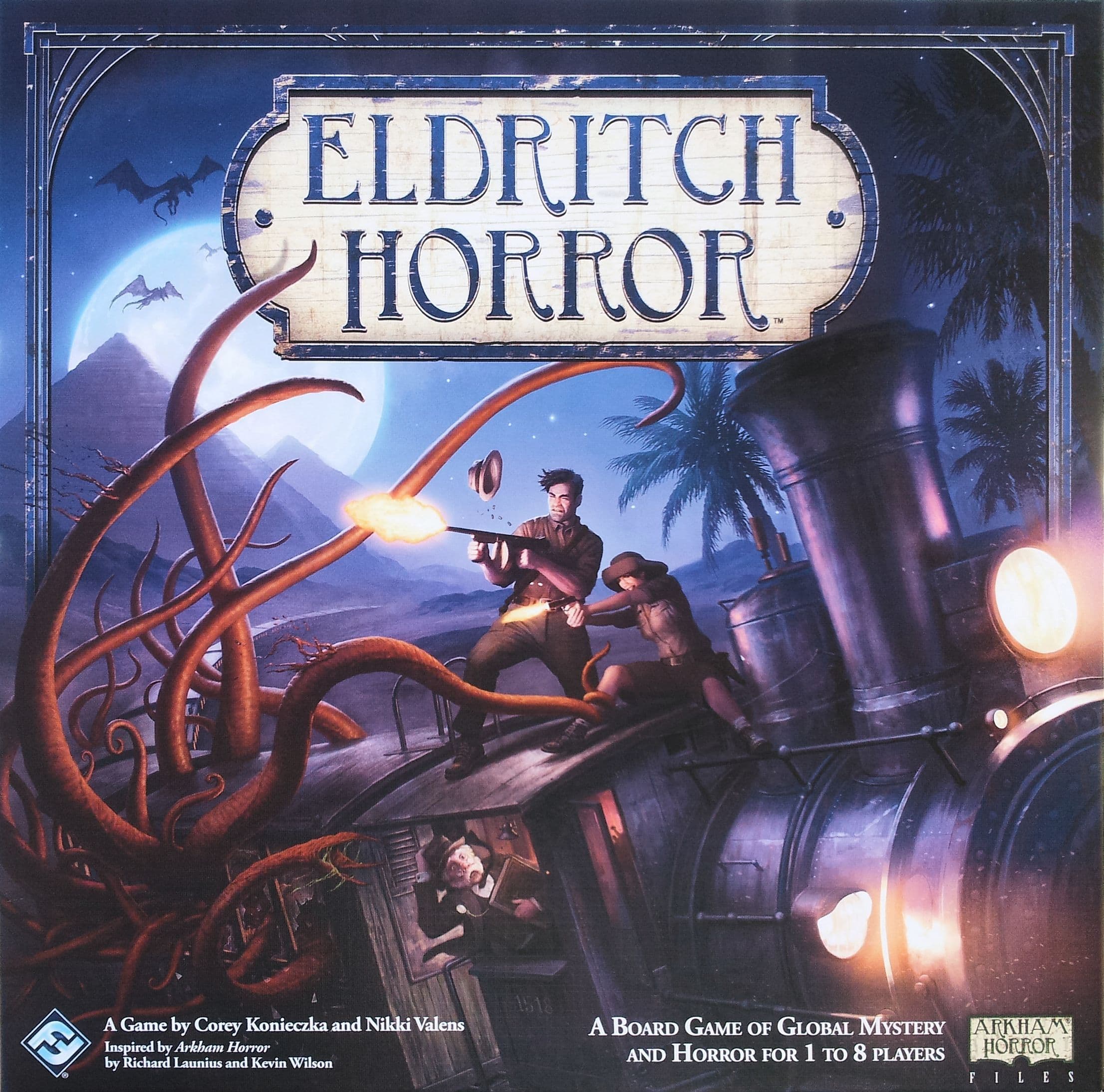
2013Eldritch Horror is a cooperative board game that immerses players in a world of cosmic dread inspired by the writings of H.P. Lovecraft. Taking on the roles of intrepid investigators, participants band together to confront a malevolent entity poised to awaken and consume the world. This is a desperate race against a doomsday clock, not a battle of simple force. The team's primary objective is to traverse the globe, from bustling cities to remote wilderness, in order to solve three distinct mysteries unique to the chosen Ancient One. These mysteries represent the only known way to prevent the creature's arrival. Should the investigators succeed before the ever-advancing doom track reaches zero, they will have saved humanity. Failure, however, means the Ancient One awakens, triggering a final, brutal confrontation.
Gameplay unfolds in rounds composed of three critical phases. First, in the Action Phase, each investigator performs two actions, such as traveling the world map, gathering vital assets like weapons and spells, recuperating health and sanity, or trading with allies. Following this, the Encounter Phase plunges each player into a unique narrative event based on their location. Drawing a card presents a story, a choice, and often a skill test resolved by rolling six-sided dice, where a five or six is a success. Investigators can spend clue tokens to reroll dice, adding a layer of resource management. Finally, the Mythos Phase represents the Ancient One's sinister influence; a new card can introduce devastating effects, spawn monsters, open otherworldly gates, and relentlessly advance the doom track, pushing the world ever closer to oblivion.
What makes "Eldritch Horror" a beloved classic is its epic, globe-spanning scale and the rich, emergent stories it generates. The game turns the entire world into a playground of impending doom, creating a grand sense of adventure. The challenge is significant, fostering true teamwork as players strategize how to best use their unique character abilities and manage limited resources. Every session creates a memorable tale of near-misses, heroic triumphs, and tragic sacrifices. The game's appeal lies in its masterful blend of strategic planning and the unpredictable chaos of the Mythos deck, ensuring high tension from start to finish. It's a daunting adventure that rewards players not just with a win, but with a compelling story they have created together, making it a pinnacle experience for those who love deep narrative and cooperative challenges.
1-8 180m⚖️ 3.8
RANK #292
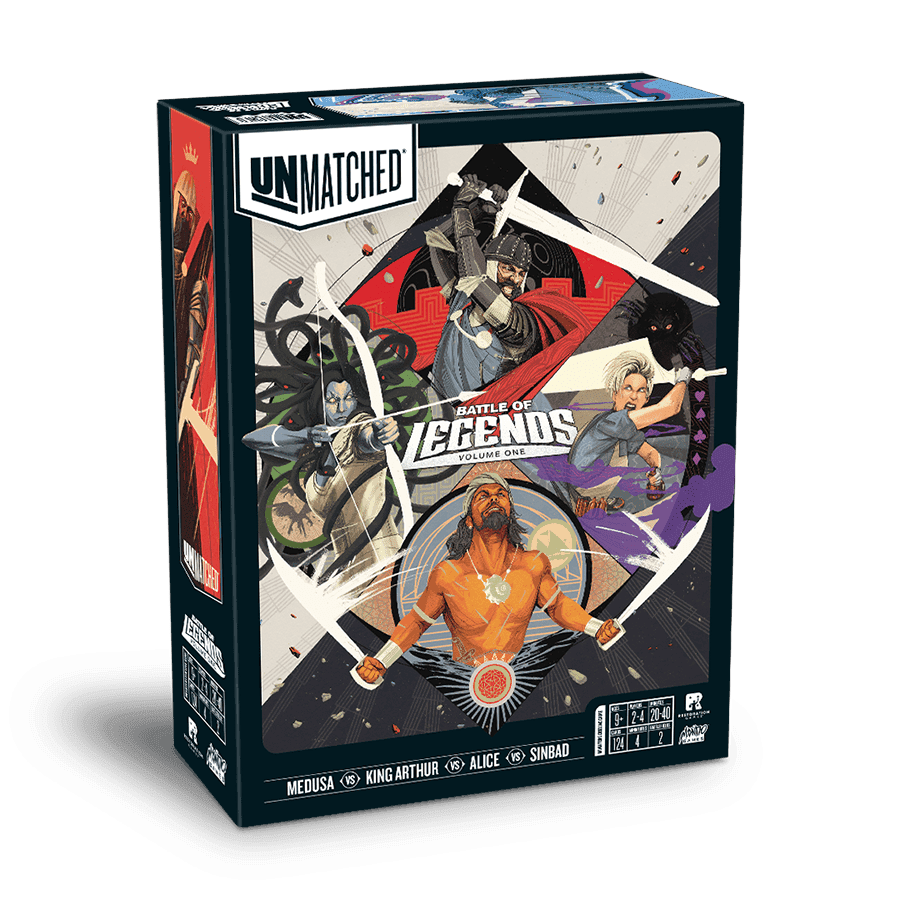
Unmatched: Battle of Legends, Volume One serves as the cornerstone of a widely acclaimed skirmish series, reinventing the tactical combat mechanics originally popularized by the Star Wars: Epic Duels system. This asymmetrical miniature game invites players to pit legendary figures from across folklore, literature, and history against one another in fast-paced duels. Whether it is the mythical Medusa staring down the Victorian Alice or King Arthur clashing with the seafaring Sinbad, the game thrives on the 'what if' scenarios of impossible combat. Each hero is accompanied by unique sidekicks and a specialized deck of cards, ensuring that no two fighters approach the battlefield with the same strategy or strengths.
The gameplay is defined by a 'no-luck' tactical system that replaces traditional dice rolling with strategic card management and precise positioning. On a turn, players must execute exactly two actions, choosing between maneuvering for better positioning, playing powerful utility schemes, or launching aggressive attacks. Movement is governed by a vibrant 'colored zone' system on the board, which simplifies line-of-sight calculations and encourages dynamic kiting or flanking maneuvers. Combat itself is a tense mind game where both the attacker and defender reveal cards simultaneously. Success depends on anticipating an opponent's defense and mastering the complex timing of effects that trigger 'Immediately', 'During Combat', or 'After Combat'. This layered timing system adds significant depth to the seemingly straightforward mechanics.
Part of the game's enduring appeal lies in its accessibility paired with high replayability. While the rules are simple enough to teach in minutes, the nuances of each character's 30-card deck provide a rich competitive environment. Players must learn to manage their hand carefully, as running out of cards leads to exhaustion and inevitable defeat. The visual presentation is equally striking, featuring the bold, graphic art style of Oliver Barrett, which gives the game a modern and sophisticated aesthetic. With its quick play sessions and the ability to mix and match heroes from other sets in the Unmatched line, this volume offers a perfect entry point for those seeking a 'bridge' title that balances light strategy with intense, thematic confrontation.
2-4 30m⚖️ 1.9
BoxNo Cover Art
All Aboard!
1976All Aboard!, released in 1976, is a nostalgic maritime race game that transports players to a world of piers, harbors, and high-seas competition. Designed for two to four players, this title was specifically crafted to be accessible for children as young as five, making it a staple in family game cupboards during the late 1970s. The game encapsulates the excitement of a boat race, where the primary objective is to navigate your vessel across a series of docks to reach the finish line before your rivals. It focuses on a 'race to the finish' structure that is easy to understand but provides enough variation to keep young minds engaged throughout the entire session.
The mechanical heart of All Aboard! is its movement system, which involves moving a boat token from one pier to another across a colorful, illustrated board. Unlike purely linear races, the board layout and the 'surprises' mentioned in the rules suggest a pathing system where players must make choices about their route and react to the shifting tides of fortune. The game is famously noted for its high-interaction mechanics, allowing players to leave their opponents 'high and dry' through tactical positioning. This means that progress is never guaranteed, and a player in the lead can quickly find themselves stalled by a clever move from a competitor. This interaction creates a dynamic environment where the leaderboard shifts constantly, teaching children about the highs and lows of competitive play in a fun, nautical setting.
Visually and thematically, All Aboard! is a product of its time, featuring the bright, bold colors and whimsical illustrations associated with the 1970s Whitman board game line. Its unique appeal lies in the combination of simple rules and the emotional high of successfully blocking an opponent or finding a shortcut to the final pier. For many, it serves as a nostalgic touchstone for the 'golden age' of mass-market family games, representing a period where tabletop entertainment was focused on tactile movement and shared social experiences. The game’s fast-paced nature ensures that it does not overstay its welcome, typically wrapping up in under twenty minutes, making it a charming example of how early board games used simple nautical themes to create lasting memories.
2-4 20m⚖️ 1.1