Strategy Games
Browse all Strategy board games in the Meeple Pulse database.
Styles
Themes
AbstractAdventureAncientAnimalsArtBusinessCard GameCo-operativeComic BookCooperativeCrimeEconomicEnvironmentalismExplorationFantasyHistoricalHorrorHumorIntrigueLiteraryMagicMarvelMedievalModernMuseumMysteryMythologyNatureNauticalPoliticalPress Your LuckSatireSci-FiSocial CommentarySocial InteractionSpaceSuperheroesThematicTravelWarWesternWord-Guessing
Mechanics
3D PlacementActingAction / DexterityAction DraftingAction Point AllowanceAction Point Allowance SystemAction Point SystemAction PointsAction ProgrammingAction QueueAction RetrievalAction SelectionAction/EventAlliancesAlternate ActivationApp-AssistedApp-DrivenArea ControlArea InfluenceArea MajorityArea Majority / InfluenceArea MovementArgumentationAsymmetricAsymmetric FactionsAsymmetric GameAsymmetric PowersAsymmetrical PowersAuction & BiddingAuction/BiddingAuctioningBag BuildingBettingBetting and BluffingBetting and WageringBetting and WagersBiddingBingoBlind BiddingBluffingCampaign / Battle Card DrivenCampaign / LegacyCampaign / Legacy GameCampaign / Mission-basedCampaign / ScenariosCampaign GameCampaign PlayCard DraftingCard DrawingCard DrivenCard Driven ActionCard Driven CombatCard Driven Dice AllocationCard Driven MovementCard ManagementCard PlayCard Play / Hand ManagementCard Play Conflict ResolutionCard SheddingCard-Driven MovementCharacter CreationCharacter ProgressionChit-Pull SystemCo-op PlayCo-operative GameCo-operative PlayCode-breakingCombat ResolutionCombo ChainCommand CardsCommodity SpeculationCommunication LimitsContract FulfillmentContractsCooperative GameCooperative GameplayCooperative PlayCooperative Trick-takingDebateDeck BuildingDeck ConstructionDeck, Bag, and Pool BuildingDeck-BuildingDeductionDexterityDice DraftingDice PlacementDice RollingDiplomatic InfluenceDraftingDynamic Battle SystemEnclosureEnd Game BonusesEngine BuildingEngine-BuildingEscape RoomEvent DrivenExplorationFarmingFlip and WriteFollowFollow ActionGrid CoverageGrid MovementHand ManagementHex-and-CounterHexagon GridHidden MovementHidden RolesI Cut You ChooseIncomeInfluence / Area MajorityLadder ClimbingLegacyLegacy ElementsLegacy GameLegacy SystemLimited CommunicationLine DrawingLine of SightMancalaMap MovementMarketMarket DraftingMarket ManipulationMarket MechanicMarket SpeculationMatchingMeasurement MovementMemoryMission ObjectivesModular BoardModular Board ConstructionMovement TemplatesMulti-Use CardsMulti-use CardsMultiple ScenariosMust FollowNarrative ChoiceNarrative Choice / ParagraphNegotiationNegotiation MechanicsNetwork & Route BuildingNetwork BuildingNetwork and Route BuildingOne vs ManyOne vs. ManyOpen DraftingPaper-and-PencilPartnershipsPattern BuildingPattern RecognitionPick-up and DeliverPlayer EliminationPlayer InteractionPlayer JudgePoint SaladPoint to Point MovementPolyominoesPush Your LuckPush-Your-LuckPuzzlePuzzle-LikePuzzle-SolvingRaceReal-TimeRecipe FulfillmentResource ManagementRole PlayingRole SelectionRoll / Spin and MoveRondelRoute BuildingRoute-BuildingRoute/Network BuildingSanity SystemScenario / Campaign PlayScenario / Mission / Campaign GameScenario / Mission FunctionSecret Unit DeploymentSemi-Cooperative GameSet CollectionSheddingSimulationSimultaneous ActionSimultaneous Action SelectionSimultaneous Hidden AllocationSocial DeductionSocial InteractionSolo / Solitaire GameSpace ExplorationStat Check / Skill CheckStock HoldingStorytellingStrategic PlanningTableau BuildingTactical Decision-MakingTake ThatTargeted CluesTeam PlayTeam-Based GameTeam-Based GuessingTeamworkTech TreesTech Trees / Tech TracksTechnology & Armament TracksTechnology TreeTension & Aggression TracksTile DraftingTile LayingTile PlacementTime TrackTime TravelTower DefenseTrack MovementTradingTrick-takingTug of WarTurn Order: PassTurn Order: Stat-BasedUnit PlacementVariable Phase OrderVariable Player PowersVariable Set-upVariable SetupVictory Point TracksVotingWord AssociationWord GameWord GuessingWord-GuessingWord-guessingWordplayWorker Placement

RANK #19
Embark on an epic cattle drive in Great Western Trail, a highly acclaimed eurogame set against the backdrop of 19th-century America. As astute ranchers, players will guide their herds from the heart of Texas all the way to Kansas City, ultimately dispatching them to distant, lucrative cities across the United States. The ultimate goal is to amass the most victory points by strategically managing your ranch, optimizing your trail, and delivering your prime cattle to become the most renowned cattle baron of the West.
The game masterfully blends multiple interconnected mechanics, creating a rich and dynamic gameplay experience. Players navigate a modular board, moving their cowboy pawn along the trail, activating various action spaces. Core mechanics include hand management, where players strategically collect and play cattle cards to achieve the best possible delivery sets; deck building, as you acquire better cattle throughout the game; and worker placement, hiring essential personnel like cowboys, craftsmen, and engineers to enhance your actions and expand your capabilities. The strategic movement of your train also plays a crucial role, unlocking new opportunities and mitigating hazards.
Great Western Trail is beloved for its exceptional strategic depth, emergent gameplay, and immense replayability. The intricate web of scoring opportunities—from cattle deliveries and building construction to hazard removal and worker specialization—provides players with significant freedom to explore diverse strategies. The constant tension between pushing your luck on a long cattle drive and meticulously optimizing your trail, combined with the elegant integration of its core mechanisms, offers a uniquely satisfying and engaging challenge that has cemented its status as a modern classic among board game enthusiasts.
m⚖️ N/A
RANK #78
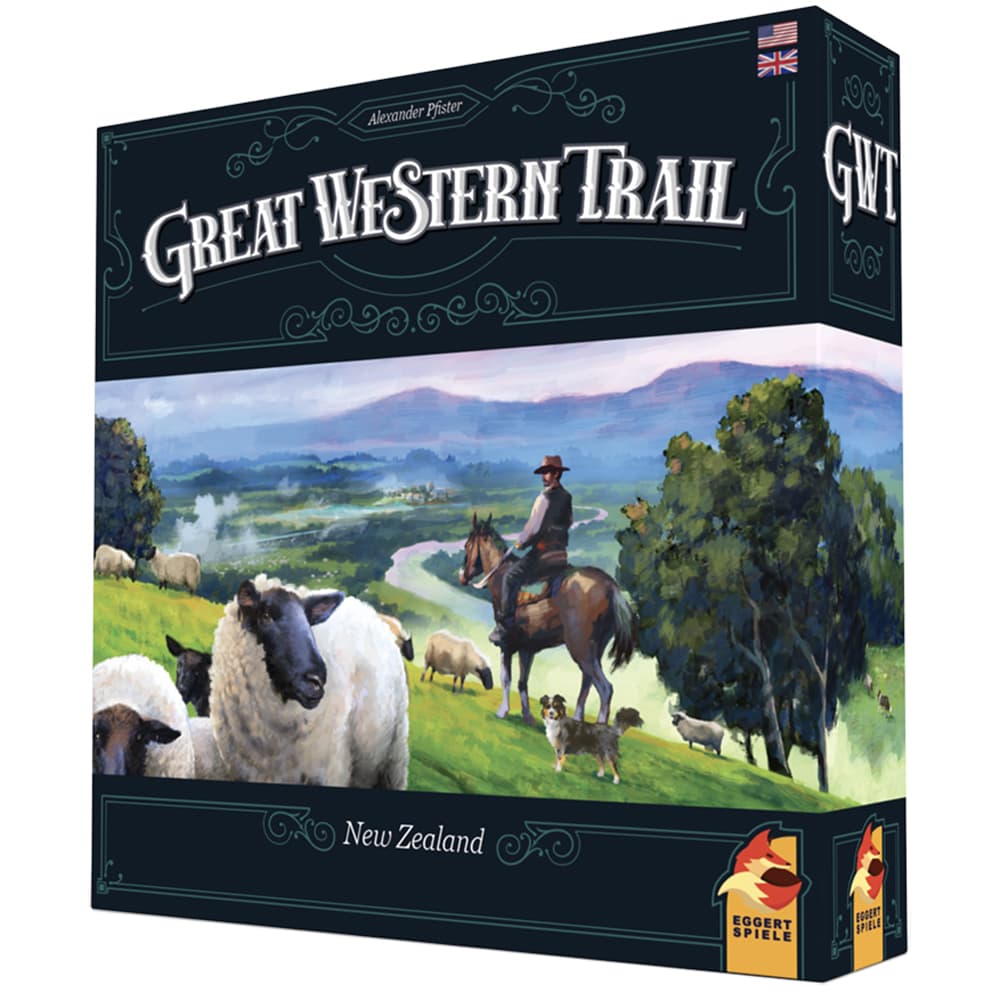
Embark on a new journey in the acclaimed Great Western Trail trilogy with *Great Western Trail: New Zealand*. This standalone adventure, designed by Alexander Pfister, transports players to the stunning landscapes of the 19th-century South Island. You assume the role of a "runholder," a sheep station owner striving to build a prosperous enterprise. Your primary objective is to skillfully manage your flock, enhance your sheep breeds, and deliver them to Wellington for export. Along the way, you'll develop your pastoral estate, hire a capable staff, and navigate the burgeoning trade routes of the era. The player who amasses the most victory points by creating the most successful and renowned sheep-rearing operation will emerge as the victor in this intricate economic simulation.
The game masterfully blends the core mechanics of its predecessors with innovative new elements. At its heart is a combination of deck-building and a rondel-like movement system. Players guide their runholder piece along a branching path, stopping at various locations to perform actions. These actions are diverse, allowing you to hire specialized workers like shepherds, builders, and sailors, construct new buildings that offer unique abilities, improve your personal player board, and purchase higher-quality sheep cards for your deck. A key new feature is the shearing mechanic; this allows players to gain immediate income from their sheep's wool, offering a crucial alternative to selling the livestock itself. Furthermore, the familiar railroad is replaced by a dynamic sea routes board, where you must dispatch your ship to establish trade, claim valuable bonuses, and unlock powerful end-game scoring opportunities.
The strategic depth and high replayability are what make this installment a standout experience. *Great Western Trail: New Zealand* offers numerous interwoven paths to victory, ensuring that no two games feel alike. One player might focus on crafting a lean, powerful deck of premium sheep for massive payouts in Wellington. Another might pursue an aggressive building strategy, constructing a network of structures that provide powerful actions while potentially hindering opponents' progress. A third player could devote their efforts to mastering the sea routes and leveraging the Pathfinder track for key advantages. This wealth of meaningful decisions, combined with the fresh tactical puzzles introduced by shearing and sea trade, makes the game a deeply engaging and rewarding challenge for fans of medium-to-heavy strategy games.
1-4 115m⚖️ 4.0
BoxNo Cover Art
RANK #102
Concordia Venus
2018Concordia Venus invites players to a strategic journey across the ancient Roman world, where they will build an economic empire and expand their influence. The ultimate goal is to achieve prosperity and earn the most victory points by carefully establishing colonies, producing valuable goods, trading efficiently, and satisfying the favor of various Roman deities. This standalone expansion or module elevates the critically acclaimed Concordia experience with new challenges and opportunities for both competitive and cooperative play.
At its heart, Concordia Venus is an elegantly designed economic strategy game driven by clever hand management and an action point allowance system. Players use a limited hand of persona cards, each granting a specific action such as moving colonists across the point-to-point map, producing resources in their cities, or constructing new outposts. Mastering the timing of card play and the strategic use of the Tribune card to retrieve all spent actions is crucial for efficiency. The game beautifully blends set collection for resources and a subtle form of contract fulfillment through its diverse scoring criteria, rewarding thoughtful long-term planning over immediate gains.
Fans adore Concordia Venus for its profound strategic depth encased in remarkably straightforward rules, making it easy to learn yet challenging to master. Its unique appeal lies in the low-aggression yet highly interactive gameplay, where indirect competition for optimal city locations and resources keeps players engaged. With high replayability across different maps and a dynamic scoring system that rewards balanced development, Concordia Venus offers an intellectually stimulating and deeply satisfying experience for strategists seeking an economic engine-building game without excessive luck or complexity, now with added flexibility for team play.
2-6 120m⚖️ 2.8
RANK #121
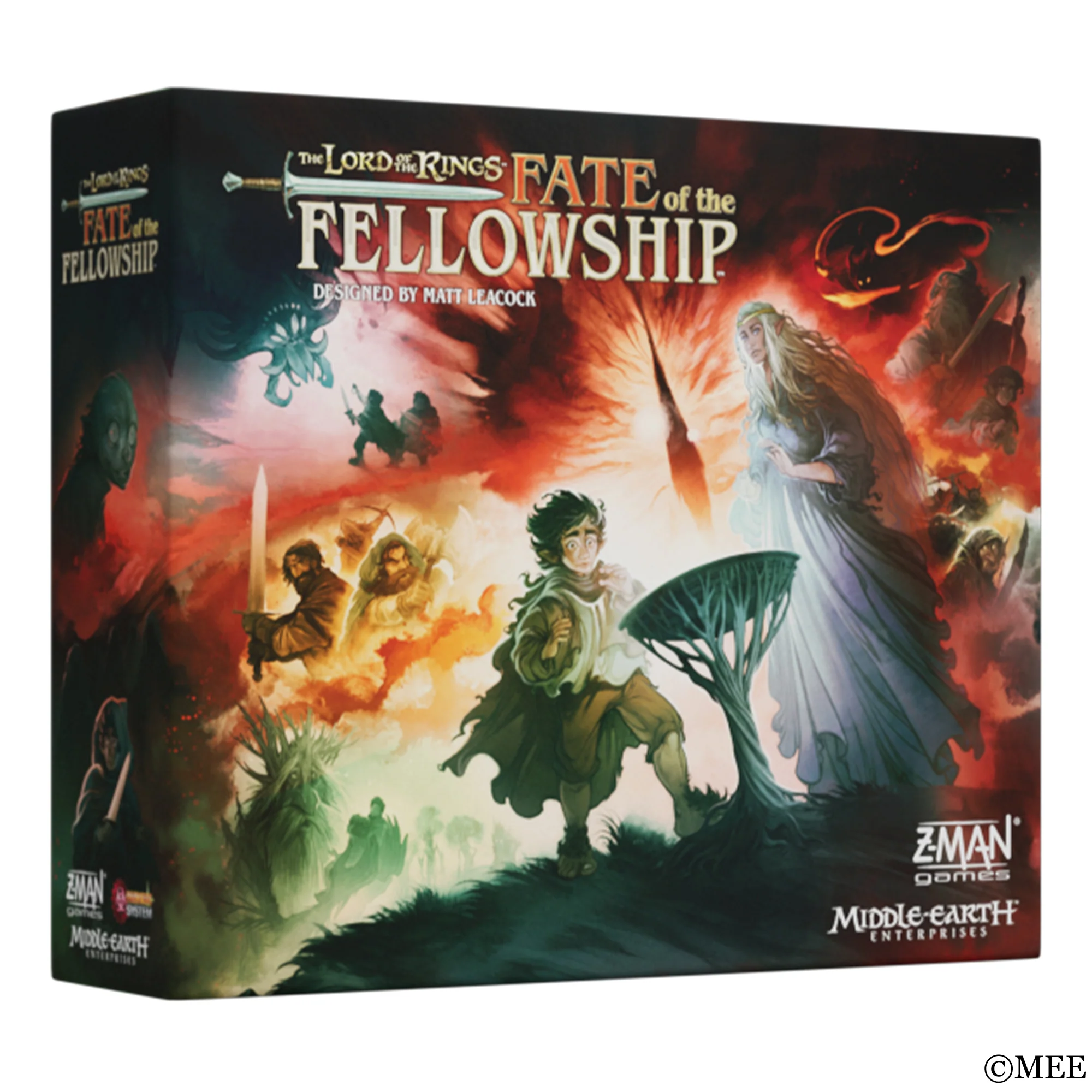
The Lord of the Rings: Fate of the Fellowship immerses one to five players in a desperate, cooperative journey across Middle-earth. In this new narrative-driven adventure from acclaimed designer Matt Leacock, players embody the heroes of Tolkien's epic saga, working together to ensure the One Ring reaches the fires of Mount Doom. The ultimate objective is the Ring's destruction, but this final confrontation can only be attempted after the fellowship successfully navigates three randomly assigned objectives. Players take on the roles of the Fellowship's members and their trusted allies, with each player uniquely controlling a pair of characters from a roster of thirteen, each boasting distinct abilities. The path to victory is fraught with peril, as failure looms if the collective 'Hope' of the fellowship is extinguished. This crucial resource dwindles when safe havens are overrun by darkness, if the Ringbearer is discovered by Sauron's minions, or if the heroes exhaust their resources. It is a race against the encroaching shadow to fulfill their destiny before all hope is lost.
The game's engine is a sophisticated adaptation of the celebrated "Pandemic" system, promising a familiar yet richer mechanical experience. The core gameplay loop involves players strategically spending action points to maneuver friendly forces and their heroes across a detailed map of Middle-earth. These actions are vital for completing the prerequisite missions and pushing back the ever-advancing armies of the Dark Lord. A central element of tension is the constant need to protect Frodo, keeping him concealed from the relentless pursuit of the Nazgûl and the piercing gaze of the Eye of Sauron. This threat is manifested through the 'Shadow Card' deck, a mechanism that functions much like its counterpart in "Pandemic," dictating where Sauron's influence will spread and escalating the danger with each draw. Players must carefully manage their character abilities and card resources to overcome these challenges and clear a path for the Ringbearer.
"Fate of the Fellowship" offers a compelling synthesis of a proven cooperative game system with one of fantasy's most beloved narratives. Its appeal lies in this seamless integration, creating an experience that feels both innovative and deeply thematic. The design has been hailed as Matt Leacock's most mechanically intricate take on the Pandemic framework to date, offering a significant and rewarding challenge for veteran strategy gamers. The unique system of each player managing two distinct heroes introduces a fascinating layer of tactical decision-making and enhances replayability. This constant balancing act—completing grand objectives while simultaneously managing the stealthy, perilous journey of the Ringbearer—generates a persistent sense of urgency and suspense, making it an essential title for fans of cooperative board games and Tolkien's timeless world.
1-5 m⚖️ 3.1
RANK #128
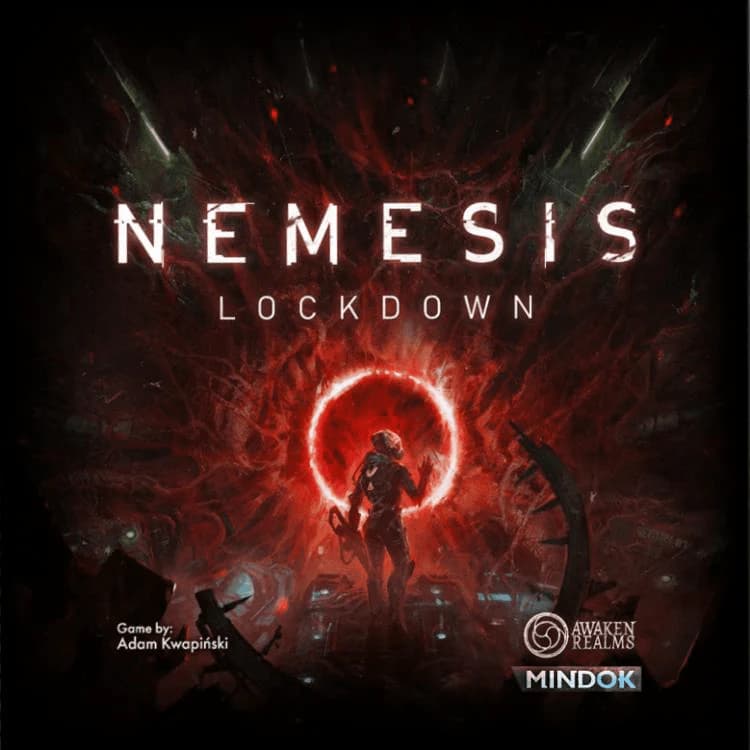
Nemesis: Lockdown is a cinematic, standalone survival-horror experience set on a secret multi-level base on Mars. It is a semi-cooperative game where players, as survivors of an unknown incident, must navigate a hostile facility infested with terrifying alien organisms known as Night Stalkers. While cooperation is essential to overcome the immediate dangers of the base and its predatory inhabitants, each player holds a secret objective that may conflict with the goals of the group. To achieve victory, a player must not only survive the ordeal but also successfully complete their private mission before escaping, creating a deeply tense atmosphere where trust is a scarce and valuable resource.
The gameplay unfolds through a series of rounds, each divided into a Player Phase and an Event Phase. During the Player Phase, individuals take turns performing two actions, the cost of which is paid by discarding action cards from their hand. Actions are varied and crucial, including moving through the labyrinthine base, exploring new rooms, searching for useful items, crafting equipment, and engaging in desperate combat with the aliens. A critical element is managing noise; actions can place noise markers in adjacent corridors, and a second marker in the same location triggers a deadly alien encounter. Lockdown introduces new challenges, most notably the management of the base's power, which can fail and plunge sectors into darkness, adding another layer of strategic depth and terror.
The immense appeal of Nemesis: Lockdown lies in its ability to generate powerful, emergent narratives. The combination of hidden agendas, a modular board, and unpredictable event cards ensures that no two sessions are ever alike, producing unique and memorable stories of heroism, desperation, and betrayal. The core semi-cooperative mechanic is the heart of the game, forcing a delicate balance between teamwork and self-preservation. You need your crewmates to fend off the relentless alien threat, yet you can never be certain of their true intentions. This constant psychological tension, coupled with the game's rich thematic immersion, makes it a premium, high-stakes adventure for players who crave a challenging and deeply engaging tabletop experience.
1-5 120m⚖️ 4.2
RANK #138
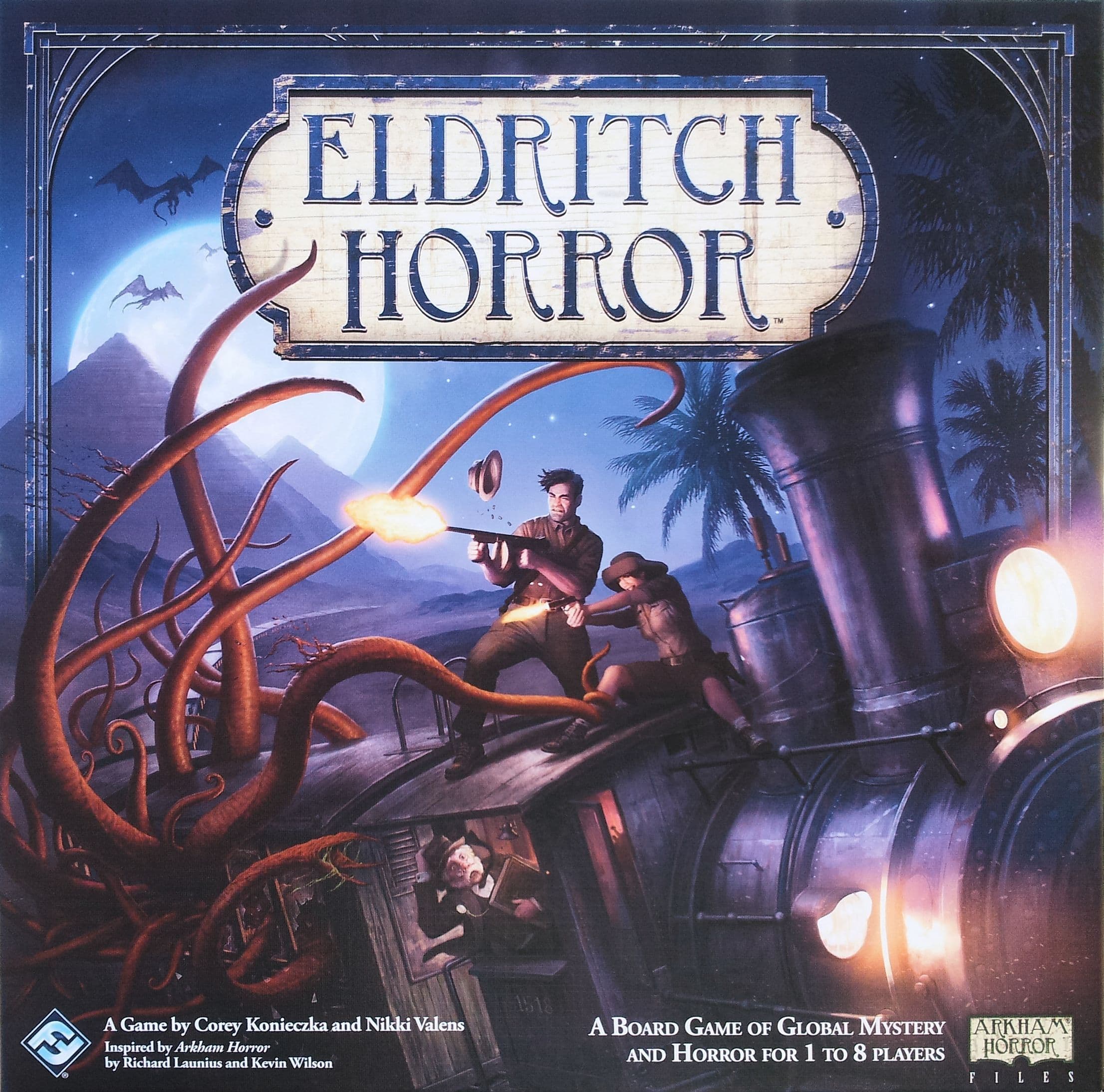
Eldritch Horror
2013Eldritch Horror is a cooperative board game that immerses players in a world of cosmic dread inspired by the writings of H.P. Lovecraft. Taking on the roles of intrepid investigators, participants band together to confront a malevolent entity poised to awaken and consume the world. This is a desperate race against a doomsday clock, not a battle of simple force. The team's primary objective is to traverse the globe, from bustling cities to remote wilderness, in order to solve three distinct mysteries unique to the chosen Ancient One. These mysteries represent the only known way to prevent the creature's arrival. Should the investigators succeed before the ever-advancing doom track reaches zero, they will have saved humanity. Failure, however, means the Ancient One awakens, triggering a final, brutal confrontation.
Gameplay unfolds in rounds composed of three critical phases. First, in the Action Phase, each investigator performs two actions, such as traveling the world map, gathering vital assets like weapons and spells, recuperating health and sanity, or trading with allies. Following this, the Encounter Phase plunges each player into a unique narrative event based on their location. Drawing a card presents a story, a choice, and often a skill test resolved by rolling six-sided dice, where a five or six is a success. Investigators can spend clue tokens to reroll dice, adding a layer of resource management. Finally, the Mythos Phase represents the Ancient One's sinister influence; a new card can introduce devastating effects, spawn monsters, open otherworldly gates, and relentlessly advance the doom track, pushing the world ever closer to oblivion.
What makes "Eldritch Horror" a beloved classic is its epic, globe-spanning scale and the rich, emergent stories it generates. The game turns the entire world into a playground of impending doom, creating a grand sense of adventure. The challenge is significant, fostering true teamwork as players strategize how to best use their unique character abilities and manage limited resources. Every session creates a memorable tale of near-misses, heroic triumphs, and tragic sacrifices. The game's appeal lies in its masterful blend of strategic planning and the unpredictable chaos of the Mythos deck, ensuring high tension from start to finish. It's a daunting adventure that rewards players not just with a win, but with a compelling story they have created together, making it a pinnacle experience for those who love deep narrative and cooperative challenges.
1-8 180m⚖️ 3.8
RANK #170
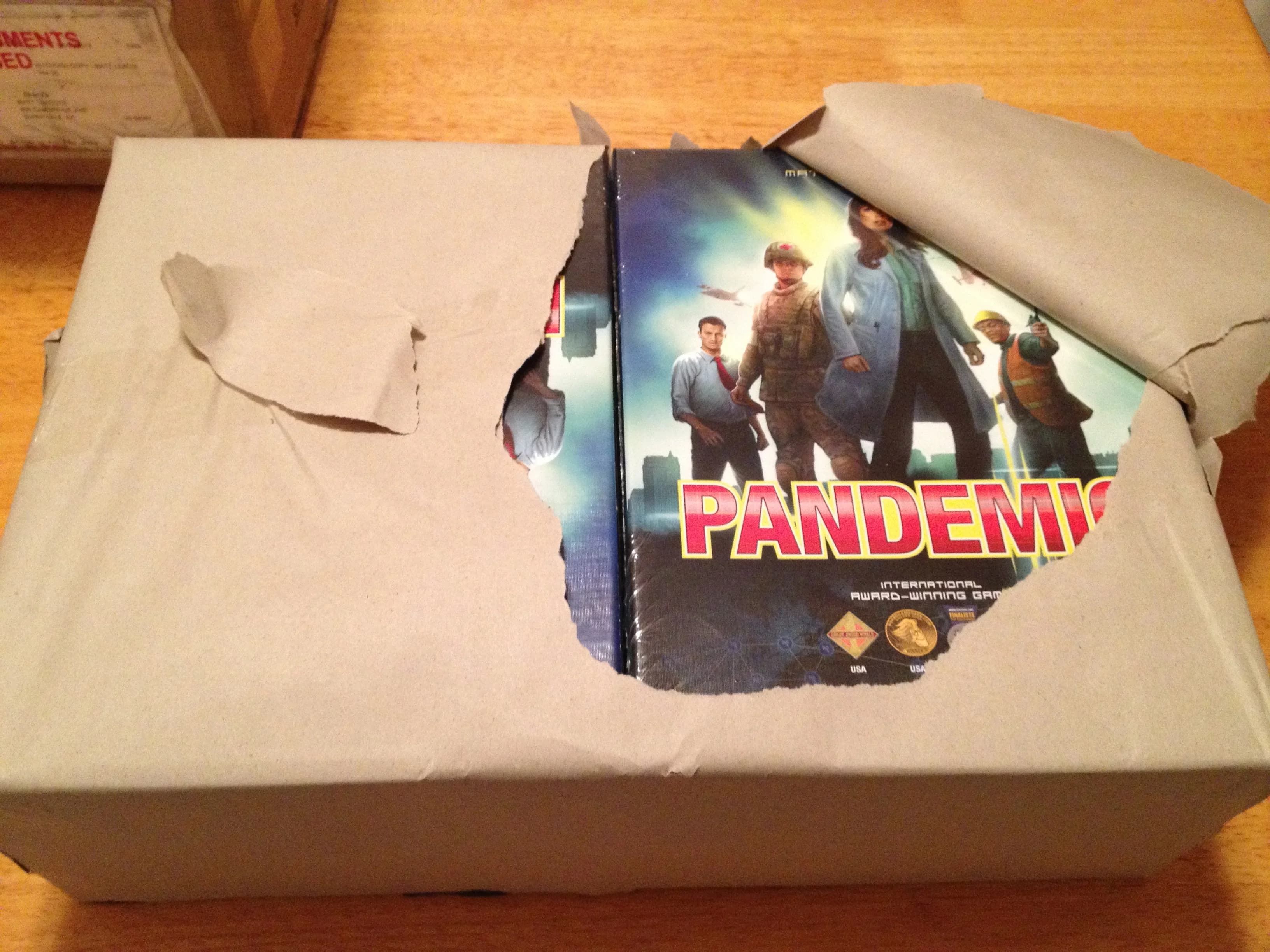
Pandemic
2008Pandemic presents a thrilling, high-stakes challenge where players must band together as a team of elite disease-control specialists. In this quintessential cooperative game, the world is on the brink of disaster, with four deadly diseases spreading rapidly across the globe. Players don't compete against each other; instead, they unite against the game's automated systems, which relentlessly propagate the infections. Each team member assumes a unique role, such as the resourceful Scientist or the indispensable Medic, bringing special abilities to the table that are critical for success. The ultimate objective is to discover the cures for all four plagues before time runs out, a pandemic spirals out of control, or the supply of medical resources is exhausted. It’s a race against the clock where teamwork and strategic foresight are the only tools standing between humanity and a global catastrophe.
The gameplay unfolds through a tense and structured sequence of turns. On their turn, a player can perform up to four actions, creating a wealth of strategic choices. These actions include moving between major world cities, treating localized infections by removing disease cubes, establishing vital research stations, sharing knowledge by trading city cards with teammates, or using a set of matching city cards to discover a cure. After taking actions, the player must draw two cards from the player deck, which contains the city cards needed for cures but also powerful one-time Event cards and the dreaded Epidemic cards. Drawing an Epidemic card is a pivotal moment that escalates the crisis: it accelerates the infection rate, triggers an immediate large-scale infection in a new city, and critically, reshuffles the previously infected cities back to the top of the infection deck. This 'intensify' mechanic ensures that hotspots are likely to be hit again, leading to potential chain-reaction outbreaks that spread disease to adjacent cities.
The enduring appeal of Pandemic lies in its brilliant fusion of accessible rules and profound strategic depth. It creates a palpable sense of mounting pressure, forcing players into constant communication and collaborative problem-solving. The game becomes a fascinating puzzle where the team must constantly weigh managing immediate threats—stamping out fires on the board to prevent outbreaks—against progressing toward the long-term victory condition of finding all four cures. This delicate balancing act is the heart of the game's tension. Because the difficulty can be scaled by altering the number of Epidemic cards in the deck, it offers a consistently engaging challenge for both newcomers and seasoned strategists. Its design has become a benchmark for cooperative games, celebrated for its ability to create a compelling narrative of global crisis and collective heroism with every session.
2-4 45m⚖️ 2.4
RANK #189
Istanbul
2014Step into the vibrant and bustling marketplace of Istanbul, where you take on the role of a merchant leading a team of assistants. In this competitive Euro-style game, your objective is to outmaneuver your rivals and prove your commercial acumen by being the first to acquire a set number of precious rubies. The game unfolds on a modular board composed of sixteen unique locations, each representing a different district of the grand bazaar. Every turn is a race against time and your fellow merchants as you navigate the crowded pathways, seeking the most profitable opportunities to gather goods, earn wealth, and ultimately secure the gems that will lead to your victory.
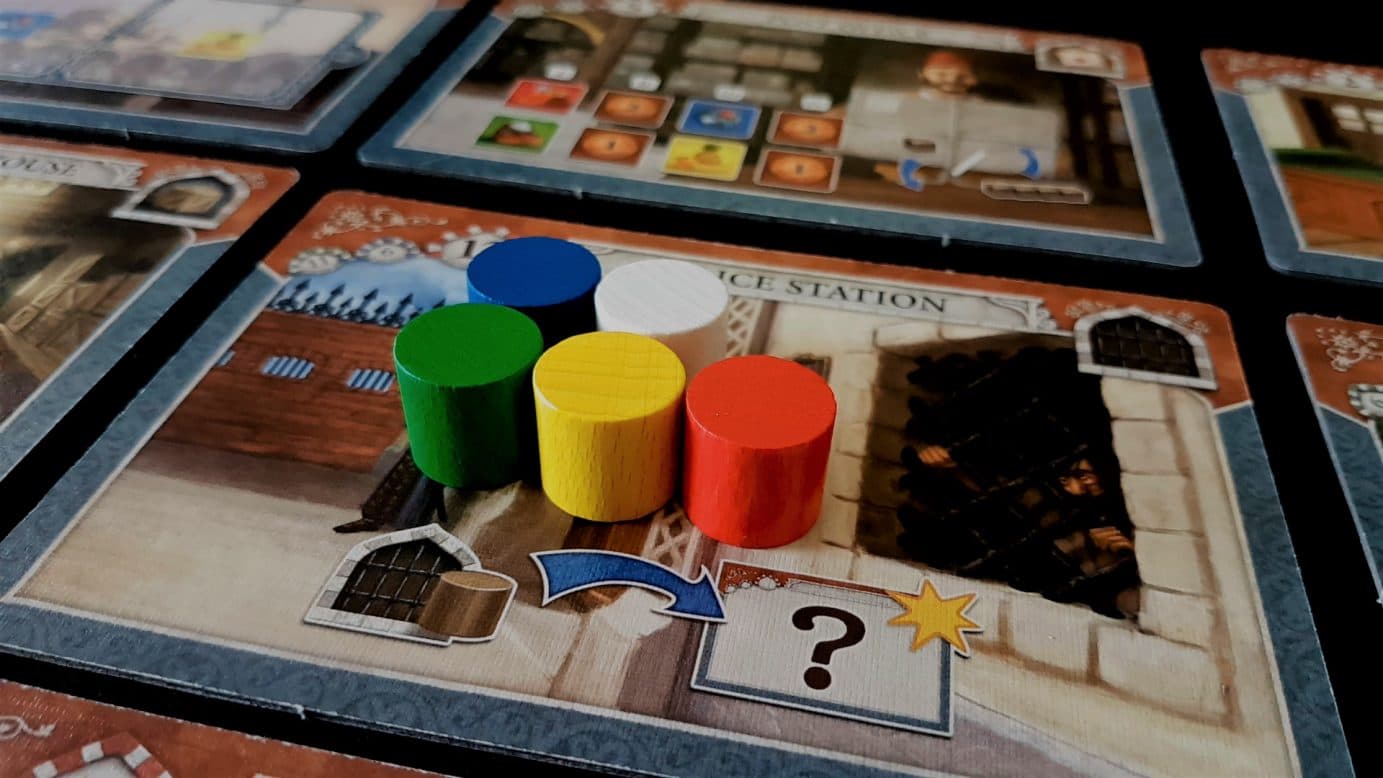
The heart of Istanbul lies in its innovative and compelling movement mechanic. Each player controls a merchant token stacked on top of four assistant discs. To perform an action at any location, you must move your stack there and leave one assistant behind. This simple rule creates a fascinating logistical puzzle: as you expand your operations, you spread your assistants thin across the board. To reuse them, you must retrace your steps to pick them up, forcing you to plan your routes with utmost efficiency. Running out of available assistants leaves you unable to act, so managing this resource is key. This core mechanism forces players to think several moves ahead, balancing short-term gains with the long-term need to maintain a flexible and efficient workforce.
Istanbul is celebrated for its perfect blend of accessibility and strategic depth, making it an ideal 'next step' for players moving beyond gateway games. The rules are straightforward to learn, but the path to victory is multifaceted. Rubies can be bought with cash, earned by trading specific sets of goods at the Sultan's Palace, or acquired by fully upgrading your personal wheelbarrow. This variety of options ensures that no single strategy dominates. The modular board, which can be arranged in numerous configurations, guarantees high replayability, as each game presents a fresh puzzle of route optimization and tactical decision-making. It's this combination of a tight race, clever mechanics, and endless variability that has cemented Istanbul as a modern classic.
2-5 50m⚖️ 2.6

RANK #203
Embark on a journey through the vast plains of 19th-century Argentina in Great Western Trail: Argentina, a standalone title in the acclaimed strategy game trilogy. Players assume the roles of estancia owners, wealthy ranchers tasked with herding their valuable cattle across the pampas to the bustling port of Buenos Aires. The ultimate goal is to amass the most victory points by creating the most profitable herd, strategically shipping cattle to European ports, constructing valuable buildings along the trail, and achieving various end-game objectives. This game challenges players to build a powerful economic engine and outmaneuver their rivals in a race to become the most successful cattle baron in the country.
The gameplay masterfully combines several mechanics into a cohesive and satisfying loop. At its core is a rondel-like system where players move their rancher along a winding path, stopping at different locations to perform actions. These actions include hiring specialized workers—gauchos, carpinteros, and maquinistas—to improve their abilities, constructing private buildings to create new action spaces, and acquiring more valuable cattle to enhance their personal deck. This deck-building element is crucial; players must carefully manage their hand of cattle cards to present a diverse and valuable set upon reaching Buenos Aires. A significant new feature in this installment is the introduction of farmers and grain, a resource essential for shipping your cattle overseas. Players must aid farmers along the path to produce grain, adding another layer of strategic consideration to their journey.
Great Western Trail: Argentina is celebrated for taking the brilliant foundation of its predecessor and adding new, compelling layers of complexity. The puzzle of optimizing your route, managing your cattle deck, and balancing the new grain resource offers a fresh and deeply engaging experience even for veterans of the original game. The interplay between moving your rancher, advancing your train, and planning your shipments to Europe creates a tense and rewarding strategic challenge. With a high degree of replayability stemming from variable setups and a well-implemented solo mode, it's a standout title for fans of medium-to-heavy Eurogames who relish long-term planning and the satisfaction of watching a well-oiled strategy come to fruition.
1-4 120m⚖️ 3.9
RANK #288
Tiletum
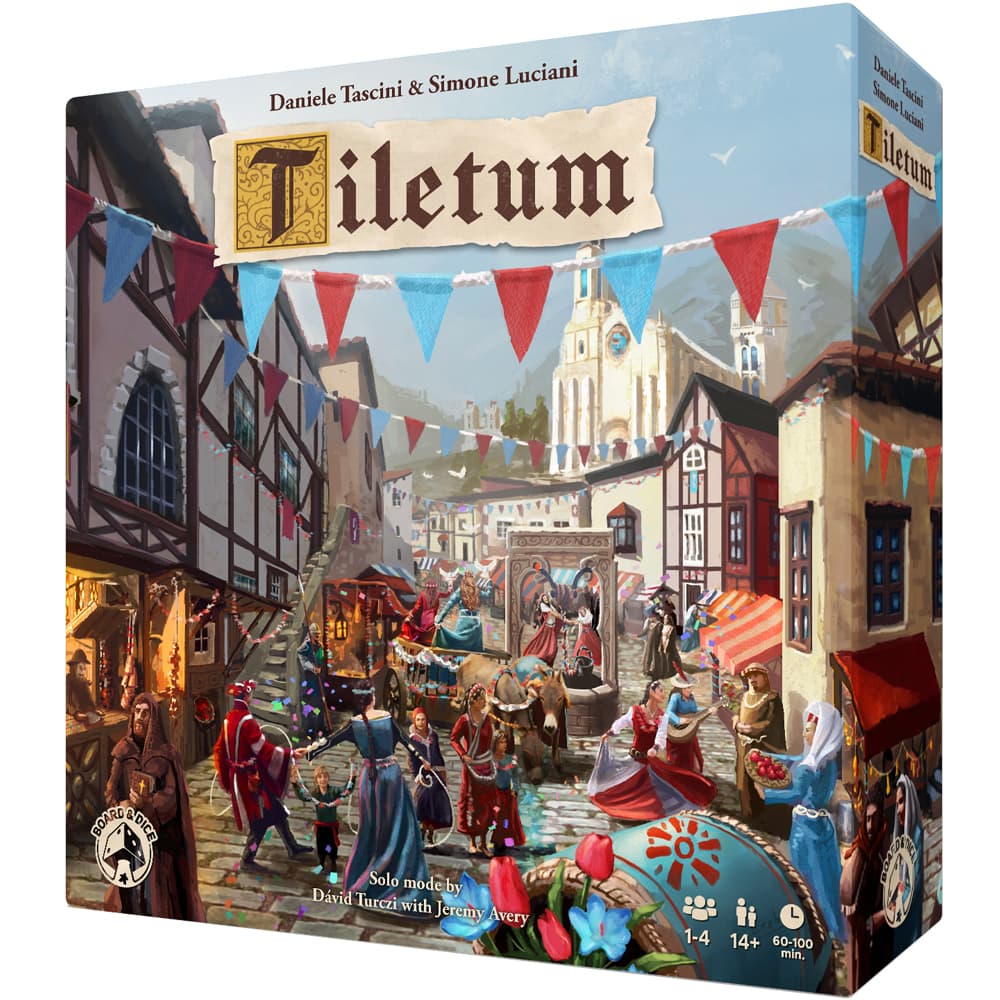
2022Tiletum is a sophisticated strategy board game that transports players to the bustling commerce centers of Renaissance Europe. As wealthy merchants, players strive to amass the greatest amount of prestige over the course of four intense rounds. The ultimate goal is to balance the logistics of international trade with the grandeur of architectural patronage. By traveling to different cities, players participate in legendary fairs, fulfill demanding trade contracts, and assist in the construction of iconic cathedrals. As a prominent entry in the celebrated 'T-series' from Board&Dice, the game rewards those who can master its intricate web of systems and outmaneuver their rivals in a race for historical influence.
The gameplay is driven by a central action wheel featuring an innovative 'inverse' dice mechanic that serves as the heart of the strategic engine. When drafting a die, the face value dictates the quantity of resources gained—such as gold, food, or stone—while the opposite side of the die determines the number of action points available to spend. This creates a fascinating tactical dilemma: do you take a '6' to fill your warehouses while sacrificing your ability to move, or take a '1' to perform five powerful actions with almost no materials? These actions allow you to move your architect and merchant across the continent, recruit specialists into your player board's rooms, and climb the King's track to avoid penalties and secure priority in future turns.
What truly sets Tiletum apart and explains its high acclaim is the sheer density of satisfying 'combos' players can trigger. A single move can lead to a chain reaction where completing a contract provides a bonus tile, which in turn allows for a free character placement, triggering a resource gain that helps build a trading house. This interconnectedness makes every decision feel impactful and rewarding. Furthermore, the variable setup of fairs and scoring tiles ensures high replayability, forcing players to adapt their route-building and resource-gathering strategies every session. It is a masterful blend of spatial positioning and resource management that offers a deep, heavy strategy experience while remaining surprisingly intuitive and smooth to play.
1-4 100m⚖️ 3.8
RANK #1,267
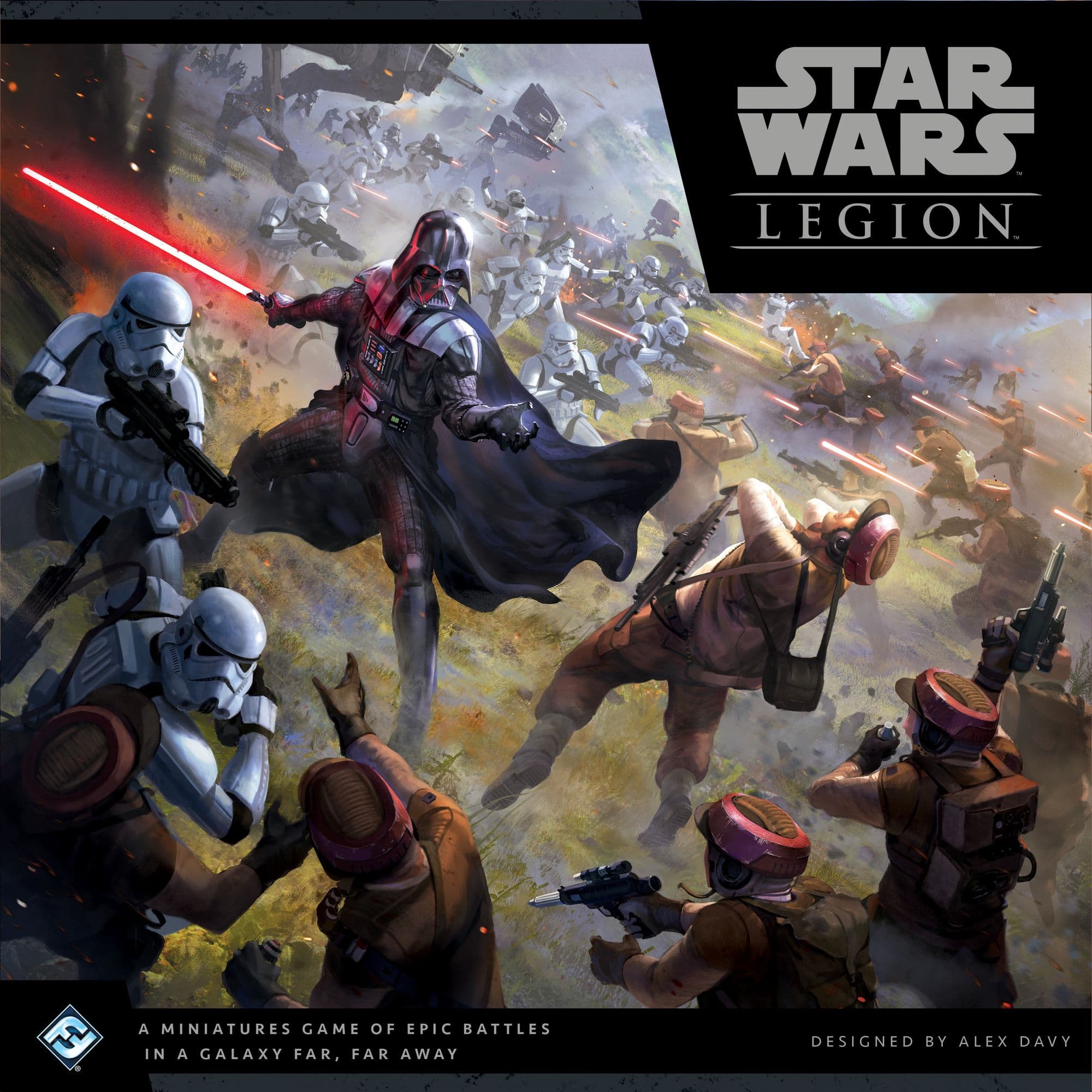
Star Wars: Legion catapults players onto the iconic battlefields of the galaxy, offering a deeply tactical miniatures wargame focused on infantry-level combat. In this game, you take on the role of a battlefield commander, assembling and leading an army from one of the saga's legendary factions, such as the Galactic Empire or the Rebel Alliance. Using a point-buy system, you customize your forces from the ground up, selecting everything from squads of humble Stormtroopers and fleets of nimble speeder bikes to powerful heroes like Darth Vader and towering vehicles like the AT-ST. The objective isn't merely to annihilate your opponent; victory is achieved through a combination of controlling key objectives, completing mission-specific goals, and outmaneuvering the enemy across a six-round engagement.
The gameplay is defined by a unique and compelling command and activation system that simulates the fog of war. Each round begins with a Command Phase, where players secretly select a command card from their hand. These cards determine not only who gets initiative for the round but also how many specific units can be issued direct orders. During the subsequent Activation Phase, players alternate activating a single unit. The twist is that a player must either choose a unit that previously received an order or draw a random token from their order pool. This chit-pull mechanic creates constant tactical tension, as you can never be entirely certain when a crucial unit will get to act unless you've planned for it with your command card. When a unit does activate, it can perform actions like moving with unique jointed tools, attacking with custom dice, or taking aim to improve its odds. Combat is swift, but is layered with strategic depth through cover, weapon keywords, and a brilliant suppression mechanic.
What makes Star Wars: Legion a standout experience is how it masterfully blends accessible wargaming mechanics with the rich, cinematic flavor of its source material. The suppression system is a highlight, where troopers who come under fire become less effective and risk panicking, perfectly capturing the feeling of being pinned down by blaster fire. The game's emphasis on list-building and customization provides immense replayability, encouraging players to experiment with different unit compositions and upgrade loadouts. For hobbyists, the high-quality, unassembled miniatures offer a fantastic canvas for painting and personalization, allowing you to bring your own version of the Star Wars galaxy to life. It strikes a perfect balance, offering the strategic depth to satisfy veteran wargamers while remaining streamlined enough to serve as an excellent gateway into the miniatures hobby.
2 180m⚖️ 3.2
BoxNo Cover Art
Star Wars: Rebellion is an epic board game that captures the grand conflict of the Galactic Civil War between the Galactic Empire and the Rebel Alliance. Often described as 'Star Wars in a box,' the game tasks players with controlling one of the two factions, each with entirely different victory conditions. The Empire's goal is to scour the galaxy for the hidden Rebel base and destroy it using its massive military might, including Star Destroyers and the dreaded Death Star. Conversely, the Rebel player aims to incite a galaxy-wide uprising by completing objectives and gaining reputation, eventually forcing the Empire to lose its grip on the systems before the secret base can be uncovered. It is a high-stakes game of hide-and-seek on a galactic scale, where the tension builds as the Imperial search narrows.
The gameplay centers around a sophisticated 'Leader' system, where iconic characters like Luke Skywalker, Princess Leia, Darth Vader, and Grand Moff Tarkin are assigned to missions or used to lead military forces. Each round involves assigning these leaders to various tasks, such as diplomacy to win over neutral systems, sabotage to disrupt enemy production, or military strikes to seize key territories. The game features a unique blend of worker placement and area control; players must decide whether to send a leader on a mission or save them to oppose an opponent's action. Combat involves custom dice and tactical cards, reflecting the thematic strengths of both sides. As the game progresses, players manage resource production across dozens of planets, building everything from TIE fighters to Corellian Corvettes, all while navigating the asymmetric nature of the conflict.
Why do people love Star Wars: Rebellion? It is widely praised for its deep thematic immersion and its ability to create emergent narratives that mirror the original film trilogy. Whether it is Han Solo being captured and frozen in carbonite, or a desperate Rebel fleet launching a last-ditch effort to destroy a Death Star under construction, the game consistently delivers cinematic moments. The asymmetry is perhaps its greatest strength; the Imperial player feels the sheer power and frustration of searching for a needle in a haystack, while the Rebel player experiences the frantic tension of being outnumbered but strategically nimble. With over 150 plastic miniatures and a massive board, it offers a visual spectacle that matches its strategic depth. As noted by reviewers, it doesn't just feature the Star Wars theme—it nails the essence of the franchise, making it a definitive experience for fans and serious hobbyists alike.
2-4 240m⚖️ 3.7