Economic Games
Browse all Economic board games in the Meeple Pulse database.
Styles
Themes
AbstractAdventureAncientAnimalsArtBusinessCard GameCo-operativeComic BookCooperativeCrimeEconomicEnvironmentalismExplorationFantasyHistoricalHorrorHumorIntrigueLiteraryMagicMarvelMedievalModernMuseumMysteryMythologyNatureNauticalPoliticalPress Your LuckSatireSci-FiSocial CommentarySocial InteractionSpaceSuperheroesThematicTravelWarWesternWord-Guessing
Mechanics
3D PlacementActingAction / DexterityAction DraftingAction Point AllowanceAction Point Allowance SystemAction Point SystemAction PointsAction ProgrammingAction QueueAction RetrievalAction SelectionAction/EventAlliancesAlternate ActivationApp-AssistedApp-DrivenArea ControlArea InfluenceArea MajorityArea Majority / InfluenceArea MovementArgumentationAsymmetricAsymmetric FactionsAsymmetric GameAsymmetric PowersAsymmetrical PowersAuction & BiddingAuction/BiddingAuctioningBag BuildingBettingBetting and BluffingBetting and WageringBetting and WagersBiddingBingoBlind BiddingBluffingCampaign / Battle Card DrivenCampaign / LegacyCampaign / Legacy GameCampaign / Mission-basedCampaign / ScenariosCampaign GameCampaign PlayCard DraftingCard DrawingCard DrivenCard Driven ActionCard Driven CombatCard Driven Dice AllocationCard Driven MovementCard ManagementCard PlayCard Play / Hand ManagementCard Play Conflict ResolutionCard SheddingCard-Driven MovementCharacter CreationCharacter ProgressionChit-Pull SystemCo-op PlayCo-operative GameCo-operative PlayCode-breakingCombat ResolutionCombo ChainCommand CardsCommodity SpeculationCommunication LimitsContract FulfillmentContractsCooperative GameCooperative GameplayCooperative PlayCooperative Trick-takingDebateDeck BuildingDeck ConstructionDeck, Bag, and Pool BuildingDeck-BuildingDeductionDexterityDice DraftingDice PlacementDice RollingDiplomatic InfluenceDraftingDynamic Battle SystemEnclosureEnd Game BonusesEngine BuildingEngine-BuildingEscape RoomEvent DrivenExplorationFarmingFlip and WriteFollowFollow ActionGrid CoverageGrid MovementHand ManagementHex-and-CounterHexagon GridHidden MovementHidden RolesI Cut You ChooseIncomeInfluence / Area MajorityLadder ClimbingLegacyLegacy ElementsLegacy GameLegacy SystemLimited CommunicationLine DrawingLine of SightMancalaMap MovementMarketMarket DraftingMarket ManipulationMarket MechanicMarket SpeculationMatchingMeasurement MovementMemoryMission ObjectivesModular BoardModular Board ConstructionMovement TemplatesMulti-Use CardsMulti-use CardsMultiple ScenariosMust FollowNarrative ChoiceNarrative Choice / ParagraphNegotiationNegotiation MechanicsNetwork & Route BuildingNetwork BuildingNetwork and Route BuildingOne vs ManyOne vs. ManyOpen DraftingPaper-and-PencilPartnershipsPattern BuildingPattern RecognitionPick-up and DeliverPlayer EliminationPlayer InteractionPlayer JudgePoint SaladPoint to Point MovementPolyominoesPush Your LuckPush-Your-LuckPuzzlePuzzle-LikePuzzle-SolvingRaceReal-TimeRecipe FulfillmentResource ManagementRole PlayingRole SelectionRoll / Spin and MoveRondelRoute BuildingRoute-BuildingRoute/Network BuildingSanity SystemScenario / Campaign PlayScenario / Mission / Campaign GameScenario / Mission FunctionSecret Unit DeploymentSemi-Cooperative GameSet CollectionSheddingSimulationSimultaneous ActionSimultaneous Action SelectionSimultaneous Hidden AllocationSocial DeductionSocial InteractionSolo / Solitaire GameSpace ExplorationStat Check / Skill CheckStock HoldingStorytellingStrategic PlanningTableau BuildingTactical Decision-MakingTake ThatTargeted CluesTeam PlayTeam-Based GameTeam-Based GuessingTeamworkTech TreesTech Trees / Tech TracksTechnology & Armament TracksTechnology TreeTension & Aggression TracksTile DraftingTile LayingTile PlacementTime TrackTime TravelTower DefenseTrack MovementTradingTrick-takingTug of WarTurn Order: PassTurn Order: Stat-BasedUnit PlacementVariable Phase OrderVariable Player PowersVariable Set-upVariable SetupVictory Point TracksVotingWord AssociationWord GameWord GuessingWord-GuessingWord-guessingWordplayWorker Placement
RANK #111
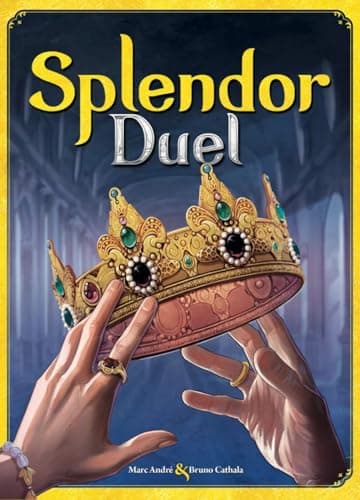
Splendor Duel
2022Splendor Duel is a standalone, two-player board game that brilliantly reimagines the classic Splendor experience, transforming it into a tense and direct confrontation. Designed by the original's creator, Marc André, in collaboration with two-player specialist Bruno Cathala, this version is tailored specifically for head-to-head competition. The objective is to outmaneuver your opponent by being the first to achieve one of three distinct victory conditions: accumulating a total of 20 or more prestige points, collecting 10 or more crowns on your jewel cards, or achieving dominance in a single gem color by earning 10 or more prestige points from those cards alone. This multi-faceted goal creates a dynamic game state where players must constantly adapt their strategies and react to their rival's progress.
The gameplay retains the satisfying engine-building core of its predecessor but introduces several key mechanics that foster intense interaction. The most significant change is a shared game board where gem, pearl, and gold tokens are arranged in a pattern. On their turn, players must draft up to three adjacent tokens in a single straight line, creating a tight, tactical puzzle where every selection can either set up your own plans or thwart your opponent's. The game also introduces valuable Pearl tokens, required for some of the most powerful cards, and three Privilege scrolls, which offer a crucial dose of flexibility by allowing a player to snatch any single non-gold token from the board. Purchasing cards still provides permanent gem bonuses, but now many also come with powerful, one-time abilities that can swing the tempo, such as taking an extra turn or stealing a token directly from your opponent.
Splendor Duel is widely acclaimed for being an exemplary two-player adaptation that enhances what made the original great. It successfully injects a much higher degree of player interaction and strategic depth without sacrificing the accessibility and quick playtime that fans love. The token-drafting board forces a constant awareness of the opponent's strategy, making every decision meaningful. The multiple paths to victory ensure high replayability, as players can pivot their approach from game to game or even mid-game. It’s a perfect, compact game for couples or any pair of players seeking a competitive, engaging, and polished contest of wits and forward planning, solidifying its reputation as a standout title in the two-player genre.
2 30m⚖️ 2.1
RANK #133
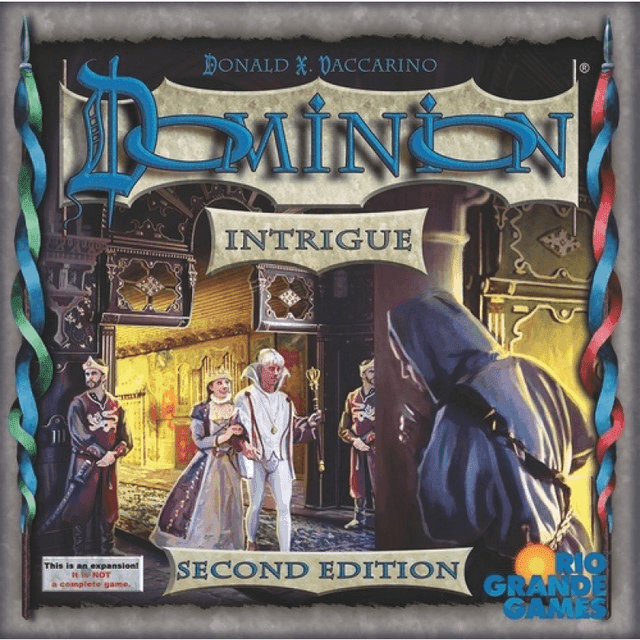
Dominion: Intrigue stands as the celebrated first expansion to the game that defined a genre. It can be played entirely on its own or seamlessly combined with the original base game and other expansions for endless variety. The objective remains the same: players compete to build the most prosperous and powerful kingdom, represented by the accumulation of Victory Point cards in their personal deck by the game's end. Starting with a meager and identical set of cards, each participant must strategically purchase cards from a shared central supply, crafting a unique deck that functions as their engine. This engine must be carefully balanced, generating wealth to acquire valuable provinces while simultaneously defending against the nefarious schemes of rival monarchs.
Gameplay in Intrigue retains the elegant 'ABC' turn structure of its predecessor: perform an Action, Buy a card, and Cleanup your hand to draw a new one. Where Intrigue carves its own identity is in its thematic focus on player choice and interaction. Many of its 26 new Kingdom cards present players with a dilemma, forcing a tactical decision between two powerful effects. The 'Steward' card, for example, lets a player choose to draw more cards, gain extra currency, or remove unwanted cards from their deck. This expansion also cleverly introduces hybrid-type cards, such as the 'Harem', which serves as both a Treasure card for buying power and a Victory card for end-game scoring. These dual-purpose cards help to solve the classic Dominion puzzle of when to start adding 'useless' Victory cards that can otherwise clog up a finely tuned deck.
What makes Intrigue an enduring favorite is the dramatic increase in direct player interaction and strategic depth it introduces. While the original game had attack cards, Intrigue's are often more subtle and choice-driven, leading to more engaging and dynamic confrontations. The constant decision-making required by the new card effects ensures that every turn is meaningful and no two games ever feel the same. It masterfully expands upon the core concepts of Dominion without adding burdensome rules, making it an ideal next step for players who have mastered the base set and a perfect, albeit slightly more complex, entry point for new players seeking a richer, more interactive deck-building experience.
2-4 30m⚖️ 2.4
RANK #145
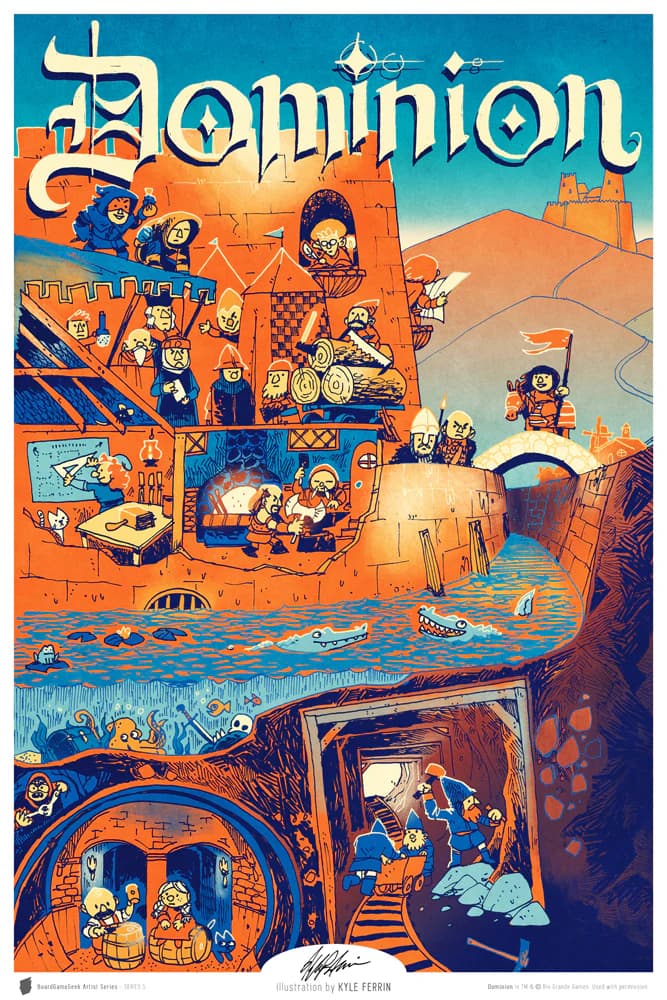
Dominion
2008Step into the role of a monarch in Dominion, the revolutionary 2008 title that single-handedly created the deck-building genre. In this game, you are a ruler, like your parents before you, of a quaint and peaceful kingdom filled with rivers and evergreens. However, unlike them, you have aspirations of grandeur! You seek to expand your influence and forge the largest and most prosperous dominion of all. Players compete to accumulate the most victory points by the end of the game, which are primarily acquired by purchasing Estate, Duchy, and Province cards. Each player begins with an identical, humble deck of ten cards containing a few low-value Treasures and Estates. Your objective is to skillfully build upon this foundation, creating a well-oiled machine of a deck that can generate wealth and secure victory.
The gameplay is famously elegant, following a simple turn structure often called the 'A-B-C' loop: Action, Buy, and Cleanup. During your Action phase, you can play one Action card from your hand to perform special abilities, such as drawing more cards, gaining extra buys, or even attacking your opponents. In the Buy phase, you use the Treasure cards you've drawn to purchase new cards from a shared central supply. This supply, known as the Kingdom, consists of ten unique stacks of Action cards that are randomized each game, ensuring no two sessions are ever alike. Finally, in the Cleanup phase, you discard your entire hand and all cards played, then draw a fresh hand of five. When your draw pile is empty, your discard pile is shuffled to form a new one, now enriched with the powerful cards you recently acquired.
Dominion's enduring appeal lies in its brilliant fusion of simplicity and strategic depth. The game is celebrated for its immense replayability; the vast number of possible Kingdom card combinations creates an endless puzzle to solve. Players relish the challenge of discovering powerful synergies and building efficient 'engines' within their decks. A core tension drives every decision: do you acquire more powerful Action cards to improve your deck's function, or do you start buying Victory cards to secure your win? These victory cards are crucial for scoring but provide no abilities, effectively clogging your hand and slowing your engine down. This constant strategic trade-off, combined with its accessible rules and quick playtime, has cemented Dominion's status as a timeless classic and an essential gateway into the world of modern board games.
2-4 30m⚖️ 2.4

RANK #1,145
Point City
2023Point City is a streamlined card-drafting game that challenges players to architect a flourishing urban environment from the ground up. Serving as a spiritual successor to the popular Point Salad, this title elevates the experience by introducing more complex layers of engine-building and resource management. The primary objective is to accumulate the most victory points by strategically selecting cards from a dynamic market grid. Players must balance the acquisition of raw materials with the construction of civic structures, all while competing against others to secure the most lucrative developments for their growing cityscape.
The heart of the game lies in its unique dual-sided cards. One side represents basic resources—such as energy, industry, or ecology—while the flip side features a specific building with unique costs and scoring opportunities. On their turn, a player drafts two adjacent cards from a central four-by-four grid. If they take a resource, it is added to their pool; if they take a building, they must be able to pay the required resource cost using cards in their hand or permanent resources provided by previously constructed buildings. This engine building aspect is crucial, as every building constructed makes future projects easier to complete. As the grid is depleted, it is constantly replenished with new cards from the deck, ensuring that the market is always evolving and forcing players to adapt their strategies to the available options.
What makes Point City so compelling is its elegant blend of accessibility and depth. It retains the 'pick two' simplicity of its predecessor but adds a satisfying layer of progression that rewards long-term planning. The game is highly regarded for its fast-paced nature, typically wrapping up in under thirty minutes, making it an ideal choice for families or as a 'filler' for more dedicated gaming groups. Its vibrant artwork and intuitive iconography lower the barrier to entry, while the sheer variety of building combinations ensures high replayability. Fans of the genre appreciate the clever tension between taking a needed resource now or grabbing a powerful building before an opponent can. Ultimately, it offers a rewarding puzzle that feels both fresh and familiar, cementing its place as a modern staple in the card-drafting genre.
m⚖️ N/A