Abstract Strategy Games
Browse all Abstract Strategy board games in the Meeple Pulse database.
Styles
AbstractAbstract StrategyAdventureAnimalsCard GameChildren's GameCivilizationCo-operativeCompetitiveDiceEconomicEducationalEuroExpansion for Base-gameFamilyFantasyFightingHistoricalHorrorMedievalMedium HeavyMiniaturesPartyParty GamePrint & PlayPuzzle-LikeRacingReal-timeSpace ExplorationSportsStrategyTerritory BuildingThematicWargame
Themes
AbstractAdventureAncientAnimalsArtBusinessCard GameCo-operativeComic BookCooperativeCrimeEconomicEnvironmentalismExplorationFantasyFightingHistoricalHorrorHumorIntrigueLiteraryMagicMarvelMedievalModernMuseumMysteryMythologyNatureNauticalParty GamePoliticalPress Your LuckRacingSatireSci-FiSocial CommentarySocial InteractionSpaceSuperheroesThematicTravelWarWesternWord-Guessing
Mechanics
3D PlacementActingAction / DexterityAction DraftingAction Point AllowanceAction Point Allowance SystemAction Point SystemAction PointsAction ProgrammingAction QueueAction RetrievalAction SelectionAction/EventAlliancesAlternate ActivationApp-AssistedApp-DrivenArea ControlArea InfluenceArea MajorityArea Majority / InfluenceArea MovementArgumentationAsymmetricAsymmetric FactionsAsymmetric GameAsymmetric PowersAsymmetrical PowersAuction & BiddingAuction/BiddingAuctioningBag BuildingBettingBetting and BluffingBetting and WageringBetting and WagersBiddingBingoBlind BiddingBluffingCampaign / Battle Card DrivenCampaign / LegacyCampaign / Legacy GameCampaign / Mission-basedCampaign / ScenariosCampaign GameCampaign PlayCard DraftingCard DrawingCard DrivenCard Driven ActionCard Driven CombatCard Driven Dice AllocationCard Driven MovementCard ManagementCard PlayCard Play / Hand ManagementCard Play Conflict ResolutionCard SheddingCard-Driven MovementCharacter CreationCharacter ProgressionChit-Pull SystemCo-op PlayCo-operative GameCo-operative PlayCode-breakingCombat ResolutionCombo ChainCommand CardsCommodity SpeculationCommunication LimitsContract FulfillmentContractsCooperative GameCooperative GameplayCooperative PlayCooperative Trick-takingDebateDeck BuildingDeck ConstructionDeck, Bag, and Pool BuildingDeck-BuildingDeductionDexterityDice DraftingDice PlacementDice RollingDiplomatic InfluenceDraftingDynamic Battle SystemEnclosureEnd Game BonusesEngine BuildingEngine-BuildingEscape RoomEvent DrivenExplorationFarmingFlip and WriteFollowFollow ActionGrid CoverageGrid MovementHand ManagementHex-and-CounterHexagon GridHidden MovementHidden RolesI Cut You ChooseIncomeInfluence / Area MajorityLadder ClimbingLegacyLegacy ElementsLegacy GameLegacy SystemLimited CommunicationLine DrawingLine of SightMancalaMap AdditionMap MovementMarketMarket DraftingMarket ManipulationMarket MechanicMarket SpeculationMatchingMeasurement MovementMemoryMission ObjectivesModular BoardModular Board ConstructionMove Through DeckMovement PointsMovement TemplatesMulti-Use CardsMulti-use CardsMultiple ScenariosMust FollowNarrative ChoiceNarrative Choice / ParagraphNegotiationNegotiation MechanicsNetwork & Route BuildingNetwork BuildingNetwork and Route BuildingOne vs ManyOne vs. ManyOpen DraftingOwnershipPaper-and-PencilPartnershipsPattern BuildingPattern RecognitionPick-up and DeliverPlayer EliminationPlayer InteractionPlayer JudgePoint SaladPoint to Point MovementPolyominoesPush Your LuckPush-Your-LuckPuzzlePuzzle-LikePuzzle-SolvingRaceReal-TimeRecipe FulfillmentResource ManagementRole PlayingRole SelectionRoll / Spin and MoveRondelRoute BuildingRoute-BuildingRoute/Network BuildingSanity SystemScenario / Campaign PlayScenario / Mission / Campaign GameScenario / Mission FunctionSecret Unit DeploymentSemi-Cooperative GameSet CollectionSheddingSimulationSimultaneous ActionSimultaneous Action SelectionSimultaneous Hidden AllocationSocial DeductionSocial InteractionSolo / Solitaire GameSpace ExplorationStat Check / Skill CheckStat Check ResolutionStock HoldingStorytellingStrategic PlanningTableau BuildingTactical Decision-MakingTake ThatTargeted CluesTeam PlayTeam-Based GameTeam-Based GuessingTeamworkTech TreesTech Trees / Tech TracksTechnology & Armament TracksTechnology TreeTension & Aggression TracksTile DraftingTile LayingTile PlacementTime TrackTime TravelTower DefenseTrack MovementTradingTrick-takingTug of WarTurn Order: PassTurn Order: Stat-BasedUnit PlacementVariable Phase OrderVariable Player PowersVariable Set-upVariable SetupVictory Point TracksVotingWord AssociationWord GameWord GuessingWord-GuessingWord-guessingWordplayWorker Placement
RANK #11,619
Flowers
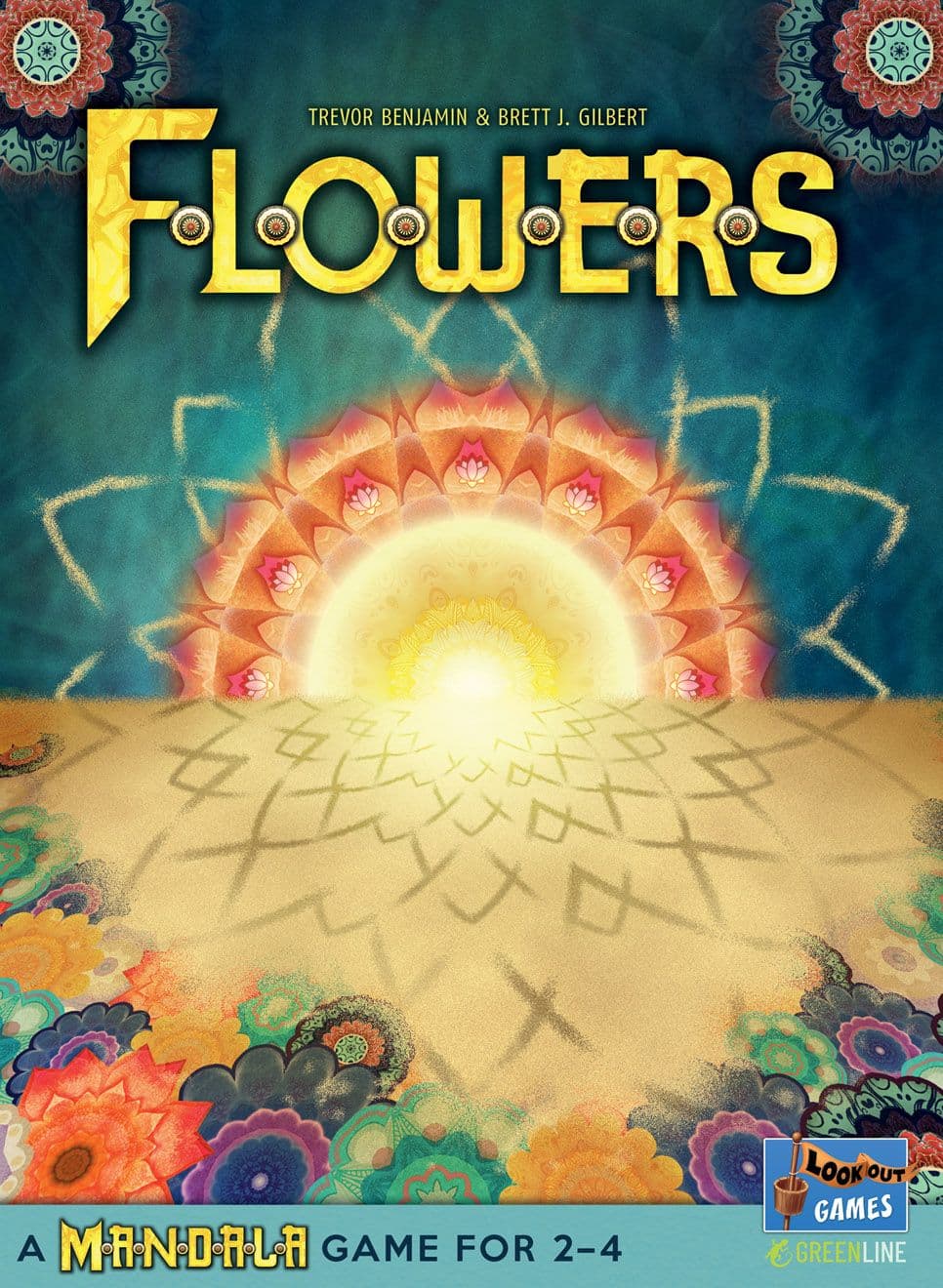
2024Welcome to the serene yet fiercely competitive world of Flowers, the next captivating entry in the acclaimed Mandala game series. In this beautifully abstract game, players take on the role of artful gardeners competing to cultivate the most stunning floral arrangements. Your goal is to score points by skillfully collecting pairs of half-flower tiles, combining them into complete, high-value blossoms. The central playing area, a fabric cloth depicting three large mandalas, serves as the garden bed where these valuable tiles are contested. Victory belongs to the player who can most cleverly manage their hand of cards and influence these shared spaces, ultimately assembling the most impressive collection of completed flowers by the game's end. It’s a game of quiet calculation and tactical foresight, where every card played contributes to a beautiful, unfolding pattern of competition.
The gameplay in Flowers is elegantly simple to learn but offers compelling strategic depth. On your turn, you will play one or more cards of a single color from your hand to one of the three mandala zones on the board. This action is governed by a crucial hand management decision: play a single card to build your presence slowly, and you are rewarded by drawing two new cards; or, commit multiple cards at once to assert dominance, forgoing the opportunity to replenish your hand. This creates a constant, delicious tension. Furthermore, the first time a color is played to a mandala, the cards remain face-up, but any subsequent plays of that same color are placed face-down. This introduces an element of hidden information and memory, as players vie for majority control. A player with the most cards in a mandala claims a special token, marking their temporary control and putting them in prime position to claim a prize.
The heart of the game’s interaction lies in completing and "destroying" the mandalas. Once all six colors of cards are present in a single mandala, it is scored. The player holding the claim token gets the first choice of the two flower tiles within, while the player with the second-most cards takes the remaining one. This area majority contest is the core driver of conflict, forcing players to anticipate their opponents' moves and carefully time their own commitments. The tiles you collect are then used for set collection, pairing them up to create completed flowers. The scoring mechanism adds another strategic wrinkle, as completing a flower often involves doubling the point value of one of its halves, making certain combinations far more valuable than others. Flowers is beloved for this blend of accessible rules and deep, recurring tactical puzzles. It delivers a highly interactive, quick-playing experience that feels both thinky and wonderfully dynamic, making it a perfect choice for players seeking a clever and visually appealing challenge.
2-4 30m⚖️ 1.5