Thematic Games
Browse all Thematic board games in the Meeple Pulse database.
Styles
AbstractAbstract StrategyAdventureAnimalsCard GameChildren's GameCivilizationCo-operativeCompetitiveDiceEconomicEducationalEuroExpansion for Base-gameFamilyFantasyFightingHistoricalHorrorMedium HeavyPartyParty GamePrint & PlayPuzzle-LikeRacingReal-timeSpace ExplorationSportsStrategyTerritory BuildingThematicWargame
Themes
AbstractAdventureAncientAnimalsArtBusinessCard GameCo-operativeComic BookCooperativeCrimeEconomicEnvironmentalismExplorationFantasyHistoricalHorrorHumorIntrigueLiteraryMagicMarvelMedievalModernMuseumMysteryMythologyNatureNauticalPoliticalPress Your LuckSatireSci-FiSocial CommentarySocial InteractionSpaceSuperheroesThematicTravelWarWesternWord-Guessing
Mechanics
3D PlacementActingAction / DexterityAction DraftingAction Point AllowanceAction Point Allowance SystemAction Point SystemAction PointsAction ProgrammingAction QueueAction RetrievalAction SelectionAction/EventAlliancesAlternate ActivationApp-AssistedApp-DrivenArea ControlArea InfluenceArea MajorityArea Majority / InfluenceArea MovementArgumentationAsymmetricAsymmetric FactionsAsymmetric GameAsymmetric PowersAsymmetrical PowersAuction & BiddingAuction/BiddingAuctioningBag BuildingBettingBetting and BluffingBetting and WageringBetting and WagersBiddingBingoBlind BiddingBluffingCampaign / Battle Card DrivenCampaign / LegacyCampaign / Legacy GameCampaign / Mission-basedCampaign / ScenariosCampaign GameCampaign PlayCard DraftingCard DrawingCard DrivenCard Driven ActionCard Driven CombatCard Driven Dice AllocationCard Driven MovementCard ManagementCard PlayCard Play / Hand ManagementCard Play Conflict ResolutionCard SheddingCard-Driven MovementCharacter CreationCharacter ProgressionChit-Pull SystemCo-op PlayCo-operative GameCo-operative PlayCode-breakingCombat ResolutionCombo ChainCommand CardsCommodity SpeculationCommunication LimitsContract FulfillmentContractsCooperative GameCooperative GameplayCooperative PlayCooperative Trick-takingDebateDeck BuildingDeck ConstructionDeck, Bag, and Pool BuildingDeck-BuildingDeductionDexterityDice DraftingDice PlacementDice RollingDiplomatic InfluenceDraftingDynamic Battle SystemEnclosureEnd Game BonusesEngine BuildingEngine-BuildingEscape RoomEvent DrivenExplorationFarmingFlip and WriteFollowFollow ActionGrid CoverageGrid MovementHand ManagementHex-and-CounterHexagon GridHidden MovementHidden RolesI Cut You ChooseIncomeInfluence / Area MajorityLadder ClimbingLegacyLegacy ElementsLegacy GameLegacy SystemLimited CommunicationLine DrawingLine of SightMancalaMap AdditionMap MovementMarketMarket DraftingMarket ManipulationMarket MechanicMarket SpeculationMatchingMeasurement MovementMemoryMission ObjectivesModular BoardModular Board ConstructionMove Through DeckMovement PointsMovement TemplatesMulti-Use CardsMulti-use CardsMultiple ScenariosMust FollowNarrative ChoiceNarrative Choice / ParagraphNegotiationNegotiation MechanicsNetwork & Route BuildingNetwork BuildingNetwork and Route BuildingOne vs ManyOne vs. ManyOpen DraftingOwnershipPaper-and-PencilPartnershipsPattern BuildingPattern RecognitionPick-up and DeliverPlayer EliminationPlayer InteractionPlayer JudgePoint SaladPoint to Point MovementPolyominoesPush Your LuckPush-Your-LuckPuzzlePuzzle-LikePuzzle-SolvingRaceReal-TimeRecipe FulfillmentResource ManagementRole PlayingRole SelectionRoll / Spin and MoveRondelRoute BuildingRoute-BuildingRoute/Network BuildingSanity SystemScenario / Campaign PlayScenario / Mission / Campaign GameScenario / Mission FunctionSecret Unit DeploymentSemi-Cooperative GameSet CollectionSheddingSimulationSimultaneous ActionSimultaneous Action SelectionSimultaneous Hidden AllocationSocial DeductionSocial InteractionSolo / Solitaire GameSpace ExplorationStat Check / Skill CheckStock HoldingStorytellingStrategic PlanningTableau BuildingTactical Decision-MakingTake ThatTargeted CluesTeam PlayTeam-Based GameTeam-Based GuessingTeamworkTech TreesTech Trees / Tech TracksTechnology & Armament TracksTechnology TreeTension & Aggression TracksTile DraftingTile LayingTile PlacementTime TrackTime TravelTower DefenseTrack MovementTradingTrick-takingTug of WarTurn Order: PassTurn Order: Stat-BasedUnit PlacementVariable Phase OrderVariable Player PowersVariable Set-upVariable SetupVictory Point TracksVotingWord AssociationWord GameWord GuessingWord-GuessingWord-guessingWordplayWorker Placement
RANK #343
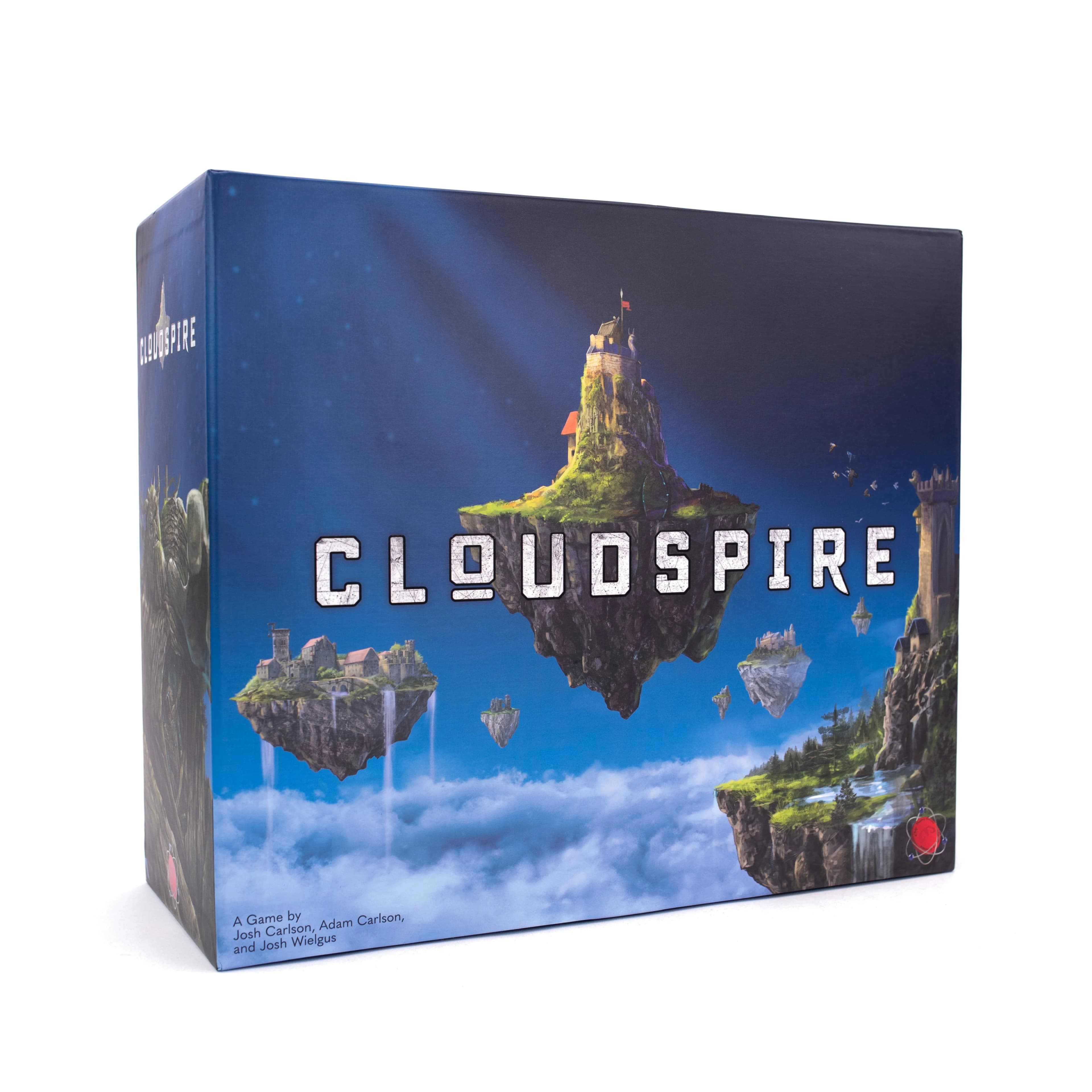
Cloudspire
2019Cloudspire delivers a groundbreaking tabletop experience by expertly translating the high-stakes action of a Multiplayer Online Battle Arena (MOBA) and the strategic foresight of a tower defense game into a physical format. Set in the fantastical floating realm of Ankar, players assume command of one of four highly unique and asymmetrical factions, each with its own distinct units, heroes, and strategies. The primary objective is a direct and uncompromising assault on your opponents' fortresses. Victory is a matter of tactical supremacy, achieved by methodically dismantling enemy defenses and ultimately razing their stronghold to the ground while ensuring your own fortress withstands the relentless onslaught. It’s a game of calculated aggression and stalwart defense where only the most cunning leader will prevail.
The game unfolds over four intense rounds, known as waves, each governed by a structured sequence of phases that guides the flow of battle. The action begins with an Event phase, which can introduce unexpected twists to the current wave. Following this, players gain their primary resource, 'Source', during the Income phase. This resource is then spent in the Market and Build phases to purchase new units and spires, upgrade existing defenses, and enhance their fortress's capabilities. In the Prep phase, players commit their forces, spending Command Points to deploy minions and powerful heroes onto the modular hex-grid game board. The climax of each wave is the Onslaught phase, where units automatically advance along the map, engaging any foes they encounter. Heroes, however, offer a layer of direct control, allowing players to make critical tactical decisions in the heat of battle.
Cloudspire is celebrated for its immense strategic depth and exceptional production quality, a hallmark of its publisher, Chip Theory Games. The game's appeal lies in its successful fusion of genres, creating a puzzle that is both tactically demanding and immensely rewarding. The asymmetry of the factions guarantees a high degree of replayability, as mastering one faction feels entirely different from commanding another. This is further enhanced by the game's robust support for multiple play styles, offering meticulously designed rulesets for solo, cooperative, and fiercely competitive player-versus-player engagements. For players who crave a complex, component-rich wargame with high player interaction and a fresh take on established video game concepts, Cloudspire stands as a monumental achievement in modern board game design.
1-4 120m⚖️ 4.4

RANK #409
Arydia: The Paths We Dare Tread invites players into a sprawling, open-world fantasy experience designed for cooperative play. In this epic role-playing board game, you and your companions embody exiles, individuals cast out from society and striving to find their way back. Your journey will be a grand campaign across the vast and mysterious lands of Arydia, a world brimming with quests to undertake, secrets to uncover, and a rich narrative to shape. The game is built upon four foundational pillars—Exploration, Progression, Combat, and Role-playing—promising a deeply immersive adventure where your choices have a tangible impact on the evolving story and the world around you.
The core gameplay loop is a dynamic blend of discovery and conflict. Players begin by creating a unique hero, choosing a distinct path (class) and race, each with special abilities and represented by a beautifully pre-painted miniature. The world of Arydia is revealed through a modular map of hexagonal tiles, which are flipped as you travel to unveil everything from bustling cities to perilous wilds. During "Adventure mode," you'll interact with non-player characters, investigate points of interest, and accept quests that propel the story forward. When danger arises, the game seamlessly transitions to "Combat mode," a tactical, turn-based affair on a gridded map where teamwork is paramount to overcoming AI-controlled adversaries.
What truly sets Arydia apart is its innovative "green legacy" system. This design choice offers the persistent, evolving world and unlockable content of a traditional legacy game but with a crucial difference: it's entirely resettable and replayable. Nothing is permanently destroyed, allowing you to experience the 40+ hour campaign multiple times or share the adventure with a new group. The character progression is robust, allowing you to acquire powerful new weapons, items, and skills. Combat is also noteworthy for its unique pattern-based attack system, where you must strategically target specific zones on an enemy's card, carefully navigating their armor to land effective blows. With a convenient index system for saving progress, Arydia delivers an accessible yet deeply strategic campaign for those who dare to tread its paths.
1-4 150m⚖️ 4.0
RANK #441
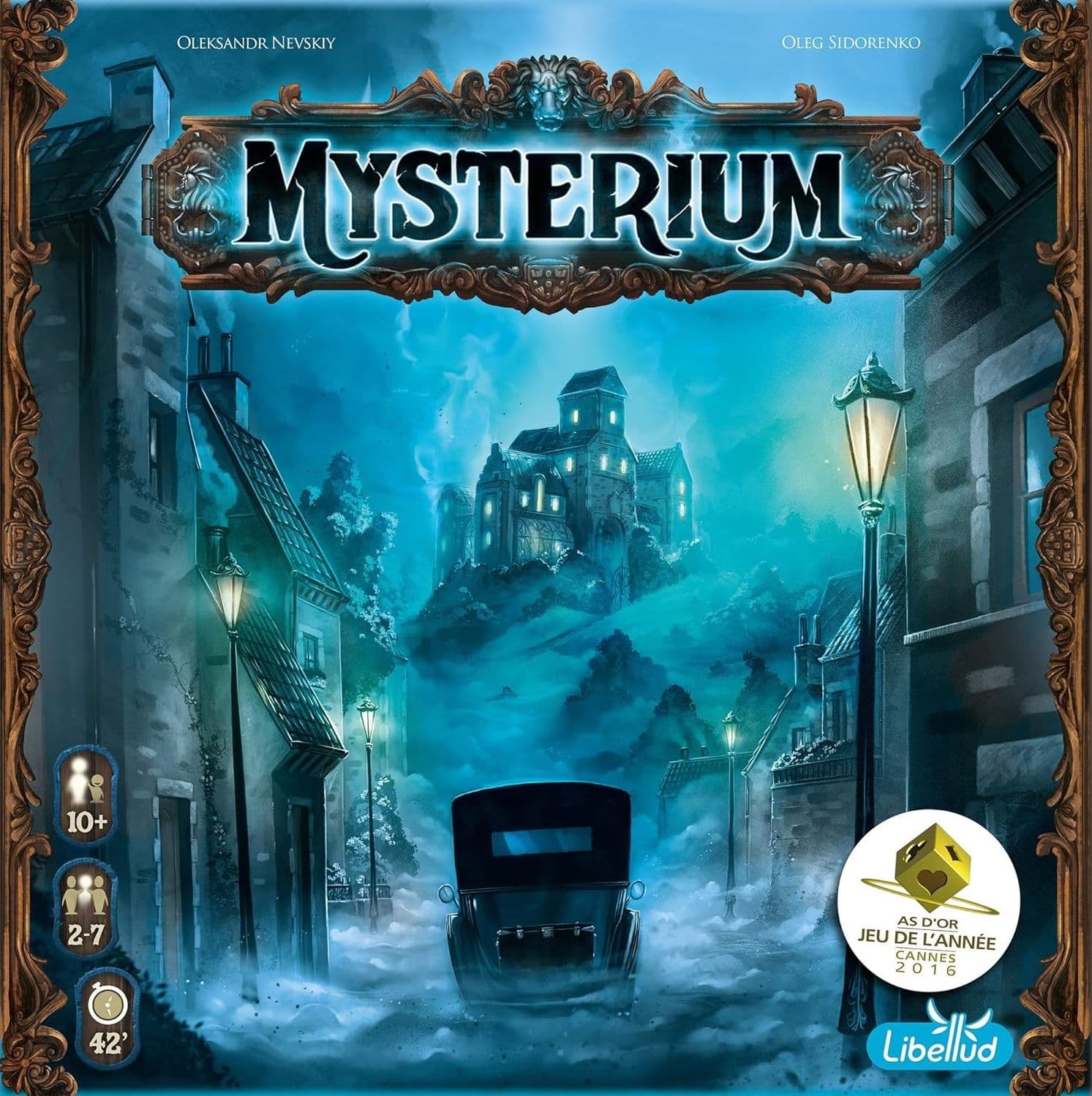
Mysterium
2015Mysterium is a cooperative board game for 2-7 players, designed by Julienne Laforce, Giovanni Lapenta, and Jeremy Holmes, published by Asmodee Editions. This game takes you on an eerie journey where one player takes on the role of a ghost trying to communicate with four psychic mediums to solve murder mysteries. The ghost's goal is to guide the psychics to reveal the correct suspects, motives, and locations before time runs out.
In Mysterium, each player takes turns playing as a psychic medium, receiving visions from the ghost through a mysterious portal. These visions are represented by cards with different symbols, colors, and numbers. The players must work together to figure out what the ghost is trying to say and make decisions based on the information provided.
As the game progresses, the psychics will receive new clues and piece together the mystery. However, they must do so before the time runs out, or else the murder will remain unsolved. The game requires strategic thinking, deduction, and teamwork to solve the crime.
What makes Mysterium unique is its cooperative gameplay, where players work together to achieve a common goal. Each player has their own role and abilities, making each playthrough different. Additionally, the game's atmosphere and artwork are designed to evoke feelings of mystery, suspense, and fear, immersing players in an eerie world.
Mysterium is perfect for fans of cooperative games, murder mysteries, and puzzle-solving. The unique gameplay mechanic and immersive atmosphere make it a standout title among modern board games.
(And now, if you'll excuse me, I'll just go ahead and solve this murder mystery... or maybe not.)
2-7 60m⚖️ 3.0
RANK #475
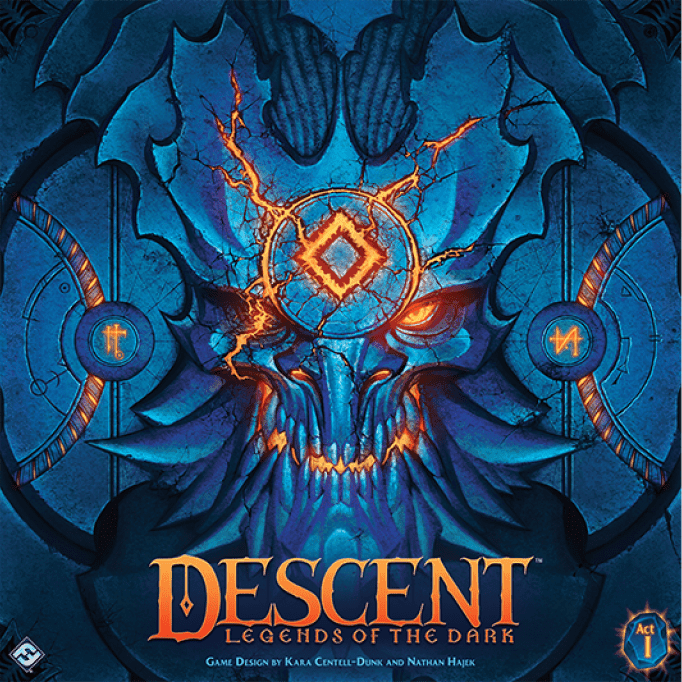
Embark on an epic adventure in the fantasy world of Terrinoth with *Descent: Legends of the Dark*, a sprawling, fully cooperative dungeon-crawling board game for one to four heroes. This is not a new edition of *Descent: Journeys in the Dark*, but an entirely distinct, standalone experience built from the ground up around a required digital companion app. Players take on the roles of unique heroes, each with their own backstory and playstyle, and work together to unravel the mysteries of the overarching "Blood and Flame" campaign. The app serves as the game master, controlling monster AI, tracking all game state information, and weaving a rich narrative that responds to the players' choices and actions, creating a seamless and immersive storytelling experience.
The gameplay blends tactical combat with deep character customization through an innovative mechanical framework. During a scenario, heroes take turns spending three actions to maneuver across stunning, multi-level 3D terrain, attack menacing foes, and interact with points of interest. One of the game's most celebrated mechanics is its use of double-sided hero and weapon cards. Players can spend fatigue to trigger powerful abilities but must eventually use an action to 'ready' their cards, flipping them to their opposite side to clear the fatigue and unlock an entirely different set of skills. This creates a compelling resource management puzzle on top of the dice-driven combat, forcing players to make critical decisions about when to push their limits and when to prepare for the next threat.
What sets *Descent: Legends of the Dark* apart is its seamless integration of the tactical quest phase with a robust city management phase. Between adventures, the heroes return to the city of Frostgate, where they can use materials and experience gained to craft powerful new weapons, upgrade their existing gear, and purchase valuable items. This RPG-lite progression system allows players to feel a real sense of growth and ownership over their characters as the campaign unfolds. By offloading the complex bookkeeping and enemy management to the companion app, the game allows players to focus entirely on cooperative strategy, character development, and the unfolding story, making it a modern, accessible, and deeply engaging dungeon crawl that has been praised for its narrative depth and clever design.
1-4 150m⚖️ 2.7

RANK #1,127
Conflict of Heroes: Awakening the Bear! – Russia 1941-42 plunges players into the brutal, tactical squad-level combat of the Eastern Front during the initial German invasion of the Soviet Union. As the inaugural title in the acclaimed Conflict of Heroes series, this game is celebrated for its historical fidelity and engaging system. Players take command of either German or Soviet forces, maneuvering individual infantry squads, machine gun teams, and tanks across modular, geomorphic map boards. The goal is not simply to eliminate the enemy but to achieve specific objectives outlined in one of the game's many scenarios, which range from desperate holding actions to bold armored assaults. Success hinges on careful planning, effective use of terrain for cover, and exploiting the unique strengths and weaknesses of your units in the face of a determined opponent.
The game's design revolutionized tactical wargaming by abandoning the rigid 'I Go, You Go' turn sequence for a far more dynamic and fluid system. Each unit begins a round with a full complement of Action Points (APs), typically seven. A player activates one unit at a time, spending its APs to perform actions like moving or firing. Once that unit's activation is complete, it is marked as 'spent' for the round, even if it has APs remaining. This forces difficult choices about which units to activate and when. Crucially, this system is highly interactive; an enemy unit that is fired upon may have the opportunity to spend its own APs to fire back immediately, creating a tense, reactive battlefield. This core engine is supplemented by Command Action Points (CAPs) and special action cards, which grant players powerful abilities and tactical flexibility to influence the tide of battle.
Awakening the Bear! is lauded for its remarkable ability to be both accessible to newcomers and deeply rewarding for veteran wargamers. Its programmed learning system, presented through a 'learn-as-you-play' rulebook, allows players to grasp the fundamentals and start their first scenario within minutes. Yet, beneath this simple entry point lies a game of profound tactical depth, where every decision about positioning, line of sight, and action economy is critical. The dynamic activation system creates a compelling narrative and a constant sense of engagement, eliminating downtime and keeping both players invested in every move. This elegant balance of accessibility, strategic depth, and historical flavor has cemented its status as a modern classic in the wargaming genre.
2-4 90m⚖️ 3.2
RANK #2,015
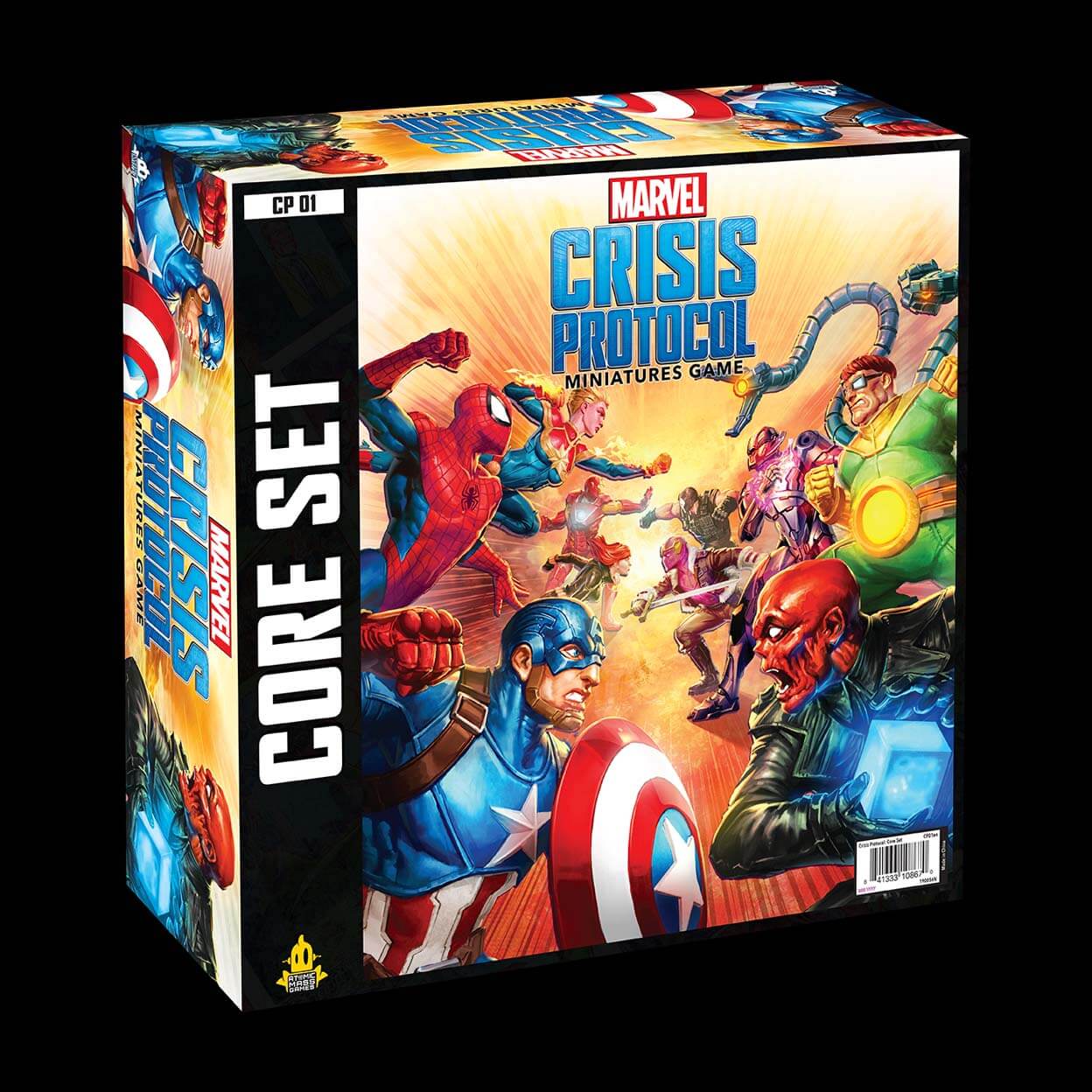
Marvel: Crisis Protocol is a dynamic tabletop miniatures game where two players assemble, paint, and battle with teams of iconic characters from the Marvel Universe. More than just a fight to the finish, the game is an objective-based contest where strategy and positioning are paramount. Players take on the role of leaders, guiding their hand-picked squad of heroes and villains through a unique crisis scenario. The ultimate goal is to be the first to accumulate 16 Victory Points by controlling key locations on the battlefield and securing valuable assets, all while unleashing spectacular superpowers. Each game presents a new tactical puzzle, demanding players to adapt their strategy to the ever-changing state of the conflict and the unique combination of objectives in play.
Gameplay is defined by its innovative roster-building and scenario-generation systems. Before the game, each player creates a roster of ten characters, from which they will select their squad for the specific mission. The mission itself is determined by combining a "Secure" Crisis card, which dictates objective zones to control, with an "Extraction" Crisis card, which involves characters grabbing and holding objective tokens. This combination sets a "Threat Level" that limits which characters a player can field, ensuring balanced and varied matchups. During a round, players alternate activating one character, who can perform two actions like moving, attacking, or using a special ability. A core mechanic is the "Power" resource. Characters gain Power when they take damage, creating a thrilling ebb and flow where a hero on the ropes can power up for a devastating counter-attack, spending that energy to unleash their most famous and powerful abilities.
The game's immense appeal lies in its fusion of accessible rules with deep tactical gameplay, making it an excellent gateway into the miniatures hobby. While the core mechanics are straightforward, mastering character synergies, managing the Power economy, and utilizing the highly interactive terrain provides a rich strategic experience. The environment itself is a weapon; characters with superhuman strength can hurl cars, dumpsters, and newsstands at their opponents, creating cinematic moments straight from the comics. The high-quality miniatures are a hobbyist's delight, offering fantastic canvases for painting. Above all, Crisis Protocol excels at capturing the feel of a superhero battle, delivering a thematic, action-packed experience that is visually stunning and endlessly replayable thanks to its modular scenario system and ever-expanding roster of characters.
2 90m⚖️ 2.9
BoxNo Cover Art
RANK #2,863
Bringing the frenetic energy of the critically acclaimed real-time strategy video game to the tabletop, the 'Company of Heroes' board game offers a masterful blend of miniature skirmishes and resource-driven warfare. Officially licensed by SEGA and Relic Entertainment, this World War II simulation challenges commanders to secure victory through tactical brilliance. Players aim to either dominate the battlefield by accumulating enough Victory Points through holding strategic map locations or achieve an outright Annihilation victory by pushing their forces across the terrain to demolish the enemy headquarters. It captures the thrilling duality of macro-level economic management and micro-level squad tactics.
Gameplay revolves around an elegant, map-based economic system where territorial control is paramount. Rather than relying on traditional, complex Combat Results Tables, the game utilizes a streamlined Action Point system. Players take turns spending action cubes to maneuver units, seize control points, and harvest vital resources like Manpower, Munitions, and Fuel. These resources fund an escalating war effort, allowing commanders to construct base buildings, unlock advanced tech trees, and deploy specialized infantry alongside formidable light and heavy vehicles. Combat is resolved using a custom dice-driven engine that heavily rewards spatial positioning. Tactical depth emerges from utilizing three-dimensional building cover, managing line of sight, navigating the fog of war, and executing flanking maneuvers to strike the vulnerable rear armor of enemy tanks.
The widespread appeal of 'Company of Heroes' lies in its phenomenal ability to recreate the dynamic pacing of its digital counterpart without getting bogged down by excessive rules overhead. Fans praise the seamless integration of resource generation with visceral tactical combat, creating a deeply rewarding learning curve. The inclusion of unique Commander loadouts provides endless strategic variety, allowing players to customize their faction with specialized units and powerful, single-use operational abilities. Furthermore, the robust system is incredibly versatile, scaling gracefully from a tense solo or two-player duel up to massive, cinematic team battles accommodating up to eight players. It successfully bridges the gap between accessible, lighter wargames and deep, heavy simulations, delivering a captivating tabletop experience.
1-8 90m⚖️ 3.4

Solarion: Foundation of Empires is a competitive science-fiction board game for one to four players that blends deep strategy with epic galactic conquest. Players assume control of one of four distinct, asymmetric factions—the Terran, Oceanus, XES, or Ursalian—each vying for supremacy over a newly discovered star system. The ultimate goal is to accumulate the most Victory Points by the end of the game's third 'Galactic Age'. Points are primarily earned by achieving dominance over a modular, hex-based galaxy, controlling valuable resource-producing planets, and seizing the highly coveted, energy-rich 'Solarion' worlds. Establishing control over entire sectors of space provides significant boosts, making territorial expansion a critical path to victory.
The core of the gameplay revolves around a clever integration of deck-building and area control. Each player manages a personal technology deck, which they use to generate resources, deploy their five unique unit types, and execute powerful actions on the board. A central, dynamic card market, which evolves over the three ages of the game, presents a constantly shifting array of technologies to acquire and add to your deck. A standout feature is the game's deterministic, diceless combat system. Instead of relying on chance, battles are resolved purely through strategic positioning, fleet composition, and tactical card play, rewarding foresight and careful planning. The game concludes without player elimination when the card market is exhausted or a player places their final colony, ensuring all participants remain engaged until the final scoring.
What makes Solarion: Foundation of Empires so compelling is its synthesis of proven mechanics into a fresh and challenging experience. It draws inspiration from the deck-building area-control of games like *Tyrants of the Underdark* and the grand-scale space exploration of *Eclipse*, creating a unique strategic puzzle. The complete absence of luck in combat is a major draw for players who crave a pure test of skill. Combined with the high replayability offered by the modular board, asymmetric faction abilities, and a vast technology deck, the game promises a different strategic landscape with every session. Its dedicated solo mode and streamlined setup options further broaden its appeal, making it an anticipated title for any fan of medium-to-heavy strategy games seeking a rich, thematic, and rewarding 4X experience.
1-4 140m⚖️ 3.9
BoxNo Cover Art
Nemesis
1996Nemesis is a critically acclaimed, highly thematic survival-horror board game that masterfully captures the terrifying essence of cinematic science-fiction nightmares. Waking up from hibernation aboard a derelict spaceship, players immediately face a grim reality: the ship is suffering critical system failures, and hostile, terrifying alien entities known as Intruders are lurking in the shadows. The ultimate goal of the game is simply to survive, whether that means repairing the ship's coordinates to return safely to Earth, escaping in a designated evacuation pod, or re-entering hibernation. However, surviving in the cold vacuum of space is easier said than done, as every corner of the modular board presents new dangers and deadly encounters.
The core gameplay revolves around a tense blend of action hand management, push-your-luck exploration, and a uniquely unforgiving noise and spawning system. Players take turns executing actions like moving, searching for vital equipment, or firing weapons by playing cards from their unique, character-specific decks. Because the ship is built from randomized, face-down modular tiles, exploration is a terrifying prospect. Every step taken requires a critical noise roll, placing sound tokens in adjacent corridors. If a player blunders into an area where a noise token already exists, an Intruder violently spawns, forcing combat or panicked flight. After the players act, an event phase unfolds where the alien menace multiplies, fires spread across the ship, and vital systems continue to critically malfunction.
What truly elevates Nemesis to legendary status within the tabletop community is its brilliant integration of hidden roles and semi-cooperative paranoia. At the beginning of the game, each player receives a set of secret corporate and personal objectives. While some might align with the group's overall survival, others may require sabotaging the ship's destination or even ensuring the demise of a fellow crewmate. Once the first alien makes its horrifying appearance, players must commit to one of these hidden paths, permanently altering the dynamic of the session. This potent mix of fragile alliances, sudden betrayals, and deeply atmospheric narrative moments creates unforgettable, cinematic stories that keep players returning to the dark, blood-stained corridors of the ship again and again.
1-5 180m⚖️ 3.4
BoxNo Cover Art
Museum: The Archaeologists is a board game designed for 2-4 players, where each player takes on the role of an archaeologist tasked with excavating and reconstructing ancient artifacts. The game's primary objective is to be the first player to collect and restore three artifacts, which are represented by various components such as cards, tokens, and miniatures. Players must navigate through a modular board, which consists of interlocking tiles that represent different excavation sites. Each site has its unique challenges and opportunities, requiring players to strategically plan their moves and allocate resources effectively.
m⚖️ 3.5
BoxNo Cover Art
Starseer
2017Starseer is a game that challenges players to explore and settle new planets, managing resources and making strategic decisions to ensure the survival of their civilization. The game is set in space, where players take on the role of starseers, tasked with discovering and colonizing new worlds. Each player has a unique set of abilities and strengths, which they must use to overcome the challenges of space travel and planetary settlement.
Gameplay involves managing resources such as food, water, and energy, as well as researching new technologies to improve their chances of success. Players must also navigate the risks of space travel, including asteroid fields, black holes, and hostile alien encounters. The game features a modular board, with interlocking tiles representing different planets and celestial bodies.
One of the unique aspects of Starseer is its focus on exploration and discovery. Players must explore new planets, gather resources, and make strategic decisions about which worlds to settle and how to manage their colonies. This requires a combination of strategic thinking and tactical decision-making, as players balance short-term needs with long-term goals.
Starseer has gained a loyal following among fans of space-themed games and strategy enthusiasts. Its unique blend of exploration, resource management, and strategic decision-making makes it an engaging and challenging experience for players.
2-4 60m⚖️ 3.5
BoxNo Cover Art
Arctic Scavengers: Recon is a strategic board game designed for 2-4 players, where each player takes on the role of an explorer seeking to uncover valuable resources in the harsh Arctic environment. The game's objective is to be the first player to collect and return three sets of essential supplies, including food, water, and medical equipment, while navigating through a modular board featuring various terrain types and weather conditions. Players must carefully manage their resources, as the game includes a unique 'Recon' mechanism that allows players to send scouts to gather information about the environment and potential hazards. This mechanic adds an element of strategy and risk management, as players must weigh the benefits of gathering information against the potential costs of sending their scouts into harm's way. The game also features a variety of challenges and obstacles, including blizzards, crevasses, and wildlife encounters, which can either hinder or help players in their quest for survival.
2-4 60m⚖️ 3.5