Space Games
Browse all Space board games in the Meeple Pulse database.
Styles
Themes
AbstractAdventureAncientAnimalsArtBusinessCard GameCo-operativeComic BookCooperativeCrimeEconomicEnvironmentalismExplorationFantasyHistoricalHorrorHumorIntrigueLiteraryMagicMarvelMedievalModernMuseumMysteryMythologyNatureNauticalPoliticalPress Your LuckSatireSci-FiSocial CommentarySocial InteractionSpaceSuperheroesThematicTravelWarWesternWord-Guessing
Mechanics
3D PlacementActingAction / DexterityAction DraftingAction Point AllowanceAction Point Allowance SystemAction Point SystemAction PointsAction ProgrammingAction QueueAction RetrievalAction SelectionAction/EventAlliancesAlternate ActivationApp-AssistedApp-DrivenArea ControlArea InfluenceArea MajorityArea Majority / InfluenceArea MovementArgumentationAsymmetricAsymmetric FactionsAsymmetric GameAsymmetric PowersAsymmetrical PowersAuction & BiddingAuction/BiddingAuctioningBag BuildingBettingBetting and BluffingBetting and WageringBetting and WagersBiddingBingoBlind BiddingBluffingCampaign / Battle Card DrivenCampaign / LegacyCampaign / Legacy GameCampaign / Mission-basedCampaign / ScenariosCampaign GameCampaign PlayCard DraftingCard DrawingCard DrivenCard Driven ActionCard Driven CombatCard Driven Dice AllocationCard Driven MovementCard ManagementCard PlayCard Play / Hand ManagementCard Play Conflict ResolutionCard SheddingCard-Driven MovementCharacter CreationCharacter ProgressionChit-Pull SystemCo-op PlayCo-operative GameCo-operative PlayCode-breakingCombat ResolutionCombo ChainCommand CardsCommodity SpeculationCommunication LimitsContract FulfillmentContractsCooperative GameCooperative GameplayCooperative PlayCooperative Trick-takingDebateDeck BuildingDeck ConstructionDeck, Bag, and Pool BuildingDeck-BuildingDeductionDexterityDice DraftingDice PlacementDice RollingDiplomatic InfluenceDraftingDynamic Battle SystemEnclosureEnd Game BonusesEngine BuildingEngine-BuildingEscape RoomEvent DrivenExplorationFarmingFlip and WriteFollowFollow ActionGrid CoverageGrid MovementHand ManagementHex-and-CounterHexagon GridHidden MovementHidden RolesI Cut You ChooseIncomeInfluence / Area MajorityLadder ClimbingLegacyLegacy ElementsLegacy GameLegacy SystemLimited CommunicationLine DrawingLine of SightMancalaMap MovementMarketMarket DraftingMarket ManipulationMarket MechanicMarket SpeculationMatchingMeasurement MovementMemoryMission ObjectivesModular BoardModular Board ConstructionMovement TemplatesMulti-Use CardsMulti-use CardsMultiple ScenariosMust FollowNarrative ChoiceNarrative Choice / ParagraphNegotiationNegotiation MechanicsNetwork & Route BuildingNetwork BuildingNetwork and Route BuildingOne vs ManyOne vs. ManyOpen DraftingPaper-and-PencilPartnershipsPattern BuildingPattern RecognitionPick-up and DeliverPlayer EliminationPlayer InteractionPlayer JudgePoint SaladPoint to Point MovementPolyominoesPush Your LuckPush-Your-LuckPuzzlePuzzle-LikePuzzle-SolvingRaceReal-TimeRecipe FulfillmentResource ManagementRole PlayingRole SelectionRoll / Spin and MoveRondelRoute BuildingRoute-BuildingRoute/Network BuildingSanity SystemScenario / Campaign PlayScenario / Mission / Campaign GameScenario / Mission FunctionSecret Unit DeploymentSemi-Cooperative GameSet CollectionSheddingSimulationSimultaneous ActionSimultaneous Action SelectionSimultaneous Hidden AllocationSocial DeductionSocial InteractionSolo / Solitaire GameSpace ExplorationStat Check / Skill CheckStock HoldingStorytellingStrategic PlanningTableau BuildingTactical Decision-MakingTake ThatTargeted CluesTeam PlayTeam-Based GameTeam-Based GuessingTeamworkTech TreesTech Trees / Tech TracksTechnology & Armament TracksTechnology TreeTension & Aggression TracksTile DraftingTile LayingTile PlacementTime TrackTime TravelTower DefenseTrack MovementTradingTrick-takingTug of WarTurn Order: PassTurn Order: Stat-BasedUnit PlacementVariable Phase OrderVariable Player PowersVariable Set-upVariable SetupVictory Point TracksVotingWord AssociationWord GameWord GuessingWord-GuessingWord-guessingWordplayWorker Placement
RANK #7
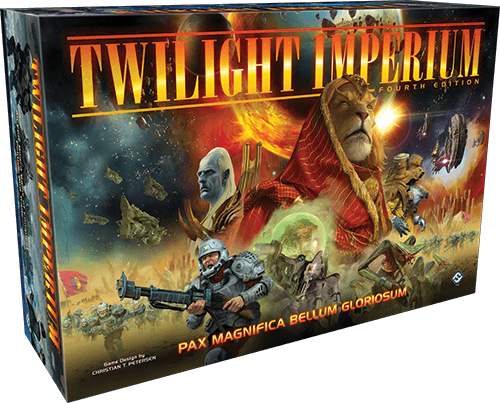
Embark on an unparalleled odyssey of galactic conquest and political intrigue with Twilight Imperium: Fourth Edition (2017), the ultimate grand strategy board game where diverse civilizations clash for ultimate dominion. Players will meticulously expand their empires, manage intricate economic engines, and forge powerful alliances through cunning diplomacy, all while researching cutting-edge technologies to outmaneuver rivals. Prepare for epic space battles, negotiate delicate treaties, and navigate a sprawling, ever-changing galaxy where every decision reverberates across the cosmos. This monumental experience challenges players to assert their strategic prowess and diplomatic acumen to seize control of Mecatol Rex and claim the Imperial Throne.
3-6 360m⚖️ 4.3

RANK #25
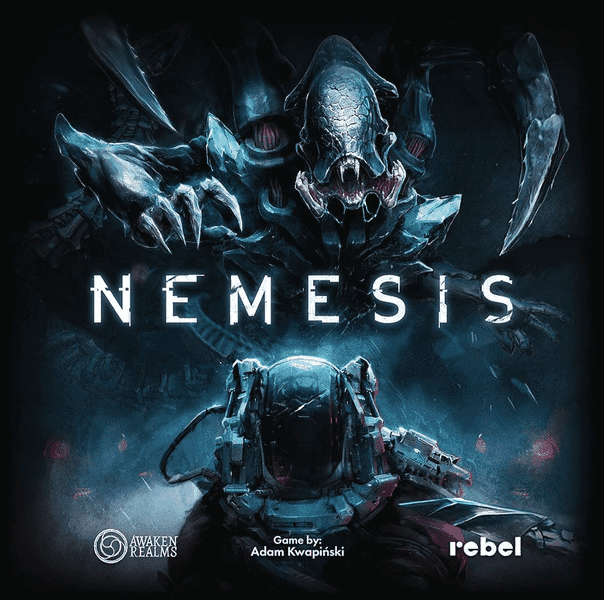
Nemesis
2018Nemesis is a deeply thematic science-fiction horror board game that thrusts players into a desperate fight for survival aboard a dark, crippled spaceship infested with hostile alien lifeforms. Waking from cryosleep, the crew must figure out what happened, repair critical ship systems, and chart a course back to Earth—or safely enter hibernation before the vessel is destroyed. However, true cooperation is an illusion. While players share the overarching desire to survive, each person harbors a secret personal objective that must be completed to achieve individual victory. These hidden agendas might align with the group's needs, but they can just as easily require the outright betrayal or death of fellow crewmates, instantly sowing seeds of profound suspicion among the survivors.
The core gameplay loop is fueled by a blend of hand management, resource gathering, and tense exploration across a randomly generated, modular board layout. As players move from room to room, they draw cards and expend them to perform crucial actions like searching for weapons, activating computer terminals, or firing at enemies. Movement inherently generates noise in the surrounding corridors. Accumulate too much noise in one area, and the terrifying Intruders will be drawn out of the shadows to strike. When physical confrontations inevitably happen, combat is resolved through brutal, unpredictable dice rolls where every decision feels incredibly risky. Rounds are split between the player phase, where individuals manage their limited hands, and the terrifying event phase, where the ship's condition deteriorates, fires spread, and the alien threat relentlessly advances.
What truly elevates Nemesis to a modern classic is its unparalleled ability to generate cinematic, water-cooler moments dripping with paranoia and suspense. The semi-cooperative nature of the game guarantees that players can never fully trust one another. You never know if your partner is locking the blast doors to protect you from an incoming alien, or sealing you in to guarantee their own escape via the final pod. This high-stakes, narrative-rich interaction ensures that every session plays out like a unique, nail-biting space horror film where simply making it out alive feels like a monumental triumph.
1-5 135m⚖️ 3.4
RANK #83
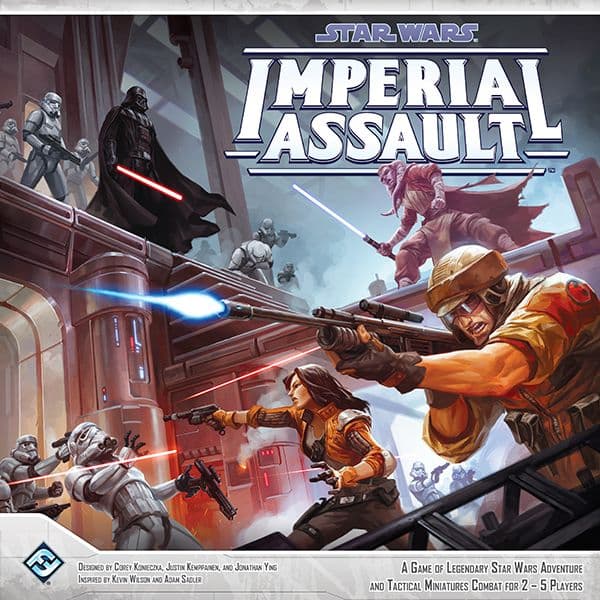
Immerse yourself in the Galactic Civil War with Star Wars: Imperial Assault, a monumental tactical board game offering two distinct experiences within a single box. In the story-driven campaign mode, one player assumes the role of the Galactic Empire, commanding legions of stormtroopers and iconic villains, while up to four other players become heroes of the Rebellion. Together, these heroes embark on a series of thrilling, interconnected missions, where their choices and the outcome of each battle shape a branching narrative. Alternatively, the game offers a two-player skirmish mode, a tense, head-to-head tactical competition where players assemble customized strike teams of Imperial, Rebel, or Mercenary forces and battle over critical objectives to earn victory points in fast-paced arena combat.
The core of Imperial Assault's gameplay is built upon a foundation of tactical, grid-based combat on modular map tiles that create unique environments for every mission. During a round, players alternate activating their figures, each of which can perform two actions like moving, attacking, or interacting with the environment. Combat is resolved through a dramatic roll of custom attack and defense dice, which not only determine damage but also generate special 'surge' results. These surges can be spent to trigger a figure's unique abilities, adding a layer of strategic decision-making to every attack. Between missions in the campaign, the game features a robust progression system. Rebel heroes earn experience to learn powerful new skills and use credits to acquire advanced weapons and gear, while the Imperial player gains influence to deploy more dangerous threats and enact cunning schemes.
Star Wars: Imperial Assault is beloved for its deep thematic integration and the sheer variety of its gameplay. The "one-versus-many" campaign delivers a rich, cinematic experience, making the Imperial player feel like a true gamemaster weaving a story of galactic conflict. The skirmish mode provides a highly replayable and competitive outlet for players who enjoy strategic list-building and outmaneuvering their opponent. With a wealth of detailed miniatures, a compelling narrative that evolves with player decisions, and a combat system that is both accessible and strategically deep, the game offers an unparalleled Star Wars adventure on the tabletop. Its extensive line of expansions further ensures that the battles for the fate of the galaxy can continue for years to come.
2-5 90m⚖️ 3.3
RANK #101
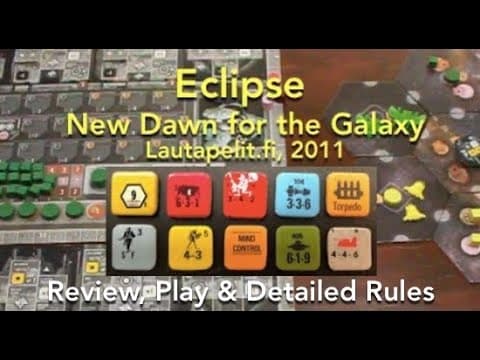
Eclipse: New Dawn for the Galaxy is a critically acclaimed 4X board game that places you at the head of a vast interstellar civilization. Over nine rounds, you must guide your people to dominance by exploring new star systems, researching powerful technologies, and engaging in both diplomacy and warfare. The ultimate goal is to accumulate the most Victory Points, which are earned through a variety of achievements, including controlling galactic sectors, winning decisive battles, forging alliances, and discovering ancient alien artifacts. The game masterfully blends the grand, thematic scope of an 'Ameritrash' space opera with the tight, resource-driven puzzles of a 'Euro-style' game, creating a rich and rewarding strategic experience.
The gameplay revolves around a clever action and upkeep system that forces difficult decisions. On your turn, you perform a single action, such as exploring the modular galaxy, building customized starships, or advancing on a shared technology tree. Each system you control or action you take requires placing an influence disc from your player board. As these discs are used, your civilization's end-of-round upkeep cost increases, creating a tense balance between rapid expansion and economic stability. Players must carefully manage three resources—Materials for building, Science for research, and Money to pay upkeep—generated by colonizing planets, forcing them to weigh every decision against its long-term cost.
What truly sets Eclipse apart is its deep and intuitive ship customization system. Players don't just build generic ships; they design them. Using the Upgrade action, you can add powerful components like improved engines, advanced computers, deadly weapons, and resilient shields directly onto your ship blueprints. This allows for incredible strategic flexibility, as you can tailor your fleets to counter specific opponents or pursue unique combat doctrines. Combat itself is resolved through dice rolls, but the odds are heavily influenced by your custom designs, rewarding clever engineering and tactical foresight. This combination of deep strategic planning, tense economic management, and thrilling, customizable combat makes Eclipse a modern classic in the space strategy genre.
2-6 150m⚖️ 3.7
RANK #128
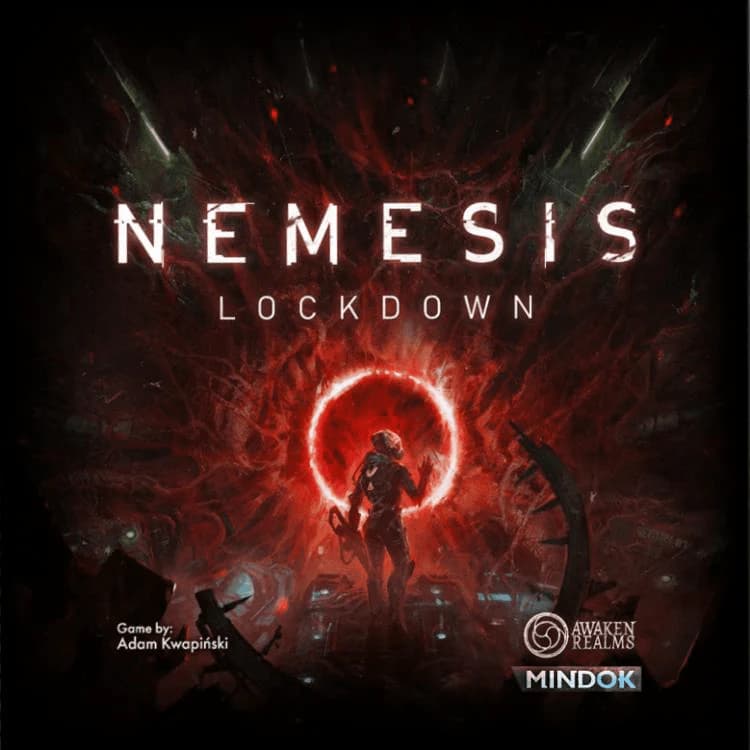
Nemesis: Lockdown is a cinematic, standalone survival-horror experience set on a secret multi-level base on Mars. It is a semi-cooperative game where players, as survivors of an unknown incident, must navigate a hostile facility infested with terrifying alien organisms known as Night Stalkers. While cooperation is essential to overcome the immediate dangers of the base and its predatory inhabitants, each player holds a secret objective that may conflict with the goals of the group. To achieve victory, a player must not only survive the ordeal but also successfully complete their private mission before escaping, creating a deeply tense atmosphere where trust is a scarce and valuable resource.
The gameplay unfolds through a series of rounds, each divided into a Player Phase and an Event Phase. During the Player Phase, individuals take turns performing two actions, the cost of which is paid by discarding action cards from their hand. Actions are varied and crucial, including moving through the labyrinthine base, exploring new rooms, searching for useful items, crafting equipment, and engaging in desperate combat with the aliens. A critical element is managing noise; actions can place noise markers in adjacent corridors, and a second marker in the same location triggers a deadly alien encounter. Lockdown introduces new challenges, most notably the management of the base's power, which can fail and plunge sectors into darkness, adding another layer of strategic depth and terror.
The immense appeal of Nemesis: Lockdown lies in its ability to generate powerful, emergent narratives. The combination of hidden agendas, a modular board, and unpredictable event cards ensures that no two sessions are ever alike, producing unique and memorable stories of heroism, desperation, and betrayal. The core semi-cooperative mechanic is the heart of the game, forcing a delicate balance between teamwork and self-preservation. You need your crewmates to fend off the relentless alien threat, yet you can never be certain of their true intentions. This constant psychological tension, coupled with the game's rich thematic immersion, makes it a premium, high-stakes adventure for players who crave a challenging and deeply engaging tabletop experience.
1-5 120m⚖️ 4.2
RANK #196
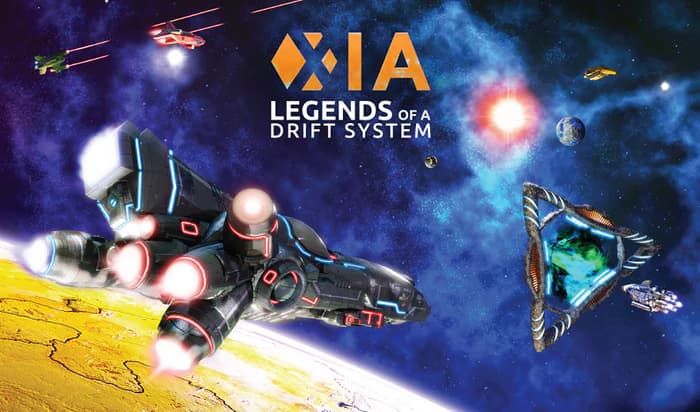
Xia: Legends of a Drift System invites you to stake your claim in a sprawling, open-world space adventure. This is a true 'sandbox' experience where you take the helm of your own starship with a singular goal: to become a legend. Fame is the ultimate currency, and players compete to be the first to reach a predetermined number of Fame Points. How you achieve this status is entirely your decision. Will you become a shrewd interstellar merchant, a daring explorer charting the unknown, a feared pirate preying on others, or a dependable contractor completing vital missions? The galaxy is a vast canvas, and your actions will paint the story of your rise to legendary status.
The gameplay is dynamic and driven by player choice, set against the backdrop of a modular galaxy that is built as you play. The game board begins with just a few sectors, and as captains venture into the unknown, they draw and place new hexagonal tiles, revealing planets, asteroid fields, nebulae, and other celestial phenomena. This ensures that no two games ever feel the same. A player's turn is an active affair, involving actions like moving via a 'roll and move' mechanic determined by your ship's engine power, exploring new tiles, buying and selling goods between planets, mining resources, and engaging in dice-driven combat with NPCs or other players. Central to the experience is the deep ship customization, allowing you to purchase new ship models and outfit them with a tangible array of upgraded engines, shields, and weapons that slot directly onto your ship mat.
What makes Xia a beloved classic is the profound sense of freedom and the powerful emergent narratives it creates. The game doesn't funnel you down a specific path; it provides the tools and the universe, then steps back to let your story unfold. One moment you might be hauling cargo for a modest profit, and the next you could be ambushed by a rival, forcing a desperate escape or a thrilling dogfight. This blend of strategic planning, resource management, and press-your-luck risk creates a highly thematic and immersive journey. Players don't just play a game; they live out a unique sci-fi adventure, making Xia a pinnacle of the sandbox board game genre.
3-5 120m⚖️ 3.2
RANK #197
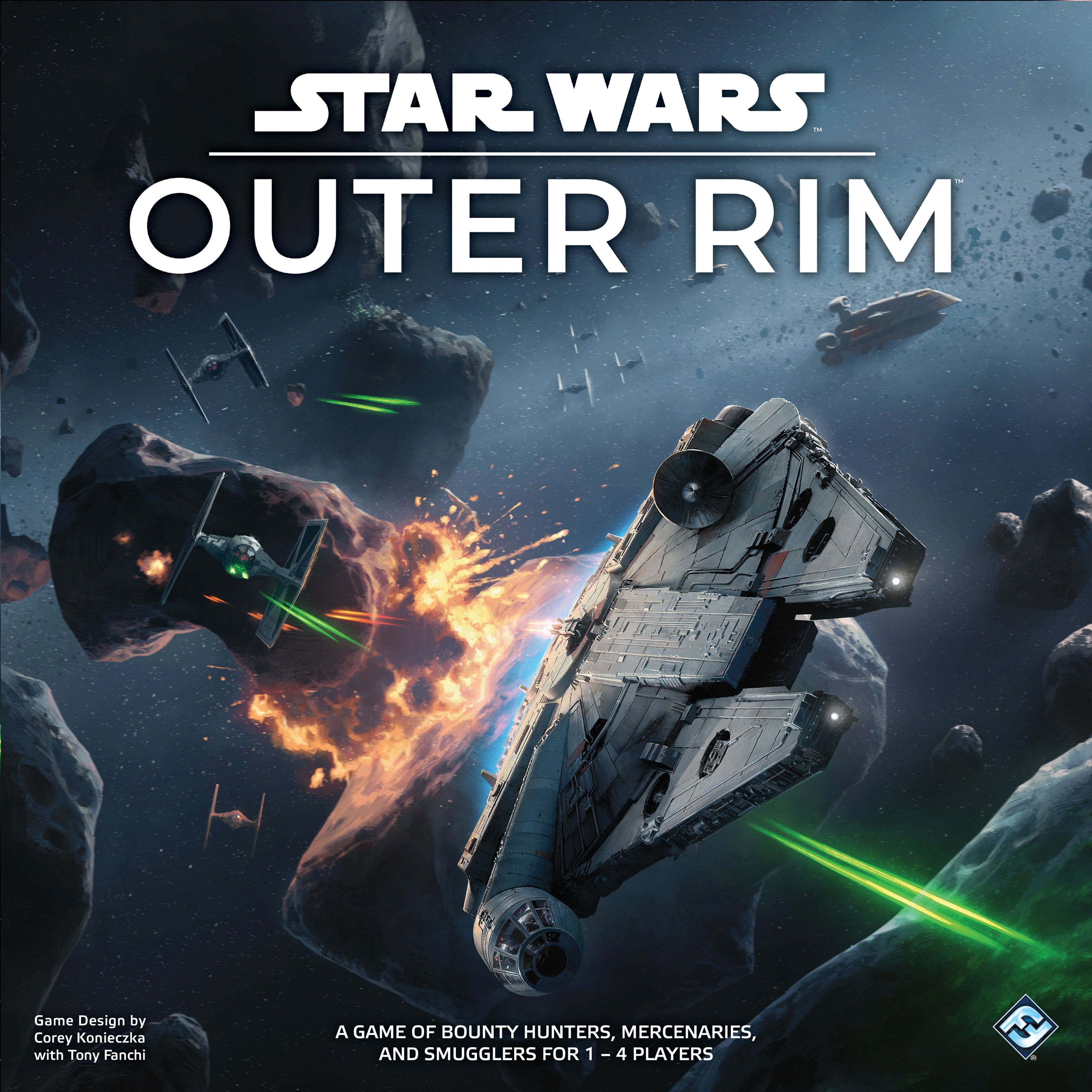
In Star Wars: Outer Rim, you step into the worn boots of a scoundrel, smuggler, or bounty hunter trying to make your name in the lawless fringes of the galaxy. This is a competitive sandbox adventure game where 1 to 4 players take on the roles of iconic characters like Han Solo, Boba Fett, and Doctor Aphra. The ultimate goal is to become a living legend, a status achieved by being the first to accumulate 10 Fame points. You'll earn this prestige by completing dangerous jobs, delivering illicit cargo, successfully hunting down bounties for powerful syndicates, upgrading your iconic starship, and achieving unique personal goals. It's a race to galactic notoriety where your reputation with the galaxy's major factions—the Galactic Empire, the Rebel Alliance, the Hutts, and the Syndicates—will either open doors or put a target on your back.
The gameplay loop is structured to give players significant freedom in how they approach their path to fame. Each turn consists of three key steps. In the Planning Step, you make a crucial decision: move your ship across the modular map of planetary systems, take a moment to repair your ship and heal your character, or take an odd job for a quick infusion of 2,000 credits. The Action Step is where you execute your grand plans, which can involve buying and selling goods at the dynamic market, trading with other players, and turning in completed jobs or bounties. Finally, the Encounter Step immerses you in the world, as you either investigate mysterious contacts on a planet, clash with patrolling faction ships, or draw a narrative card that presents a unique story-driven challenge or opportunity based on your location.
What makes Outer Rim a beloved experience is its profound sense of freedom and emergent storytelling. It's less a game about finding the single most 'optimal' move and more about crafting your own personal Star Wars saga. You can pivot your strategy at any moment: one turn you might be smuggling illegal goods for the Hutts, and the next you could be hunting a bounty issued by the Imperials. Success and failure in these endeavors are often determined by skill checks resolved with custom eight-sided dice, adding moments of thrilling uncertainty. The combination of a pick-up-and-deliver core, robust character progression, and a rich narrative deck ensures that no two games feel the same, offering a highly replayable and deeply thematic journey through the galaxy's most infamous spacelanes.
1-4 150m⚖️ 2.6

Solarion: Foundation of Empires is a competitive science-fiction board game for one to four players that blends deep strategy with epic galactic conquest. Players assume control of one of four distinct, asymmetric factions—the Terran, Oceanus, XES, or Ursalian—each vying for supremacy over a newly discovered star system. The ultimate goal is to accumulate the most Victory Points by the end of the game's third 'Galactic Age'. Points are primarily earned by achieving dominance over a modular, hex-based galaxy, controlling valuable resource-producing planets, and seizing the highly coveted, energy-rich 'Solarion' worlds. Establishing control over entire sectors of space provides significant boosts, making territorial expansion a critical path to victory.
The core of the gameplay revolves around a clever integration of deck-building and area control. Each player manages a personal technology deck, which they use to generate resources, deploy their five unique unit types, and execute powerful actions on the board. A central, dynamic card market, which evolves over the three ages of the game, presents a constantly shifting array of technologies to acquire and add to your deck. A standout feature is the game's deterministic, diceless combat system. Instead of relying on chance, battles are resolved purely through strategic positioning, fleet composition, and tactical card play, rewarding foresight and careful planning. The game concludes without player elimination when the card market is exhausted or a player places their final colony, ensuring all participants remain engaged until the final scoring.
What makes Solarion: Foundation of Empires so compelling is its synthesis of proven mechanics into a fresh and challenging experience. It draws inspiration from the deck-building area-control of games like *Tyrants of the Underdark* and the grand-scale space exploration of *Eclipse*, creating a unique strategic puzzle. The complete absence of luck in combat is a major draw for players who crave a pure test of skill. Combined with the high replayability offered by the modular board, asymmetric faction abilities, and a vast technology deck, the game promises a different strategic landscape with every session. Its dedicated solo mode and streamlined setup options further broaden its appeal, making it an anticipated title for any fan of medium-to-heavy strategy games seeking a rich, thematic, and rewarding 4X experience.
1-4 140m⚖️ 3.9
BoxNo Cover Art
Nemesis
1996Nemesis is a critically acclaimed, highly thematic survival-horror board game that masterfully captures the terrifying essence of cinematic science-fiction nightmares. Waking up from hibernation aboard a derelict spaceship, players immediately face a grim reality: the ship is suffering critical system failures, and hostile, terrifying alien entities known as Intruders are lurking in the shadows. The ultimate goal of the game is simply to survive, whether that means repairing the ship's coordinates to return safely to Earth, escaping in a designated evacuation pod, or re-entering hibernation. However, surviving in the cold vacuum of space is easier said than done, as every corner of the modular board presents new dangers and deadly encounters.
The core gameplay revolves around a tense blend of action hand management, push-your-luck exploration, and a uniquely unforgiving noise and spawning system. Players take turns executing actions like moving, searching for vital equipment, or firing weapons by playing cards from their unique, character-specific decks. Because the ship is built from randomized, face-down modular tiles, exploration is a terrifying prospect. Every step taken requires a critical noise roll, placing sound tokens in adjacent corridors. If a player blunders into an area where a noise token already exists, an Intruder violently spawns, forcing combat or panicked flight. After the players act, an event phase unfolds where the alien menace multiplies, fires spread across the ship, and vital systems continue to critically malfunction.
What truly elevates Nemesis to legendary status within the tabletop community is its brilliant integration of hidden roles and semi-cooperative paranoia. At the beginning of the game, each player receives a set of secret corporate and personal objectives. While some might align with the group's overall survival, others may require sabotaging the ship's destination or even ensuring the demise of a fellow crewmate. Once the first alien makes its horrifying appearance, players must commit to one of these hidden paths, permanently altering the dynamic of the session. This potent mix of fragile alliances, sudden betrayals, and deeply atmospheric narrative moments creates unforgettable, cinematic stories that keep players returning to the dark, blood-stained corridors of the ship again and again.
1-5 180m⚖️ 3.4
BoxNo Cover Art
Starseer
2017Starseer is a game that challenges players to explore and settle new planets, managing resources and making strategic decisions to ensure the survival of their civilization. The game is set in space, where players take on the role of starseers, tasked with discovering and colonizing new worlds. Each player has a unique set of abilities and strengths, which they must use to overcome the challenges of space travel and planetary settlement.
Gameplay involves managing resources such as food, water, and energy, as well as researching new technologies to improve their chances of success. Players must also navigate the risks of space travel, including asteroid fields, black holes, and hostile alien encounters. The game features a modular board, with interlocking tiles representing different planets and celestial bodies.
One of the unique aspects of Starseer is its focus on exploration and discovery. Players must explore new planets, gather resources, and make strategic decisions about which worlds to settle and how to manage their colonies. This requires a combination of strategic thinking and tactical decision-making, as players balance short-term needs with long-term goals.
Starseer has gained a loyal following among fans of space-themed games and strategy enthusiasts. Its unique blend of exploration, resource management, and strategic decision-making makes it an engaging and challenging experience for players.
2-4 60m⚖️ 3.5
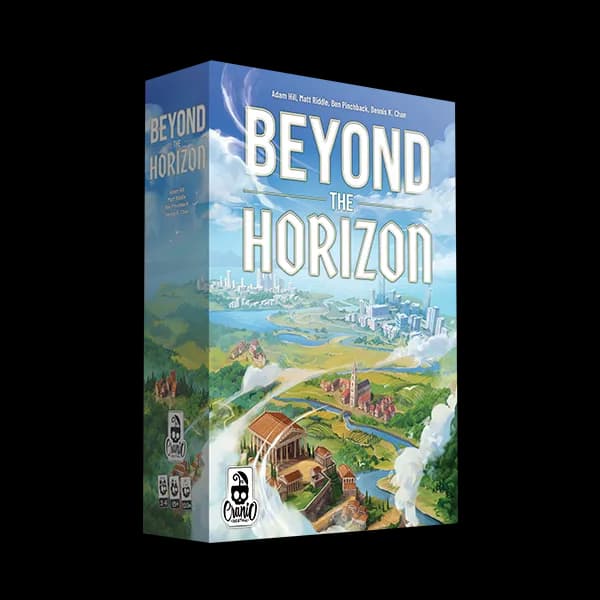
Beyond the Horizon is a sophisticated, medium-to-heavyweight civilization-building game that stands as a spiritual successor to the acclaimed "Beyond the Sun." In this strategic experience, two to four players assume leadership of nascent societies, tasked with guiding their people from humble beginnings to a glorious future. The ultimate objective is to achieve dominance not through brute force alone, but through a masterful balance of technological innovation, territorial expansion, and strategic exploration. Players compete to earn the most victory points by advancing their civilization's knowledge, controlling valuable regions of the map, and fulfilling a series of shared public objectives, proving their society's preeminence in this new era of discovery.
The core of the gameplay is a compelling fusion of worker placement, tile-based exploration, and a deep, branching technology tree. Each player's turn is structured into distinct phases, beginning with the crucial action phase. Here, a player moves their action pawn to a space on the main board or a newly researched technology card to execute a specific task, such as recruiting population, initiating research, or deploying units. A significant evolution from its predecessor is the introduction of a dynamic, modular map composed of hexagonal tiles. Players must send settlers to the frontiers of the known world to reveal new territories, which they can then claim and fortify. This exploration mechanic is interwoven with the game's central tech tree, where investing in new fields of study unlocks powerful new actions, immediate bonuses, and the very means to expand and produce resources, creating a satisfying and synergistic gameplay loop.
The enduring appeal of "Beyond the Horizon" lies in its rewarding strategic depth and the critical decisions it presents at every turn. Players are constantly faced with the compelling dilemma of whether to invest heavily in the long-term benefits of the tech tree or to pursue immediate gains through aggressive territorial expansion on the map. This tension creates a highly interactive and replayable environment, as the path to victory is never the same twice. The game's end is dynamically triggered by the collective achievement of several public goals, forcing players to adapt their strategies in response to their opponents' progress. This creates a thrilling race to claim objectives while simultaneously constructing a robust and efficient victory point engine, making it a celebrated title for strategists who relish complex choices and long-term planning.
2-4 75m⚖️ 3.4