Historical Games
Browse all Historical board games in the Meeple Pulse database.
Styles
Themes
AbstractAdventureAncientAnimalsArtBusinessCard GameCo-operativeComic BookCooperativeCrimeEconomicEnvironmentalismExplorationFantasyHistoricalHorrorHumorIntrigueLiteraryMagicMarvelMedievalModernMuseumMysteryMythologyNatureNauticalPoliticalPress Your LuckSatireSci-FiSocial CommentarySocial InteractionSpaceSuperheroesThematicTravelWarWesternWord-Guessing
Mechanics
3D PlacementActingAction / DexterityAction DraftingAction Point AllowanceAction Point Allowance SystemAction Point SystemAction PointsAction ProgrammingAction QueueAction RetrievalAction SelectionAction/EventAlliancesAlternate ActivationApp-AssistedApp-DrivenArea ControlArea InfluenceArea MajorityArea Majority / InfluenceArea MovementArgumentationAsymmetricAsymmetric FactionsAsymmetric GameAsymmetric PowersAsymmetrical PowersAuction & BiddingAuction/BiddingAuctioningBag BuildingBettingBetting and BluffingBetting and WageringBetting and WagersBiddingBingoBlind BiddingBluffingCampaign / Battle Card DrivenCampaign / LegacyCampaign / Legacy GameCampaign / Mission-basedCampaign / ScenariosCampaign GameCampaign PlayCard DraftingCard DrawingCard DrivenCard Driven ActionCard Driven CombatCard Driven Dice AllocationCard Driven MovementCard ManagementCard PlayCard Play / Hand ManagementCard Play Conflict ResolutionCard SheddingCard-Driven MovementCharacter CreationCharacter ProgressionChit-Pull SystemCo-op PlayCo-operative GameCo-operative PlayCode-breakingCombat ResolutionCombo ChainCommand CardsCommodity SpeculationCommunication LimitsContract FulfillmentContractsCooperative GameCooperative GameplayCooperative PlayCooperative Trick-takingDebateDeck BuildingDeck ConstructionDeck, Bag, and Pool BuildingDeck-BuildingDeductionDexterityDice DraftingDice PlacementDice RollingDiplomatic InfluenceDraftingDynamic Battle SystemEnclosureEnd Game BonusesEngine BuildingEngine-BuildingEscape RoomEvent DrivenExplorationFarmingFlip and WriteFollowFollow ActionGrid CoverageGrid MovementHand ManagementHex-and-CounterHexagon GridHidden MovementHidden RolesI Cut You ChooseIncomeInfluence / Area MajorityLadder ClimbingLegacyLegacy ElementsLegacy GameLegacy SystemLimited CommunicationLine DrawingLine of SightMancalaMap MovementMarketMarket DraftingMarket ManipulationMarket MechanicMarket SpeculationMatchingMeasurement MovementMemoryMission ObjectivesModular BoardModular Board ConstructionMovement TemplatesMulti-Use CardsMulti-use CardsMultiple ScenariosMust FollowNarrative ChoiceNarrative Choice / ParagraphNegotiationNegotiation MechanicsNetwork & Route BuildingNetwork BuildingNetwork and Route BuildingOne vs ManyOne vs. ManyOpen DraftingPaper-and-PencilPartnershipsPattern BuildingPattern RecognitionPick-up and DeliverPlayer EliminationPlayer InteractionPlayer JudgePoint SaladPoint to Point MovementPolyominoesPush Your LuckPush-Your-LuckPuzzlePuzzle-LikePuzzle-SolvingRaceReal-TimeRecipe FulfillmentResource ManagementRole PlayingRole SelectionRoll / Spin and MoveRondelRoute BuildingRoute-BuildingRoute/Network BuildingSanity SystemScenario / Campaign PlayScenario / Mission / Campaign GameScenario / Mission FunctionSecret Unit DeploymentSemi-Cooperative GameSet CollectionSheddingSimulationSimultaneous ActionSimultaneous Action SelectionSimultaneous Hidden AllocationSocial DeductionSocial InteractionSolo / Solitaire GameSpace ExplorationStat Check / Skill CheckStock HoldingStorytellingStrategic PlanningTableau BuildingTactical Decision-MakingTake ThatTargeted CluesTeam PlayTeam-Based GameTeam-Based GuessingTeamworkTech TreesTech Trees / Tech TracksTechnology & Armament TracksTechnology TreeTension & Aggression TracksTile DraftingTile LayingTile PlacementTime TrackTime TravelTower DefenseTrack MovementTradingTrick-takingTug of WarTurn Order: PassTurn Order: Stat-BasedUnit PlacementVariable Phase OrderVariable Player PowersVariable Set-upVariable SetupVictory Point TracksVotingWord AssociationWord GameWord GuessingWord-GuessingWord-guessingWordplayWorker Placement
BoxNo Cover Art
RANK #159
Iberia
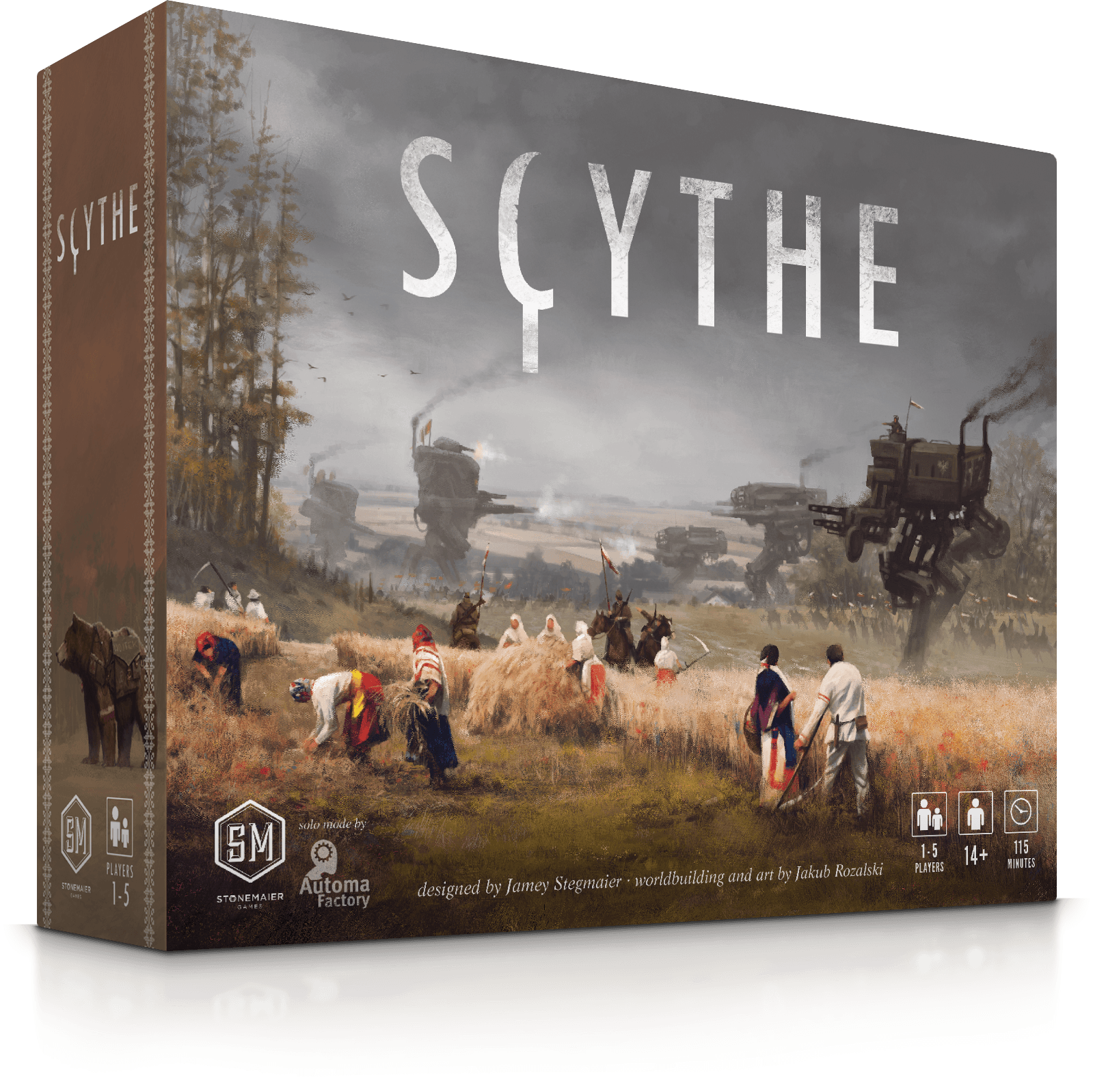
2016Iberia is a game that challenges players to navigate the complex history and culture of the Iberian Peninsula, which includes modern-day Spain and Portugal. The game's goal is to be the first player to earn 10 victory points by completing various tasks and missions set in different time periods, from ancient times to the present day. Players will need to manage their resources carefully, as they will have to travel between different locations on the board, interact with other players, and make strategic decisions about which actions to take. The game's mechanics include a unique system for tracking player progress and a modular board that changes with each playthrough, adding a layer of replayability to the game.
2-4 90m⚖️ 3.5
RANK #189
Istanbul
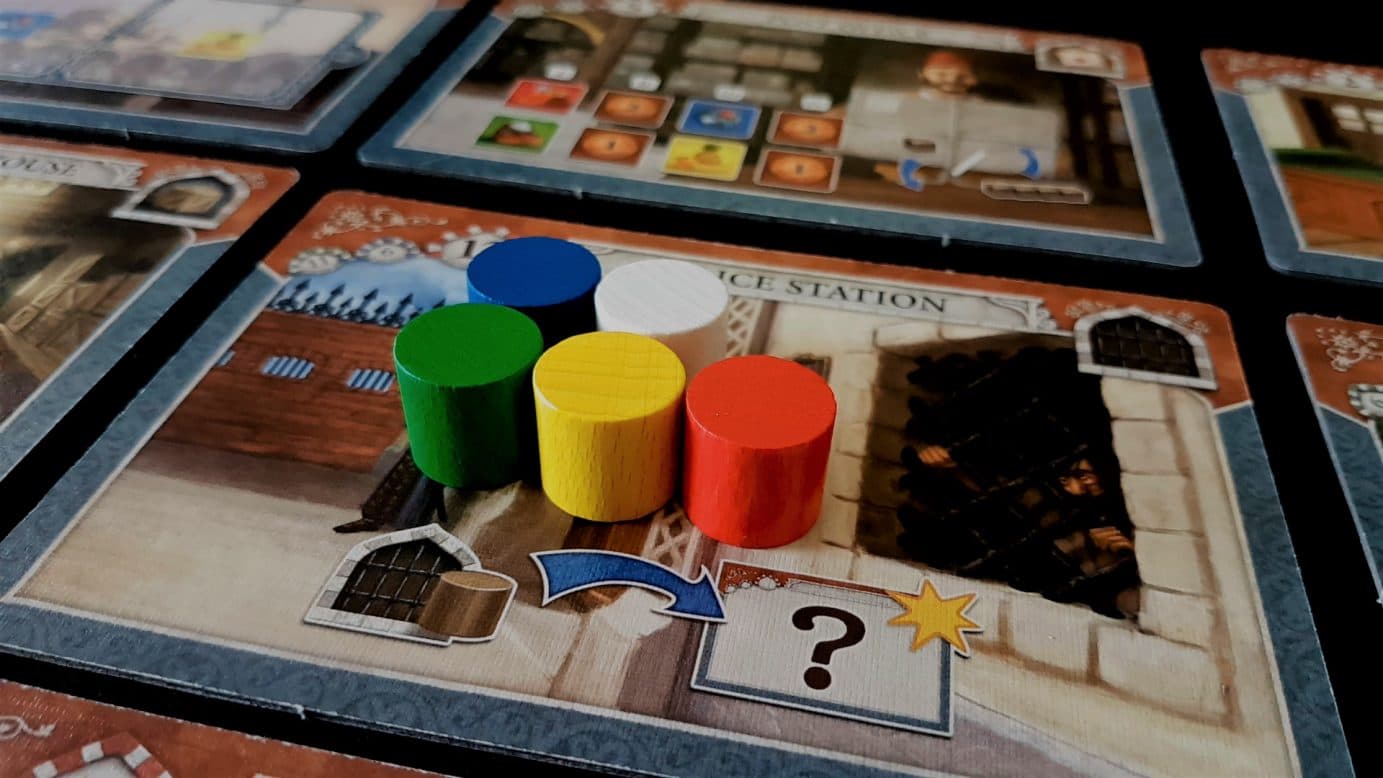
2014Step into the vibrant and bustling marketplace of Istanbul, where you take on the role of a merchant leading a team of assistants. In this competitive Euro-style game, your objective is to outmaneuver your rivals and prove your commercial acumen by being the first to acquire a set number of precious rubies. The game unfolds on a modular board composed of sixteen unique locations, each representing a different district of the grand bazaar. Every turn is a race against time and your fellow merchants as you navigate the crowded pathways, seeking the most profitable opportunities to gather goods, earn wealth, and ultimately secure the gems that will lead to your victory.
The heart of Istanbul lies in its innovative and compelling movement mechanic. Each player controls a merchant token stacked on top of four assistant discs. To perform an action at any location, you must move your stack there and leave one assistant behind. This simple rule creates a fascinating logistical puzzle: as you expand your operations, you spread your assistants thin across the board. To reuse them, you must retrace your steps to pick them up, forcing you to plan your routes with utmost efficiency. Running out of available assistants leaves you unable to act, so managing this resource is key. This core mechanism forces players to think several moves ahead, balancing short-term gains with the long-term need to maintain a flexible and efficient workforce.
Istanbul is celebrated for its perfect blend of accessibility and strategic depth, making it an ideal 'next step' for players moving beyond gateway games. The rules are straightforward to learn, but the path to victory is multifaceted. Rubies can be bought with cash, earned by trading specific sets of goods at the Sultan's Palace, or acquired by fully upgrading your personal wheelbarrow. This variety of options ensures that no single strategy dominates. The modular board, which can be arranged in numerous configurations, guarantees high replayability, as each game presents a fresh puzzle of route optimization and tactical decision-making. It's this combination of a tight race, clever mechanics, and endless variability that has cemented Istanbul as a modern classic.
2-5 50m⚖️ 2.6
RANK #218
Memoir '44
2004Memoir '44 invites players to step into the role of commanders during the pivotal moments of World War II. Created by esteemed designer Richard Borg, this historically-themed board game, published by Days of Wonder, offers a streamlined and accessible entry into the wargaming genre. Players recreate iconic battles from the D-Day landings and other significant engagements of the war. The primary goal is to be the first to achieve a predetermined number of Victory Medals. These medals are typically awarded for eliminating enemy units from the hexagonal battlefield, but specific scenarios often introduce unique objectives, such as capturing and holding key terrain features or breaking through enemy lines, which also grant these crucial tokens of success. The game successfully abstracts the complexities of war into a fast-paced and engaging system, making historical conflict both approachable and exciting.
At the heart of Memoir '44 lies the innovative "Commands & Colors" game system, which elegantly blends strategy with an element of chance. A player's turn is driven by the playing of a single Command Card from their hand. These cards dictate which units can be activated and, crucially, in which of the three distinct sections of the board—left flank, center, or right flank—those orders can be given. Once a card is played, the player orders their chosen units, which can be infantry, armor, or artillery, to move and/or engage in combat. Combat is resolved through a quick and intuitive dice roll, using custom dice whose symbols determine hits, force retreats, or result in misses. The terrain itself is a critical tactical element, with hills, forests, and towns providing defensive cover, impeding movement, and blocking line of sight, forcing commanders to carefully consider their positioning and approach. After all actions are completed, the player draws a new Command Card, concluding their turn and setting the stage for their opponent's response.
The enduring appeal of Memoir '44 stems from its masterful balance of tactical depth and straightforward gameplay. It serves as a perfect 'gateway' wargame, welcoming players who might be intimidated by more complex simulations while still offering satisfying strategic decisions for veteran gamers. The scenario-driven design provides immense replayability; with over a dozen historical scenarios in the base game alone, each with a unique map layout, force composition, and victory conditions, no two games feel quite the same. The combination of strategic card management—knowing when to play a powerful card or when to hold back—and the luck inherent in dice rolls and card draws creates a constant and engaging tension. It brilliantly captures the narrative and drama of a WWII skirmish, delivering a complete and compelling experience in about an hour, securing its place as a classic in the world of historical board gaming.
2-8 45m⚖️ 2.0

RANK #1,127
Conflict of Heroes: Awakening the Bear! – Russia 1941-42 plunges players into the brutal, tactical squad-level combat of the Eastern Front during the initial German invasion of the Soviet Union. As the inaugural title in the acclaimed Conflict of Heroes series, this game is celebrated for its historical fidelity and engaging system. Players take command of either German or Soviet forces, maneuvering individual infantry squads, machine gun teams, and tanks across modular, geomorphic map boards. The goal is not simply to eliminate the enemy but to achieve specific objectives outlined in one of the game's many scenarios, which range from desperate holding actions to bold armored assaults. Success hinges on careful planning, effective use of terrain for cover, and exploiting the unique strengths and weaknesses of your units in the face of a determined opponent.
The game's design revolutionized tactical wargaming by abandoning the rigid 'I Go, You Go' turn sequence for a far more dynamic and fluid system. Each unit begins a round with a full complement of Action Points (APs), typically seven. A player activates one unit at a time, spending its APs to perform actions like moving or firing. Once that unit's activation is complete, it is marked as 'spent' for the round, even if it has APs remaining. This forces difficult choices about which units to activate and when. Crucially, this system is highly interactive; an enemy unit that is fired upon may have the opportunity to spend its own APs to fire back immediately, creating a tense, reactive battlefield. This core engine is supplemented by Command Action Points (CAPs) and special action cards, which grant players powerful abilities and tactical flexibility to influence the tide of battle.
Awakening the Bear! is lauded for its remarkable ability to be both accessible to newcomers and deeply rewarding for veteran wargamers. Its programmed learning system, presented through a 'learn-as-you-play' rulebook, allows players to grasp the fundamentals and start their first scenario within minutes. Yet, beneath this simple entry point lies a game of profound tactical depth, where every decision about positioning, line of sight, and action economy is critical. The dynamic activation system creates a compelling narrative and a constant sense of engagement, eliminating downtime and keeping both players invested in every move. This elegant balance of accessibility, strategic depth, and historical flavor has cemented its status as a modern classic in the wargaming genre.
2-4 90m⚖️ 3.2
RANK #1,201
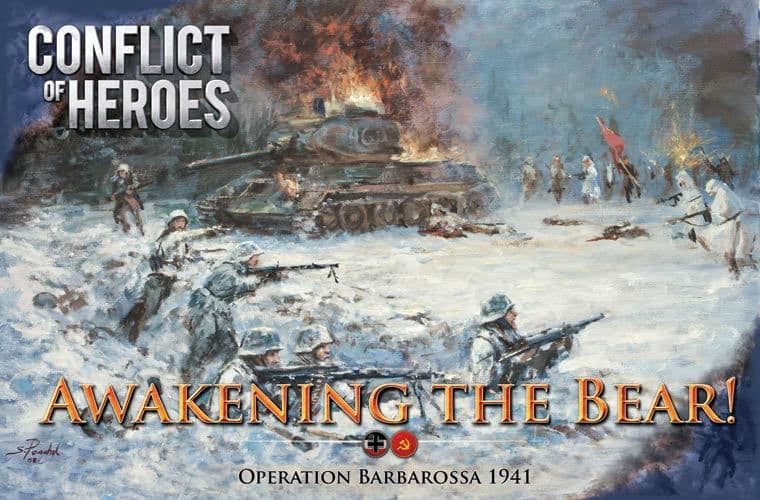
Dive into the pivotal moments of World War II with Conflict of Heroes: Awakening the Bear! (Second Edition), a tactical wargame simulating the German invasion of the Soviet Union in 1941. This game places you in command of platoon and squad-level forces, where individual counters represent infantry squads, crewed weapon teams, and armored tanks. Each scenario, called a "Firefight," presents a unique historical engagement with specific objectives, forces, and turn limits. Your goal is to outmaneuver your opponent, secure strategic objectives, and eliminate enemy units to accumulate more victory points by the end of the mission, thereby rewriting a small slice of history on the Eastern Front.
The game distinguishes itself with a dynamic and streamlined ruleset that eliminates the intimidating charts common to many wargames. Gameplay revolves around an elegant Action Point (AP) system, where each unit has a set number of points to spend on actions like moving, firing, or seeking cover. Instead of long phases, players engage in a rapid, alternating activation sequence, activating a single unit to perform its actions before passing the initiative immediately back to their opponent. This creates a tense, fast-paced rhythm with zero downtime. Combat is resolved quickly by rolling dice and comparing attack values to defense values, while modular map boards create varied terrain for each battle. Furthermore, a hand of Action and Command cards introduces an element of surprise, allowing for special maneuvers or unexpected reinforcements.
Awakening the Bear! is celebrated for successfully bridging the gap between deep, historical simulation and accessible, modern game design. Its publisher's promise of "No Charts!" and the ability to "teach a new player in under 5 minutes" makes it a widely recommended gateway into the wargaming hobby. While simple to learn, the game offers immense tactical depth and replayability through its numerous scenarios and modular setup. The quick-fire, back-and-forth activation system keeps both players constantly engaged, forcing them to make critical decisions with every move. This combination of historical fidelity, strategic challenge, and ease of entry has earned it critical acclaim and a dedicated following among both wargaming veterans and newcomers alike.
2-4 120m⚖️ 3.2
BoxNo Cover Art
RANK #2,863
Bringing the frenetic energy of the critically acclaimed real-time strategy video game to the tabletop, the 'Company of Heroes' board game offers a masterful blend of miniature skirmishes and resource-driven warfare. Officially licensed by SEGA and Relic Entertainment, this World War II simulation challenges commanders to secure victory through tactical brilliance. Players aim to either dominate the battlefield by accumulating enough Victory Points through holding strategic map locations or achieve an outright Annihilation victory by pushing their forces across the terrain to demolish the enemy headquarters. It captures the thrilling duality of macro-level economic management and micro-level squad tactics.
Gameplay revolves around an elegant, map-based economic system where territorial control is paramount. Rather than relying on traditional, complex Combat Results Tables, the game utilizes a streamlined Action Point system. Players take turns spending action cubes to maneuver units, seize control points, and harvest vital resources like Manpower, Munitions, and Fuel. These resources fund an escalating war effort, allowing commanders to construct base buildings, unlock advanced tech trees, and deploy specialized infantry alongside formidable light and heavy vehicles. Combat is resolved using a custom dice-driven engine that heavily rewards spatial positioning. Tactical depth emerges from utilizing three-dimensional building cover, managing line of sight, navigating the fog of war, and executing flanking maneuvers to strike the vulnerable rear armor of enemy tanks.
The widespread appeal of 'Company of Heroes' lies in its phenomenal ability to recreate the dynamic pacing of its digital counterpart without getting bogged down by excessive rules overhead. Fans praise the seamless integration of resource generation with visceral tactical combat, creating a deeply rewarding learning curve. The inclusion of unique Commander loadouts provides endless strategic variety, allowing players to customize their faction with specialized units and powerful, single-use operational abilities. Furthermore, the robust system is incredibly versatile, scaling gracefully from a tense solo or two-player duel up to massive, cinematic team battles accommodating up to eight players. It successfully bridges the gap between accessible, lighter wargames and deep, heavy simulations, delivering a captivating tabletop experience.
1-8 90m⚖️ 3.4
BoxNo Cover Art
Museum: The Archaeologists is a board game designed for 2-4 players, where each player takes on the role of an archaeologist tasked with excavating and reconstructing ancient artifacts. The game's primary objective is to be the first player to collect and restore three artifacts, which are represented by various components such as cards, tokens, and miniatures. Players must navigate through a modular board, which consists of interlocking tiles that represent different excavation sites. Each site has its unique challenges and opportunities, requiring players to strategically plan their moves and allocate resources effectively.
m⚖️ 3.5