Income Games
Browse all Income board games in the Meeple Pulse database.
Styles
Themes
AbstractAdventureAncientAnimalsArtBusinessCard GameCo-operativeComic BookCooperativeCrimeEconomicEnvironmentalismExplorationFantasyHistoricalHorrorHumorIntrigueLiteraryMagicMarvelMedievalModernMuseumMysteryMythologyNatureNauticalPoliticalPress Your LuckSatireSci-FiSocial CommentarySocial InteractionSpaceSuperheroesThematicTravelWarWesternWord-Guessing
Mechanics
3D PlacementActingAction / DexterityAction DraftingAction Point AllowanceAction Point Allowance SystemAction Point SystemAction PointsAction ProgrammingAction QueueAction RetrievalAction SelectionAction/EventAlliancesAlternate ActivationApp-AssistedApp-DrivenArea ControlArea InfluenceArea MajorityArea Majority / InfluenceArea MovementArgumentationAsymmetricAsymmetric FactionsAsymmetric GameAsymmetric PowersAsymmetrical PowersAuction & BiddingAuction/BiddingAuctioningBag BuildingBettingBetting and BluffingBetting and WageringBetting and WagersBiddingBingoBlind BiddingBluffingCampaign / Battle Card DrivenCampaign / LegacyCampaign / Legacy GameCampaign / Mission-basedCampaign / ScenariosCampaign GameCampaign PlayCard DraftingCard DrawingCard DrivenCard Driven ActionCard Driven CombatCard Driven Dice AllocationCard Driven MovementCard ManagementCard PlayCard Play / Hand ManagementCard Play Conflict ResolutionCard SheddingCard-Driven MovementCharacter CreationCharacter ProgressionChit-Pull SystemCo-op PlayCo-operative GameCo-operative PlayCode-breakingCombat ResolutionCombo ChainCommand CardsCommodity SpeculationCommunication LimitsContract FulfillmentContractsCooperative GameCooperative GameplayCooperative PlayCooperative Trick-takingDebateDeck BuildingDeck ConstructionDeck, Bag, and Pool BuildingDeck-BuildingDeductionDexterityDice DraftingDice PlacementDice RollingDiplomatic InfluenceDraftingDynamic Battle SystemEnclosureEnd Game BonusesEngine BuildingEngine-BuildingEscape RoomEvent DrivenExplorationFarmingFlip and WriteFollowFollow ActionGrid CoverageGrid MovementHand ManagementHex-and-CounterHexagon GridHidden MovementHidden RolesI Cut You ChooseIncomeInfluence / Area MajorityLadder ClimbingLegacyLegacy ElementsLegacy GameLegacy SystemLimited CommunicationLine DrawingLine of SightMancalaMap MovementMarketMarket DraftingMarket ManipulationMarket MechanicMarket SpeculationMatchingMeasurement MovementMemoryMission ObjectivesModular BoardModular Board ConstructionMovement TemplatesMulti-Use CardsMulti-use CardsMultiple ScenariosMust FollowNarrative ChoiceNarrative Choice / ParagraphNegotiationNegotiation MechanicsNetwork & Route BuildingNetwork BuildingNetwork and Route BuildingOne vs ManyOne vs. ManyOpen DraftingPaper-and-PencilPartnershipsPattern BuildingPattern RecognitionPick-up and DeliverPlayer EliminationPlayer InteractionPlayer JudgePoint SaladPoint to Point MovementPolyominoesPush Your LuckPush-Your-LuckPuzzlePuzzle-LikePuzzle-SolvingRaceReal-TimeRecipe FulfillmentResource ManagementRole PlayingRole SelectionRoll / Spin and MoveRondelRoute BuildingRoute-BuildingRoute/Network BuildingSanity SystemScenario / Campaign PlayScenario / Mission / Campaign GameScenario / Mission FunctionSecret Unit DeploymentSemi-Cooperative GameSet CollectionSheddingSimulationSimultaneous ActionSimultaneous Action SelectionSimultaneous Hidden AllocationSocial DeductionSocial InteractionSolo / Solitaire GameSpace ExplorationStat Check / Skill CheckStock HoldingStorytellingStrategic PlanningTableau BuildingTactical Decision-MakingTake ThatTargeted CluesTeam PlayTeam-Based GameTeam-Based GuessingTeamworkTech TreesTech Trees / Tech TracksTechnology & Armament TracksTechnology TreeTension & Aggression TracksTile DraftingTile LayingTile PlacementTime TrackTime TravelTower DefenseTrack MovementTradingTrick-takingTug of WarTurn Order: PassTurn Order: Stat-BasedUnit PlacementVariable Phase OrderVariable Player PowersVariable Set-upVariable SetupVictory Point TracksVotingWord AssociationWord GameWord GuessingWord-GuessingWord-guessingWordplayWorker Placement
RANK #146
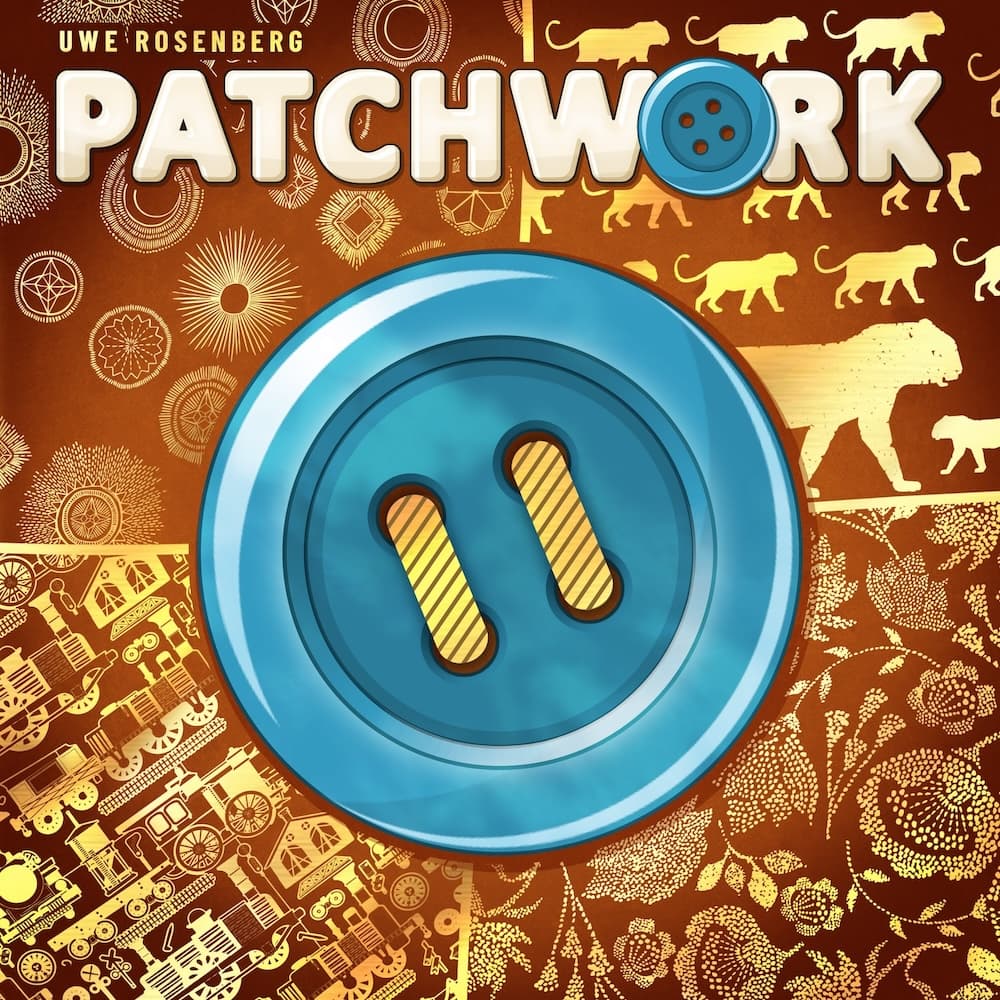
Patchwork
2014Patchwork is a celebrated two-player abstract strategy game from famed designer Uwe Rosenberg. In this charmingly themed contest, players compete to craft the most complete and valuable quilt on their personal 9x9 game boards. The game's currency and victory points are one and the same: buttons. Players must skillfully manage their button economy to purchase irregularly shaped fabric patches, each with its own cost in both buttons and 'time'. The ultimate goal is to fill your board as completely as possible, accumulating a hoard of buttons while avoiding empty spaces, as each uncovered square on your quilt results in a penalty at the end of the game. It's a delightful blend of economic management and a satisfying spatial puzzle.
The gameplay is driven by a unique time track mechanism that dictates the entire flow of the game. Rather than alternating turns, the player whose token is further behind on the central time board is the one to take the next action. When you purchase a patch, you move your token forward a number of spaces equal to its time cost, potentially allowing your opponent to take several turns in a row while you wait. Alternatively, a player can choose to pass and advance their token to the space just ahead of their rival, collecting one button for each space they moved. This creates a fascinating tactical dilemma. Furthermore, as tokens pass specific points on the time track, players receive button income based on the cumulative icons on the patches they've already placed, adding a light engine-building element to the experience.
The enduring appeal of Patchwork lies in its accessible ruleset, which hides a surprising amount of strategic depth. The game presents players with a constant stream of interesting decisions. Do you spend a lot of time to grab a large, valuable patch that fits perfectly, or do you take smaller, cheaper pieces to maximize your number of turns? The Tetris-like joy of slotting a piece perfectly into your quilt is immense, but it must always be weighed against your position on the time track and your button supply. With a special bonus for the first player to complete a 7x7 square, the game feels both tactical and rewarding, making it a beloved classic that is just as engaging for new players as it is for seasoned strategists.
2 30m⚖️ 1.6

RANK #247
Suburbia
2012In Suburbia, players take on the role of city planners, each tasked with transforming a small town into a thriving metropolis. The ultimate goal is to end the game with the highest population, which serves as your score. You achieve this by strategically purchasing and placing hexagonal building tiles from a shared real estate market into your personal borough. Each tile represents a different type of development—commercial, residential, industrial, civic, or cultural—and carries unique effects. These effects manipulate your borough's two key resources: Income, which provides the cash needed for expansion, and Reputation, which dictates how quickly your population grows. The core challenge lies in creating a balanced and synergistic economic engine, carefully managing your budget while attracting new residents to your burgeoning city.
The gameplay revolves around a simple turn structure with deeply tactical choices. On your turn, you will typically purchase a tile from the market and add it to your borough. The tile's placement is crucial, as its effects—and the effects of its neighbors—are triggered upon placement. A new airport might increase your income but decrease the reputation of adjacent residential areas, simulating real-world zoning challenges. As your population grows and crosses certain thresholds on the score track, both your income and reputation are reduced, representing the increased upkeep and complexity of a larger city. This clever mechanic forces players to constantly improve and adapt their city's engine rather than resting on early success. Players must also keep an eye on shared and secret goals, which provide significant population bonuses at the end of the game.
Suburbia's enduring appeal comes from the satisfying and tangible experience of building something from the ground up. The puzzle of optimizing tile placement to create powerful combinations is incredibly engaging, offering a strong sense of accomplishment as your humble town expands. The game masterfully integrates its theme, with mechanics that intuitively reflect the cause-and-effect relationships of urban development. With a variable tile market and different goals in every game, no two cities will ever be the same, ensuring high replayability. It perfectly blends strategic foresight with the tactical need to adapt to what becomes available, making it a celebrated classic in the city-building genre for both new and experienced gamers.
1-4 90m⚖️ 2.9
RANK #850
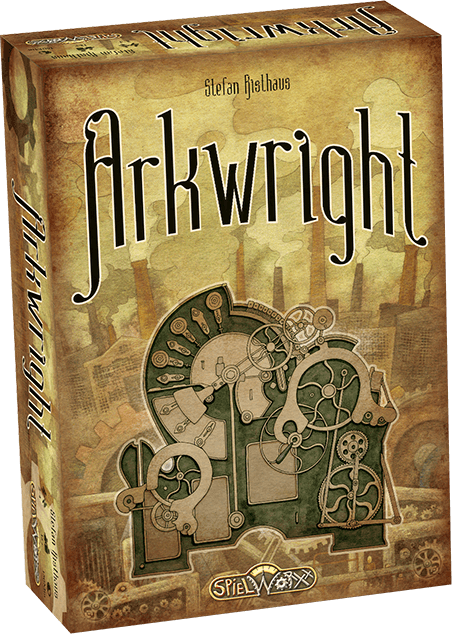
Arkwright
2014Arkwright thrusts players into the heart of the 18th-century Industrial Revolution, casting them as pioneering entrepreneurs in England. This is a deeply strategic and weighty economic simulation where the ultimate measure of success is not merely accumulating cash, but skillfully increasing the value of your company's shares. Players must navigate the birth of modern industry, building a commercial empire from the ground up. The goal is to become the most respected and valuable business magnate of the era, proving your acumen in a fiercely competitive environment. It’s a game about foresight, long-term planning, and understanding the intricate dance between production, labor, and the burgeoning stock market.
The gameplay unfolds over five 'decades', each representing a distinct phase of industrial growth. Each round, players select actions from an administration board, a core mechanic that blends worker placement with strategic resource allocation. These actions are the engine of your enterprise: you will build and modernize up to four factories dedicated to producing essential goods like cloth, cutlery, lamps, or bread. Managing these factories requires a delicate balance. You must hire workers, invest in new machinery to boost efficiency and quality, and, most crucially, set the price for your products. The game features a dynamic market where consumer demand fluctuates and an automated importer provides constant competition, forcing you to carefully consider your pricing strategy to outsell rivals and maximize profits.
What makes Arkwright a celebrated title among serious gamers is its uncompromised complexity and rewarding depth. It is a true 'brain-burner' that challenges players to manage multiple interconnected systems simultaneously. The genius lies in how every decision—from firing a worker to buying a single share of your own stock—has cascading effects on your entire operation and market position. Successfully selling goods directly translates into a higher share price, creating a satisfying feedback loop that rewards efficiency and shrewd market manipulation. The game also offers built-in scalability with its "Spinning Jenny" and "Waterframe" modules, allowing groups to choose between a slightly more streamlined experience or the full, intricate simulation. It’s this challenging but fair economic puzzle that gives Arkwright its immense replayability and enduring appeal.
2-4 180m⚖️ 4.7
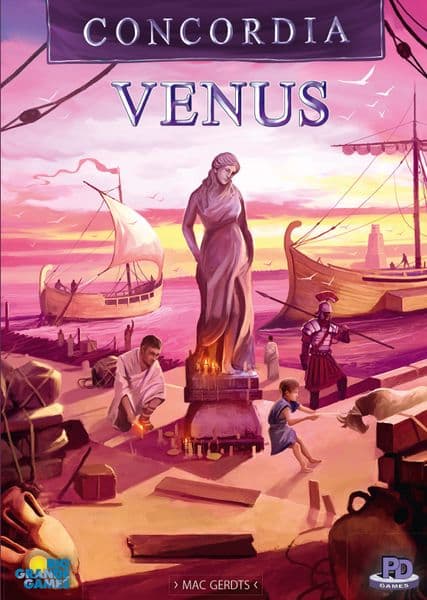
Concordia: Roma / Sicilia (2023) is a captivating standalone strategy board game set in the Roman Empire, where players strive to establish their mercantile dominance across ancient lands. Your ultimate goal is to wisely expand your influence, trade valuable goods, and settle new provinces, earning victory points through a clever card-driven system that rewards specialized development. This edition features the classic "Roma" map and introduces the fresh "Sicilia" map, offering new strategic challenges and high replayability for fans of economic euros.
Gameplay in Concordia is elegantly driven by a hand of personality cards, each representing a unique action. Players strategically play cards to perform actions like producing resources, moving colonists, building trading posts, or acquiring new personality cards. The core 'follow-the-leader' card play mechanic encourages thoughtful hand management, as played cards only return to your hand via the "Tribune" action. Players must balance immediate gains with long-term strategic planning, making every card play a crucial decision. Area majority over goods production and province control are key elements, ensuring constant interaction and competition on the map.
What makes Concordia a beloved classic is its streamlined elegance combined with deep strategic depth. It avoids dice rolls and random events, focusing purely on player decisions and efficiency. The simple ruleset belies a rich tactical puzzle, making it accessible to new players while offering endless mastery for veterans. Its unique card-driven economy and indirect player interaction create a satisfying engine-building experience, where every action contributes to a grander strategy of empire-building and trade. The "Roma / Sicilia" edition revitalizes this timeless design, providing fresh tactical avenues for an enduring fan favorite.
2-5 90m⚖️ 2.9