Modern Games
Browse all Modern board games in the Meeple Pulse database.
Styles
Themes
AbstractAdventureAncientAnimalsArtBusinessCard GameCo-operativeComic BookCooperativeCrimeEconomicEnvironmentalismExplorationFantasyHistoricalHorrorHumorIntrigueLiteraryMagicMarvelMedievalModernMuseumMysteryMythologyNatureNauticalPoliticalPress Your LuckSatireSci-FiSocial CommentarySocial InteractionSpaceSuperheroesThematicTravelWarWesternWord-Guessing
Mechanics
3D PlacementActingAction / DexterityAction DraftingAction Point AllowanceAction Point Allowance SystemAction Point SystemAction PointsAction ProgrammingAction QueueAction RetrievalAction SelectionAction/EventAlliancesAlternate ActivationApp-AssistedApp-DrivenArea ControlArea InfluenceArea MajorityArea Majority / InfluenceArea MovementArgumentationAsymmetricAsymmetric FactionsAsymmetric GameAsymmetric PowersAsymmetrical PowersAuction & BiddingAuction/BiddingAuctioningBag BuildingBettingBetting and BluffingBetting and WageringBetting and WagersBiddingBingoBlind BiddingBluffingCampaign / Battle Card DrivenCampaign / LegacyCampaign / Legacy GameCampaign / Mission-basedCampaign / ScenariosCampaign GameCampaign PlayCard DraftingCard DrawingCard DrivenCard Driven ActionCard Driven CombatCard Driven Dice AllocationCard Driven MovementCard ManagementCard PlayCard Play / Hand ManagementCard Play Conflict ResolutionCard SheddingCard-Driven MovementCharacter CreationCharacter ProgressionChit-Pull SystemCo-op PlayCo-operative GameCo-operative PlayCode-breakingCombat ResolutionCombo ChainCommand CardsCommodity SpeculationCommunication LimitsContract FulfillmentContractsCooperative GameCooperative GameplayCooperative PlayCooperative Trick-takingDebateDeck BuildingDeck ConstructionDeck, Bag, and Pool BuildingDeck-BuildingDeductionDexterityDice DraftingDice PlacementDice RollingDiplomatic InfluenceDraftingDynamic Battle SystemEnclosureEnd Game BonusesEngine BuildingEngine-BuildingEscape RoomEvent DrivenExplorationFarmingFlip and WriteFollowFollow ActionGrid CoverageGrid MovementHand ManagementHex-and-CounterHexagon GridHidden MovementHidden RolesI Cut You ChooseIncomeInfluence / Area MajorityLadder ClimbingLegacyLegacy ElementsLegacy GameLegacy SystemLimited CommunicationLine DrawingLine of SightMancalaMap MovementMarketMarket DraftingMarket ManipulationMarket MechanicMarket SpeculationMatchingMeasurement MovementMemoryMission ObjectivesModular BoardModular Board ConstructionMovement TemplatesMulti-Use CardsMulti-use CardsMultiple ScenariosMust FollowNarrative ChoiceNarrative Choice / ParagraphNegotiationNegotiation MechanicsNetwork & Route BuildingNetwork BuildingNetwork and Route BuildingOne vs ManyOne vs. ManyOpen DraftingPaper-and-PencilPartnershipsPattern BuildingPattern RecognitionPick-up and DeliverPlayer EliminationPlayer InteractionPlayer JudgePoint SaladPoint to Point MovementPolyominoesPush Your LuckPush-Your-LuckPuzzlePuzzle-LikePuzzle-SolvingRaceReal-TimeRecipe FulfillmentResource ManagementRole PlayingRole SelectionRoll / Spin and MoveRondelRoute BuildingRoute-BuildingRoute/Network BuildingSanity SystemScenario / Campaign PlayScenario / Mission / Campaign GameScenario / Mission FunctionSecret Unit DeploymentSemi-Cooperative GameSet CollectionSheddingSimulationSimultaneous ActionSimultaneous Action SelectionSimultaneous Hidden AllocationSocial DeductionSocial InteractionSolo / Solitaire GameSpace ExplorationStat Check / Skill CheckStock HoldingStorytellingStrategic PlanningTableau BuildingTactical Decision-MakingTake ThatTargeted CluesTeam PlayTeam-Based GameTeam-Based GuessingTeamworkTech TreesTech Trees / Tech TracksTechnology & Armament TracksTechnology TreeTension & Aggression TracksTile DraftingTile LayingTile PlacementTime TrackTime TravelTower DefenseTrack MovementTradingTrick-takingTug of WarTurn Order: PassTurn Order: Stat-BasedUnit PlacementVariable Phase OrderVariable Player PowersVariable Set-upVariable SetupVictory Point TracksVotingWord AssociationWord GameWord GuessingWord-GuessingWord-guessingWordplayWorker Placement
RANK #218
Memoir '44
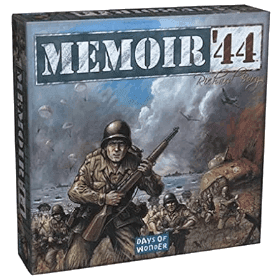
2004Memoir '44 invites players to step into the role of commanders during the pivotal moments of World War II. Created by esteemed designer Richard Borg, this historically-themed board game, published by Days of Wonder, offers a streamlined and accessible entry into the wargaming genre. Players recreate iconic battles from the D-Day landings and other significant engagements of the war. The primary goal is to be the first to achieve a predetermined number of Victory Medals. These medals are typically awarded for eliminating enemy units from the hexagonal battlefield, but specific scenarios often introduce unique objectives, such as capturing and holding key terrain features or breaking through enemy lines, which also grant these crucial tokens of success. The game successfully abstracts the complexities of war into a fast-paced and engaging system, making historical conflict both approachable and exciting.
At the heart of Memoir '44 lies the innovative "Commands & Colors" game system, which elegantly blends strategy with an element of chance. A player's turn is driven by the playing of a single Command Card from their hand. These cards dictate which units can be activated and, crucially, in which of the three distinct sections of the board—left flank, center, or right flank—those orders can be given. Once a card is played, the player orders their chosen units, which can be infantry, armor, or artillery, to move and/or engage in combat. Combat is resolved through a quick and intuitive dice roll, using custom dice whose symbols determine hits, force retreats, or result in misses. The terrain itself is a critical tactical element, with hills, forests, and towns providing defensive cover, impeding movement, and blocking line of sight, forcing commanders to carefully consider their positioning and approach. After all actions are completed, the player draws a new Command Card, concluding their turn and setting the stage for their opponent's response.
The enduring appeal of Memoir '44 stems from its masterful balance of tactical depth and straightforward gameplay. It serves as a perfect 'gateway' wargame, welcoming players who might be intimidated by more complex simulations while still offering satisfying strategic decisions for veteran gamers. The scenario-driven design provides immense replayability; with over a dozen historical scenarios in the base game alone, each with a unique map layout, force composition, and victory conditions, no two games feel quite the same. The combination of strategic card management—knowing when to play a powerful card or when to hold back—and the luck inherent in dice rolls and card draws creates a constant and engaging tension. It brilliantly captures the narrative and drama of a WWII skirmish, delivering a complete and compelling experience in about an hour, securing its place as a classic in the world of historical board gaming.
2-8 45m⚖️ 2.0
RANK #1,201
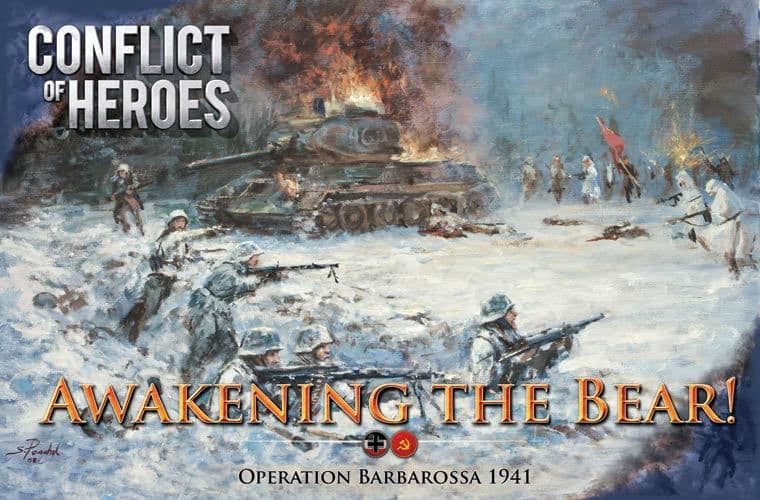
Dive into the pivotal moments of World War II with Conflict of Heroes: Awakening the Bear! (Second Edition), a tactical wargame simulating the German invasion of the Soviet Union in 1941. This game places you in command of platoon and squad-level forces, where individual counters represent infantry squads, crewed weapon teams, and armored tanks. Each scenario, called a "Firefight," presents a unique historical engagement with specific objectives, forces, and turn limits. Your goal is to outmaneuver your opponent, secure strategic objectives, and eliminate enemy units to accumulate more victory points by the end of the mission, thereby rewriting a small slice of history on the Eastern Front.
The game distinguishes itself with a dynamic and streamlined ruleset that eliminates the intimidating charts common to many wargames. Gameplay revolves around an elegant Action Point (AP) system, where each unit has a set number of points to spend on actions like moving, firing, or seeking cover. Instead of long phases, players engage in a rapid, alternating activation sequence, activating a single unit to perform its actions before passing the initiative immediately back to their opponent. This creates a tense, fast-paced rhythm with zero downtime. Combat is resolved quickly by rolling dice and comparing attack values to defense values, while modular map boards create varied terrain for each battle. Furthermore, a hand of Action and Command cards introduces an element of surprise, allowing for special maneuvers or unexpected reinforcements.
Awakening the Bear! is celebrated for successfully bridging the gap between deep, historical simulation and accessible, modern game design. Its publisher's promise of "No Charts!" and the ability to "teach a new player in under 5 minutes" makes it a widely recommended gateway into the wargaming hobby. While simple to learn, the game offers immense tactical depth and replayability through its numerous scenarios and modular setup. The quick-fire, back-and-forth activation system keeps both players constantly engaged, forcing them to make critical decisions with every move. This combination of historical fidelity, strategic challenge, and ease of entry has earned it critical acclaim and a dedicated following among both wargaming veterans and newcomers alike.
2-4 120m⚖️ 3.2

Conflict of Heroes: Awakening the Bear – Firefight Generator is an expansion that fundamentally transforms its base game from a collection of historical scenarios into a dynamic battle-creation system. Instead of playing through a pre-designed mission, players become the architects of their own tactical engagements on the Eastern Front. The primary goal is to use a unique card-driven pre-game system to collaboratively but competitively establish the forces, objectives, and battlefield conditions for a unique firefight, ensuring that no two sessions are ever alike and adding boundless replay value to the core experience.
The gameplay loop begins before the first shot is fired, in a strategic 'meta-game' that takes less than ten minutes. Representing either the German or Soviet forces, players draw from their respective decks of Generator Cards. On their turn, a player chooses one card from their hand and decides to resolve one of its two distinct options. The top option typically introduces a special rule, a battlefield condition like fog or snow, or a unique event. The bottom option, conversely, allows the player to add specific military units—from infantry squads to powerful tanks—to their available forces. This turn-based card play continues until the scenario is fully built, defining everything from troop composition and victory point objectives to the very weather the battle will be fought in.
The unique appeal of the Firefight Generator lies in the deep layer of strategy and bluffing it introduces before the tactical combat even commences. This pre-game phase is a battle of wits, where players must anticipate their opponent's strategy and make difficult choices. Committing to a powerful armored unit might be tempting, but an opponent can immediately counter by playing a card that adds anti-tank guns to their force or introduces terrain that hinders vehicle movement. This creates a compelling and tense setup that tailors every battle to the players' choices. Its full integration with the Eastern Front Solo Expansion also allows a single player to generate an endless variety of custom missions, making it an essential addition for both competitive and solo wargamers.
1-4 120m⚖️ 3.7