Hand Management Games
Browse all Hand Management board games in the Meeple Pulse database.
Styles
Themes
AbstractAdventureAncientAnimalsArtBusinessCard GameCo-operativeComic BookCooperativeCrimeEconomicEnvironmentalismExplorationFantasyHistoricalHorrorHumorIntrigueLiteraryMagicMarvelMedievalModernMuseumMysteryMythologyNatureNauticalPoliticalPress Your LuckSatireSci-FiSocial CommentarySocial InteractionSpaceSuperheroesThematicTravelWarWesternWord-Guessing
Mechanics
3D PlacementActingAction / DexterityAction DraftingAction Point AllowanceAction Point Allowance SystemAction Point SystemAction PointsAction ProgrammingAction QueueAction RetrievalAction SelectionAction/EventAlliancesAlternate ActivationApp-AssistedApp-DrivenArea ControlArea InfluenceArea MajorityArea Majority / InfluenceArea MovementArgumentationAsymmetricAsymmetric FactionsAsymmetric GameAsymmetric PowersAsymmetrical PowersAuction & BiddingAuction/BiddingAuctioningBag BuildingBettingBetting and BluffingBetting and WageringBetting and WagersBiddingBingoBlind BiddingBluffingCampaign / Battle Card DrivenCampaign / LegacyCampaign / Legacy GameCampaign / Mission-basedCampaign / ScenariosCampaign GameCampaign PlayCard DraftingCard DrawingCard DrivenCard Driven ActionCard Driven CombatCard Driven Dice AllocationCard Driven MovementCard ManagementCard PlayCard Play / Hand ManagementCard Play Conflict ResolutionCard SheddingCard-Driven MovementCharacter CreationCharacter ProgressionChit-Pull SystemCo-op PlayCo-operative GameCo-operative PlayCode-breakingCombat ResolutionCombo ChainCommand CardsCommodity SpeculationCommunication LimitsContract FulfillmentContractsCooperative GameCooperative GameplayCooperative PlayCooperative Trick-takingDebateDeck BuildingDeck ConstructionDeck, Bag, and Pool BuildingDeck-BuildingDeductionDexterityDice DraftingDice PlacementDice RollingDiplomatic InfluenceDraftingDynamic Battle SystemEnclosureEnd Game BonusesEngine BuildingEngine-BuildingEscape RoomEvent DrivenExplorationFarmingFlip and WriteFollowFollow ActionGrid CoverageGrid MovementHand ManagementHex-and-CounterHexagon GridHidden MovementHidden RolesI Cut You ChooseIncomeInfluence / Area MajorityLadder ClimbingLegacyLegacy ElementsLegacy GameLegacy SystemLimited CommunicationLine DrawingLine of SightMancalaMap MovementMarketMarket DraftingMarket ManipulationMarket MechanicMarket SpeculationMatchingMeasurement MovementMemoryMission ObjectivesModular BoardModular Board ConstructionMovement TemplatesMulti-Use CardsMulti-use CardsMultiple ScenariosMust FollowNarrative ChoiceNarrative Choice / ParagraphNegotiationNegotiation MechanicsNetwork & Route BuildingNetwork BuildingNetwork and Route BuildingOne vs ManyOne vs. ManyOpen DraftingPaper-and-PencilPartnershipsPattern BuildingPattern RecognitionPick-up and DeliverPlayer EliminationPlayer InteractionPlayer JudgePoint SaladPoint to Point MovementPolyominoesPush Your LuckPush-Your-LuckPuzzlePuzzle-LikePuzzle-SolvingRaceReal-TimeRecipe FulfillmentResource ManagementRole PlayingRole SelectionRoll / Spin and MoveRondelRoute BuildingRoute-BuildingRoute/Network BuildingSanity SystemScenario / Campaign PlayScenario / Mission / Campaign GameScenario / Mission FunctionSecret Unit DeploymentSemi-Cooperative GameSet CollectionSheddingSimulationSimultaneous ActionSimultaneous Action SelectionSimultaneous Hidden AllocationSocial DeductionSocial InteractionSolo / Solitaire GameSpace ExplorationStat Check / Skill CheckStock HoldingStorytellingStrategic PlanningTableau BuildingTactical Decision-MakingTake ThatTargeted CluesTeam PlayTeam-Based GameTeam-Based GuessingTeamworkTech TreesTech Trees / Tech TracksTechnology & Armament TracksTechnology TreeTension & Aggression TracksTile DraftingTile LayingTile PlacementTime TrackTime TravelTower DefenseTrack MovementTradingTrick-takingTug of WarTurn Order: PassTurn Order: Stat-BasedUnit PlacementVariable Phase OrderVariable Player PowersVariable Set-upVariable SetupVictory Point TracksVotingWord AssociationWord GameWord GuessingWord-GuessingWord-guessingWordplayWorker Placement
RANK #18
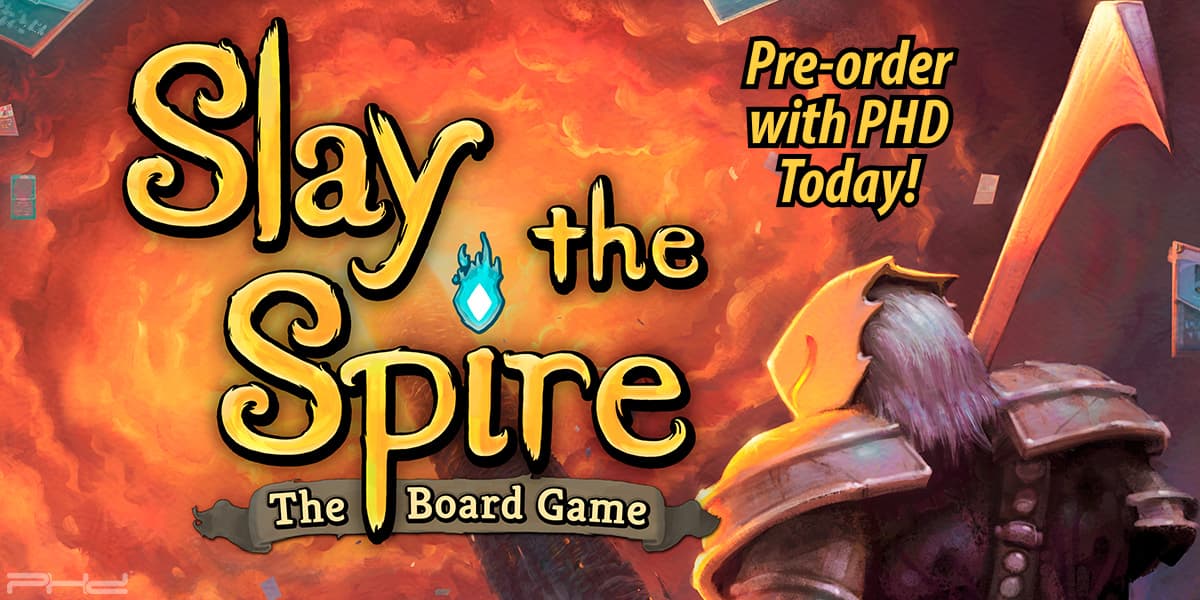
Slay the Spire: The Board Game (2024) masterfully translates the beloved roguelike deck-builder video game into a cooperative tabletop experience for 1-4 players. Its core objective remains unchanged: strategically ascend the ever-changing Spire, battling monstrous foes and overcoming perilous challenges across multiple acts, all while striving to defeat the ultimate boss at the summit. Players embody iconic heroes, each with unique abilities and starting decks, embarking on an epic journey where every decision shapes their path to victory or defeat.
Gameplay revolves around a compelling blend of deck-building and dungeon crawling. As players navigate a branching map, they encounter events, treasure rooms, and intense combat. During combat, players strategically play cards from their hand to generate energy, block incoming damage, apply debuffs, and unleash powerful attacks, managing a dynamic combat puzzle against intelligent enemy AI. Between encounters, new cards are drafted, relics are acquired for persistent bonuses, and existing cards can be upgraded, constantly evolving each hero's unique strategy and synergy.
The game's enduring appeal lies in its faithful adaptation of the video game's core loop, offering immense replayability through procedural generation of the Spire, diverse character classes, and countless card and relic combinations. It challenges players to adapt their strategies on the fly, rewarding clever deck synergy and risk management. With its deep tactical combat, satisfying progression, and engaging cooperative decision-making, it delivers a rich, challenging, and highly addictive experience that captures the essence of its digital predecessor, making it a standout title for fans of cooperative strategy and deck-building games.
m⚖️ N/A
RANK #19
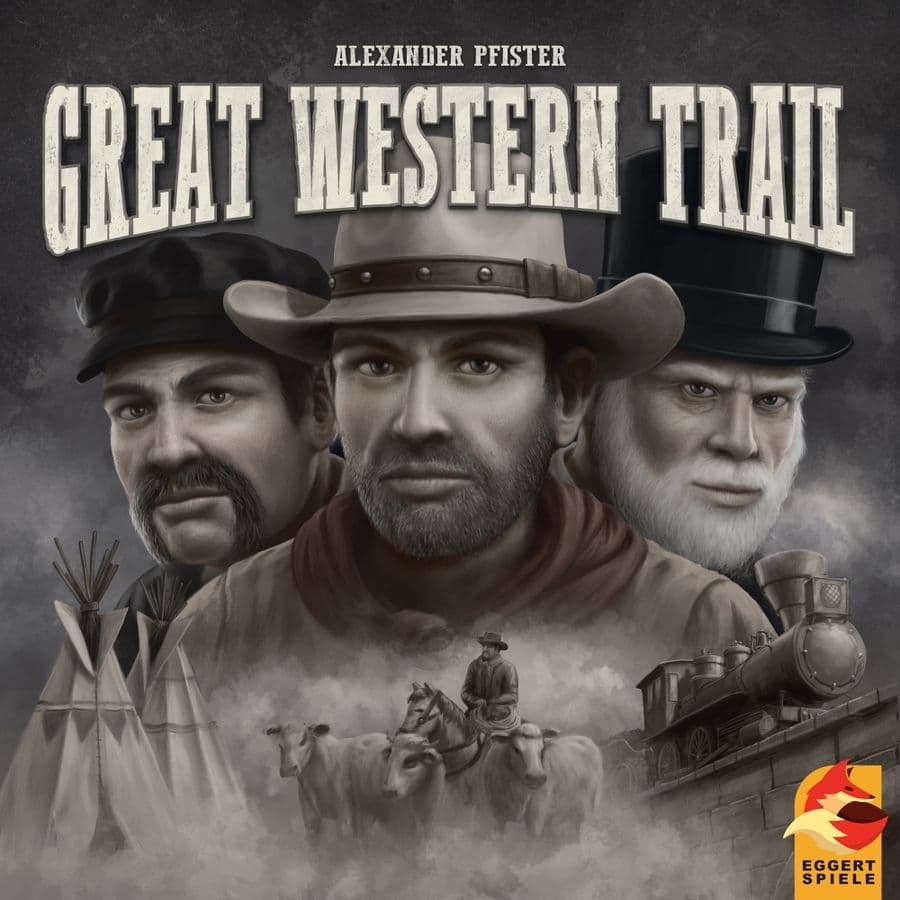
Embark on an epic cattle drive in Great Western Trail, a highly acclaimed eurogame set against the backdrop of 19th-century America. As astute ranchers, players will guide their herds from the heart of Texas all the way to Kansas City, ultimately dispatching them to distant, lucrative cities across the United States. The ultimate goal is to amass the most victory points by strategically managing your ranch, optimizing your trail, and delivering your prime cattle to become the most renowned cattle baron of the West.
The game masterfully blends multiple interconnected mechanics, creating a rich and dynamic gameplay experience. Players navigate a modular board, moving their cowboy pawn along the trail, activating various action spaces. Core mechanics include hand management, where players strategically collect and play cattle cards to achieve the best possible delivery sets; deck building, as you acquire better cattle throughout the game; and worker placement, hiring essential personnel like cowboys, craftsmen, and engineers to enhance your actions and expand your capabilities. The strategic movement of your train also plays a crucial role, unlocking new opportunities and mitigating hazards.
Great Western Trail is beloved for its exceptional strategic depth, emergent gameplay, and immense replayability. The intricate web of scoring opportunities—from cattle deliveries and building construction to hazard removal and worker specialization—provides players with significant freedom to explore diverse strategies. The constant tension between pushing your luck on a long cattle drive and meticulously optimizing your trail, combined with the elegant integration of its core mechanisms, offers a uniquely satisfying and engaging challenge that has cemented its status as a modern classic among board game enthusiasts.
m⚖️ N/A
RANK #20
Frosthaven
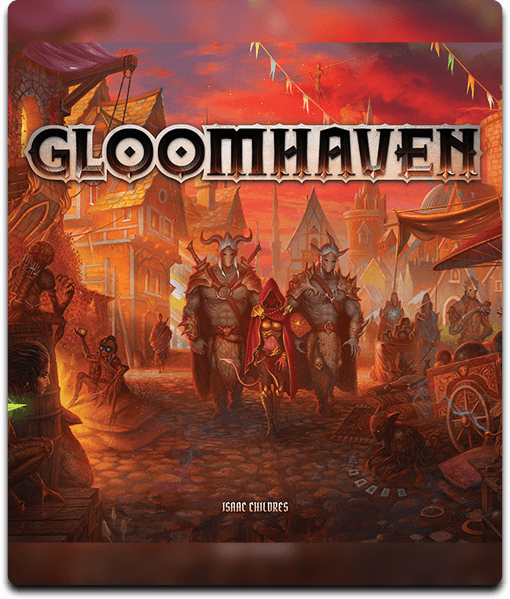
2022Frosthaven plunges players into a perilous cooperative legacy adventure set in the frozen north, far beyond the familiar lands of Gloomhaven. As intrepid mercenaries, your ultimate goal is to establish and defend a fledgling outpost, exploring a vast, untamed wilderness teeming with new challenges, enemies, and mysteries. This epic campaign game seamlessly blends tactical combat with a sprawling narrative, inviting players to shape the destiny of their characters and the titular settlement itself through a series of branching choices and evolving scenarios.
Gameplay revolves around intricate, card-driven combat where players strategically manage a hand of ability cards to move, attack, and execute special actions. Each turn, two cards are played, with players choosing one action from the top of one card and one from the bottom of the other, creating a dynamic action-point system. Beyond the battlefield, Frosthaven introduces a robust town-building and resource management phase, where players gather supplies, construct new buildings, and make critical decisions that impact the outpost's prosperity and unlock new content. The legacy aspect means the game permanently evolves with stickers, sealed envelopes, and irreversible choices.
Frosthaven captivates players with its unparalleled depth, offering hundreds of hours of immersive storytelling and strategic challenge. Its unique appeal lies in the satisfying loop of tactical combat, deep character progression, and the constant revelation of new content through its legacy mechanics. Fans adore its challenging scenarios, the rich, evolving world, and the profound sense of accomplishment derived from overcoming overwhelming odds and building a thriving community in a harsh, unforgiving land. It's a monumental cooperative experience for those seeking an expansive, narrative-driven fantasy saga.
1-4 120m⚖️ 4.4
RANK #21
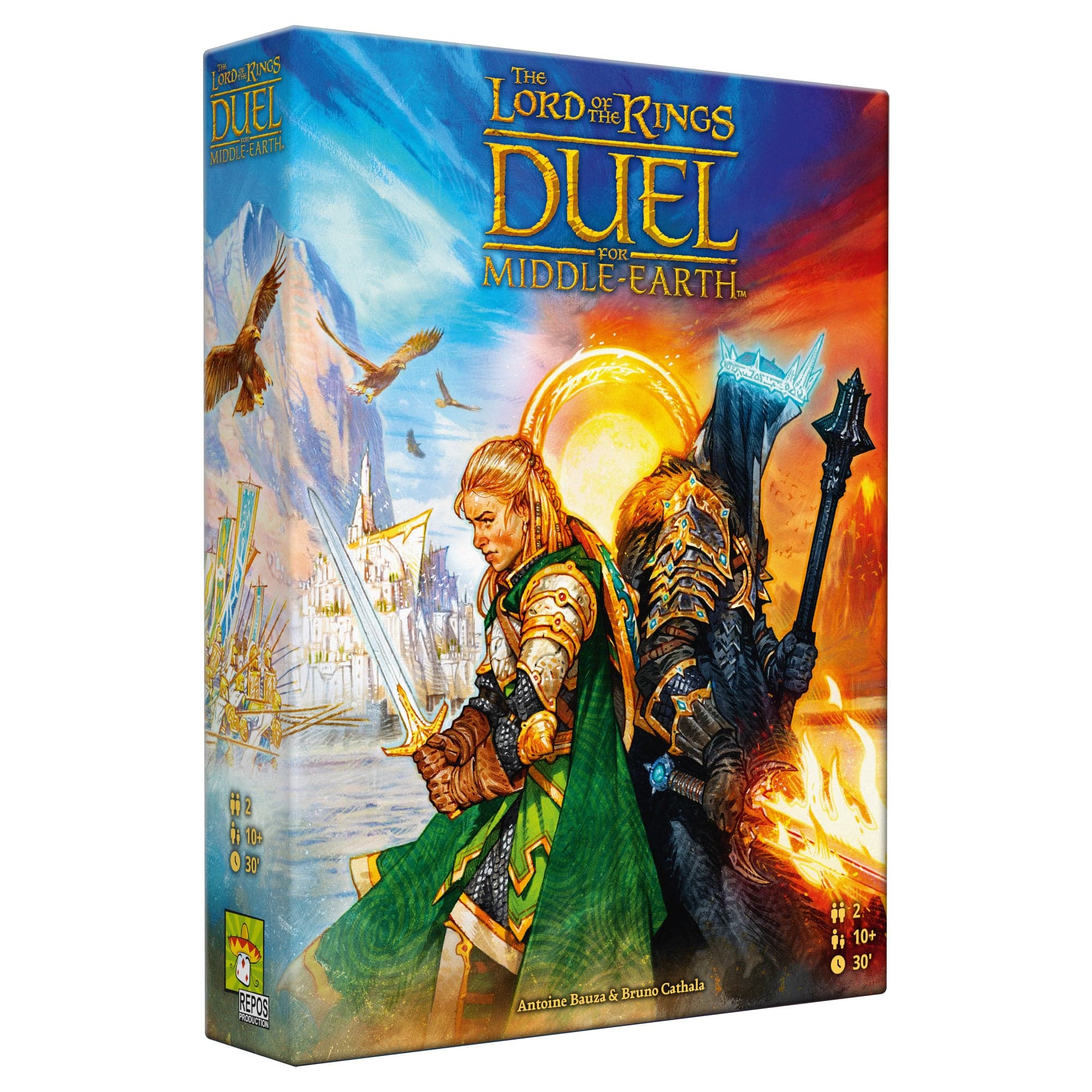
Embark on an epic strategic journey through J.R.R. Tolkien's beloved realm with "The Lord of the Rings: Duel for Middle-earth," a compelling two-player competitive board game. Players assume the mantle of either the valiant Free Peoples or the insidious forces of Sauron's Shadow, engaging in a desperate struggle for control over key territories and the ultimate fate of Middle-earth. Your primary goal is to outmaneuver and decisively defeat your opponent, claiming dominance through a blend of military might and cunning political influence.
Gameplay unfolds across a beautifully illustrated map of Middle-earth, where players deploy iconic units and leverage powerful event cards to expand their influence and engage in tactical skirmishes. Core mechanics center around card-driven action selection, intricate hand management, and dynamic area control, demanding careful strategic planning and adaptable decision-making. Each turn presents critical choices: where to commit your precious resources, when to launch an offensive, and how best to counter your opponent's machinations, making every move impactful in this high-stakes duel.
Fans are drawn to the game's deep thematic immersion, which masterfully translates the grandeur of Tolkien's narrative into a focused, engaging two-player experience. Its unique appeal lies in the asymmetric factions, offering distinct playstyles and challenging players to master their chosen side while anticipating their adversary's strategies. With streamlined yet profound strategic choices and high replayability, "Duel for Middle-earth" offers an intense and rewarding tabletop experience for anyone eager to carve their legend in the lands of Middle-earth.
m⚖️ N/A
RANK #23
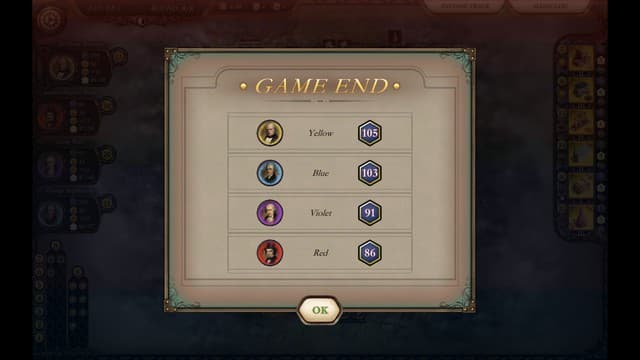
Dive into the cutthroat world of the English Industrial Revolution with Brass: Lancashire, the seminal 2007 economic strategy game where shrewd entrepreneurs vie for dominance across the historic landscape. Players will strategically expand their industrial empire by building canals, establishing crucial rail links, and developing key industries like cotton mills, coal mines, and iron works. Managing cash flow, leveraging market demands, and outmaneuvering rivals are paramount as you invest, produce, and sell resources to secure victory points, making every decision a pivotal step towards becoming the wealthiest industrialist in Lancashire.
m⚖️ N/A
RANK #25
Nemesis
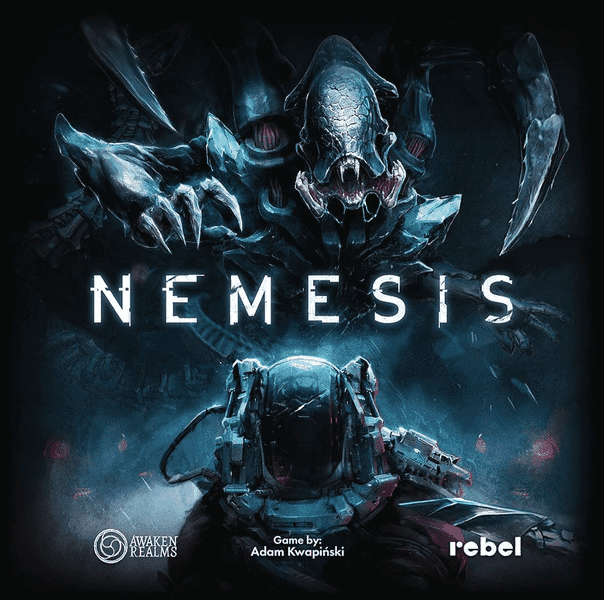
2018Nemesis is a deeply thematic science-fiction horror board game that thrusts players into a desperate fight for survival aboard a dark, crippled spaceship infested with hostile alien lifeforms. Waking from cryosleep, the crew must figure out what happened, repair critical ship systems, and chart a course back to Earth—or safely enter hibernation before the vessel is destroyed. However, true cooperation is an illusion. While players share the overarching desire to survive, each person harbors a secret personal objective that must be completed to achieve individual victory. These hidden agendas might align with the group's needs, but they can just as easily require the outright betrayal or death of fellow crewmates, instantly sowing seeds of profound suspicion among the survivors.
The core gameplay loop is fueled by a blend of hand management, resource gathering, and tense exploration across a randomly generated, modular board layout. As players move from room to room, they draw cards and expend them to perform crucial actions like searching for weapons, activating computer terminals, or firing at enemies. Movement inherently generates noise in the surrounding corridors. Accumulate too much noise in one area, and the terrifying Intruders will be drawn out of the shadows to strike. When physical confrontations inevitably happen, combat is resolved through brutal, unpredictable dice rolls where every decision feels incredibly risky. Rounds are split between the player phase, where individuals manage their limited hands, and the terrifying event phase, where the ship's condition deteriorates, fires spread, and the alien threat relentlessly advances.
What truly elevates Nemesis to a modern classic is its unparalleled ability to generate cinematic, water-cooler moments dripping with paranoia and suspense. The semi-cooperative nature of the game guarantees that players can never fully trust one another. You never know if your partner is locking the blast doors to protect you from an incoming alien, or sealing you in to guarantee their own escape via the final pod. This high-stakes, narrative-rich interaction ensures that every session plays out like a unique, nail-biting space horror film where simply making it out alive feels like a monumental triumph.
1-5 135m⚖️ 3.4
RANK #29
Concordia
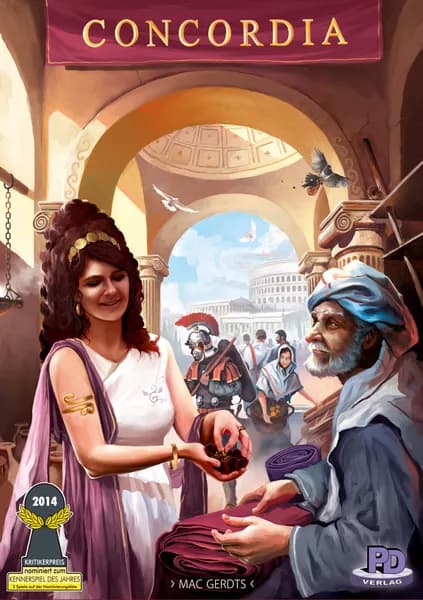
2013Concordia is an elegant strategy board game where 2-5 players become powerful Roman merchants, striving to expand their trading empire across the Mediterranean. The goal is not just wealth, but prestige, earned through wise expansion, strategic trading, and efficient use of specialist cards. Players build outposts, produce goods, and colonize new provinces to accumulate victory points based on their unique set of personality cards, making every game a fresh challenge.
At its heart, Concordia features a brilliant card-driven action system combined with robust hand and resource management. Players use a limited hand of 'personality cards' to perform actions like building, moving, trading, or generating resources. Crucially, a 'Tribune' card allows players to retrieve their discarded cards, adding a fascinating rhythm to the game's flow. Area movement is key as players expand their presence across a modular map, establishing trade routes and monopolizing regions.
Players love Concordia for its incredibly streamlined rules that belie a deep strategic experience. It offers immense replayability through various map boards and the evolving set of available personality cards. With virtually no luck elements, it rewards efficient planning, forward-thinking, and adaptability, making it a favorite among Eurogame enthusiasts seeking a pure, engaging economic strategy game that stands the test of time.
2-5 100m⚖️ 2.9

RANK #47
Set in the roaring 1960s, Heat: Pedal to the Metal places players behind the wheel of high-powered vintage race cars. The primary objective is simple: be the first to cross the finish line after a grueling series of laps around iconic circuits. However, achieving victory requires more than just flooring the accelerator; it demands a delicate balance of aggression and technical precision. As you navigate these tracks, you must manage your car's internal temperature, represented by a specific deck of cards. One wrong move or an overly ambitious turn can lead to your engine overheating, forcing a spin-out that could cost you the entire race.
The core gameplay revolves around a sophisticated card-driven movement system seamlessly integrated with deck management. Each round, drivers decide which gear to engage, which dictates the number of speed cards they must play from their hand. Notable mechanics include the handling of 'Heat' cards, which are added to your discard pile whenever you push the car beyond its natural limits—such as boosting for extra movement, taking a corner too fast, or downshifting rapidly. These cards eventually cycle into your hand, where they act as dead weight, limiting your options until you find a way to cool the engine. This push-your-luck element is complemented by drafting mechanics and slipstreaming, allowing trailing cars to catch up by utilizing the aerodynamic wake of those in front.
What truly sets this title apart and fuels its critical acclaim is the genuine sense of breakneck speed it creates on the tabletop. The game avoids the dryness often found in technical simulations by focusing on the emotional highs and lows of competitive racing. It offers immense replayability through various modular expansions included in the base box, such as variable weather conditions that change track grip and a deep 'Legends' system for solo play or filling out the grid with automated opponents. With vibrant, era-appropriate artwork by Vincent Dutrait, the game captures the romanticized danger and glamor of mid-century motorsport. It is a masterclass in modern board game design, offering a perfect blend of high-speed thrills and calculated strategy that keeps players returning to the starting grid lap after lap.
3-4 30m⚖️ 2.5
RANK #63
Agricola
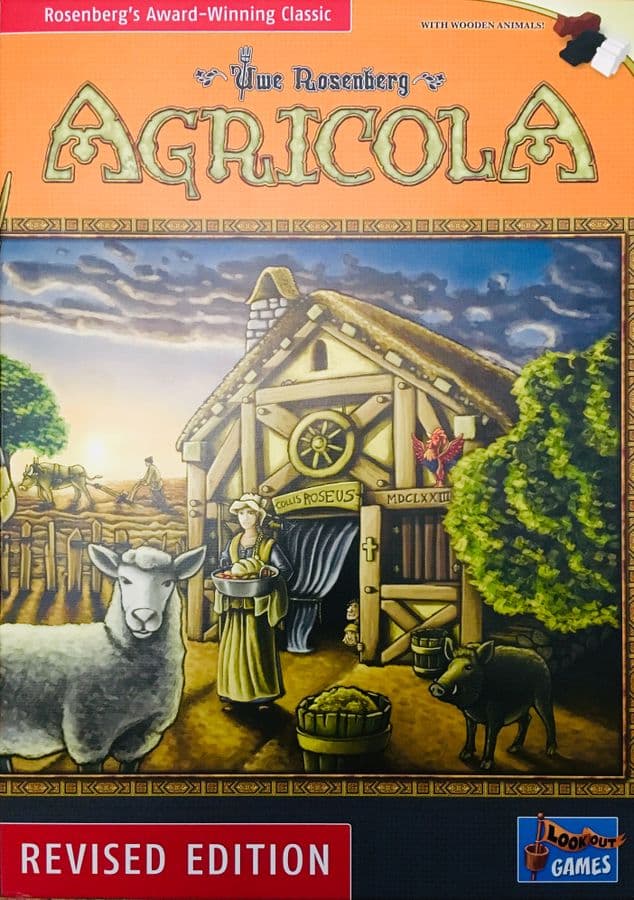
2007In Agricola, players step into the well-worn boots of a 17th-century farming family, starting with little more than a spouse and a two-room wooden hut. The singular goal is to cultivate the most prosperous and well-rounded homestead over 14 rounds of play. This isn't just about accumulating wealth; it's about survival and balanced development. Victory points are awarded for a diverse farm that includes plowed fields, various crops, fenced pastures, different types of livestock, and an expanded family living in an upgraded home. The game masterfully punishes over-specialization, penalizing players for neglected areas of their farm, ensuring that true prosperity comes from being a jack-of-all-trades.
The game's engine is driven by a tense worker placement mechanism. Each round, players take turns placing their limited family members on action spaces to gather resources, build improvements, or grow their family. Since each action space can only be used once per round, players are in constant, indirect competition for critical actions like collecting wood or plowing a field. As the game progresses, new, more powerful actions become available, broadening strategic possibilities. This steady development is punctuated by six harvest phases, where the true pressure of Agricola is felt. During a harvest, you reap what you've sown, your animals may breed, but most importantly, you must feed your family. Failing to produce enough food forces a player to take a "Begging" card, which carries a steep point penalty, creating a persistent, challenging tension between expanding your farm and simply providing for your household.
Agricola's enduring appeal lies in this brilliant balance of long-term strategic planning and short-term tactical necessity. The struggle to feed your family is a constant, pressing puzzle that forces difficult decisions every single round. Its depth and replayability are legendary, largely due to the massive decks of Occupation and Minor Improvement cards dealt to each player. These cards provide unique abilities and scoring opportunities, ensuring no two games ever feel the same and allowing for countless strategic pathways. It is this combination of a deeply thematic, relatable struggle and a highly rewarding, complex strategic framework that has cemented Agricola's status as a masterpiece of the Eurogame genre and a benchmark for worker placement games.
1-5 90m⚖️ 3.6
RANK #78
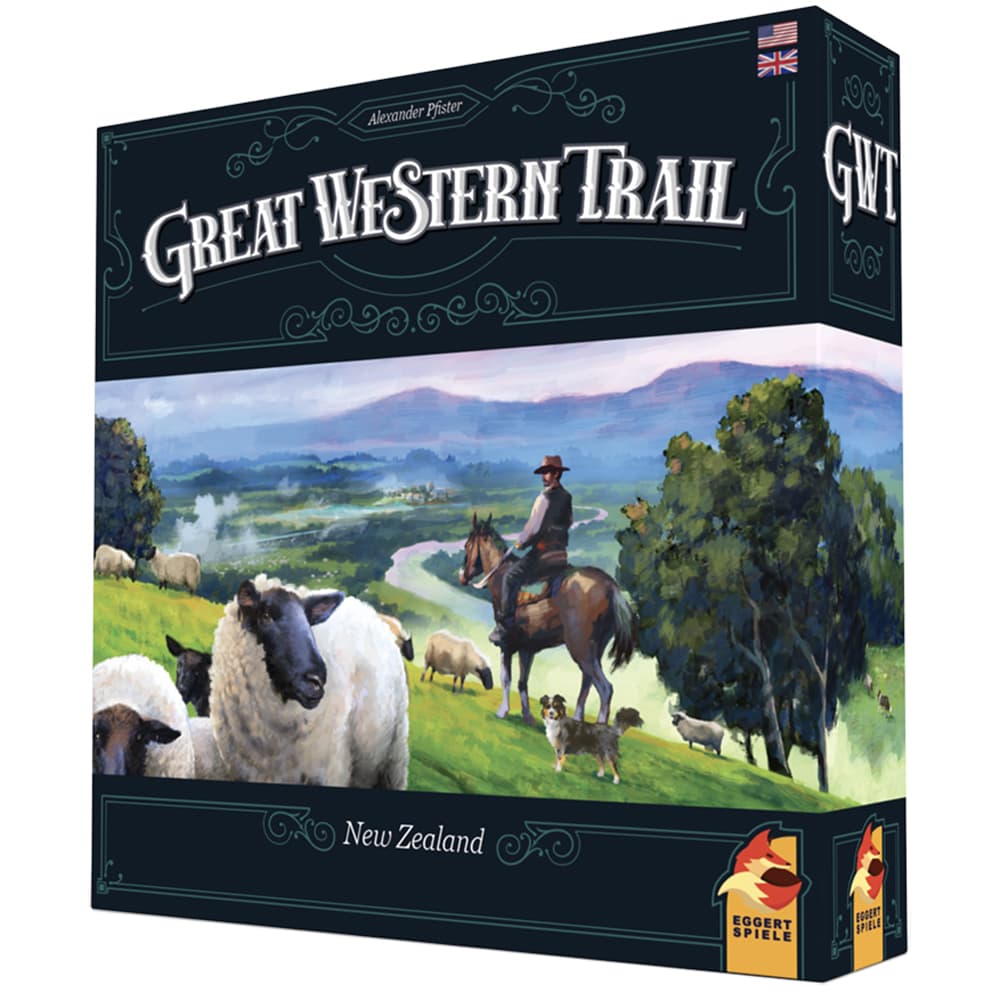
Embark on a new journey in the acclaimed Great Western Trail trilogy with *Great Western Trail: New Zealand*. This standalone adventure, designed by Alexander Pfister, transports players to the stunning landscapes of the 19th-century South Island. You assume the role of a "runholder," a sheep station owner striving to build a prosperous enterprise. Your primary objective is to skillfully manage your flock, enhance your sheep breeds, and deliver them to Wellington for export. Along the way, you'll develop your pastoral estate, hire a capable staff, and navigate the burgeoning trade routes of the era. The player who amasses the most victory points by creating the most successful and renowned sheep-rearing operation will emerge as the victor in this intricate economic simulation.
The game masterfully blends the core mechanics of its predecessors with innovative new elements. At its heart is a combination of deck-building and a rondel-like movement system. Players guide their runholder piece along a branching path, stopping at various locations to perform actions. These actions are diverse, allowing you to hire specialized workers like shepherds, builders, and sailors, construct new buildings that offer unique abilities, improve your personal player board, and purchase higher-quality sheep cards for your deck. A key new feature is the shearing mechanic; this allows players to gain immediate income from their sheep's wool, offering a crucial alternative to selling the livestock itself. Furthermore, the familiar railroad is replaced by a dynamic sea routes board, where you must dispatch your ship to establish trade, claim valuable bonuses, and unlock powerful end-game scoring opportunities.
The strategic depth and high replayability are what make this installment a standout experience. *Great Western Trail: New Zealand* offers numerous interwoven paths to victory, ensuring that no two games feel alike. One player might focus on crafting a lean, powerful deck of premium sheep for massive payouts in Wellington. Another might pursue an aggressive building strategy, constructing a network of structures that provide powerful actions while potentially hindering opponents' progress. A third player could devote their efforts to mastering the sea routes and leveraging the Pathfinder track for key advantages. This wealth of meaningful decisions, combined with the fresh tactical puzzles introduced by shearing and sea trade, makes the game a deeply engaging and rewarding challenge for fans of medium-to-heavy strategy games.
1-4 115m⚖️ 4.0
BoxNo Cover Art
RANK #82
Android: Netrunner is a celebrated asymmetrical card game for two players, set in a dystopian cyberpunk future. In this high-stakes conflict, one player assumes the role of a massive, monolithic corporation, while the other becomes a renegade hacker known as a 'Runner'. The primary objective for both sides is to score seven 'agenda' points. The Corporation player achieves this by installing and advancing their secret agendas within their fortified servers. The Runner, however, aims to infiltrate these servers and steal the agendas before they can be scored. The game introduces thrilling alternate victory conditions: the Corp can win by inflicting enough damage to 'flatline' the Runner, while the Runner can claim victory if the Corporation is forced to draw from an empty deck, representing a catastrophic system crash. This fundamental opposition sets the stage for a tense and strategic duel of wits.
The gameplay is a masterclass in asymmetry, with each side playing by entirely different rules and pursuing divergent strategies. The Corp player focuses on economic management and building a digital fortress. They spend their turns drawing cards, gaining credits, and, most importantly, installing cards facedown into their servers. These cards could be the valuable agendas they need to win, assets that provide ongoing benefits, or dangerous 'ice' that protects their servers and punishes intruders. This creates a landscape of hidden information and potent bluffs. In contrast, the Runner player's turn is about calculated aggression and risk. They must build their 'rig'—a suite of hardware and icebreaker programs—to bypass the Corp's defenses. They then initiate 'runs' on the Corp's servers, hoping to access and steal agendas while avoiding the consequences of walking into a well-laid trap.
What elevates Android: Netrunner to legendary status is its profound strategic depth married with intense psychological gameplay. The experience is not merely about optimizing a deck, but about outthinking and outmaneuvering a live opponent. Every facedown card is a puzzle, and every run is a gamble, creating a constant tension that few other games can match. Playing as the Corp feels like spinning a complex web, while playing the Runner is an exercise in calculated audacity. The game was released as a 'Living Card Game' (LCG), meaning players bought fixed, non-random packs of cards, which fostered a diverse and accessible metagame without the frustrating and expensive 'chase rare' model of traditional collectible card games. This combination of a rich, evocative theme, deep asymmetry, and a player-friendly distribution model secured its legacy as one of the most beloved and intellectually rewarding two-player games ever created.
2 45m⚖️ 3.8
BoxNo Cover Art
RANK #87
Voidfall
2023Voidfall invites players to take command of a crumbling galactic empire in a universe on the brink of collapse. This is a grand-scale, science-fiction 4X (eXplore, eXpand, eXploit, eXterminate) game that masterfully fuses its epic theme with deep, European-style strategic mechanisms. As the leader of one of fourteen unique and asymmetrical Great Houses, your objective is to restore your faction's influence and power over three tense cycles. You must not only contend with the rival ambitions of other players but also fight back the encroaching, malevolent entity known as the Voidborn. Victory is not achieved through simple conquest, but by earning the most points through shrewd economic management, technological supremacy, and fulfilling specific galactic and personal objectives.
The gameplay is structured and methodical, unfolding across three distinct phases each cycle: Preparation, Focus, and Evaluation. During Preparation, a new Galactic Event sets a unique rule or scoring condition for the round. The heart of the game is the Focus phase, where players execute their grand strategies. Instead of rolling dice, players select one of their Focus cards and choose two of its three associated actions. These actions are the engine of your empire, allowing you to manage five different resources, build and command powerful fleets, research game-changing technologies, and advance along three civilization tracks to define your society's strengths. Combat, a cornerstone of the 4X genre, is entirely deterministic, making every engagement a calculated puzzle of positioning and power rather than a gamble.
What sets Voidfall apart is its commitment to being a 'heavy' Euro experience wrapped in a compelling 4X package. The complete removal of luck from combat appeals to strategists who crave perfect information and despise random outcomes. The immense variability between the Great Houses ensures that no two games feel the same, offering tremendous replayability. With dedicated modes for competitive, cooperative, and solo play, it caters to a wide range of player preferences. Voidfall is a demanding yet rewarding challenge for those who relish complex economic puzzles, intricate engine-building, and the satisfaction of seeing a long-term, meticulously crafted plan come to fruition in the vastness of space.
1-4 180m⚖️ 4.6