Modern Games
Browse all Modern board games in the Meeple Pulse database.
Styles
Themes
AbstractAdventureAncientAnimalsArtBusinessCard GameCo-operativeComic BookCooperativeCrimeEconomicEnvironmentalismExplorationFantasyHistoricalHorrorHumorIntrigueLiteraryMagicMarvelMedievalModernMuseumMysteryMythologyNatureNauticalPoliticalPress Your LuckSatireSci-FiSocial CommentarySocial InteractionSpaceSuperheroesThematicTravelWarWesternWord-Guessing
Mechanics
3D PlacementActingAction / DexterityAction DraftingAction Point AllowanceAction Point Allowance SystemAction Point SystemAction PointsAction ProgrammingAction QueueAction RetrievalAction SelectionAction/EventAlliancesAlternate ActivationApp-AssistedApp-DrivenArea ControlArea InfluenceArea MajorityArea Majority / InfluenceArea MovementArgumentationAsymmetricAsymmetric FactionsAsymmetric GameAsymmetric PowersAsymmetrical PowersAuction & BiddingAuction/BiddingAuctioningBag BuildingBettingBetting and BluffingBetting and WageringBetting and WagersBiddingBingoBlind BiddingBluffingCampaign / Battle Card DrivenCampaign / LegacyCampaign / Legacy GameCampaign / Mission-basedCampaign / ScenariosCampaign GameCampaign PlayCard DraftingCard DrawingCard DrivenCard Driven ActionCard Driven CombatCard Driven Dice AllocationCard Driven MovementCard ManagementCard PlayCard Play / Hand ManagementCard Play Conflict ResolutionCard SheddingCard-Driven MovementCharacter CreationCharacter ProgressionChit-Pull SystemCo-op PlayCo-operative GameCo-operative PlayCode-breakingCombat ResolutionCombo ChainCommand CardsCommodity SpeculationCommunication LimitsContract FulfillmentContractsCooperative GameCooperative GameplayCooperative PlayCooperative Trick-takingDebateDeck BuildingDeck ConstructionDeck, Bag, and Pool BuildingDeck-BuildingDeductionDexterityDice DraftingDice PlacementDice RollingDiplomatic InfluenceDraftingDynamic Battle SystemEnclosureEnd Game BonusesEngine BuildingEngine-BuildingEscape RoomEvent DrivenExplorationFarmingFlip and WriteFollowFollow ActionGrid CoverageGrid MovementHand ManagementHex-and-CounterHexagon GridHidden MovementHidden RolesI Cut You ChooseIncomeInfluence / Area MajorityLadder ClimbingLegacyLegacy ElementsLegacy GameLegacy SystemLimited CommunicationLine DrawingLine of SightMancalaMap MovementMarketMarket DraftingMarket ManipulationMarket MechanicMarket SpeculationMatchingMeasurement MovementMemoryMission ObjectivesModular BoardModular Board ConstructionMovement TemplatesMulti-Use CardsMulti-use CardsMultiple ScenariosMust FollowNarrative ChoiceNarrative Choice / ParagraphNegotiationNegotiation MechanicsNetwork & Route BuildingNetwork BuildingNetwork and Route BuildingOne vs ManyOne vs. ManyOpen DraftingPaper-and-PencilPartnershipsPattern BuildingPattern RecognitionPick-up and DeliverPlayer EliminationPlayer InteractionPlayer JudgePoint SaladPoint to Point MovementPolyominoesPush Your LuckPush-Your-LuckPuzzlePuzzle-LikePuzzle-SolvingRaceReal-TimeRecipe FulfillmentResource ManagementRole PlayingRole SelectionRoll / Spin and MoveRondelRoute BuildingRoute-BuildingRoute/Network BuildingSanity SystemScenario / Campaign PlayScenario / Mission / Campaign GameScenario / Mission FunctionSecret Unit DeploymentSemi-Cooperative GameSet CollectionSheddingSimulationSimultaneous ActionSimultaneous Action SelectionSimultaneous Hidden AllocationSocial DeductionSocial InteractionSolo / Solitaire GameSpace ExplorationStat Check / Skill CheckStock HoldingStorytellingStrategic PlanningTableau BuildingTactical Decision-MakingTake ThatTargeted CluesTeam PlayTeam-Based GameTeam-Based GuessingTeamworkTech TreesTech Trees / Tech TracksTechnology & Armament TracksTechnology TreeTension & Aggression TracksTile DraftingTile LayingTile PlacementTime TrackTime TravelTower DefenseTrack MovementTradingTrick-takingTug of WarTurn Order: PassTurn Order: Stat-BasedUnit PlacementVariable Phase OrderVariable Player PowersVariable Set-upVariable SetupVictory Point TracksVotingWord AssociationWord GameWord GuessingWord-GuessingWord-guessingWordplayWorker Placement
RANK #2
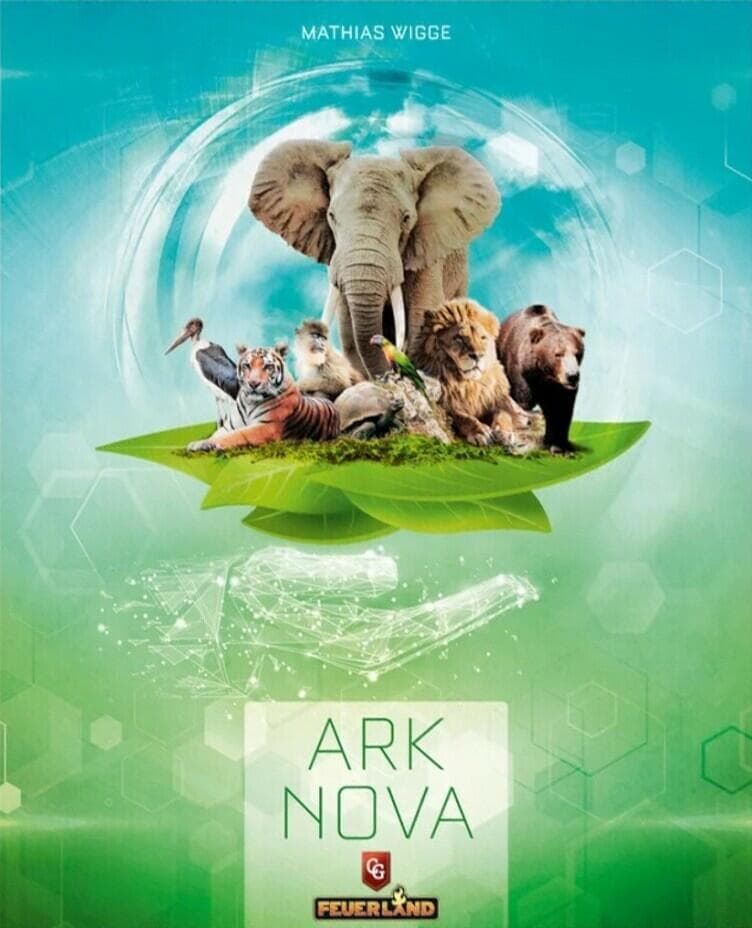
Ark Nova
2021Embark on a thrilling adventure with Ark Nova, a strategic board game designed for 1-4 players. This immersive experience typically lasts around 120 minutes, offering a rich and engaging gameplay session. Players take on the role of zoo administrators, tasked with building and managing their own zoos while competing to attract visitors and earn prestige points. The game features a unique blend of hand management, tile placement, variable player powers, action programming, and set collection mechanics, providing a challenging and rewarding experience for players of all skill levels. As you navigate the complexities of zoo management, you'll need to balance resource allocation, exhibit design, and animal care while also navigating the cutthroat world of zoo politics. With its engaging theme, intricate gameplay, and high replayability, Ark Nova is an excellent choice for fans of strategic board games looking for a new challenge.
1-4 120m⚖️ 3.8
RANK #3
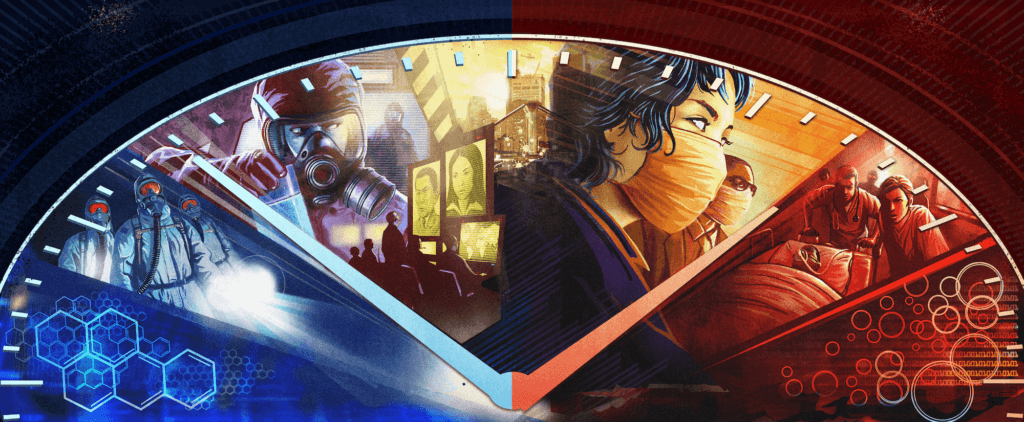
Embark on an unparalleled cooperative board game journey with Pandemic Legacy: Season 1, released in 2015, where your every decision permanently reshapes the world. As members of an elite disease-fighting team, you'll face an evolving global pandemic over a thrilling, persistent campaign, experiencing dramatic twists and turns that make each playthrough utterly unique. This groundbreaking legacy game challenges players with difficult ethical choices, dynamic rule changes, and an unfolding narrative, ensuring an unforgettable strategic experience unlike any other tabletop adventure.
m⚖️ N/A
RANK #14
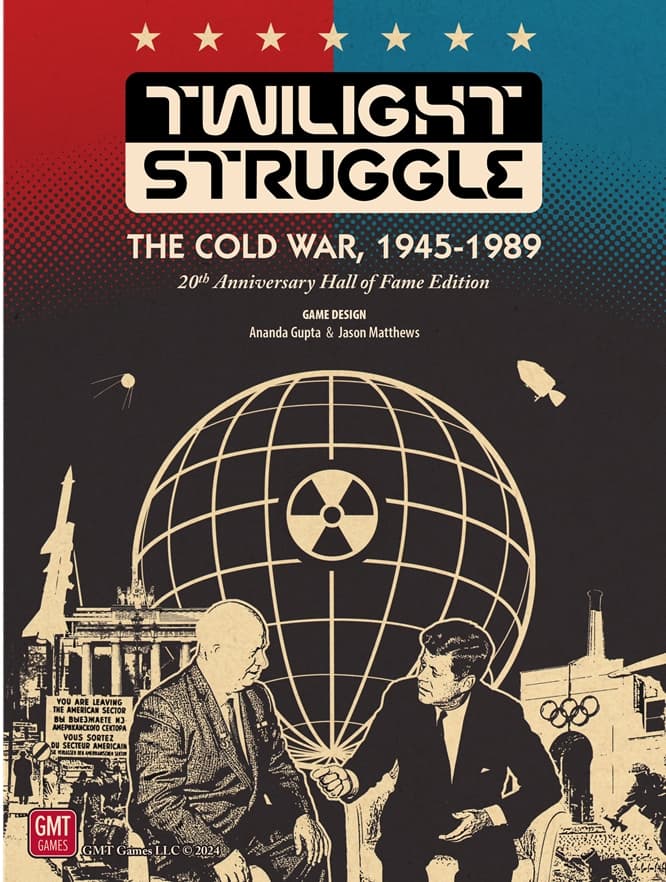
Twilight Struggle is a monumental two-player board game that simulates the entire 45-year span of the Cold War. One player assumes the role of the United States and the other the Soviet Union, as they clash in a global struggle for ideological supremacy and geopolitical influence. The goal is not direct military conflict, but rather a tense battle of wits to spread your superpower's presence across the world map. Players score Victory Points by establishing control over key countries and regions. Victory can be achieved immediately by accumulating 20 VP, by fulfilling a special condition like controlling Europe when its scoring card is played, or by forcing your opponent to trigger a global thermonuclear war.
The game's engine is driven by a deck of cards, each representing a significant historical event from the era. These cards present the game's central, agonizing dilemma: each can be used either for its 'Operations Points' value or for its event text. Operations Points are the currency for actions like placing influence markers, attempting coups to destabilize enemy-controlled nations, or making realignment rolls to reduce opponent influence. However, if a player uses an opponent's event card for its Operations Points, the event itself still occurs. This forces players to constantly mitigate disasters and make difficult choices about which fires to start and which to put out. This core mechanic is layered with a DEFCON track that measures nuclear tension; too many aggressive moves can lower the DEFCON level, and if it ever reaches 1, the player whose turn it is loses instantly.
Twilight Struggle is revered for its incredible strategic depth and historical immersion, masterfully weaving its theme into every mechanic. The constant brinkmanship, where a single misstep could lead to nuclear annihilation, creates a palpable tension that lasts from the first turn to the last. The dual-use card system is frequently cited as a work of design genius, ensuring that every hand of cards presents a new and challenging puzzle. It is a demanding and complex game, but one that rewards dedicated players with a deeply satisfying and unforgettable strategic experience, solidifying its reputation as one of the greatest two-player games ever created.
2 180m⚖️ 3.6
RANK #17
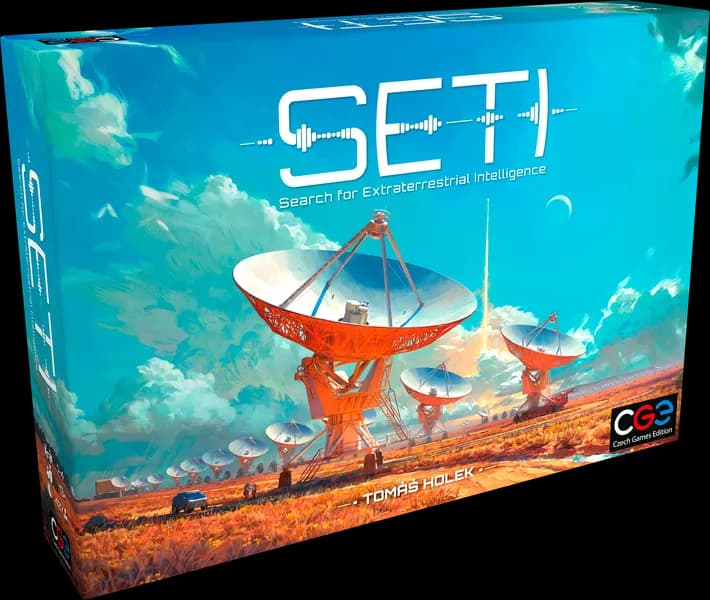
In SETI: Search for Extraterrestrial Intelligence, players take on the ambitious role of leading modern space exploration agencies, competing in the monumental quest to find proof of life beyond Earth. This science-fiction Eurogame is deeply rooted in real-world scientific endeavors, challenging you to manage resources, advance your technological prowess, and strategically explore our solar system. Your ultimate objective is to accumulate the most victory points by making groundbreaking discoveries, analyzing cosmic data, and establishing your agency as the foremost pioneer in the search for alien life. The game is a thematic and strategic journey that mirrors the patience, planning, and eventual excitement of its namesake, translating a grand scientific pursuit into a compelling tabletop experience.
The core gameplay unfolds over five rounds, where players must make critical decisions with their limited actions. Each turn involves choosing one main action, supplemented by any number of free actions, creating a tight and tactical puzzle. Central to the experience is a clever hand management system featuring over 200 unique, multi-use cards that can be played for powerful effects, spent as resources, or used to generate income. Players will engage in a celestial area control struggle by scanning sectors of the sky with Earth-based telescopes, gathering valuable data. This data fuels an engine-building process where you can research technologies to upgrade your capabilities. A standout feature is the rotating, four-layer solar system board, across which you'll launch and maneuver probes to survey planets and collect samples, pushing ever deeper into the cosmos.
SETI captivates players with its deliberate and rewarding progression. The game starts at a measured pace, with agencies having limited resources and capabilities, but it masterfully accelerates as players build their engines. This creates a deeply satisfying arc where later rounds are filled with powerful, complex turns and significant strategic payoffs. The game’s most unique element is the potential discovery of alien life, a dynamic event that introduces new rules and scoring opportunities, ensuring no two games feel exactly alike. This blend of a crunchy, strategic Eurogame with a strong, immersive theme of cosmic discovery makes it a standout title. It appeals to gamers who love heavy, interwoven systems, long-term planning, and the thrill of exploring the great unknown.
1-4 100m⚖️ 3.8
BoxNo Cover Art
RANK #82
Android: Netrunner is a celebrated asymmetrical card game for two players, set in a dystopian cyberpunk future. In this high-stakes conflict, one player assumes the role of a massive, monolithic corporation, while the other becomes a renegade hacker known as a 'Runner'. The primary objective for both sides is to score seven 'agenda' points. The Corporation player achieves this by installing and advancing their secret agendas within their fortified servers. The Runner, however, aims to infiltrate these servers and steal the agendas before they can be scored. The game introduces thrilling alternate victory conditions: the Corp can win by inflicting enough damage to 'flatline' the Runner, while the Runner can claim victory if the Corporation is forced to draw from an empty deck, representing a catastrophic system crash. This fundamental opposition sets the stage for a tense and strategic duel of wits.
The gameplay is a masterclass in asymmetry, with each side playing by entirely different rules and pursuing divergent strategies. The Corp player focuses on economic management and building a digital fortress. They spend their turns drawing cards, gaining credits, and, most importantly, installing cards facedown into their servers. These cards could be the valuable agendas they need to win, assets that provide ongoing benefits, or dangerous 'ice' that protects their servers and punishes intruders. This creates a landscape of hidden information and potent bluffs. In contrast, the Runner player's turn is about calculated aggression and risk. They must build their 'rig'—a suite of hardware and icebreaker programs—to bypass the Corp's defenses. They then initiate 'runs' on the Corp's servers, hoping to access and steal agendas while avoiding the consequences of walking into a well-laid trap.
What elevates Android: Netrunner to legendary status is its profound strategic depth married with intense psychological gameplay. The experience is not merely about optimizing a deck, but about outthinking and outmaneuvering a live opponent. Every facedown card is a puzzle, and every run is a gamble, creating a constant tension that few other games can match. Playing as the Corp feels like spinning a complex web, while playing the Runner is an exercise in calculated audacity. The game was released as a 'Living Card Game' (LCG), meaning players bought fixed, non-random packs of cards, which fostered a diverse and accessible metagame without the frustrating and expensive 'chase rare' model of traditional collectible card games. This combination of a rich, evocative theme, deep asymmetry, and a player-friendly distribution model secured its legacy as one of the most beloved and intellectually rewarding two-player games ever created.
2 45m⚖️ 3.8
RANK #170
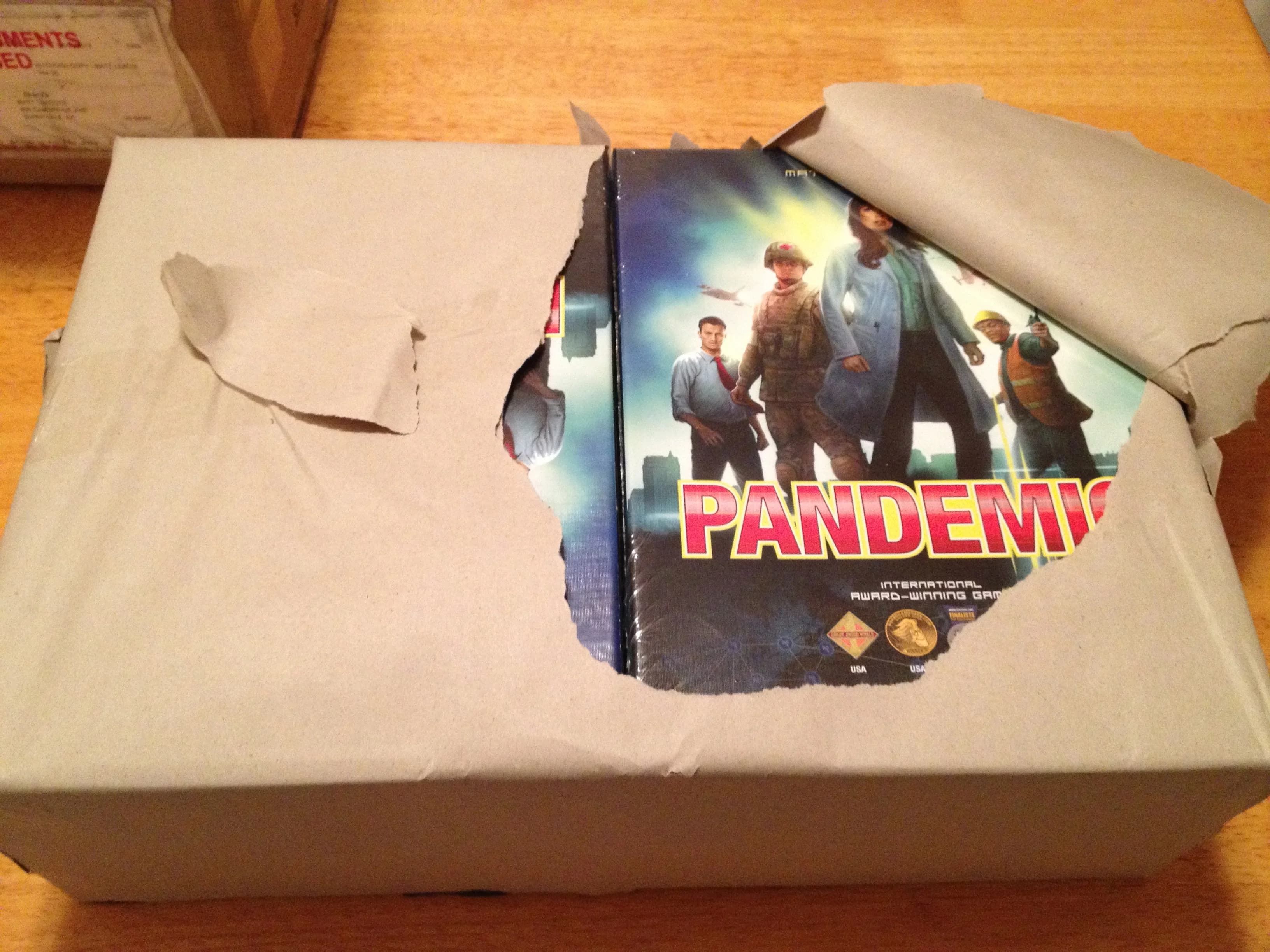
Pandemic
2008Pandemic presents a thrilling, high-stakes challenge where players must band together as a team of elite disease-control specialists. In this quintessential cooperative game, the world is on the brink of disaster, with four deadly diseases spreading rapidly across the globe. Players don't compete against each other; instead, they unite against the game's automated systems, which relentlessly propagate the infections. Each team member assumes a unique role, such as the resourceful Scientist or the indispensable Medic, bringing special abilities to the table that are critical for success. The ultimate objective is to discover the cures for all four plagues before time runs out, a pandemic spirals out of control, or the supply of medical resources is exhausted. It’s a race against the clock where teamwork and strategic foresight are the only tools standing between humanity and a global catastrophe.
The gameplay unfolds through a tense and structured sequence of turns. On their turn, a player can perform up to four actions, creating a wealth of strategic choices. These actions include moving between major world cities, treating localized infections by removing disease cubes, establishing vital research stations, sharing knowledge by trading city cards with teammates, or using a set of matching city cards to discover a cure. After taking actions, the player must draw two cards from the player deck, which contains the city cards needed for cures but also powerful one-time Event cards and the dreaded Epidemic cards. Drawing an Epidemic card is a pivotal moment that escalates the crisis: it accelerates the infection rate, triggers an immediate large-scale infection in a new city, and critically, reshuffles the previously infected cities back to the top of the infection deck. This 'intensify' mechanic ensures that hotspots are likely to be hit again, leading to potential chain-reaction outbreaks that spread disease to adjacent cities.
The enduring appeal of Pandemic lies in its brilliant fusion of accessible rules and profound strategic depth. It creates a palpable sense of mounting pressure, forcing players into constant communication and collaborative problem-solving. The game becomes a fascinating puzzle where the team must constantly weigh managing immediate threats—stamping out fires on the board to prevent outbreaks—against progressing toward the long-term victory condition of finding all four cures. This delicate balancing act is the heart of the game's tension. Because the difficulty can be scaled by altering the number of Epidemic cards in the deck, it offers a consistently engaging challenge for both newcomers and seasoned strategists. Its design has become a benchmark for cooperative games, celebrated for its ability to create a compelling narrative of global crisis and collective heroism with every session.
2-4 45m⚖️ 2.4
RANK #236
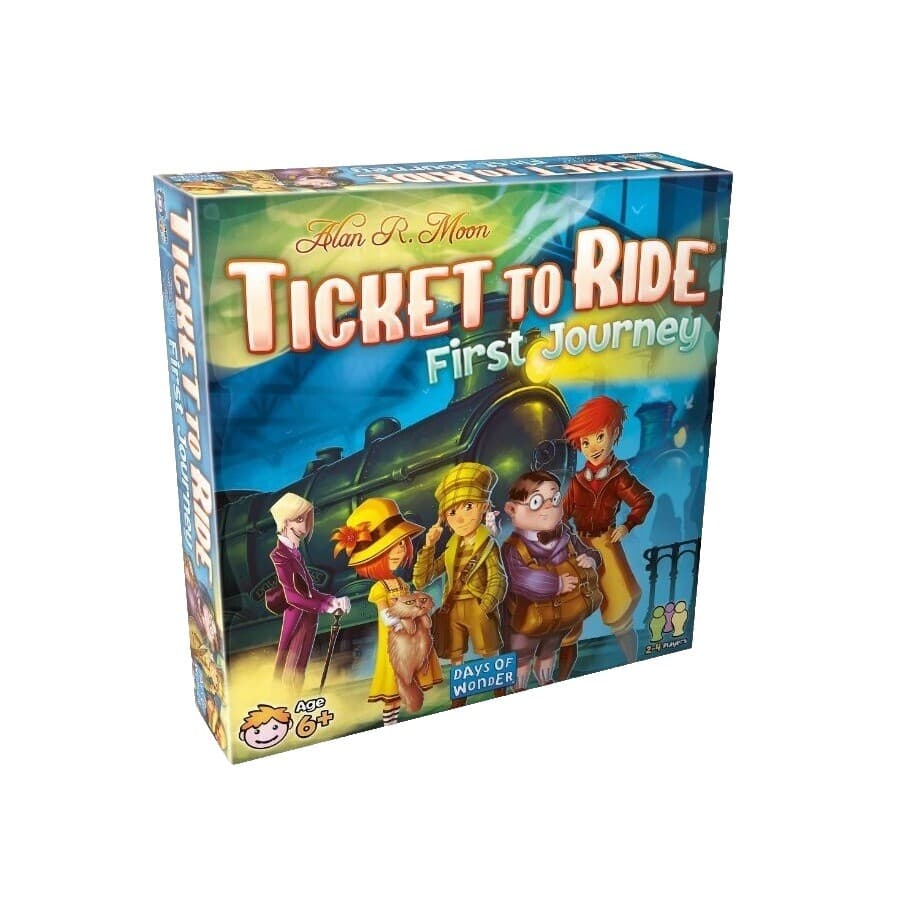
Embark on a frosty railway adventure with *Ticket to Ride: Nordic Countries*, a standalone installment in the award-winning series designed specifically for a more intimate and competitive experience. Set against the beautiful, snow-dusted backdrop of Denmark, Finland, Norway, and Sweden, this game challenges two or three players to become the region's greatest transportation magnate. The core objective remains familiar to fans of the series: collect colored train car cards to claim railway routes, strategically connecting cities across the map. Your primary source of points comes from fulfilling secret Destination Tickets, each one tasking you with linking two specific cities. Successfully completing these tickets adds to your score, but failure will cost you dearly. The player who has amassed the most points from their routes, completed tickets, and the coveted 'Globetrotter' bonus for the most tickets fulfilled, will be declared the winner.
The gameplay is elegantly simple yet rich with strategic choices. On your turn, you perform one of three actions: draw more train car cards, claim a route by discarding a matching set of cards, or draw new Destination Tickets to potentially increase your score. *Nordic Countries* introduces compelling twists on this classic formula with the inclusion of Ferries and Tunnels. Ferries are special sea routes that demand a specific number of powerful Locomotive wild cards to claim, making these cards exceptionally valuable. Tunnels add a thrilling element of risk; after committing your cards to a mountain route, you must reveal cards from the top of the deck, potentially forcing you to play extra cards to complete the connection. This version also uniquely alters the rules for Locomotives, restricting their use primarily to these special routes, which intensifies the strategic planning around their acquisition and use.
What makes *Ticket to Ride: Nordic Countries* a standout title is its brilliantly crafted map, which is significantly tighter and more constrained than its predecessors. This design choice inherently creates a high-stakes environment where player interaction is not just possible, but inevitable. Players must constantly watch their opponents, anticipate their moves, and decide whether to build their own network or defensively block a critical path. The scarcity of double-routes means competition for key connections is fierce from the very start. This heightened tension, combined with a brisk playtime of 30-60 minutes, makes it an exceptionally engaging and replayable game for couples, families, and anyone seeking a fast-paced, light-strategy experience with a healthy dose of direct competition.
2-3 45m⚖️ 1.9
RANK #251
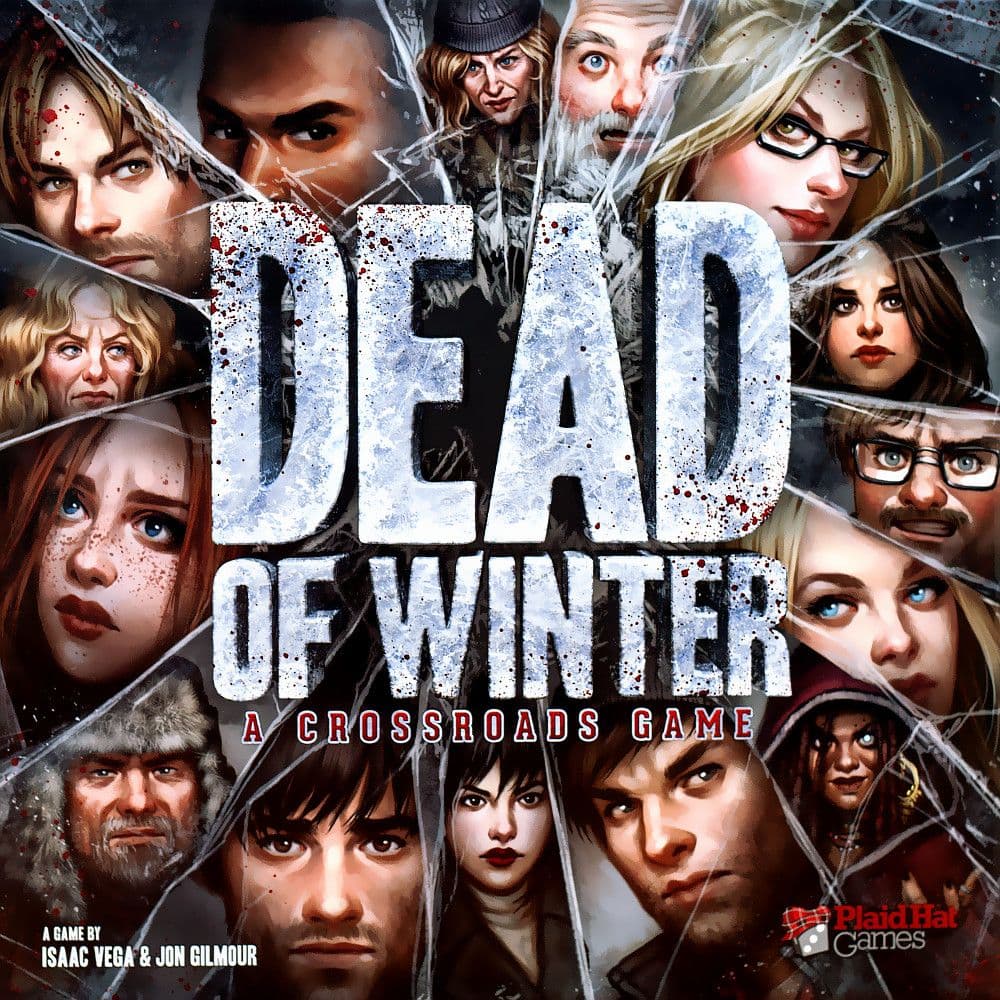
Dead of Winter: A Crossroads Game is a deeply thematic and psychological survival experience set in the harsh, unforgiving world of a zombie apocalypse. Players take on the roles of survivors in a struggling colony, forced to work together to fend off the undead, gather resources, and achieve a common objective to win the game. However, this is a 'meta-cooperative' game, meaning the group's success is only half the battle. Each player also harbors a secret personal objective they must fulfill to claim an individual victory. This dynamic masterfully creates an atmosphere of paranoia and suspense, as you can never be entirely sure of your fellow survivors' true intentions. The core conflict is a constant, tense negotiation between advancing the colony's welfare and pursuing your own self-interest, all while morale threatens to collapse.
The gameplay is structured into rounds, each containing a player turn phase followed by a colony phase. On your turn, you'll roll a set of action dice that dictate the tasks you can perform, such as scavenging for vital supplies like food and medicine, attacking zombies at various locations, constructing barricades for defense, or contributing to the ever-present crisis that threatens the colony each round. One of the game's most celebrated innovations is the Crossroads card system. At the start of each turn, another player draws a card that presents a narrative fork in the road, often forcing the active player to make a difficult, thematic choice with branching consequences. After all players have acted, the colony phase commences, during which survivors consume food, zombies press their attack, and the main objective's status is updated.
What makes Dead of Winter a modern classic is the powerful blend of strategic gameplay and emergent storytelling. The ever-present threat of a hidden traitor, a player whose secret objective is to sabotage the colony, fuels intense player interaction, accusation, and bluffing. Every decision is fraught with weight, not just for its mechanical impact but for how it is perceived by the other players. The Crossroads cards ensure no two games are ever alike, generating memorable, player-driven narratives of desperation, sacrifice, and betrayal. It is this focus on the human element and moral dilemmas, rather than just the zombies themselves, that provides a uniquely compelling and highly replayable experience, making it a perfect 'bridge' for players seeking deeper, more thematic board games.
2-5 90m⚖️ 3.4
BoxNo Cover Art
RANK #289
Flamme Rouge
2016Flamme Rouge is a fast-paced, tactical bicycle racing game that transports players to the heart of a high-stakes 'one-day' classic race. Each player takes on the role of a team director managing two cyclists: the Rouleur, known for steady endurance, and the Sprinteur, capable of explosive bursts of speed. The objective is deceptively straightforward—cross the finish line first—but achieving this requires mastering the delicate balance of stamina, positioning, and timing. Set against the backdrop of the golden age of cycling, the game uses a modular track system to create unique courses every time you play, ranging from flat sprints to grueling mountain climbs that test even the most seasoned riders.
The gameplay loop revolves around a clever card-driven movement system that emphasizes hand management and deck depletion. Every round, players simultaneously draw cards for both their riders, choosing one to play and burying the others. The catch is that once a movement card is played, it is permanently removed from the game. This forces players to make difficult decisions: do you burn a high-value card now to break away from the pack, or save it for the final sprint? Positioning is critical, as the game rewards those who ride in groups through a 'slipstreaming' mechanic. If a rider ends exactly one space behind another, they are pulled forward for free, conserving their energy. Conversely, leading the pack or riding solo into the wind results in 'Exhaustion' cards being added to your deck, which act as dead weight and dilute your future drawing options.
What makes Flamme Rouge a modern classic is its ability to deliver a deep, thematic experience through incredibly accessible rules. It is easy enough for families to enjoy together but offers the tactical depth required to keep veteran strategy gamers engaged. The tension of the 'reveal' phase, where all players show their cards at once, captures the unpredictable nature of a real peloton. With its elegant design and high replayability thanks to the diverse track tiles, it offers a satisfying blend of luck and strategy. Whether you are carefully drafting to stay fresh or making a desperate dash for the flamme rouge—the red flag marking the final kilometer—every race is a cinematic experience.
2-4 45m⚖️ 1.7
RANK #1,201
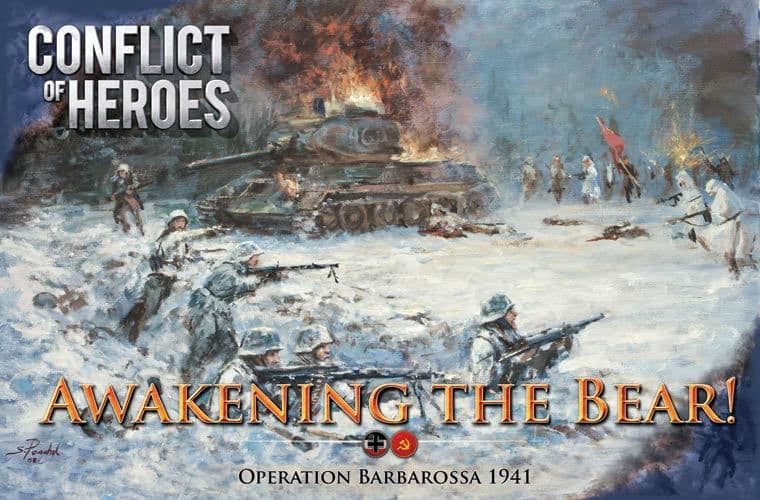
Dive into the pivotal moments of World War II with Conflict of Heroes: Awakening the Bear! (Second Edition), a tactical wargame simulating the German invasion of the Soviet Union in 1941. This game places you in command of platoon and squad-level forces, where individual counters represent infantry squads, crewed weapon teams, and armored tanks. Each scenario, called a "Firefight," presents a unique historical engagement with specific objectives, forces, and turn limits. Your goal is to outmaneuver your opponent, secure strategic objectives, and eliminate enemy units to accumulate more victory points by the end of the mission, thereby rewriting a small slice of history on the Eastern Front.
The game distinguishes itself with a dynamic and streamlined ruleset that eliminates the intimidating charts common to many wargames. Gameplay revolves around an elegant Action Point (AP) system, where each unit has a set number of points to spend on actions like moving, firing, or seeking cover. Instead of long phases, players engage in a rapid, alternating activation sequence, activating a single unit to perform its actions before passing the initiative immediately back to their opponent. This creates a tense, fast-paced rhythm with zero downtime. Combat is resolved quickly by rolling dice and comparing attack values to defense values, while modular map boards create varied terrain for each battle. Furthermore, a hand of Action and Command cards introduces an element of surprise, allowing for special maneuvers or unexpected reinforcements.
Awakening the Bear! is celebrated for successfully bridging the gap between deep, historical simulation and accessible, modern game design. Its publisher's promise of "No Charts!" and the ability to "teach a new player in under 5 minutes" makes it a widely recommended gateway into the wargaming hobby. While simple to learn, the game offers immense tactical depth and replayability through its numerous scenarios and modular setup. The quick-fire, back-and-forth activation system keeps both players constantly engaged, forcing them to make critical decisions with every move. This combination of historical fidelity, strategic challenge, and ease of entry has earned it critical acclaim and a dedicated following among both wargaming veterans and newcomers alike.
2-4 120m⚖️ 3.2

RANK #11,426
Prepare to forge an industrial empire in Brass: Pittsburgh, the highly anticipated economic strategy board game launching in 2026. This standalone iteration of the critically acclaimed Brass series immerses players in the steel city's historic industrial revolution, challenging them to build and manage a sophisticated network of canals, railroads, and factories. Strategically produce goods, capitalize on market demands, and outmaneuver rivals to dominate the resource management landscape and achieve ultimate economic prosperity. With deep strategic choices and intricate network building mechanics, Brass: Pittsburgh offers a compelling competitive experience for fans of complex eurogames and new players eager to dive into a richly themed industrial simulation.
m⚖️ N/A
BoxNo Cover Art
RANK #17,318
Tricky Twist
2025Tricky Twist is a vibrant and intellectually stimulating trick-taking card game that redefines the genre for the modern era. Released in 2025, it challenges players to navigate an ever-shifting landscape of rules and priorities where the standard hierarchy of cards is rarely static. The primary goal is to accumulate the most victory points over a series of rounds by winning specific "Twist" tricks and meeting hidden objectives that change as the deck thins. Unlike traditional trick-taking games where the highest card simply wins, Tricky Twist introduces a dynamic board element that tracks the current 'Twist Law', a mechanic that can flip the trump suit mid-hand or invert the winning conditions entirely. Players must remain agile, anticipating how their opponents might manipulate the board to render their high-value cards useless.
The gameplay loop of Tricky Twist revolves around a central "Twist Dial" that dictates the current state of play. Each round begins with a drafting phase where players select their hand from a shared pool, adding a layer of strategic foresight before the first card is even played. Notable mechanics include 'Trick-Taking' with a 'Follow Suit' requirement, but with the added complexity of 'Variable Player Powers' assigned through 'Character Roles' at the start of each round. When a player leads a card, others must follow, but certain cards allow a player to rotate the Twist Dial, changing the game's gravity—suddenly, the lowest card might win the trick, or a specific color might become 'Toxic', penalizing the winner. This 'Card Play Conflict' ensures that no two tricks feel the same, and the 'Hand Management' aspect becomes a tense exercise in risk mitigation and opportunistic scoring.
The unique appeal of Tricky Twist lies in its perfect balance between tactical depth and chaotic fun. Fans of the game praise its high replayability, driven by the unpredictable nature of the Twist Dial which ensures that "solved" strategies are impossible to maintain. It captures the social energy of a classic party game while providing the crunchy decision-making found in mid-weight strategy titles. The production value, often featuring high-quality linen-finish cards and a tactile wooden dial, adds a sensory satisfaction to the mechanical "twists." It is a game that rewards those who can read their opponents' intentions, making it a masterclass in psychological play and table talk. Ultimately, Tricky Twist is beloved because it transforms the familiar comfort of a card game into a thrilling, brain-teasing puzzle that keeps everyone on the edge of their seats until the final card is revealed.
3-5 45m⚖️ 2.6
Showing 1 to 12 of 15 games