Thematic Games
Browse all Thematic board games in the Meeple Pulse database.
Styles
Themes
AbstractAdventureAncientAnimalsArtBusinessCard GameCo-operativeComic BookCooperativeCrimeEconomicEnvironmentalismExplorationFantasyHistoricalHorrorHumorIntrigueLiteraryMagicMarvelMedievalModernMuseumMysteryMythologyNatureNauticalPoliticalPress Your LuckSatireSci-FiSocial CommentarySocial InteractionSpaceSuperheroesThematicTravelWarWesternWord-Guessing
Mechanics
3D PlacementActingAction / DexterityAction DraftingAction Point AllowanceAction Point Allowance SystemAction Point SystemAction PointsAction ProgrammingAction QueueAction RetrievalAction SelectionAction/EventAlliancesAlternate ActivationApp-AssistedApp-DrivenArea ControlArea InfluenceArea MajorityArea Majority / InfluenceArea MovementArgumentationAsymmetricAsymmetric FactionsAsymmetric GameAsymmetric PowersAsymmetrical PowersAuction & BiddingAuction/BiddingAuctioningBag BuildingBettingBetting and BluffingBetting and WageringBetting and WagersBiddingBingoBlind BiddingBluffingCampaign / Battle Card DrivenCampaign / LegacyCampaign / Legacy GameCampaign / Mission-basedCampaign / ScenariosCampaign GameCampaign PlayCard DraftingCard DrawingCard DrivenCard Driven ActionCard Driven CombatCard Driven Dice AllocationCard Driven MovementCard ManagementCard PlayCard Play / Hand ManagementCard Play Conflict ResolutionCard SheddingCard-Driven MovementCharacter CreationCharacter ProgressionChit-Pull SystemCo-op PlayCo-operative GameCo-operative PlayCode-breakingCombat ResolutionCombo ChainCommand CardsCommodity SpeculationCommunication LimitsContract FulfillmentContractsCooperative GameCooperative GameplayCooperative PlayCooperative Trick-takingDebateDeck BuildingDeck ConstructionDeck, Bag, and Pool BuildingDeck-BuildingDeductionDexterityDice DraftingDice PlacementDice RollingDiplomatic InfluenceDraftingDynamic Battle SystemEnclosureEnd Game BonusesEngine BuildingEngine-BuildingEscape RoomEvent DrivenExplorationFarmingFlip and WriteFollowFollow ActionGrid CoverageGrid MovementHand ManagementHex-and-CounterHexagon GridHidden MovementHidden RolesI Cut You ChooseIncomeInfluence / Area MajorityLadder ClimbingLegacyLegacy ElementsLegacy GameLegacy SystemLimited CommunicationLine DrawingLine of SightMancalaMap MovementMarketMarket DraftingMarket ManipulationMarket MechanicMarket SpeculationMatchingMeasurement MovementMemoryMission ObjectivesModular BoardModular Board ConstructionMovement TemplatesMulti-Use CardsMulti-use CardsMultiple ScenariosMust FollowNarrative ChoiceNarrative Choice / ParagraphNegotiationNegotiation MechanicsNetwork & Route BuildingNetwork BuildingNetwork and Route BuildingOne vs ManyOne vs. ManyOpen DraftingPaper-and-PencilPartnershipsPattern BuildingPattern RecognitionPick-up and DeliverPlayer EliminationPlayer InteractionPlayer JudgePoint SaladPoint to Point MovementPolyominoesPush Your LuckPush-Your-LuckPuzzlePuzzle-LikePuzzle-SolvingRaceReal-TimeRecipe FulfillmentResource ManagementRole PlayingRole SelectionRoll / Spin and MoveRondelRoute BuildingRoute-BuildingRoute/Network BuildingSanity SystemScenario / Campaign PlayScenario / Mission / Campaign GameScenario / Mission FunctionSecret Unit DeploymentSemi-Cooperative GameSet CollectionSheddingSimulationSimultaneous ActionSimultaneous Action SelectionSimultaneous Hidden AllocationSocial DeductionSocial InteractionSolo / Solitaire GameSpace ExplorationStat Check / Skill CheckStock HoldingStorytellingStrategic PlanningTableau BuildingTactical Decision-MakingTake ThatTargeted CluesTeam PlayTeam-Based GameTeam-Based GuessingTeamworkTech TreesTech Trees / Tech TracksTechnology & Armament TracksTechnology TreeTension & Aggression TracksTile DraftingTile LayingTile PlacementTime TrackTime TravelTower DefenseTrack MovementTradingTrick-takingTug of WarTurn Order: PassTurn Order: Stat-BasedUnit PlacementVariable Phase OrderVariable Player PowersVariable Set-upVariable SetupVictory Point TracksVotingWord AssociationWord GameWord GuessingWord-GuessingWord-guessingWordplayWorker Placement
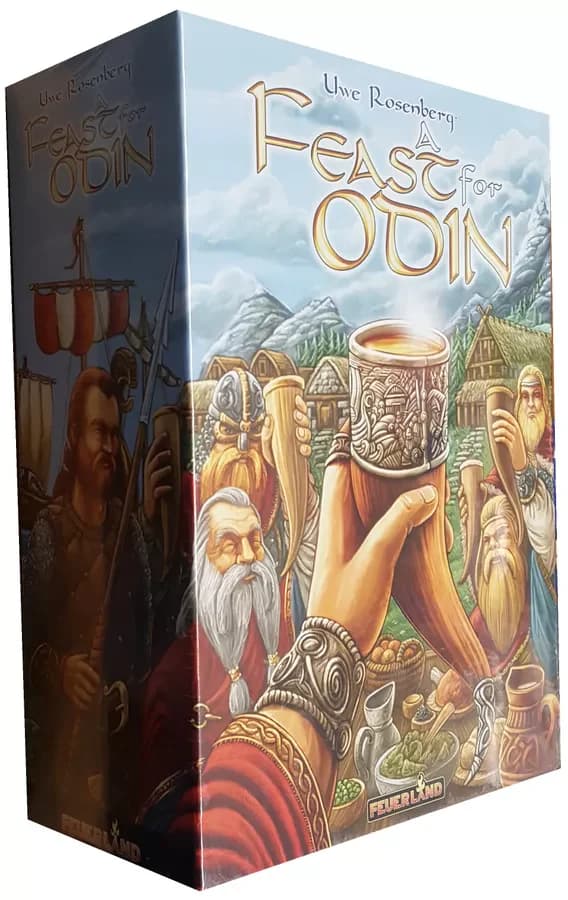
RANK #27
A Feast for Odin
2016In A Feast for Odin, 1-2 players take on the role of Viking leaders, competing to build their civilization through exploration, trading, and settlement building. The game is a challenging strategy experience that combines worker placement, engine-building, and area control mechanics. Players must balance the needs of their people with the demands of the gods, all while navigating the harsh realities of the Viking world. As players progress, they'll unlock new abilities and buildings to aid in their quest for glory.
1-2 60m⚖️ 3.5
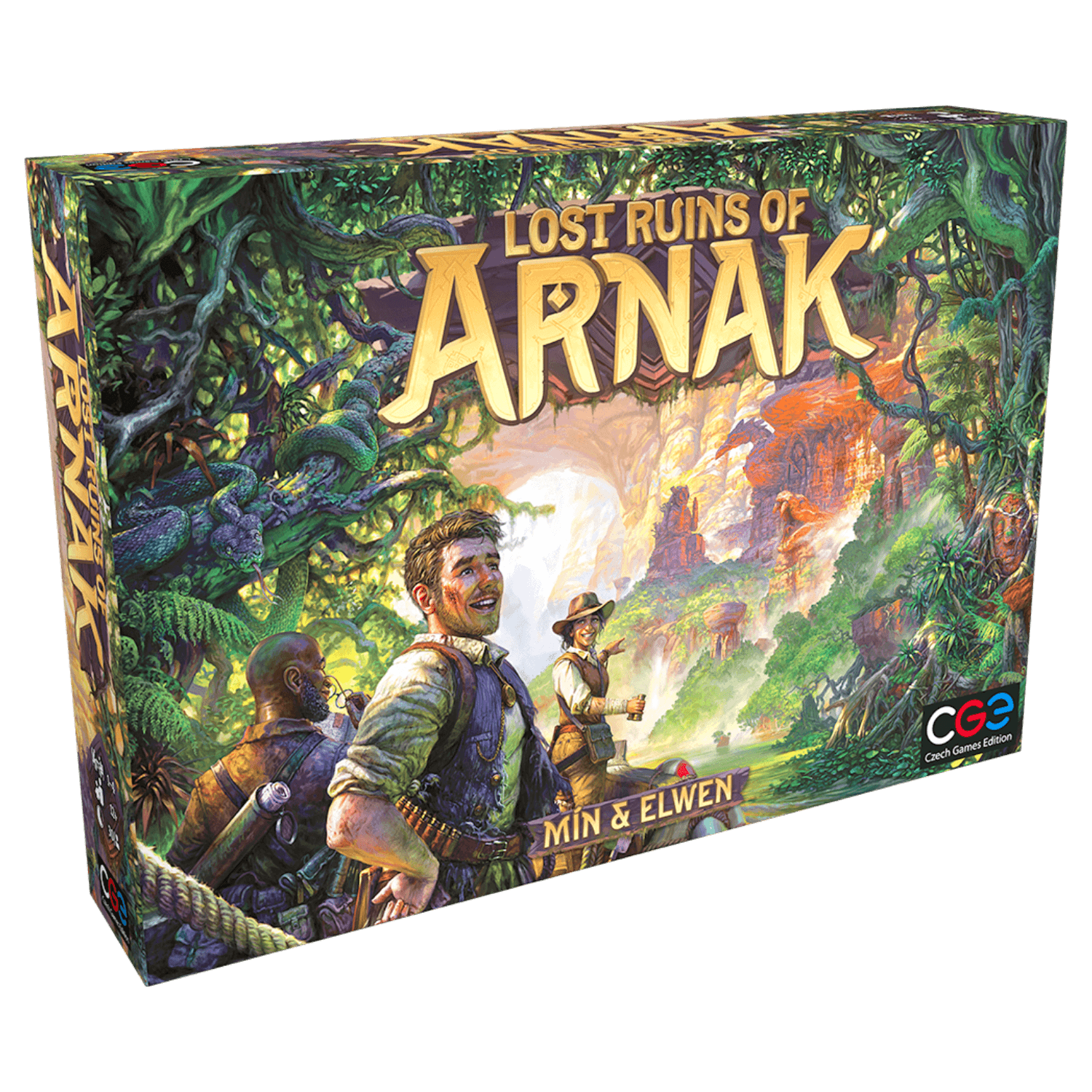
RANK #30
In Lost Ruins of Arnak, 2-3 players take on the role of archaeologists seeking to uncover the secrets of a mysterious island. On each turn, players can choose to excavate new ruins, manage their resources, and complete quests to earn victory points. The game is known for its unique combination of worker placement, deck-building, and engine-building mechanics, which allow players to customize their strategy as they explore the island. As players delve deeper into the ruins, they'll uncover hidden temples, ancient artifacts, and treacherous traps that will challenge their skills and test their resolve. Will you be the first to uncover the secrets of Arnak and claim victory?
2-3 60m⚖️ 4.0
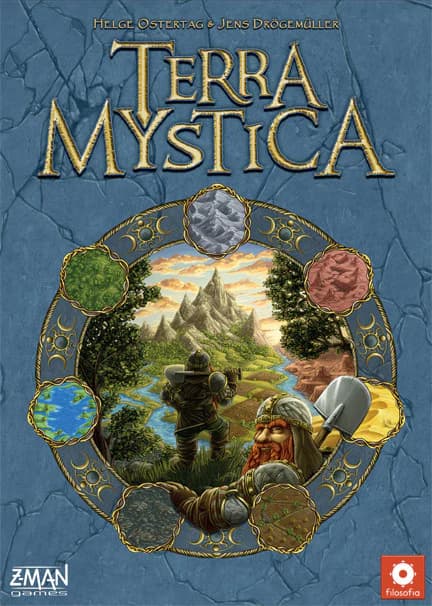
RANK #35
Terra Mystica
2012In Terra Mystica, 2-3 players take on the roles of magical clans seeking to expand their mystical influence across a mystical board. Each player builds and manages their own territory, placing tiles to create a unique landscape while utilizing various magical abilities to outmaneuver their opponents. The game's objective is to be the first to achieve a set amount of mystical power, earned through strategic tile placement, resource management, and clever use of magical abilities.
As players navigate the mystical realm, they'll encounter ancient ruins, mysterious artifacts, and rival clans vying for dominance. With each turn, players must balance their own needs with the changing landscape, adapting to new opportunities and challenges as they arise.
Terra Mystica is a game of strategic planning, clever resource management, and magical might, appealing to fans of area control, engine-building, and strategic gameplay.
2-3 60m⚖️ 3.5
BoxNo Cover Art
RANK #86
Maracaibo
2019One of the key appeals of Maracaibo is its thematic depth and historical accuracy. The game's designers have done extensive research on the era of colonialism, incorporating many authentic details into the game's mechanics and components. Players who enjoy games with strong themes and historical context will find much to appreciate in Maracaibo. Additionally, the game's engine-building mechanics and resource management challenges provide a high level of replayability, making it an excellent choice for players looking for a game that can be enjoyed multiple times.
2-4 60m⚖️ 3.5
BoxNo Cover Art
RANK #127
In Dwellings of Eldervale, players take on the roles of architects tasked with designing and building a thriving community in the mystical realm of Eldervale. The game's goal is to create a harmonious balance between the natural world and the needs of the inhabitants, while also competing to earn the most prestige points.
The gameplay involves a combination of area control, resource management, and engine-building mechanics. Players start with a small plot of land and must carefully plan their development, balancing the need for resources such as food, water, and materials with the desire to build structures that will attract inhabitants and generate revenue. As players progress, they can expand their territory, recruit new residents, and construct buildings that provide bonuses and benefits.
One of the unique aspects of Dwellings of Eldervale is its thematic depth. The game's world is richly detailed, with a focus on environmentalism and sustainability. Players must navigate the challenges of climate change, resource depletion, and social inequality, all while striving to create a thriving community that benefits both the inhabitants and the environment.
The game's mechanics are carefully designed to promote strategic thinking and planning, as players must balance short-term needs with long-term goals. The game also features a dynamic weather system and a variety of events and challenges that add an extra layer of complexity and replayability.
1-4 60m⚖️ 3.5
BoxNo Cover Art
RANK #141
Lorenzo il Magnifico is a strategic board game designed for 2-4 players, set in the Renaissance era of Florence, Italy. Players take on the roles of powerful families vying for influence and wealth during this pivotal time in history. The game's objective is to accumulate the most victory points by completing various tasks, such as building structures, collecting art, and influencing politics.
Gameplay involves a combination of resource management, area control, and strategic planning. Players must navigate the complex web of alliances and rivalries between families, all while managing their resources and making tactical decisions to outmaneuver their opponents. The game's mechanics include worker placement, area control, and engine-building, which add depth and replayability to each playthrough.
One of the unique aspects of Lorenzo il Magnifico is its thematic immersion. Players are fully immersed in the world of Renaissance Florence, with beautifully illustrated components and a richly detailed game board that brings the city to life. The game's mechanics and theme work together seamlessly to create an engaging and challenging experience for players.
2-4 120m⚖️ 3.5
BoxNo Cover Art
Museum: Kickstarter Edition is a strategic board game designed for 1-4 players, where each player takes on the role of a museum curator tasked with collecting and displaying artifacts from around the world. The game's primary objective is to earn the most prestige points by acquiring valuable artifacts, constructing exhibits, and attracting visitors to the museum. Players must carefully manage their resources, prioritize their actions, and make strategic decisions to outmaneuver their opponents.
Gameplay involves a combination of area control, resource management, and engine-building mechanics. Each player starts with a basic collection of artifacts and a limited budget for acquiring new ones. As players collect more artifacts, they can construct exhibits, which provide bonus points and attract visitors. However, the museum's capacity is limited, so players must carefully balance their exhibit construction with the need to acquire new artifacts.
The game features a unique mechanic called 'exhibit cards,' which allow players to create custom exhibits using their collected artifacts. These cards also introduce an element of luck, as players can draw random exhibit cards that may provide unexpected benefits or challenges. Additionally, the game includes a variety of visitor tokens, each with its own preferences and requirements for visiting specific exhibits.
Museum: Kickstarter Edition offers a unique blend of strategic planning, tactical execution, and social interaction. Players must navigate the complex web of artifact acquisition, exhibit construction, and visitor management to emerge victorious. The game's theme is rich in detail, allowing players to immerse themselves in the world of museum curation and competition.
m⚖️ 3.5
BoxNo Cover Art
Museum: The World's Fair is a game where players take on the roles of museum curators, tasked with creating an immersive and engaging experience for visitors from around the world. Each player has a unique set of skills and expertise that they can leverage to build their own exhibit, but they must also navigate the challenges of working within a shared space and competing with other curators for resources and attention. The game is won by the curator who creates the most impressive and well-rounded exhibit, taking into account factors such as visitor satisfaction, revenue generation, and overall impact on the museum's reputation.
Gameplay involves a combination of strategic planning, resource management, and tactical decision-making. Players must carefully balance their own goals with the needs and expectations of other players, all while navigating the complexities of building and maintaining an exhibit. The game includes a range of mechanics that add depth and replayability, including worker placement, area control, and engine-building.
One of the key features of Museum: The World's Fair is its high level of thematic integration. Players are fully immersed in the world of museum curation, with detailed artwork and components that bring the game to life. This attention to detail creates a sense of authenticity and realism, making it easy for players to become fully invested in their exhibit and the challenges they face.
Overall, Museum: The World's Fair is a game that offers something for everyone. Whether you're a seasoned gamer or just looking for a new challenge, this game provides a unique blend of strategy, creativity, and social interaction that is sure to delight.
m⚖️ 3.5
BoxNo Cover Art
Round of Fire
2017Round of Fire is a strategic board game designed for 2-4 players, where each player takes on the role of a leader in a medieval kingdom. The goal of the game is to accumulate wealth and influence by collecting resources, building structures, and managing your kingdom's economy. Players must navigate the challenges of war, diplomacy, and natural disasters while making strategic decisions to outmaneuver their opponents.
The gameplay involves a combination of resource management, area control, and engine-building mechanics. Each player starts with a small village and must expand it by collecting resources, building new structures, and recruiting units. The game features a unique 'fire' mechanism, where players can use fire to destroy their opponents' structures or disrupt their economy.
One of the key aspects of Round of Fire is its thematic depth. Players must balance short-term goals with long-term strategies, taking into account the needs of their kingdom and the actions of their opponents. The game also features a high level of replayability, as each playthrough offers a unique combination of challenges and opportunities.
Overall, Round of Fire is a challenging and engaging board game that requires strategic thinking and planning. It's an excellent choice for fans of strategy games who are looking for a new challenge.
m⚖️ 4.0
BoxNo Cover Art
There Grew a Kingdom is a strategic board game designed for 2-4 players, where each player takes on the role of a monarch vying to build and manage their own kingdom. The game's objective is to accumulate points by constructing buildings, managing resources, and making strategic decisions that impact the growth and prosperity of your kingdom. Players must balance short-term needs with long-term goals, all while navigating the challenges and opportunities presented by the game's unique mechanics.
Gameplay involves a combination of area control, resource management, and engine-building elements. Each player starts with a small plot of land and a limited set of resources, which they must use to construct buildings, recruit units, and expand their kingdom. As players progress through the game, they will encounter various challenges and events that require strategic decision-making and adaptability.
One of the key features of There Grew a Kingdom is its modular board, which consists of interlocking tiles that represent different regions of the kingdom. Players can choose to focus on specific areas or spread their resources thin across multiple regions, adding a layer of complexity and replayability to the game. The game also includes a variety of building types, each with its own unique abilities and requirements, allowing players to tailor their strategy to suit their playstyle.
There Grew a Kingdom is a game that rewards strategic thinking, resource management, and adaptability. It's an engaging and challenging experience for fans of strategic board games, offering a high level of replayability due to the modular board and variable player powers.
m⚖️ 4.0