Fantasy Games
Browse all Fantasy board games in the Meeple Pulse database.
Styles
Themes
AbstractAdventureAncientAnimalsArtBusinessCard GameCo-operativeComic BookCooperativeCrimeEconomicEnvironmentalismExplorationFantasyHistoricalHorrorHumorIntrigueLiteraryMagicMarvelMedievalModernMuseumMysteryMythologyNatureNauticalPoliticalPress Your LuckSatireSci-FiSocial CommentarySocial InteractionSpaceSuperheroesThematicTravelWarWesternWord-Guessing
Mechanics
3D PlacementActingAction / DexterityAction DraftingAction Point AllowanceAction Point Allowance SystemAction Point SystemAction PointsAction ProgrammingAction QueueAction RetrievalAction SelectionAction/EventAlliancesAlternate ActivationApp-AssistedApp-DrivenArea ControlArea InfluenceArea MajorityArea Majority / InfluenceArea MovementArgumentationAsymmetricAsymmetric FactionsAsymmetric GameAsymmetric PowersAsymmetrical PowersAuction & BiddingAuction/BiddingAuctioningBag BuildingBettingBetting and BluffingBetting and WageringBetting and WagersBiddingBingoBlind BiddingBluffingCampaign / Battle Card DrivenCampaign / LegacyCampaign / Legacy GameCampaign / Mission-basedCampaign / ScenariosCampaign GameCampaign PlayCard DraftingCard DrawingCard DrivenCard Driven ActionCard Driven CombatCard Driven Dice AllocationCard Driven MovementCard ManagementCard PlayCard Play / Hand ManagementCard Play Conflict ResolutionCard SheddingCard-Driven MovementCharacter CreationCharacter ProgressionChit-Pull SystemCo-op PlayCo-operative GameCo-operative PlayCode-breakingCombat ResolutionCombo ChainCommand CardsCommodity SpeculationCommunication LimitsContract FulfillmentContractsCooperative GameCooperative GameplayCooperative PlayCooperative Trick-takingDebateDeck BuildingDeck ConstructionDeck, Bag, and Pool BuildingDeck-BuildingDeductionDexterityDice DraftingDice PlacementDice RollingDiplomatic InfluenceDraftingDynamic Battle SystemEnclosureEnd Game BonusesEngine BuildingEngine-BuildingEscape RoomEvent DrivenExplorationFarmingFlip and WriteFollowFollow ActionGrid CoverageGrid MovementHand ManagementHex-and-CounterHexagon GridHidden MovementHidden RolesI Cut You ChooseIncomeInfluence / Area MajorityLadder ClimbingLegacyLegacy ElementsLegacy GameLegacy SystemLimited CommunicationLine DrawingLine of SightMancalaMap MovementMarketMarket DraftingMarket ManipulationMarket MechanicMarket SpeculationMatchingMeasurement MovementMemoryMission ObjectivesModular BoardModular Board ConstructionMovement TemplatesMulti-Use CardsMulti-use CardsMultiple ScenariosMust FollowNarrative ChoiceNarrative Choice / ParagraphNegotiationNegotiation MechanicsNetwork & Route BuildingNetwork BuildingNetwork and Route BuildingOne vs ManyOne vs. ManyOpen DraftingPaper-and-PencilPartnershipsPattern BuildingPattern RecognitionPick-up and DeliverPlayer EliminationPlayer InteractionPlayer JudgePoint SaladPoint to Point MovementPolyominoesPush Your LuckPush-Your-LuckPuzzlePuzzle-LikePuzzle-SolvingRaceReal-TimeRecipe FulfillmentResource ManagementRole PlayingRole SelectionRoll / Spin and MoveRondelRoute BuildingRoute-BuildingRoute/Network BuildingSanity SystemScenario / Campaign PlayScenario / Mission / Campaign GameScenario / Mission FunctionSecret Unit DeploymentSemi-Cooperative GameSet CollectionSheddingSimulationSimultaneous ActionSimultaneous Action SelectionSimultaneous Hidden AllocationSocial DeductionSocial InteractionSolo / Solitaire GameSpace ExplorationStat Check / Skill CheckStock HoldingStorytellingStrategic PlanningTableau BuildingTactical Decision-MakingTake ThatTargeted CluesTeam PlayTeam-Based GameTeam-Based GuessingTeamworkTech TreesTech Trees / Tech TracksTechnology & Armament TracksTechnology TreeTension & Aggression TracksTile DraftingTile LayingTile PlacementTime TrackTime TravelTower DefenseTrack MovementTradingTrick-takingTug of WarTurn Order: PassTurn Order: Stat-BasedUnit PlacementVariable Phase OrderVariable Player PowersVariable Set-upVariable SetupVictory Point TracksVotingWord AssociationWord GameWord GuessingWord-GuessingWord-guessingWordplayWorker Placement
RANK #180
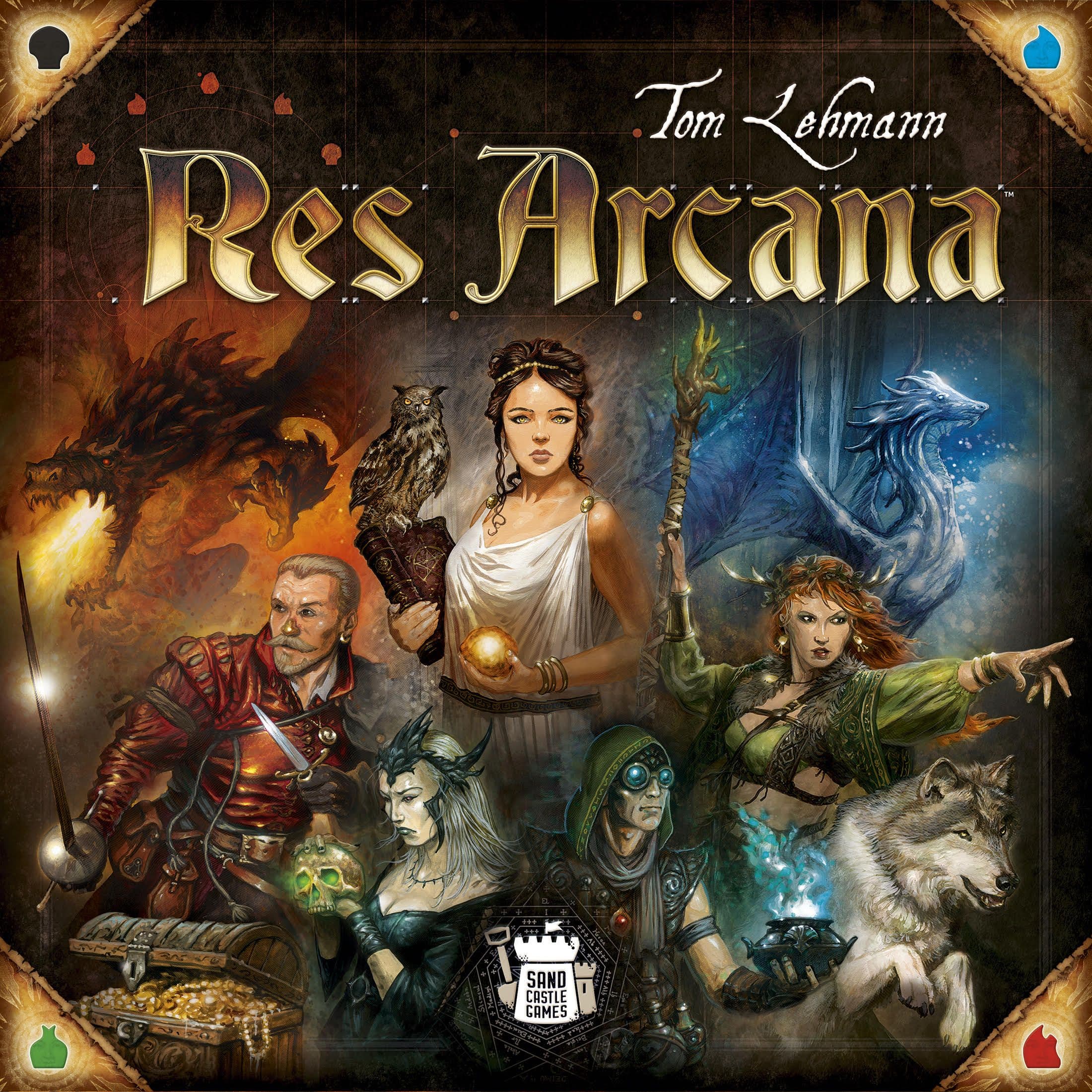
Res Arcana
2019Res Arcana is a brilliantly tight, fast-paced engine-building board game that plunges players into an arcane fantasy world. Designed by the renowned Tom Lehmann and originally published by Sand Castle Games in 2019, the game casts each participant as a powerful, uniquely skilled Mage. Ranging from ambitious Alchemists to dark Necromancers, players must harness their specialized abilities to dominate the magical realm. The ultimate objective is a frantic sprint: players race to be the very first to accumulate ten victory points. Achieving this requires masterful resource management and an unparalleled grasp of efficiency, as every single action and gathered element brings you one step closer to ultimate victory.
At the heart of the experience is an incredibly innovative micro-deck system that completely turns traditional card mechanics on their head. Unlike standard deck-builders where your arsenal grows over time, you are locked into a fixed, highly constrained deck of exactly eight artifact cards for the entirety of the game. After an initial drafting phase—highly recommended by the community to ensure balanced strategic planning—players must figure out how to synergize these eight specific cards. During the core gameplay loop, participants gather five distinct mystical essences: Elan, Life, Calm, Death, and Gold. Turns are agonizingly tense, consisting of a single action at a time. Players will spend their hard-earned essences to play artifacts into their tableau, activate powerful abilities, or claim lucrative public monuments and places of power from the center of the table. Because you can only perform one action before your opponent gets a chance to respond, the timing of every single maneuver is absolutely critical.
What truly sets Res Arcana apart from its peers is its complete elimination of deck bloat and luck-driven card drawing. By forcing you to craft a functional, high-yielding engine out of a minuscule pool of resources, the game evolves into a fiercely competitive puzzle of optimization. Every essence gathered must be calculated, and sacrificing a card from your tiny hand for temporary resources often becomes a painful but necessary tactical decision. The inclusion of variable player powers and the swapping of magic items each round ensure a highly replayable experience. It delivers the deep, satisfying strategic arc of a heavy civilization or tableau-building game, but distills that massive complexity into a remarkably sharp, thirty to sixty-minute package that leaves players eager for just one more match.
2-4 45m⚖️ 2.6
RANK #296
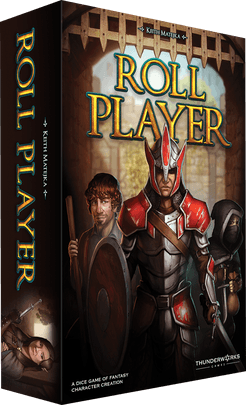
Roll Player
2016Roll Player is a creative board game that turns the classic tabletop RPG character creation process into a full competitive experience. Instead of embarking on a dungeon crawl, players are focused entirely on the preparation stage—building the most powerful and well-rounded fantasy hero possible. Set in the world of Ulos, each player takes on the role of a character with a specific race, class, and backstory. The primary objective is to earn the most Reputation Stars by the end of the game, which are awarded for meeting attribute requirements, fulfilling backstory goals, aligning your character's morality, and gathering powerful gear from the local market.
The gameplay revolves around a central dice-drafting mechanic spanning several rounds. Each round, dice are rolled and placed on initiative cards. Players take turns selecting a die to place on their character sheet in specific attribute rows like Strength, Intelligence, or Charisma. Each placement triggers a unique attribute action, allowing players to manipulate their dice by flipping them to opposite sides, re-rolling them, or swapping positions. This creates a deep, puzzle-like environment where players must carefully manage their resources and dice values. After the drafting phase, players visit the market to spend gold on skills, traits, and armor sets, all of which provide additional ways to score points or gain tactical advantages during future rounds.
What makes Roll Player so beloved is its ingenious 'gamification' of a meta-concept. It captures the nostalgic joy of rolling stats for a Dungeons & Dragons character while providing a rigorous strategic framework. The tension between picking the 'perfect' die for your stats versus picking an earlier initiative card to get the best equipment in the market makes for a compelling decision space. It is a highly satisfying optimization puzzle that feels thematic and rewarding, especially as you see your hero come together from a blank slate to a fully equipped champion. With a moderate complexity level, it is accessible enough for casual gamers while offering enough depth for strategy enthusiasts.
1-4 75m⚖️ 2.4

RANK #3,418
Wispwood
2025Wispwood invites players into a luminous, enchanted woodland where the primary objective is to harness the ethereal glow of magical wisps to guide a wandering cat through the shadows. In this visually striking experience, players act as tenders of the forest, strategically placing light sources to illuminate the dense foliage and create paths that appeal to the feline's natural curiosity. The game strikes a delicate balance between a peaceful, thematic journey and a calculated spatial puzzle. As the forest floor becomes a canvas of color and light, every tile placed serves the dual purpose of expanding the illuminated reaches of the woods and securing the favor of the elusive forest inhabitant. The overarching goal is not just to build a beautiful landscape, but to optimize the placement of these glowing elements to maximize influence over the game's final scoring conditions.
The core gameplay revolves around a drafting board featuring eight distinct positions, each offering a combination of face-up wisp tiles and specific polyomino shapes that range from two to four blocks in size. Over the course of three distinct rounds, players must carefully select their pieces to build out their personal forest tableau. The mechanic of tile-laying is elevated by the presence of conditional scoring elements that change based on goal cards, ensuring that no two sessions feel the same. Between rounds, the forest undergoes a phase of transformation where it fades and expands, forcing players to adapt their long-term strategies to the shifting landscape while maintaining the wisps they have already established. This evolution adds a layer of depth to the drafting process, as players must consider not just the immediate utility of a shape, but how it will interact with future expansions and the ever-changing requirements of the forest's magic.
What truly distinguishes Wispwood from other polyomino-based games is its blend of accessible drafting and surprisingly intricate scoring logic. While the act of placing colorful shapes is intuitive, the high volume of conditional bonuses requires players to maintain a sharp focus on efficiency and spatial planning. The game's appeal lies in its puzzle-like nature, where every decision carries weight, yet the theme remains light and enchanting. Enthusiasts of the genre will appreciate the solo-friendly design and the tactical flexibility required to navigate the drafting board's eight spots. Whether you are navigating solo challenges or competing in a four-player group, the game offers a satisfying progression as your forest grows from a few scattered lights into a radiant, interconnected ecosystem. With its quick playtime and high replayability, it serves as an excellent mid-weight title that rewards both casual play and more intense, analytical approaches to tile optimization.
1-4 45m⚖️ 2.2