Mythology Games
Browse all Mythology board games in the Meeple Pulse database.
Styles
Themes
AbstractAdventureAncientAnimalsArtBusinessCard GameCo-operativeComic BookCooperativeCrimeEconomicEnvironmentalismExplorationFantasyHistoricalHorrorHumorIntrigueLiteraryMagicMarvelMedievalModernMuseumMysteryMythologyNatureNauticalPoliticalPress Your LuckSatireSci-FiSocial CommentarySocial InteractionSpaceSuperheroesThematicTravelWarWesternWord-Guessing
Mechanics
3D PlacementActingAction / DexterityAction DraftingAction Point AllowanceAction Point Allowance SystemAction Point SystemAction PointsAction ProgrammingAction QueueAction RetrievalAction SelectionAction/EventAlliancesAlternate ActivationApp-AssistedApp-DrivenArea ControlArea InfluenceArea MajorityArea Majority / InfluenceArea MovementArgumentationAsymmetricAsymmetric FactionsAsymmetric GameAsymmetric PowersAsymmetrical PowersAuction & BiddingAuction/BiddingAuctioningBag BuildingBettingBetting and BluffingBetting and WageringBetting and WagersBiddingBingoBlind BiddingBluffingCampaign / Battle Card DrivenCampaign / LegacyCampaign / Legacy GameCampaign / Mission-basedCampaign / ScenariosCampaign GameCampaign PlayCard DraftingCard DrawingCard DrivenCard Driven ActionCard Driven CombatCard Driven Dice AllocationCard Driven MovementCard ManagementCard PlayCard Play / Hand ManagementCard Play Conflict ResolutionCard SheddingCard-Driven MovementCharacter CreationCharacter ProgressionChit-Pull SystemCo-op PlayCo-operative GameCo-operative PlayCode-breakingCombat ResolutionCombo ChainCommand CardsCommodity SpeculationCommunication LimitsContract FulfillmentContractsCooperative GameCooperative GameplayCooperative PlayCooperative Trick-takingDebateDeck BuildingDeck ConstructionDeck, Bag, and Pool BuildingDeck-BuildingDeductionDexterityDice DraftingDice PlacementDice RollingDiplomatic InfluenceDraftingDynamic Battle SystemEnclosureEnd Game BonusesEngine BuildingEngine-BuildingEscape RoomEvent DrivenExplorationFarmingFlip and WriteFollowFollow ActionGrid CoverageGrid MovementHand ManagementHex-and-CounterHexagon GridHidden MovementHidden RolesI Cut You ChooseIncomeInfluence / Area MajorityLadder ClimbingLegacyLegacy ElementsLegacy GameLegacy SystemLimited CommunicationLine DrawingLine of SightMancalaMap MovementMarketMarket DraftingMarket ManipulationMarket MechanicMarket SpeculationMatchingMeasurement MovementMemoryMission ObjectivesModular BoardModular Board ConstructionMovement TemplatesMulti-Use CardsMulti-use CardsMultiple ScenariosMust FollowNarrative ChoiceNarrative Choice / ParagraphNegotiationNegotiation MechanicsNetwork & Route BuildingNetwork BuildingNetwork and Route BuildingOne vs ManyOne vs. ManyOpen DraftingPaper-and-PencilPartnershipsPattern BuildingPattern RecognitionPick-up and DeliverPlayer EliminationPlayer InteractionPlayer JudgePoint SaladPoint to Point MovementPolyominoesPush Your LuckPush-Your-LuckPuzzlePuzzle-LikePuzzle-SolvingRaceReal-TimeRecipe FulfillmentResource ManagementRole PlayingRole SelectionRoll / Spin and MoveRondelRoute BuildingRoute-BuildingRoute/Network BuildingSanity SystemScenario / Campaign PlayScenario / Mission / Campaign GameScenario / Mission FunctionSecret Unit DeploymentSemi-Cooperative GameSet CollectionSheddingSimulationSimultaneous ActionSimultaneous Action SelectionSimultaneous Hidden AllocationSocial DeductionSocial InteractionSolo / Solitaire GameSpace ExplorationStat Check / Skill CheckStock HoldingStorytellingStrategic PlanningTableau BuildingTactical Decision-MakingTake ThatTargeted CluesTeam PlayTeam-Based GameTeam-Based GuessingTeamworkTech TreesTech Trees / Tech TracksTechnology & Armament TracksTechnology TreeTension & Aggression TracksTile DraftingTile LayingTile PlacementTime TrackTime TravelTower DefenseTrack MovementTradingTrick-takingTug of WarTurn Order: PassTurn Order: Stat-BasedUnit PlacementVariable Phase OrderVariable Player PowersVariable Set-upVariable SetupVictory Point TracksVotingWord AssociationWord GameWord GuessingWord-GuessingWord-guessingWordplayWorker Placement

RANK #215
Chaos in the Old World plunges players into the dark and gritty Warhammer Fantasy universe, casting them not as heroes, but as one of four malevolent Chaos Gods. Each player embodies either Khorne, the god of war; Nurgle, the lord of decay; Tzeentch, the master of magic; or Slaanesh, the prince of pleasure. The objective is to spread your ruinous influence across the land and be the first to corrupt it entirely. Victory is a two-pronged path: either be the first to accumulate 50 victory points by dominating regions and fulfilling objectives, or achieve a unique, thematic victory by advancing your god's threat dial to its final space. This dual-condition system creates a constant tension, as players must pursue their own goals while simultaneously thwarting the different, and often conflicting, ambitions of their rivals.
Gameplay unfolds in a series of structured rounds, each beginning with an Old World event card that introduces new variables, such as meddling heroes or political shifts. Players then draw from their god-specific Chaos decks, gaining access to powerful, unique abilities. The core of the game lies in the Summoning Phase, where players expend power points to place their forces—from lowly cultists to formidable Greater Daemons—onto the map and play their cards to manipulate the board state. Combat erupts wherever opposing forces meet, resolved through brutal dice rolls. Following the battles, players with a presence in a region can place corruption tokens. Once a region is fully corrupted, it is despoiled, rewarding the most influential god and permanently scarring the world. This cycle of summoning, fighting, and corrupting drives the engine of this highly interactive conflict.
The game's enduring appeal stems directly from its profound and masterfully implemented asymmetry. No two gods play alike; Khorne revels in bloodshed and advances by killing enemy units, while the insidious Nurgle corrupts populous regions and spreads his plagues. Tzeentch manipulates the game state with magic from the shadows, and Slaanesh tempts heroes and nobles to their downfall. This deep strategic diversity means that players must not only master the intricacies of their chosen deity but also deeply understand the capabilities and victory paths of their opponents. This creates a highly dynamic and replayable experience, widely considered to be at its peak with a full complement of four players, where the delicate, brutal dance of the Chaos Gods is on full display, making it a celebrated classic in the area control genre.
3-4 90m⚖️ 3.6
RANK #268
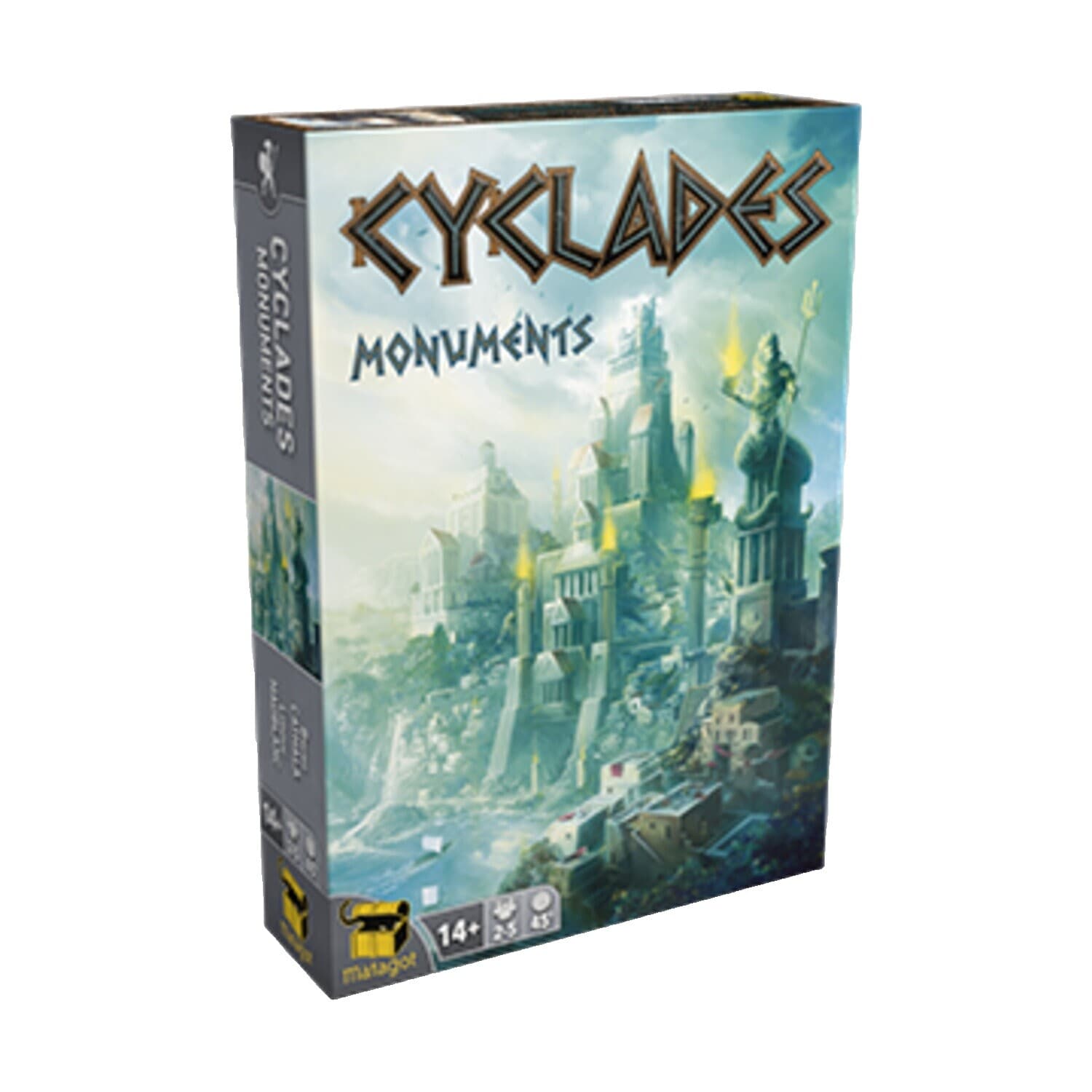
Cyclades
2009Immerse yourself in the golden age of Greek mythology with Cyclades, a masterful strategy game where players lead their people to glory in the Aegean Sea. Your ultimate goal is to achieve supremacy by being the first to erect two magnificent Metropolises. This grand feat can be accomplished through two distinct paths: demonstrating your civilization's prowess by constructing a full set of four specialized buildings—a Fortress, Port, Temple, and University—or by showcasing your cultural enlightenment through the acquisition of four Philosopher tokens. The race to this objective is a tense and dynamic struggle, forcing players to balance military conquest, economic development, and cultural influence to claim victory among the islands.
The game's engine is driven by a unique and compelling auction mechanic centered on earning the favor of the Olympian gods. Each round, players bid their precious gold to secure the patronage of Ares, Poseidon, Zeus, Athena, or Apollo. Winning a god's blessing grants a player the exclusive right to perform that deity's associated actions for the turn. Ares allows you to recruit and move armies, Poseidon commands the fleets, Zeus offers priests to cheapen future bids, and Athena provides the philosophers necessary for a cultural victory. This bidding phase is the strategic heart of Cyclades, creating a cauldron of intense player interaction where you must not only secure the actions you need but also deny critical opportunities to your rivals. Furthermore, players can summon legendary mythological creatures like the Kraken or Medusa, unleashing powerful, game-altering abilities that can dramatically shift the balance of power.
Cyclades is celebrated for its brilliant synthesis of a tight, money-driven auction with a direct and engaging area-control wargame. It cleverly avoids the pitfall of being solely about military might; a player focused entirely on combat can be outmaneuvered by an opponent who quietly builds an economic or cultural engine. The constant need to outbid and anticipate your opponents' desires ensures that there are no passive turns, making every decision meaningful. This elegant design, combined with the strong, evocative mythological theme and multiple paths to victory, provides a deeply strategic and highly replayable experience. It's a classic that challenges players to be cunning, adaptable, and ruthless in their quest to rule the Cyclades.
2-5 90m⚖️ 2.9
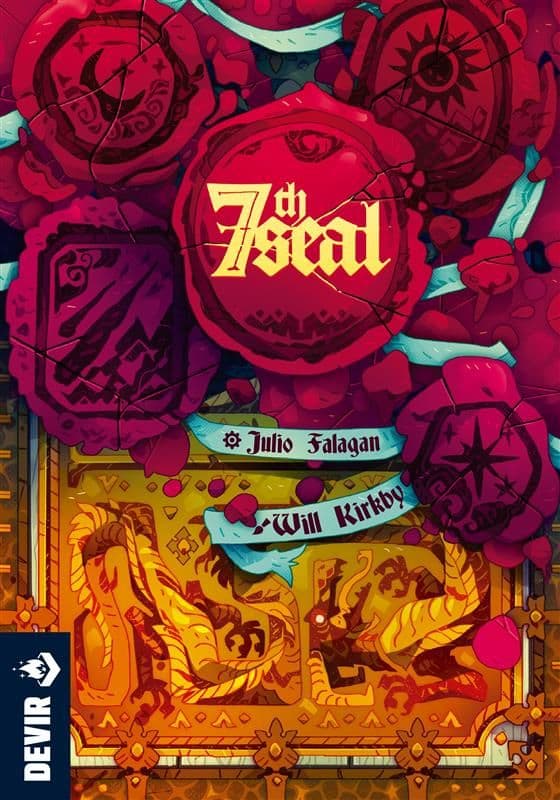
7th Seal
2026In 7th Seal, you stand as humanity's last hope against an impending apocalypse. This highly anticipated solo board game from Devir Games thrusts you into a desperate and thematic struggle for survival. The premise is as grand as it is grim: you must confront the end of days by systematically breaking the seven seals of a divine scroll. However, this is no simple task, as each shattered seal unleashes a new wave of furious beasts and powerful demons, each more terrifying than the last. Your ultimate goal is not merely to survive these encounters, but to prove humanity's worth to a supreme being who holds the world's fate in balance. It is a solitary journey into a demonic endgame, where your strategic prowess is all that stands between mankind and utter oblivion.
The gameplay of 7th Seal is structured as a challenging, dice-driven descent through seven distinct levels, culminating in a final, decisive confrontation. At its core, this is a game of strategic dice management and resource allocation. Each turn, you will be faced with demonic challenges that must be overcome by skillfully manipulating your available dice. The game is designed as a series of escalating 'boss battles', where the challenges grow in complexity and danger with each seal you break. Success hinges on your ability to plan ahead, mitigate poor rolls, and wisely commit your resources to counter the specific threats presented. While the exact combat resolution mechanics are tightly woven into the unfolding narrative, the experience emphasizes thoughtful puzzle-solving over pure luck, demanding that you make difficult choices under immense pressure.
What sets 7th Seal apart is its focused and intense gameplay loop, delivering a deeply strategic and narrative-rich experience within a compact 30 to 45-minute timeframe. Designed by Julio Falagan, the game is a masterclass in creating tension and high stakes for a single player. It appeals directly to gamers who appreciate a significant challenge and a strong thematic core without the need for a multi-hour commitment. The game's medium complexity makes it accessible to a wide range of players, yet it offers substantial strategic depth that promises high replayability. Every session is a test of wit and nerve, a puzzle-like battle against a demonic horde where your ability to adapt and manage your dice is paramount to securing a second chance for the world.
1 40m⚖️ 2.8