Ancient Games
Browse all Ancient board games in the Meeple Pulse database.
Styles
Themes
AbstractAdventureAncientAnimalsArtBusinessCard GameCo-operativeComic BookCooperativeCrimeEconomicEnvironmentalismExplorationFantasyHistoricalHorrorHumorIntrigueLiteraryMagicMarvelMedievalModernMuseumMysteryMythologyNatureNauticalPoliticalPress Your LuckSatireSci-FiSocial CommentarySocial InteractionSpaceSuperheroesThematicTravelWarWesternWord-Guessing
Mechanics
3D PlacementActingAction / DexterityAction DraftingAction Point AllowanceAction Point Allowance SystemAction Point SystemAction PointsAction ProgrammingAction QueueAction RetrievalAction SelectionAction/EventAlliancesAlternate ActivationApp-AssistedApp-DrivenArea ControlArea InfluenceArea MajorityArea Majority / InfluenceArea MovementArgumentationAsymmetricAsymmetric FactionsAsymmetric GameAsymmetric PowersAsymmetrical PowersAuction & BiddingAuction/BiddingAuctioningBag BuildingBettingBetting and BluffingBetting and WageringBetting and WagersBiddingBingoBlind BiddingBluffingCampaign / Battle Card DrivenCampaign / LegacyCampaign / Legacy GameCampaign / Mission-basedCampaign / ScenariosCampaign GameCampaign PlayCard DraftingCard DrawingCard DrivenCard Driven ActionCard Driven CombatCard Driven Dice AllocationCard Driven MovementCard ManagementCard PlayCard Play / Hand ManagementCard Play Conflict ResolutionCard SheddingCard-Driven MovementCharacter CreationCharacter ProgressionChit-Pull SystemCo-op PlayCo-operative GameCo-operative PlayCode-breakingCombat ResolutionCombo ChainCommand CardsCommodity SpeculationCommunication LimitsContract FulfillmentContractsCooperative GameCooperative GameplayCooperative PlayCooperative Trick-takingDebateDeck BuildingDeck ConstructionDeck, Bag, and Pool BuildingDeck-BuildingDeductionDexterityDice DraftingDice PlacementDice RollingDiplomatic InfluenceDraftingDynamic Battle SystemEnclosureEnd Game BonusesEngine BuildingEngine-BuildingEscape RoomEvent DrivenExplorationFarmingFlip and WriteFollowFollow ActionGrid CoverageGrid MovementHand ManagementHex-and-CounterHexagon GridHidden MovementHidden RolesI Cut You ChooseIncomeInfluence / Area MajorityLadder ClimbingLegacyLegacy ElementsLegacy GameLegacy SystemLimited CommunicationLine DrawingLine of SightMancalaMap MovementMarketMarket DraftingMarket ManipulationMarket MechanicMarket SpeculationMatchingMeasurement MovementMemoryMission ObjectivesModular BoardModular Board ConstructionMovement TemplatesMulti-Use CardsMulti-use CardsMultiple ScenariosMust FollowNarrative ChoiceNarrative Choice / ParagraphNegotiationNegotiation MechanicsNetwork & Route BuildingNetwork BuildingNetwork and Route BuildingOne vs ManyOne vs. ManyOpen DraftingPaper-and-PencilPartnershipsPattern BuildingPattern RecognitionPick-up and DeliverPlayer EliminationPlayer InteractionPlayer JudgePoint SaladPoint to Point MovementPolyominoesPush Your LuckPush-Your-LuckPuzzlePuzzle-LikePuzzle-SolvingRaceReal-TimeRecipe FulfillmentResource ManagementRole PlayingRole SelectionRoll / Spin and MoveRondelRoute BuildingRoute-BuildingRoute/Network BuildingSanity SystemScenario / Campaign PlayScenario / Mission / Campaign GameScenario / Mission FunctionSecret Unit DeploymentSemi-Cooperative GameSet CollectionSheddingSimulationSimultaneous ActionSimultaneous Action SelectionSimultaneous Hidden AllocationSocial DeductionSocial InteractionSolo / Solitaire GameSpace ExplorationStat Check / Skill CheckStock HoldingStorytellingStrategic PlanningTableau BuildingTactical Decision-MakingTake ThatTargeted CluesTeam PlayTeam-Based GameTeam-Based GuessingTeamworkTech TreesTech Trees / Tech TracksTechnology & Armament TracksTechnology TreeTension & Aggression TracksTile DraftingTile LayingTile PlacementTime TrackTime TravelTower DefenseTrack MovementTradingTrick-takingTug of WarTurn Order: PassTurn Order: Stat-BasedUnit PlacementVariable Phase OrderVariable Player PowersVariable Set-upVariable SetupVictory Point TracksVotingWord AssociationWord GameWord GuessingWord-GuessingWord-guessingWordplayWorker Placement
RANK #187
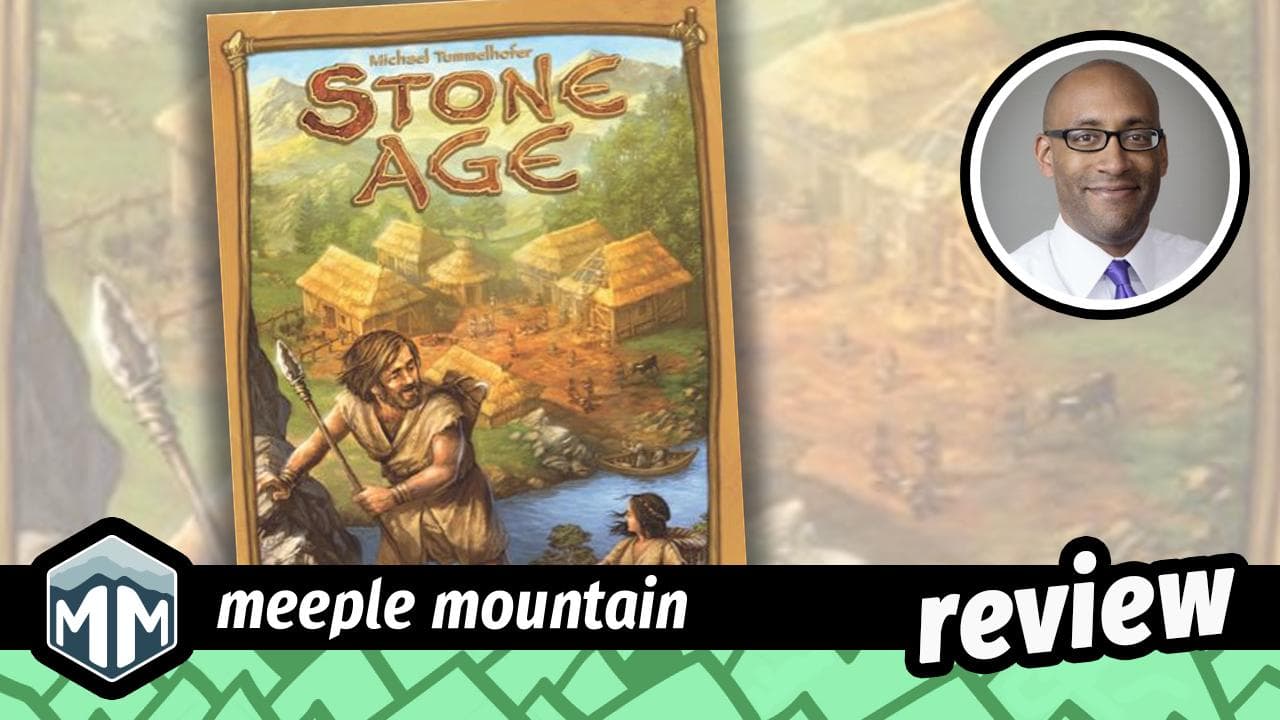
Stone Age
2008Stone Age invites players to the dawn of civilization, casting them as leaders of a burgeoning tribe. This quintessential "gateway" game, first released in 2008, serves as a perfect introduction to the worker placement genre. Your goal is to guide your people to prosperity by strategically gathering resources, developing new technologies, and expanding your village. The ultimate path to victory lies in accumulating the most victory points, which are earned primarily by constructing useful buildings and acquiring valuable civilization cards. These cards reward players for achieving specific long-term goals, such as building a diverse village or growing a large tribe. The player who best balances the immediate needs of their people with the foresight required for a thriving society will be crowned the winner.
The core gameplay is structured around a simple, repeating cycle: placing workers, taking actions, and feeding your tribe. In turn order, players assign their tribe members to various action spaces on the board. These locations allow for hunting, gathering resources (wood, clay, stone, gold), expanding your family, improving agriculture, or crafting helpful tools. Competition for limited spots creates engaging player interaction. Once all workers are placed, their actions are resolved. Resource gathering introduces a clever dice-rolling mechanism: the number of workers sent determines the number of dice you roll. The total is then divided by a specific value for each resource type to determine your yield, creating a fun risk-reward system. Finally, each round concludes with the critical feeding phase, where every tribe member requires food, pushing players to maintain a sustainable food supply or risk penalties.
The enduring appeal of Stone Age lies in its masterful blend of accessibility and satisfying strategic depth. Its rules are easy to grasp, making it an excellent choice for families and those new to the hobby. Yet, the game offers a wealth of meaningful choices that keep experienced players engaged. Do you prioritize increasing your population for more actions, or focus on agriculture to ease the constant demand for food? Do you pursue immediate points from buildings or invest in civilization cards for a big payoff at the end? The element of luck from the dice rolls adds just enough unpredictability to keep the game exciting and prevent it from becoming a purely deterministic puzzle. This elegant design, combined with Michael Menzel's charming and thematic artwork, creates a warm, inviting, and highly replayable experience that remains a staple in the board gaming world.
2-4 75m⚖️ 2.4
RANK #231
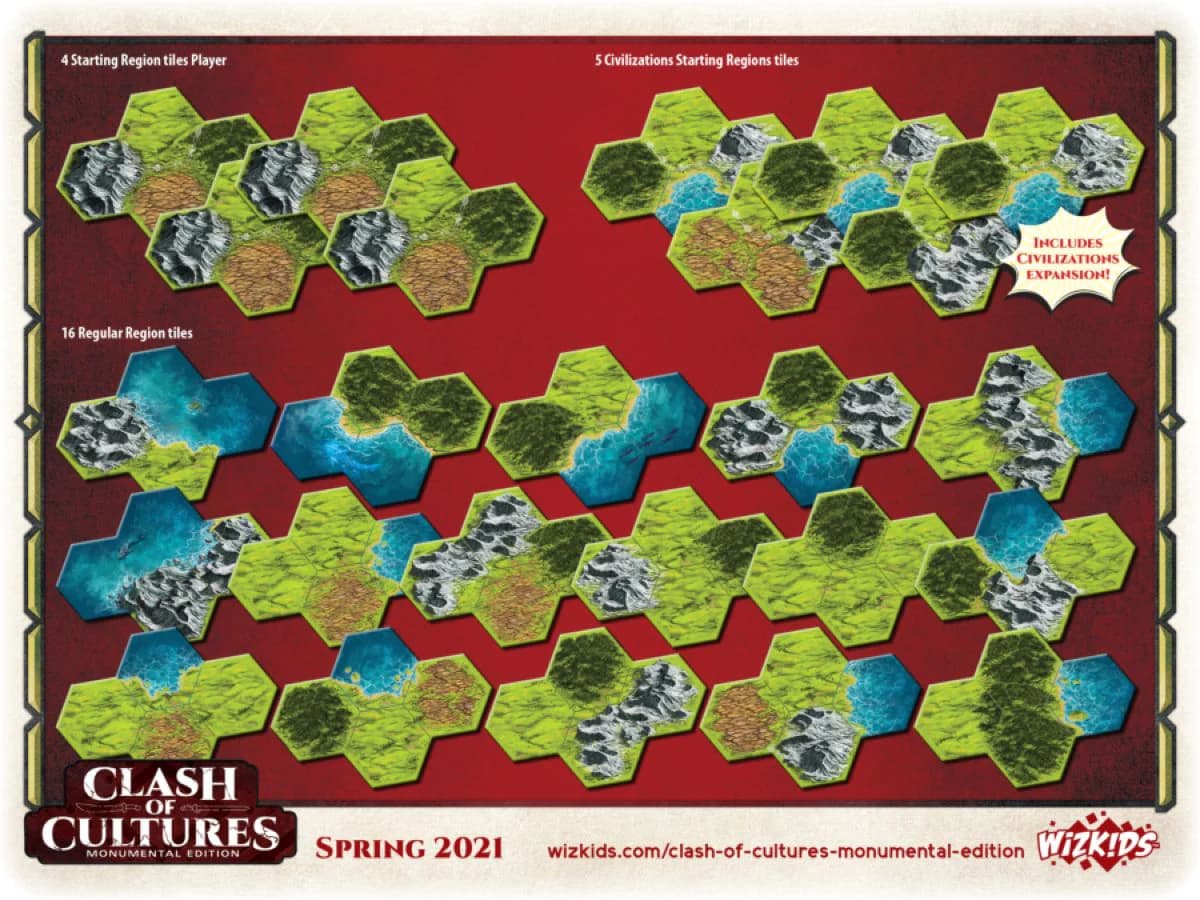
Clash of Cultures: Monumental Edition is a grand 4X civilization-building game where players guide a fledgling society from a single settlement into a sprawling, influential empire. This comprehensive 2021 edition revitalizes the beloved classic by integrating its core expansions, including "Civilizations" and "Aztecs," offering the definitive experience in a single box. The primary goal is to accumulate the most Victory Points by the end of the game's final age. These points are not earned through warfare alone; players are rewarded for developing a vibrant culture, constructing magnificent wonders, achieving specific objectives, and advancing their society's knowledge. Players must balance aggressive expansion and military might with economic stability and cultural growth to etch their civilization's name into the annals of history.
The game unfolds over six distinct "Ages," each comprising three rounds. On their turn, a player performs three actions, choosing from a wide array of options like exploring the modular, unknown world, founding new cities, researching technologies, or moving military units. A central pillar of the gameplay is the expansive and flexible technology tree, which features 48 unique Advances. This system allows players to customize their civilization's path, unlocking new buildings, units, and powerful abilities that can create unique strategic synergies. Combat is resolved through dice rolls, influenced by unit types and technological prowess, while resource management—balancing food, ore, wood, ideas, and gold—is crucial for funding your ambitions. Every few rounds, a Status Phase triggers scoring, provides a free technology, and introduces new objective cards, maintaining a dynamic pace throughout the game.
What makes Clash of Cultures: Monumental Edition a cherished classic is its remarkable strategic depth and high replayability. The freedom to pursue victory through multiple avenues—be it military conquest, technological supremacy, or cultural dominance—ensures that every game feels different. The modular board and variable objective cards create a unique landscape and set of goals for each session. This edition elevates the experience with stunning, newly sculpted miniatures and upgraded components that provide a commanding tabletop presence. It stands as a monumental achievement in the civilization genre, offering a deeply engaging and challenging experience for players who enjoy long-term strategy and the satisfaction of building a unique empire from the ground up.
2-4 210m⚖️ 4.1
RANK #248
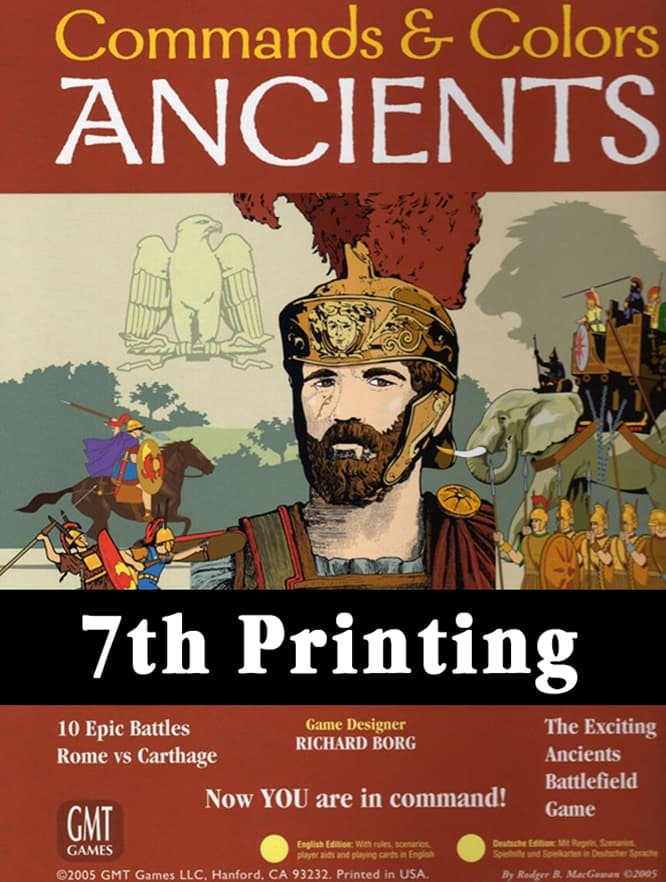
Commands & Colors: Ancients stands as a landmark title in historical wargaming, masterfully designed by the renowned Richard Borg. The game transports players back to the age of classical warfare, with the core set focusing on the titanic struggles between the Roman Republic and its rival, Carthage. It utilizes Borg's celebrated "Commands & Colors" system, which is lauded for its elegance and accessibility. The goal of the game is straightforward yet challenging: be the first player to accumulate a specific number of Victory Banners. These crucial banners are typically won by eliminating enemy units from the hexagonal battlefield or by achieving unique tactical objectives dictated by the chosen historical scenario, effectively capturing the key turning points and goals of ancient battles.
The gameplay is propelled by a unique card-driven mechanic that simulates the fog of war and the difficulties of command and control in large-scale battles. The board is divided into three distinct sections: a left flank, a center, and a right flank. On their turn, a player selects and plays a single Command Card from their hand. This card dictates which units can be ordered and in which of the three sectors they can operate, meaning a player may not always be able to activate the troops they most wish to. After issuing orders, units may move and then engage in combat. Battles are resolved quickly through the roll of custom dice, featuring symbols that determine hits, retreats, and other outcomes, ensuring a dynamic and fast-paced experience. Leaders are also a critical element, attaching to units to bolster their attacks and rally them from retreats.
What makes Commands & Colors: Ancients a beloved classic is its brilliant balance of strategic depth and streamlined play. It serves as a perfect entry point for newcomers to the wargaming hobby, offering intuitive rules that are easy to grasp. At the same time, it provides a deeply rewarding and nuanced strategic puzzle that continues to challenge veteran grognards. The Command Card system is the game's centerpiece, forcing players to adapt their strategies on the fly and make the most of the opportunities presented. This blend of luck and skill ensures that every game is a unique and memorable narrative of ancient conflict, cementing its reputation as a masterpiece of historical game design.
2 60m⚖️ 2.8
RANK #268
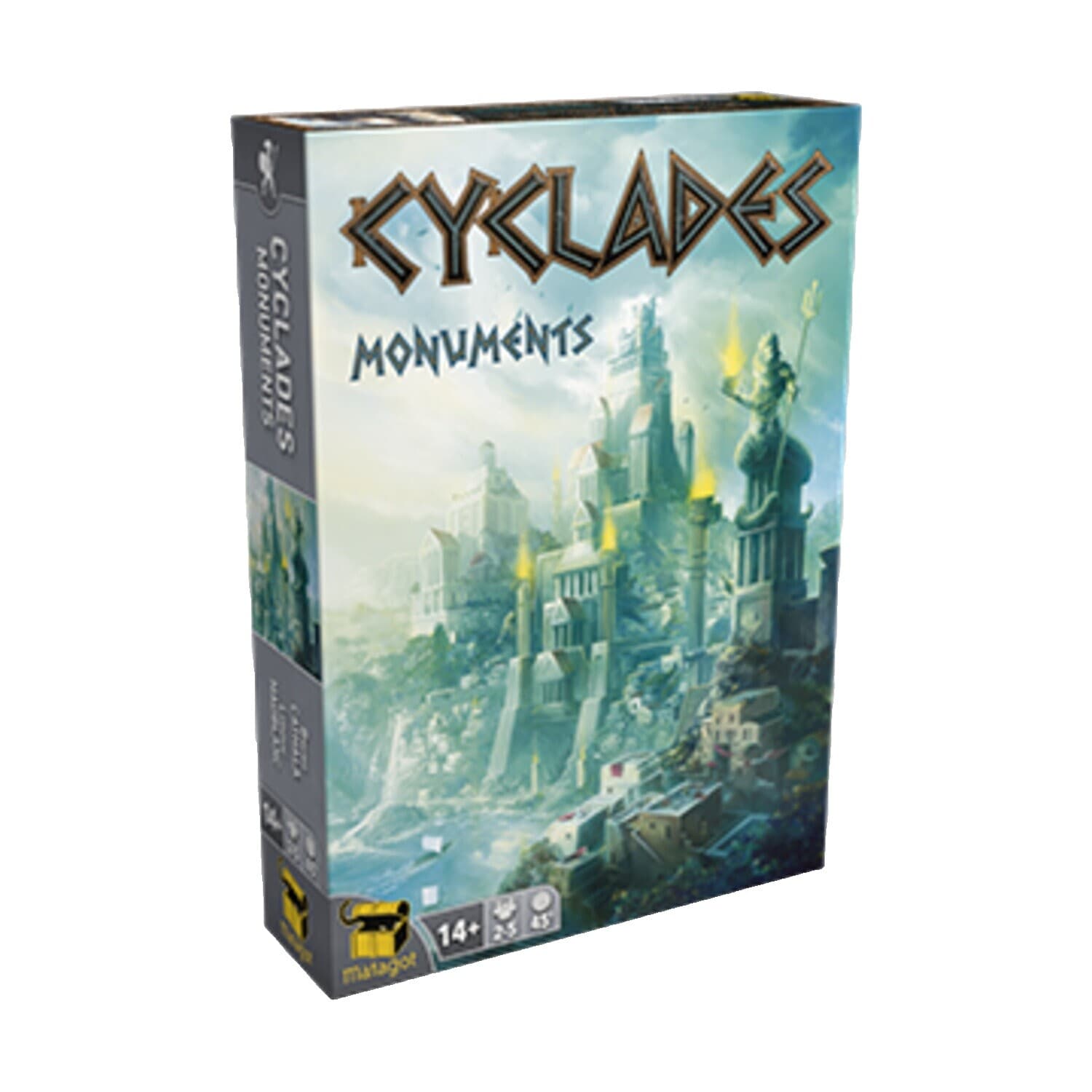
Cyclades
2009Immerse yourself in the golden age of Greek mythology with Cyclades, a masterful strategy game where players lead their people to glory in the Aegean Sea. Your ultimate goal is to achieve supremacy by being the first to erect two magnificent Metropolises. This grand feat can be accomplished through two distinct paths: demonstrating your civilization's prowess by constructing a full set of four specialized buildings—a Fortress, Port, Temple, and University—or by showcasing your cultural enlightenment through the acquisition of four Philosopher tokens. The race to this objective is a tense and dynamic struggle, forcing players to balance military conquest, economic development, and cultural influence to claim victory among the islands.
The game's engine is driven by a unique and compelling auction mechanic centered on earning the favor of the Olympian gods. Each round, players bid their precious gold to secure the patronage of Ares, Poseidon, Zeus, Athena, or Apollo. Winning a god's blessing grants a player the exclusive right to perform that deity's associated actions for the turn. Ares allows you to recruit and move armies, Poseidon commands the fleets, Zeus offers priests to cheapen future bids, and Athena provides the philosophers necessary for a cultural victory. This bidding phase is the strategic heart of Cyclades, creating a cauldron of intense player interaction where you must not only secure the actions you need but also deny critical opportunities to your rivals. Furthermore, players can summon legendary mythological creatures like the Kraken or Medusa, unleashing powerful, game-altering abilities that can dramatically shift the balance of power.
Cyclades is celebrated for its brilliant synthesis of a tight, money-driven auction with a direct and engaging area-control wargame. It cleverly avoids the pitfall of being solely about military might; a player focused entirely on combat can be outmaneuvered by an opponent who quietly builds an economic or cultural engine. The constant need to outbid and anticipate your opponents' desires ensures that there are no passive turns, making every decision meaningful. This elegant design, combined with the strong, evocative mythological theme and multiple paths to victory, provides a deeply strategic and highly replayable experience. It's a classic that challenges players to be cunning, adaptable, and ruthless in their quest to rule the Cyclades.
2-5 90m⚖️ 2.9