Thematic Games
Browse all Thematic board games in the Meeple Pulse database.
Styles
Themes
AbstractAdventureAncientAnimalsArtBusinessCard GameCo-operativeComic BookCooperativeCrimeEconomicEnvironmentalismExplorationFantasyHistoricalHorrorHumorIntrigueLiteraryMagicMarvelMedievalModernMuseumMysteryMythologyNatureNauticalPoliticalPress Your LuckSatireSci-FiSocial CommentarySocial InteractionSpaceSuperheroesThematicTravelWarWesternWord-Guessing
Mechanics
3D PlacementActingAction / DexterityAction DraftingAction Point AllowanceAction Point Allowance SystemAction Point SystemAction PointsAction ProgrammingAction QueueAction RetrievalAction SelectionAction/EventAlliancesAlternate ActivationApp-AssistedApp-DrivenArea ControlArea InfluenceArea MajorityArea Majority / InfluenceArea MovementArgumentationAsymmetricAsymmetric FactionsAsymmetric GameAsymmetric PowersAsymmetrical PowersAuction & BiddingAuction/BiddingAuctioningBag BuildingBettingBetting and BluffingBetting and WageringBetting and WagersBiddingBingoBlind BiddingBluffingCampaign / Battle Card DrivenCampaign / LegacyCampaign / Legacy GameCampaign / Mission-basedCampaign / ScenariosCampaign GameCampaign PlayCard DraftingCard DrawingCard DrivenCard Driven ActionCard Driven CombatCard Driven Dice AllocationCard Driven MovementCard ManagementCard PlayCard Play / Hand ManagementCard Play Conflict ResolutionCard SheddingCard-Driven MovementCharacter CreationCharacter ProgressionChit-Pull SystemCo-op PlayCo-operative GameCo-operative PlayCode-breakingCombat ResolutionCombo ChainCommand CardsCommodity SpeculationCommunication LimitsContract FulfillmentContractsCooperative GameCooperative GameplayCooperative PlayCooperative Trick-takingDebateDeck BuildingDeck ConstructionDeck, Bag, and Pool BuildingDeck-BuildingDeductionDexterityDice DraftingDice PlacementDice RollingDiplomatic InfluenceDraftingDynamic Battle SystemEnclosureEnd Game BonusesEngine BuildingEngine-BuildingEscape RoomEvent DrivenExplorationFarmingFlip and WriteFollowFollow ActionGrid CoverageGrid MovementHand ManagementHex-and-CounterHexagon GridHidden MovementHidden RolesI Cut You ChooseIncomeInfluence / Area MajorityLadder ClimbingLegacyLegacy ElementsLegacy GameLegacy SystemLimited CommunicationLine DrawingLine of SightMancalaMap MovementMarketMarket DraftingMarket ManipulationMarket MechanicMarket SpeculationMatchingMeasurement MovementMemoryMission ObjectivesModular BoardModular Board ConstructionMovement TemplatesMulti-Use CardsMulti-use CardsMultiple ScenariosMust FollowNarrative ChoiceNarrative Choice / ParagraphNegotiationNegotiation MechanicsNetwork & Route BuildingNetwork BuildingNetwork and Route BuildingOne vs ManyOne vs. ManyOpen DraftingPaper-and-PencilPartnershipsPattern BuildingPattern RecognitionPick-up and DeliverPlayer EliminationPlayer InteractionPlayer JudgePoint SaladPoint to Point MovementPolyominoesPush Your LuckPush-Your-LuckPuzzlePuzzle-LikePuzzle-SolvingRaceReal-TimeRecipe FulfillmentResource ManagementRole PlayingRole SelectionRoll / Spin and MoveRondelRoute BuildingRoute-BuildingRoute/Network BuildingSanity SystemScenario / Campaign PlayScenario / Mission / Campaign GameScenario / Mission FunctionSecret Unit DeploymentSemi-Cooperative GameSet CollectionSheddingSimulationSimultaneous ActionSimultaneous Action SelectionSimultaneous Hidden AllocationSocial DeductionSocial InteractionSolo / Solitaire GameSpace ExplorationStat Check / Skill CheckStock HoldingStorytellingStrategic PlanningTableau BuildingTactical Decision-MakingTake ThatTargeted CluesTeam PlayTeam-Based GameTeam-Based GuessingTeamworkTech TreesTech Trees / Tech TracksTechnology & Armament TracksTechnology TreeTension & Aggression TracksTile DraftingTile LayingTile PlacementTime TrackTime TravelTower DefenseTrack MovementTradingTrick-takingTug of WarTurn Order: PassTurn Order: Stat-BasedUnit PlacementVariable Phase OrderVariable Player PowersVariable Set-upVariable SetupVictory Point TracksVotingWord AssociationWord GameWord GuessingWord-GuessingWord-guessingWordplayWorker Placement
BoxNo Cover Art
RANK #82
Android: Netrunner is a celebrated asymmetrical card game for two players, set in a dystopian cyberpunk future. In this high-stakes conflict, one player assumes the role of a massive, monolithic corporation, while the other becomes a renegade hacker known as a 'Runner'. The primary objective for both sides is to score seven 'agenda' points. The Corporation player achieves this by installing and advancing their secret agendas within their fortified servers. The Runner, however, aims to infiltrate these servers and steal the agendas before they can be scored. The game introduces thrilling alternate victory conditions: the Corp can win by inflicting enough damage to 'flatline' the Runner, while the Runner can claim victory if the Corporation is forced to draw from an empty deck, representing a catastrophic system crash. This fundamental opposition sets the stage for a tense and strategic duel of wits.
The gameplay is a masterclass in asymmetry, with each side playing by entirely different rules and pursuing divergent strategies. The Corp player focuses on economic management and building a digital fortress. They spend their turns drawing cards, gaining credits, and, most importantly, installing cards facedown into their servers. These cards could be the valuable agendas they need to win, assets that provide ongoing benefits, or dangerous 'ice' that protects their servers and punishes intruders. This creates a landscape of hidden information and potent bluffs. In contrast, the Runner player's turn is about calculated aggression and risk. They must build their 'rig'—a suite of hardware and icebreaker programs—to bypass the Corp's defenses. They then initiate 'runs' on the Corp's servers, hoping to access and steal agendas while avoiding the consequences of walking into a well-laid trap.
What elevates Android: Netrunner to legendary status is its profound strategic depth married with intense psychological gameplay. The experience is not merely about optimizing a deck, but about outthinking and outmaneuvering a live opponent. Every facedown card is a puzzle, and every run is a gamble, creating a constant tension that few other games can match. Playing as the Corp feels like spinning a complex web, while playing the Runner is an exercise in calculated audacity. The game was released as a 'Living Card Game' (LCG), meaning players bought fixed, non-random packs of cards, which fostered a diverse and accessible metagame without the frustrating and expensive 'chase rare' model of traditional collectible card games. This combination of a rich, evocative theme, deep asymmetry, and a player-friendly distribution model secured its legacy as one of the most beloved and intellectually rewarding two-player games ever created.
2 45m⚖️ 3.8
RANK #109
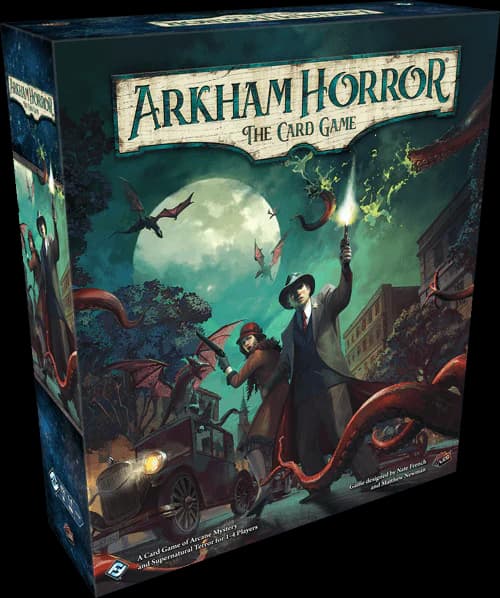
Arkham Horror: The Card Game is a cooperative Living Card Game that plunges one to four players into the eerie, Lovecraftian world of the 1920s. Assuming the roles of unique investigators in Arkham, Massachusetts, players work together to unravel sinister conspiracies, confront otherworldly beings, and prevent ancient evils from devouring the world. Each investigator comes with their own strengths, weaknesses, and customizable deck of cards representing their assets, skills, and resources. The goal is to successfully navigate a series of interconnected narrative scenarios, forming a larger campaign where choices and outcomes in one chapter have lasting consequences on the next. This Revised Core Set provides the definitive entry point, containing everything needed for a full group of four to begin their harrowing adventures right out of the box.
The gameplay unfolds over a series of rounds, each composed of four distinct phases that create a tense and challenging rhythm. In the Mythos Phase, the forces of darkness advance as doom accumulates and each player draws a random card from the encounter deck, introducing new enemies, treacherous obstacles, or reality-bending effects. During the Investigation Phase, players take turns performing up to three actions, which can include playing cards, moving between locations, battling monsters, or most importantly, investigating to find clues. These clues are essential for advancing the 'act' deck, which propels the story forward. The Enemy Phase sees any engaged monsters attack the investigators, while others hunt across the board. Finally, the Upkeep Phase allows players to refresh their assets, draw a new card, and gain a resource, preparing them for the horrors of the next round.
What makes Arkham Horror: The Card Game so compelling is its profound fusion of rich narrative storytelling with strategic card play and deck customization. The game is celebrated for its deep thematic immersion, where the unfolding story feels personal and impactful. Failure doesn't necessarily end the game, but it can scar an investigator or alter the campaign's trajectory, creating a truly dynamic and replayable experience. The challenge is significant, demanding careful cooperation and clever resource management to overcome the relentless odds. For players who crave a deep, story-driven hobby game they can expand over time, its campaign structure and character progression provide an unparalleled cooperative adventure into the heart of cosmic dread.
1-4 120m⚖️ 3.5
RANK #184
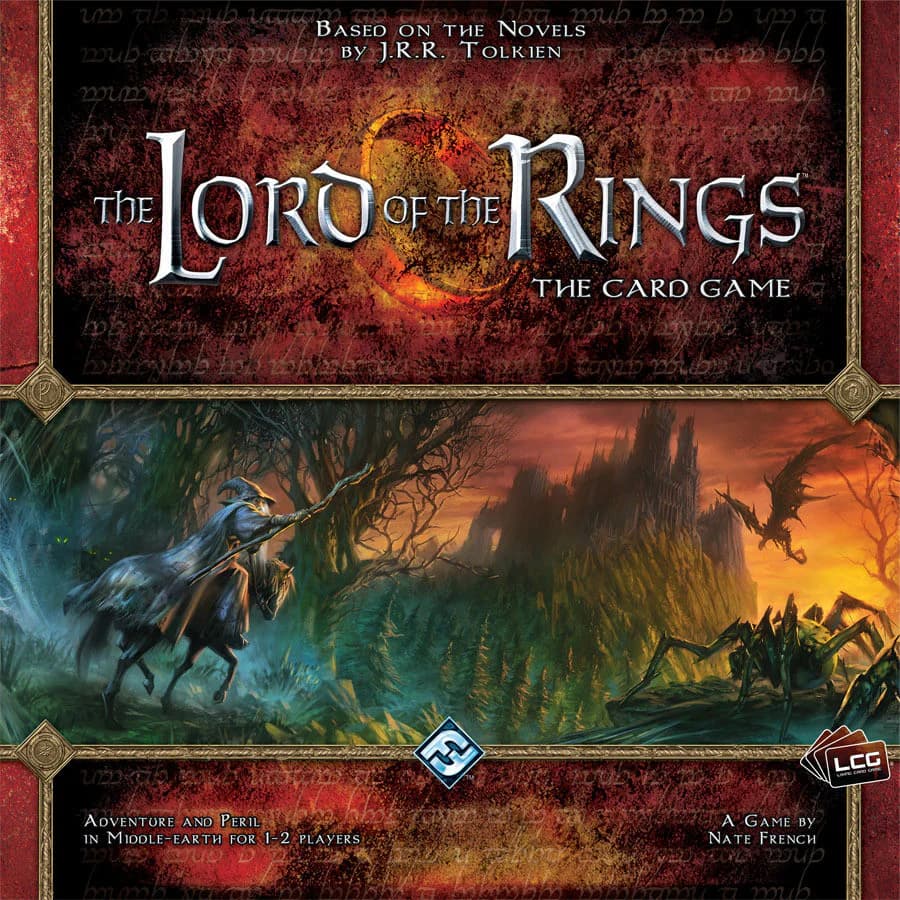
Embark on perilous quests in The Lord of the Rings: The Card Game, a cooperative Living Card Game (LCG) set within J.R.R. Tolkien's iconic Middle-earth. Unlike collectible games with randomized booster packs, this is an LCG where players can strategically grow their collection with fixed expansions. In this game, one to four players unite to form their own fellowship, working together against automated scenarios controlled by an 'encounter deck'. Your goal is to navigate treacherous lands, battle fearsome enemies, and complete a series of quest objectives to achieve victory against the encroaching shadow of Sauron. It's a narrative-driven adventure that brings the world of the books to your tabletop.
The core of the game revolves around strategic deck-building and a structured round sequence. Each player constructs a deck of at least fifty cards centered on one to three powerful heroes, chosen from four distinct spheres of influence: Leadership, Lore, Spirit, and Tactics. These spheres dictate which allies, attachments, and events a player can use. A typical round involves gaining resources to pay for cards, questing to make progress on the current objective, potentially traveling to new locations, engaging with enemies from the encounter deck, and finally resolving combat. Players must manage their characters carefully, deciding who will quest, defend, or attack. Victory is hard-won, as players lose if any member's threat level reaches 50 or if all of their heroes are defeated.
The enduring appeal of The Lord of the Rings: The Card Game lies in its deep, strategic challenge and rich thematic immersion. It is renowned for its difficulty, often requiring players to meticulously craft and refine their decks to overcome the unique obstacles presented by each scenario. The cooperative nature fosters a strong sense of camaraderie as players must coordinate their actions and build synergistic decks to succeed. The game's artwork is inspired directly by Tolkien's novels rather than the films, creating a distinct and authentic vision of Middle-earth. This combination of challenging cooperative gameplay, extensive customization, and a beloved fantasy setting makes it a highly replayable and rewarding experience for any fan of adventure.
1-4 60m⚖️ 3.4

RANK #508
Earthborne Rangers is a heavily narrative, cooperative card game that transports players to a distant, hopeful future where humanity thrives alongside nature. Distinct from the typically dark and doom-filled atmospheres of many 'living card games', this eco-conscious adventure allows players to embark on an open-world campaign set within a sprawling, vibrant valley. The primary goal is not strictly about defeating enemies in combat, but rather surviving and exploring an immersive ecosystem. Players take on the roles of unique Rangers, venturing out to discover secrets, interact with wildlife, and complete quests, all while navigating a living environment that acts independently of their direct actions.
Gameplay revolves around a sophisticated deck-construction framework where your character's background, personality, and specialty dictate their starting stats and abilities. During a session—referred to as a 'Day'—players leverage four key aspects (Awareness, Focus, Spirit, and Fitness) to generate energy, which is then spent to play cards, clear obstacles, or persuade non-player characters. A standout feature is the location-specific 'Path Deck'. This deck dynamically populates the area with flora, fauna, and dynamic hazards that interact with each other even without player intervention. Throughout the day, players earn rewards, suffer fatigue, and read from an extensive campaign guide, gradually unlocking new skills and memories to upgrade their custom decks between sessions.
Fans of deep, tactical card play are drawn to Earthborne Rangers for its lush world-building and the sheer freedom of its sandbox design. The game seamlessly blends challenging, combo-heavy puzzles with a genuinely uplifting 'hopepunk' narrative that encourages you to step off the beaten path and simply hike through the wilderness. Furthermore, the development team—composed of industry veterans—has been widely praised for prioritizing sustainable, eco-friendly manufacturing methods. Whether you are following the central storyline or simply exploring the rich, reactive valley, this heavy-weight puzzle offers a breathtakingly fresh and highly replayable cooperative experience.
1-4 120m⚖️ 3.5