Deck Building Games
Browse all Deck Building board games in the Meeple Pulse database.
Styles
Themes
AbstractAdventureAncientAnimalsArtBusinessCard GameCo-operativeComic BookCooperativeCrimeEconomicEnvironmentalismExplorationFantasyHistoricalHorrorHumorIntrigueLiteraryMagicMarvelMedievalModernMuseumMysteryMythologyNatureNauticalPoliticalPress Your LuckSatireSci-FiSocial CommentarySocial InteractionSpaceSuperheroesThematicTravelWarWesternWord-Guessing
Mechanics
3D PlacementActingAction / DexterityAction DraftingAction Point AllowanceAction Point Allowance SystemAction Point SystemAction PointsAction ProgrammingAction QueueAction RetrievalAction SelectionAction/EventAlliancesAlternate ActivationApp-AssistedApp-DrivenArea ControlArea InfluenceArea MajorityArea Majority / InfluenceArea MovementArgumentationAsymmetricAsymmetric FactionsAsymmetric GameAsymmetric PowersAsymmetrical PowersAuction & BiddingAuction/BiddingAuctioningBag BuildingBettingBetting and BluffingBetting and WageringBetting and WagersBiddingBingoBlind BiddingBluffingCampaign / Battle Card DrivenCampaign / LegacyCampaign / Legacy GameCampaign / Mission-basedCampaign / ScenariosCampaign GameCampaign PlayCard DraftingCard DrawingCard DrivenCard Driven ActionCard Driven CombatCard Driven Dice AllocationCard Driven MovementCard ManagementCard PlayCard Play / Hand ManagementCard Play Conflict ResolutionCard SheddingCard-Driven MovementCharacter CreationCharacter ProgressionChit-Pull SystemCo-op PlayCo-operative GameCo-operative PlayCode-breakingCombat ResolutionCombo ChainCommand CardsCommodity SpeculationCommunication LimitsContract FulfillmentContractsCooperative GameCooperative GameplayCooperative PlayCooperative Trick-takingDebateDeck BuildingDeck ConstructionDeck, Bag, and Pool BuildingDeck-BuildingDeductionDexterityDice DraftingDice PlacementDice RollingDiplomatic InfluenceDraftingDynamic Battle SystemEnclosureEnd Game BonusesEngine BuildingEngine-BuildingEscape RoomEvent DrivenExplorationFarmingFlip and WriteFollowFollow ActionGrid CoverageGrid MovementHand ManagementHex-and-CounterHexagon GridHidden MovementHidden RolesI Cut You ChooseIncomeInfluence / Area MajorityLadder ClimbingLegacyLegacy ElementsLegacy GameLegacy SystemLimited CommunicationLine DrawingLine of SightMancalaMap MovementMarketMarket DraftingMarket ManipulationMarket MechanicMarket SpeculationMatchingMeasurement MovementMemoryMission ObjectivesModular BoardModular Board ConstructionMovement TemplatesMulti-Use CardsMulti-use CardsMultiple ScenariosMust FollowNarrative ChoiceNarrative Choice / ParagraphNegotiationNegotiation MechanicsNetwork & Route BuildingNetwork BuildingNetwork and Route BuildingOne vs ManyOne vs. ManyOpen DraftingPaper-and-PencilPartnershipsPattern BuildingPattern RecognitionPick-up and DeliverPlayer EliminationPlayer InteractionPlayer JudgePoint SaladPoint to Point MovementPolyominoesPush Your LuckPush-Your-LuckPuzzlePuzzle-LikePuzzle-SolvingRaceReal-TimeRecipe FulfillmentResource ManagementRole PlayingRole SelectionRoll / Spin and MoveRondelRoute BuildingRoute-BuildingRoute/Network BuildingSanity SystemScenario / Campaign PlayScenario / Mission / Campaign GameScenario / Mission FunctionSecret Unit DeploymentSemi-Cooperative GameSet CollectionSheddingSimulationSimultaneous ActionSimultaneous Action SelectionSimultaneous Hidden AllocationSocial DeductionSocial InteractionSolo / Solitaire GameSpace ExplorationStat Check / Skill CheckStock HoldingStorytellingStrategic PlanningTableau BuildingTactical Decision-MakingTake ThatTargeted CluesTeam PlayTeam-Based GameTeam-Based GuessingTeamworkTech TreesTech Trees / Tech TracksTechnology & Armament TracksTechnology TreeTension & Aggression TracksTile DraftingTile LayingTile PlacementTime TrackTime TravelTower DefenseTrack MovementTradingTrick-takingTug of WarTurn Order: PassTurn Order: Stat-BasedUnit PlacementVariable Phase OrderVariable Player PowersVariable Set-upVariable SetupVictory Point TracksVotingWord AssociationWord GameWord GuessingWord-GuessingWord-guessingWordplayWorker Placement
RANK #5
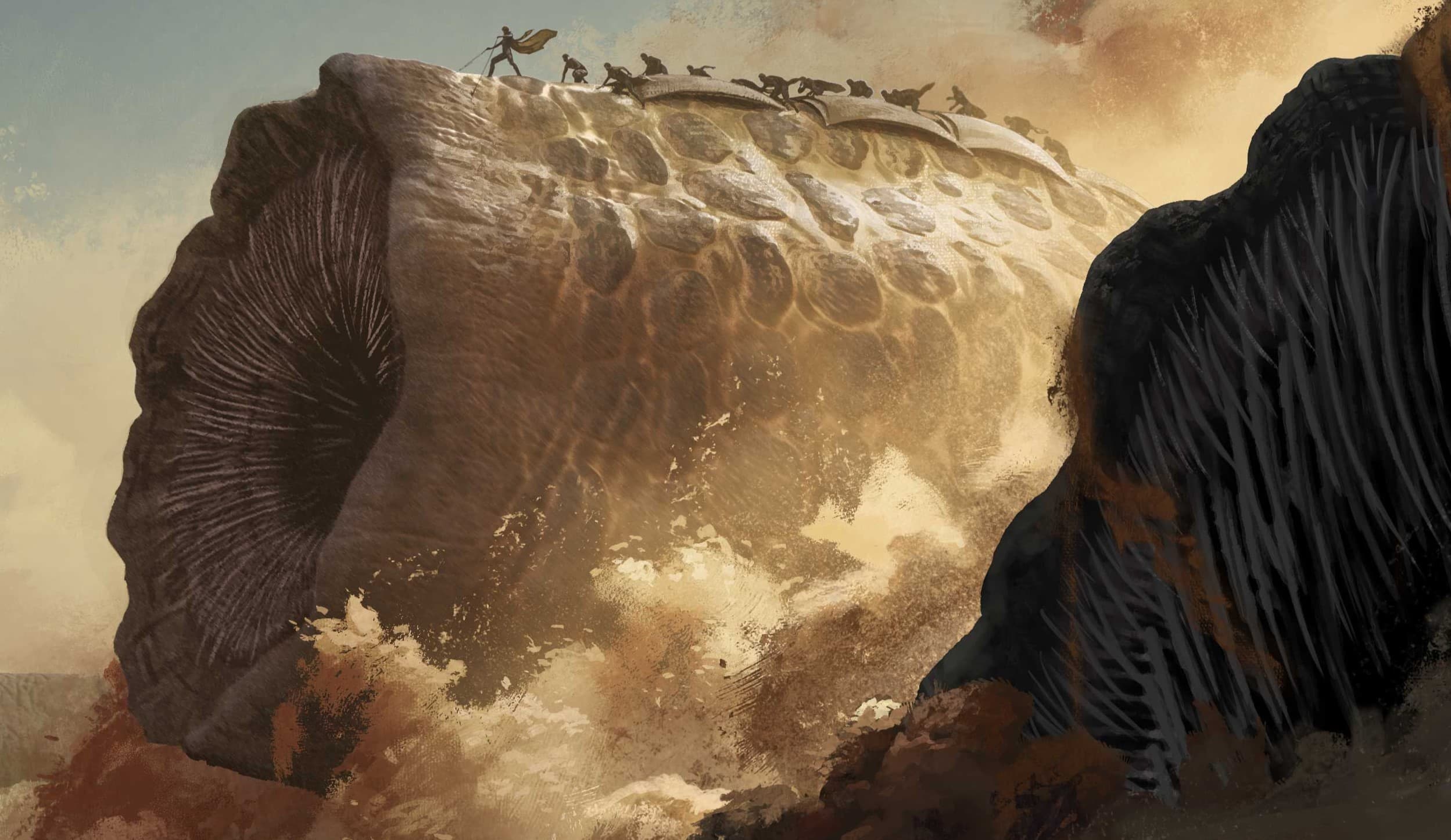
Dune: Imperium – Uprising invites players to delve deeper into the political intrigue and strategic warfare of Arrakis in this compelling 2023 standalone worker placement and deck-building board game. Experience the brutal struggle for spice as you command iconic factions, deploy agents, and build a powerful deck to outmaneuver rivals and reshape the fate of the Imperium. With fresh mechanics, a new game board, and exciting avenues for conflict and victory, this epic strategy game delivers a rich, cinematic experience where every decision echoes across the desert planet. Forge alliances, betray enemies, and lead your forces to supremacy amidst the sands of Dune.
1-6 90m⚖️ 3.5

RANK #6
Dune: Imperium
2020Dive into the epic world of Arrakis with Dune: Imperium, a groundbreaking 2020 board game that masterfully blends the strategic depth of deck-building with the tactical choices of worker placement. As a leader of a Great House, players will deploy agents to crucial locations across the desert planet, gathering precious spice, forging alliances, and battling for dominance in the Landsraad. Every decision shapes your hand and your influence, demanding clever card play and precise agent placement to outmaneuver rivals, secure victory points, and ultimately control the flow of spice and power in the universe.
m⚖️ N/A
RANK #18
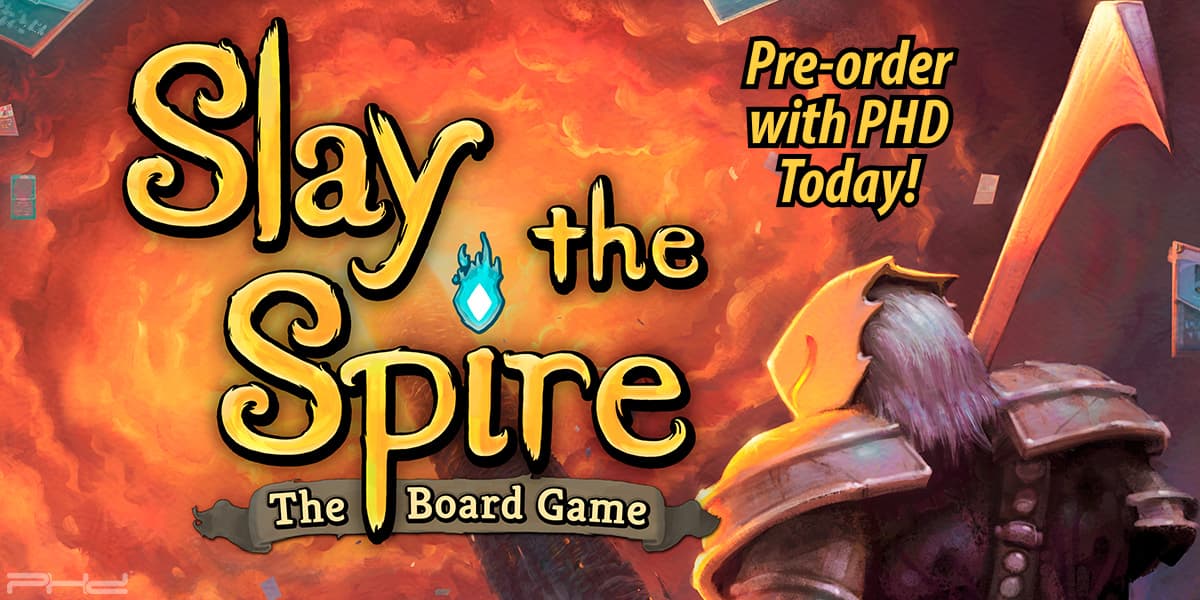
Slay the Spire: The Board Game (2024) masterfully translates the beloved roguelike deck-builder video game into a cooperative tabletop experience for 1-4 players. Its core objective remains unchanged: strategically ascend the ever-changing Spire, battling monstrous foes and overcoming perilous challenges across multiple acts, all while striving to defeat the ultimate boss at the summit. Players embody iconic heroes, each with unique abilities and starting decks, embarking on an epic journey where every decision shapes their path to victory or defeat.
Gameplay revolves around a compelling blend of deck-building and dungeon crawling. As players navigate a branching map, they encounter events, treasure rooms, and intense combat. During combat, players strategically play cards from their hand to generate energy, block incoming damage, apply debuffs, and unleash powerful attacks, managing a dynamic combat puzzle against intelligent enemy AI. Between encounters, new cards are drafted, relics are acquired for persistent bonuses, and existing cards can be upgraded, constantly evolving each hero's unique strategy and synergy.
The game's enduring appeal lies in its faithful adaptation of the video game's core loop, offering immense replayability through procedural generation of the Spire, diverse character classes, and countless card and relic combinations. It challenges players to adapt their strategies on the fly, rewarding clever deck synergy and risk management. With its deep tactical combat, satisfying progression, and engaging cooperative decision-making, it delivers a rich, challenging, and highly addictive experience that captures the essence of its digital predecessor, making it a standout title for fans of cooperative strategy and deck-building games.
m⚖️ N/A

RANK #19
Embark on an epic cattle drive in Great Western Trail, a highly acclaimed eurogame set against the backdrop of 19th-century America. As astute ranchers, players will guide their herds from the heart of Texas all the way to Kansas City, ultimately dispatching them to distant, lucrative cities across the United States. The ultimate goal is to amass the most victory points by strategically managing your ranch, optimizing your trail, and delivering your prime cattle to become the most renowned cattle baron of the West.
The game masterfully blends multiple interconnected mechanics, creating a rich and dynamic gameplay experience. Players navigate a modular board, moving their cowboy pawn along the trail, activating various action spaces. Core mechanics include hand management, where players strategically collect and play cattle cards to achieve the best possible delivery sets; deck building, as you acquire better cattle throughout the game; and worker placement, hiring essential personnel like cowboys, craftsmen, and engineers to enhance your actions and expand your capabilities. The strategic movement of your train also plays a crucial role, unlocking new opportunities and mitigating hazards.
Great Western Trail is beloved for its exceptional strategic depth, emergent gameplay, and immense replayability. The intricate web of scoring opportunities—from cattle deliveries and building construction to hazard removal and worker specialization—provides players with significant freedom to explore diverse strategies. The constant tension between pushing your luck on a long cattle drive and meticulously optimizing your trail, combined with the elegant integration of its core mechanisms, offers a uniquely satisfying and engaging challenge that has cemented its status as a modern classic among board game enthusiasts.
m⚖️ N/A
RANK #32
In Arkham Horror: The Card Game, you take on the role of investigators trying to uncover the mysteries and horrors lurking in the shadows of Arkham. As you delve deeper into the mysteries, you'll encounter terrifying creatures and try to survive long enough to save the world from an impending doom. This cooperative card game challenges you to make tough decisions and manage your resources carefully as you navigate the dangers of the Cthulhu Mythos.
1-4 30m⚖️ 3.5

RANK #47
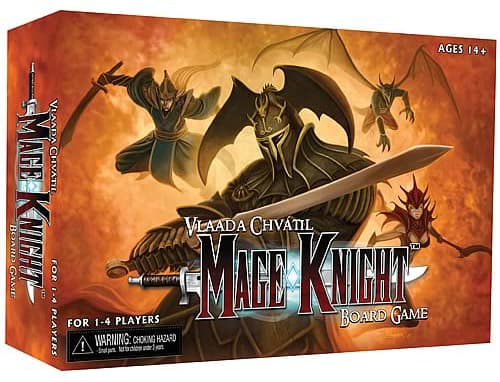
Set in the roaring 1960s, Heat: Pedal to the Metal places players behind the wheel of high-powered vintage race cars. The primary objective is simple: be the first to cross the finish line after a grueling series of laps around iconic circuits. However, achieving victory requires more than just flooring the accelerator; it demands a delicate balance of aggression and technical precision. As you navigate these tracks, you must manage your car's internal temperature, represented by a specific deck of cards. One wrong move or an overly ambitious turn can lead to your engine overheating, forcing a spin-out that could cost you the entire race.
The core gameplay revolves around a sophisticated card-driven movement system seamlessly integrated with deck management. Each round, drivers decide which gear to engage, which dictates the number of speed cards they must play from their hand. Notable mechanics include the handling of 'Heat' cards, which are added to your discard pile whenever you push the car beyond its natural limits—such as boosting for extra movement, taking a corner too fast, or downshifting rapidly. These cards eventually cycle into your hand, where they act as dead weight, limiting your options until you find a way to cool the engine. This push-your-luck element is complemented by drafting mechanics and slipstreaming, allowing trailing cars to catch up by utilizing the aerodynamic wake of those in front.
What truly sets this title apart and fuels its critical acclaim is the genuine sense of breakneck speed it creates on the tabletop. The game avoids the dryness often found in technical simulations by focusing on the emotional highs and lows of competitive racing. It offers immense replayability through various modular expansions included in the base box, such as variable weather conditions that change track grip and a deep 'Legends' system for solo play or filling out the grid with automated opponents. With vibrant, era-appropriate artwork by Vincent Dutrait, the game captures the romanticized danger and glamor of mid-century motorsport. It is a masterclass in modern board game design, offering a perfect blend of high-speed thrills and calculated strategy that keeps players returning to the starting grid lap after lap.
3-4 30m⚖️ 2.5
RANK #48
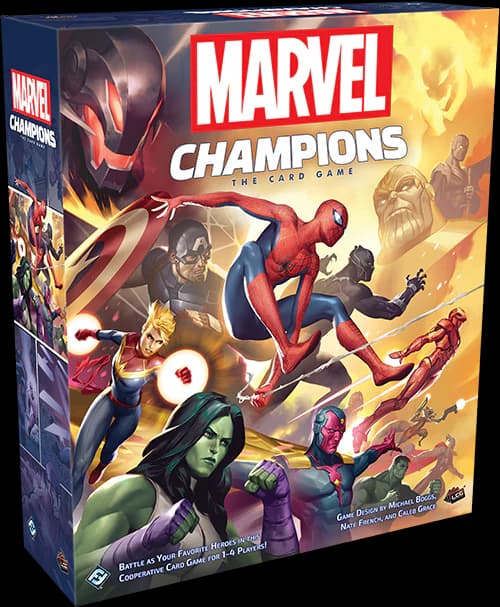
In Marvel Champions: The Card Game, players take on the roles of iconic Marvel heroes, working together to stop the villains from wreaking havoc on the world. Each hero has their own unique abilities and playstyle, but they must all work together to succeed. Players will need to strategically manage their resources, use their powers wisely, and make tactical decisions to defeat the villains and save the day.
The game is set in a modular board system, with each scenario featuring its own unique setup and challenges. The heroes will face off against various Marvel villains, including classic foes like Thanos, Ultron, and Magneto. Each villain has their own deck of cards, which players must defeat by using their powers and abilities.
One of the key mechanics in Marvel Champions is the use of a 'hero deck' system. Players start with a basic hero card, which they can upgrade and customize throughout the game. This allows them to unlock new abilities and playstyles as they progress through the scenarios. The game also features a variety of 'event cards', which provide additional challenges and opportunities for players to work together.
Overall, Marvel Champions: The Card Game is a cooperative card game that challenges players to work together to save the world from various Marvel villains. With its modular board system, hero deck mechanics, and event cards, it offers a unique and engaging gameplay experience.
1-4 60m⚖️ 3.0
RANK #54
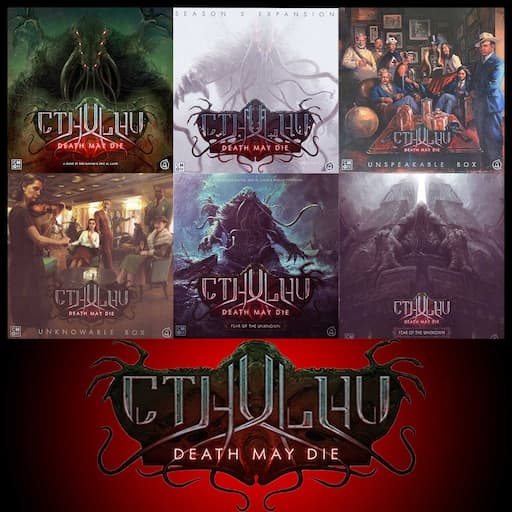
In Cthulhu: Death May Die, players take on the roles of investigators trying to uncover the mysteries of the ancient deity Cthulhu. The game is set in a Lovecraftian world where players must navigate through a series of challenges and puzzles to ultimately defeat the Great Old One. However, as they delve deeper into the mystery, they will realize that their own sanity may be at risk.
The gameplay involves a combination of exploration, puzzle-solving, and strategic decision-making. Players can choose from various characters with unique abilities and strengths, each contributing to the overall success or failure of the mission. The game features a modular board, which is composed of interlocking tiles that represent different locations and environments. As players explore these areas, they will encounter various obstacles, creatures, and other challenges that must be overcome.
One of the key mechanics in Cthulhu: Death May Die is the sanity system. Players can collect Sanity tokens, which allow them to perform certain actions or access specific abilities. However, if a player's sanity drops too low, they will become unhinged and start making irrational decisions that may harm their own chances of success.
The game also features a unique mechanic called 'Sanity Shocks,' which occur when players encounter particularly traumatic events or make poor choices. These shocks can have significant consequences for the player's character, including loss of sanity, temporary incapacitation, or even death.
1-4 60m⚖️ 3.5

RANK #60
Pandemic Legacy: Season 0 is a cooperative board game designed for 2-4 players. It's the first installment in the Pandemic Legacy series, which introduces a new narrative-driven gameplay experience. Players take on the roles of disease-fighting specialists working together to save the world from deadly outbreaks. The game features a unique legacy system, where players' decisions and actions have lasting consequences that impact future games.
2-4 60m⚖️ 3.0
BoxNo Cover Art
RANK #70
Pandemic Legacy: Season 2 is a cooperative board game designed for 1-4 players, where each player takes on the role of a disease-fighting specialist working together to save the world from deadly outbreaks. The game builds upon the original Pandemic game, introducing new mechanics and challenges that require strategic planning and teamwork to overcome. Players must work together to stop the spread of diseases, while also managing their own character's abilities and resources. As players progress through the game, they will encounter new challenges and obstacles that will test their skills and force them to adapt their strategies.
m⚖️ 4.0
BoxNo Cover Art
RANK #74
Mansions of Madness: Second Edition is a cooperative board game designed for 1-5 players, where each player takes on the role of an investigator tasked with uncovering mysteries and battling against the forces of darkness in the 1920s. The game is set in the Arkham Horror universe, which is known for its Lovecraftian themes and eerie atmosphere. Players work together to explore locations, gather clues, and solve puzzles while navigating the challenges posed by the game's complex rules and mechanics.
The gameplay experience is divided into two main phases: exploration and combat. During the exploration phase, players move their investigators around the board, visiting various locations such as mansions, cemeteries, and libraries. Each location has its own set of challenges and rewards, which are determined by a deck of cards that represents the game's narrative. Players can also draw event cards, which may provide benefits or penalties to their progress.
The combat phase is where the game's tension builds up. When an investigator encounters a monster or other hostile entity, they must engage in combat using a combination of dice rolls and card play. The outcome of these battles depends on the player's skills, equipment, and luck. If an investigator falls in battle, they are removed from the game, which adds to the sense of urgency and danger.
One of the unique features of Mansions of Madness: Second Edition is its modular board design. The game comes with a set of interlocking tiles that can be arranged differently each time it's played, creating a new map for the investigators to explore. This feature allows for high replayability and adds to the game's overall sense of mystery and discovery.
The game also includes a range of miniatures and tokens that represent the investigators' equipment and abilities. These components add a tactile element to the gameplay experience and help players visualize their progress and challenges.
1-5 60m⚖️ 4.0
Showing 1 to 12 of 53 games