Card Play Conflict Resolution Games
Browse all Card Play Conflict Resolution board games in the Meeple Pulse database.
Styles
Themes
AbstractAdventureAncientAnimalsArtBusinessCard GameCo-operativeComic BookCooperativeCrimeEconomicEnvironmentalismExplorationFantasyHistoricalHorrorHumorIntrigueLiteraryMagicMarvelMedievalModernMuseumMysteryMythologyNatureNauticalPoliticalPress Your LuckSatireSci-FiSocial CommentarySocial InteractionSpaceSuperheroesThematicTravelWarWesternWord-Guessing
Mechanics
3D PlacementActingAction / DexterityAction DraftingAction Point AllowanceAction Point Allowance SystemAction Point SystemAction PointsAction ProgrammingAction QueueAction RetrievalAction SelectionAction/EventAlliancesAlternate ActivationApp-AssistedApp-DrivenArea ControlArea InfluenceArea MajorityArea Majority / InfluenceArea MovementArgumentationAsymmetricAsymmetric FactionsAsymmetric GameAsymmetric PowersAsymmetrical PowersAuction & BiddingAuction/BiddingAuctioningBag BuildingBettingBetting and BluffingBetting and WageringBetting and WagersBiddingBingoBlind BiddingBluffingCampaign / Battle Card DrivenCampaign / LegacyCampaign / Legacy GameCampaign / Mission-basedCampaign / ScenariosCampaign GameCampaign PlayCard DraftingCard DrawingCard DrivenCard Driven ActionCard Driven CombatCard Driven Dice AllocationCard Driven MovementCard ManagementCard PlayCard Play / Hand ManagementCard Play Conflict ResolutionCard SheddingCard-Driven MovementCharacter CreationCharacter ProgressionChit-Pull SystemCo-op PlayCo-operative GameCo-operative PlayCode-breakingCombat ResolutionCombo ChainCommand CardsCommodity SpeculationCommunication LimitsContract FulfillmentContractsCooperative GameCooperative GameplayCooperative PlayCooperative Trick-takingDebateDeck BuildingDeck ConstructionDeck, Bag, and Pool BuildingDeck-BuildingDeductionDexterityDice DraftingDice PlacementDice RollingDiplomatic InfluenceDraftingDynamic Battle SystemEnclosureEnd Game BonusesEngine BuildingEngine-BuildingEscape RoomEvent DrivenExplorationFarmingFlip and WriteFollowFollow ActionGrid CoverageGrid MovementHand ManagementHex-and-CounterHexagon GridHidden MovementHidden RolesI Cut You ChooseIncomeInfluence / Area MajorityLadder ClimbingLegacyLegacy ElementsLegacy GameLegacy SystemLimited CommunicationLine DrawingLine of SightMancalaMap MovementMarketMarket DraftingMarket ManipulationMarket MechanicMarket SpeculationMatchingMeasurement MovementMemoryMission ObjectivesModular BoardModular Board ConstructionMovement TemplatesMulti-Use CardsMulti-use CardsMultiple ScenariosMust FollowNarrative ChoiceNarrative Choice / ParagraphNegotiationNegotiation MechanicsNetwork & Route BuildingNetwork BuildingNetwork and Route BuildingOne vs ManyOne vs. ManyOpen DraftingPaper-and-PencilPartnershipsPattern BuildingPattern RecognitionPick-up and DeliverPlayer EliminationPlayer InteractionPlayer JudgePoint SaladPoint to Point MovementPolyominoesPush Your LuckPush-Your-LuckPuzzlePuzzle-LikePuzzle-SolvingRaceReal-TimeRecipe FulfillmentResource ManagementRole PlayingRole SelectionRoll / Spin and MoveRondelRoute BuildingRoute-BuildingRoute/Network BuildingSanity SystemScenario / Campaign PlayScenario / Mission / Campaign GameScenario / Mission FunctionSecret Unit DeploymentSemi-Cooperative GameSet CollectionSheddingSimulationSimultaneous ActionSimultaneous Action SelectionSimultaneous Hidden AllocationSocial DeductionSocial InteractionSolo / Solitaire GameSpace ExplorationStat Check / Skill CheckStock HoldingStorytellingStrategic PlanningTableau BuildingTactical Decision-MakingTake ThatTargeted CluesTeam PlayTeam-Based GameTeam-Based GuessingTeamworkTech TreesTech Trees / Tech TracksTechnology & Armament TracksTechnology TreeTension & Aggression TracksTile DraftingTile LayingTile PlacementTime TrackTime TravelTower DefenseTrack MovementTradingTrick-takingTug of WarTurn Order: PassTurn Order: Stat-BasedUnit PlacementVariable Phase OrderVariable Player PowersVariable Set-upVariable SetupVictory Point TracksVotingWord AssociationWord GameWord GuessingWord-GuessingWord-guessingWordplayWorker Placement
RANK #198
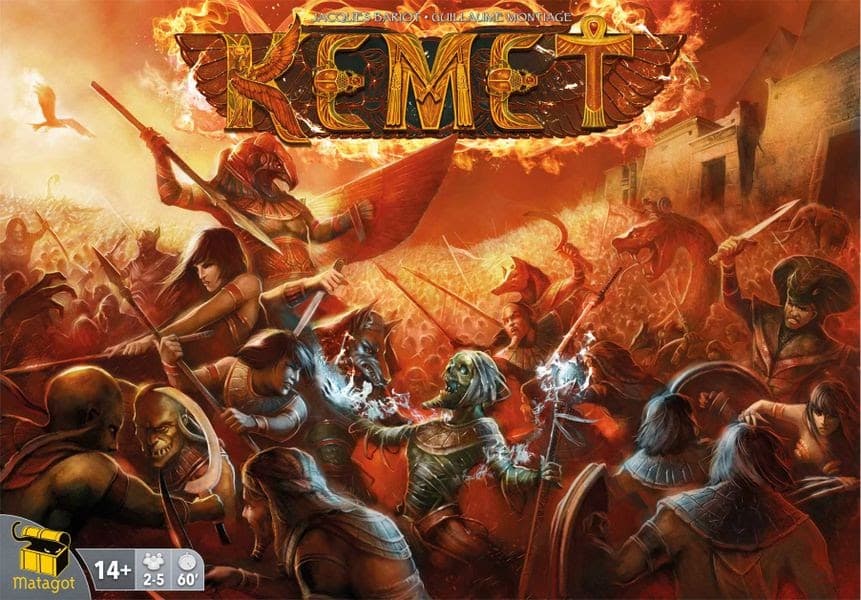
Kemet
2012In the mythological landscape of ancient Egypt, Kemet casts players as powerful gods vying for dominance. This is a game of aggressive territorial control where you command divine armies, clashing in the desert sands to prove your supremacy. The ultimate objective is to be the first to achieve a set number of Victory Points, which are earned through a combination of successful conquests, controlling sacred temples, and constructing magnificent pyramids. Victory is a dynamic affair; points gained from territory can be lost just as quickly, ensuring a relentless struggle until the very end, where only the most cunning and powerful deity will prevail.
Gameplay unfolds over a series of rounds, each divided into Day and Night phases. The Day is where the primary action occurs, as players take turns performing single actions from their personal player boards. This fast-paced, turn-by-turn structure forces critical decisions: will you recruit more soldiers, move your forces to initiate an attack, pray to the gods for more Prayer Points (the game's currency), or invest in upgrading your pyramids? These pyramids are key, as their color and level dictate which powerful Power Tiles you can purchase. These tiles grant unique abilities, creatures, and advantages, forming the core of the game's engine-building and strategic customization, allowing you to tailor your faction's strengths as the game progresses.
Kemet's unique appeal lies in its relentless focus on player interaction and its elegant combat system. The map is designed to push players into conflict from the start, making combat not just an option, but an inevitability. Battles are resolved not by the luck of dice rolls, but through a deterministic card-based system. Each player uses an identical deck of combat cards, secretly choosing one to play alongside a disposable Divine Intervention card. This transforms each battle into a tense sub-game of bluffing, hand management, and anticipating your opponent's moves. The vast array of Power Tiles ensures immense replayability, as each game offers new combinations and strategies to explore, making every session a unique struggle for divine ascendancy.
2-5 120m⚖️ 3.2
RANK #252
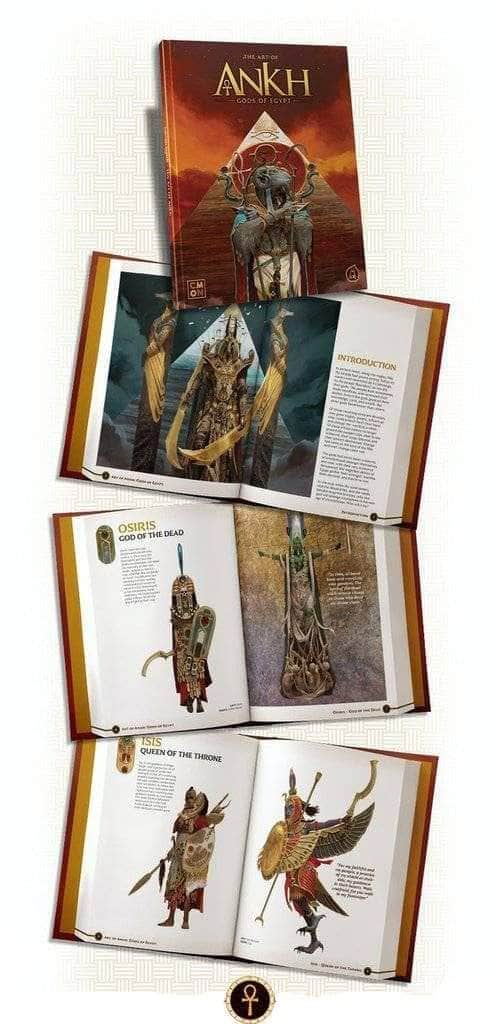
Ankh: Gods of Egypt transports players to a mythical past where the old ways are fading and the people of Egypt are beginning to favor a single, monotheistic religion. In this fiercely competitive game, 2 to 5 players take on the roles of legendary Egyptian deities like Ra, Anubis, and Isis, each struggling for dominance and survival. The ultimate goal is to become the last god standing, the sole object of worship for all of Egypt. This is achieved by accumulating Devotion, the game's victory points, which are earned through strategic control of monuments, demonstrations of power in battle, and the loyalty of your followers. As the game progresses, the stakes get higher, and gods who fall too far behind in Devotion face the ultimate threat: being forgotten by history forever.
The gameplay is driven by an elegant and highly tactical action selection system. On their turn, a player performs one or two of four possible actions—moving their figures, summoning units, gaining followers, or unlocking unique Ankh powers—and advances a corresponding marker on a shared event track. When a marker reaches the end of its path, a game-altering event is triggered for all players. These events include claiming control of powerful monuments, strategically dividing the board into new regions with camel caravans, and, most importantly, initiating Conflict. Combat is a deterministic affair, completely free of dice rolls. Players commit battle cards from their hand and sum the strength of their god and warriors in a region to determine the victor. A truly unique and dramatic feature for games with three or more players is the Merge event, where the two players with the lowest Devotion scores are forced to combine their powers, becoming a single, more powerful entity for the remainder of the game.
What makes Ankh: Gods of Egypt so compelling is its blend of pure strategy and intense player interaction. The absence of randomness in combat means every victory and defeat rests squarely on the players' shoulders, rewarding careful planning and clever card play. The shared action track creates a fascinating puzzle, as every action you take brings the game closer to an event that might benefit your opponents more than you. The game is a constant battle of wits, where you must anticipate your rivals' moves while advancing your own position. The god-merging mechanic is a brilliant twist, ensuring that no player feels completely out of the running and introducing a surprising cooperative dynamic into a cutthroat competitive game. It is a stunning conclusion to a celebrated trilogy of mythology-themed games, offering a deep, rewarding, and unforgettable strategic experience.
2-5 90m⚖️ 3.1
RANK #277
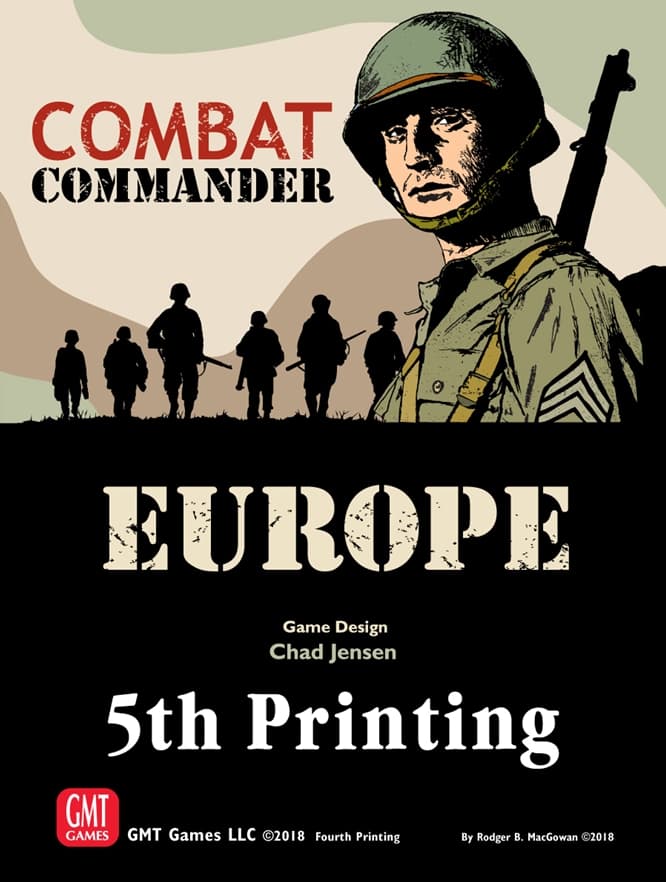
Combat Commander: Europe is an acclaimed squad-level tactical wargame that immerses players in the intense infantry clashes of the European Theater during World War II. Widely celebrated as a design triumph, the game challenges commanders to outmaneuver their opponents using a dynamic mix of traditional hex-and-counter positioning and an unpredictable card-driven engine. Over the course of the game, combatants vie for supremacy by eliminating enemy forces, securing vital battlefield objectives, and maneuvering their troops off the opponent's map edge. With various scenarios covering diverse engagements, players must navigate intricate tactical puzzles across beautifully detailed paper maps representing everything from dense hedgerows to contested towns.
Abandoning traditional dice altogether, the heart of the experience lies within the asymmetrical Fate Decks assigned to the Axis, American, or Russian factions. These multi-purpose decks dictate every aspect of the simulation. Players draw and play cards to issue vital orders such as moving rifle squads, firing light mortars, or digging into defensive positions. Furthermore, the variable phase order system ensures that turns are incredibly fluid rather than strictly rigid. Opponents can play reaction cards from their hands to disrupt a meticulously planned advance, perhaps laying down devastating opportunity fire as infantry units cross open terrain. Even the essential combat resolutions and morale checks are handled by revealing the top card of the deck to check its printed values, seamlessly blending statistical probability with hand management.
The true magic of this masterpiece is how elegantly it simulates the fog of war without resorting to overly burdensome rulesets found in older, heavier simulations. A poor draw of cards organically replicates the chaos of real battlefields—representing broken supply lines, communication failures, or troops pinned down under heavy suppression. In addition, the decks contain built-in event triggers that can suddenly unleash unexpected occurrences like sniper fire or vital reinforcements, keeping both commanders constantly on their toes. Thanks to its random scenario generator and tense sudden-death ending conditions, the replayability is virtually limitless, ensuring that no two firefights ever unfold in exactly the same way.
2 120m⚖️ 3.8
RANK #1,031
Up Front
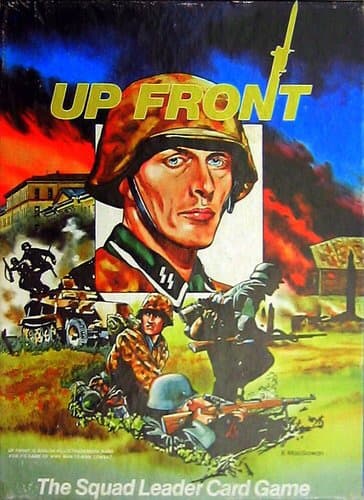
1983Up Front, released in 1983 by Avalon Hill, is a revolutionary tactical card game that simulates small-unit infantry combat during World War II. Widely regarded as the card-game equivalent of the legendary 'Squad Leader' series, it abandons the traditional hex-and-counter map board in favor of a dynamic system of terrain and action cards. The game's primary goal is to lead your squad to victory by completing specific scenario objectives, which range from seizing strategic terrain to forcing an enemy retreat by breaking their morale. By focusing on the 'friction of war' and the immediate tactical decisions of a squad leader, the game provides a visceral experience where the chaos of the battlefield is constantly felt through the cards in your hand.
The gameplay is defined by its unique 'Relative Range' system and card-driven mechanics. Players manage several squads of soldiers, each represented by individual personality cards that track their weapons and status. Instead of moving miniatures across a map, players play terrain cards to represent their troops' current cover and distance from the enemy. The Action Deck is the heart of the game; it dictates everything from firing and movement to morale checks and smoke screens. This system creates a fog of war where players must adapt to the hand they are dealt, simulating the limited communications and unpredictable nature of actual combat. Because players cannot always find the 'perfect' terrain or have the right 'Fire' card at the right moment, the game rewards those who can manage risk and react quickly to a shifting tactical landscape.
Fans of the game praise Up Front for its depth, speed, and incredible replayability. Unlike heavy board wargames that can take hours to set up and play, a session of Up Front can often be completed in under an hour, making it an ideal choice for competitive tournament play or casual skirmishes. Its legacy in the hobby is significant, as it is often cited as a pioneer of the Card Driven Game (CDG) genre. The lack of a board is not a drawback but a feature that allows for infinite tactical permutations, as the 'battlefield' is constantly being built and destroyed by the players themselves. It remains a beloved classic for its ability to generate high-stakes narrative tension and realistic military challenges without the need for complex geometric calculations or massive tabletop footprints.
1-2 60m⚖️ 3.4
BoxNo Cover Art
RANK #21,063
Relic Knights: Darkspace Calamity brings the explosive, over-the-top energy of Japanese mecha anime to the tabletop in a tactical miniatures skirmish game. Players are thrust into a vibrant, dying galaxy, where they assume command of a powerful and heroic Relic Knight, their loyal and symbiotic Cypher companion, and a unique cadre of supporting units. Each force belongs to one of several distinct factions, all battling for control and survival. The goal extends beyond simple annihilation of the enemy; victory is achieved by completing dynamic, scenario-specific objectives that shape the narrative of the conflict. The game fully embraces its aesthetic inspirations, creating an immersive experience where every battle feels like a climactic episode of an epic space opera.
The game's most defining feature is its innovative, diceless combat system which emphasizes player skill and strategic planning over random chance. Instead of dice, players draw from a customized "Esper Deck." These cards serve as the central resource, used to power every action from basic movement and attacks to reality-bending special abilities and crucial defensive countermeasures. This creates a deep and engaging loop of hand management and resource allocation. A player's turn involves activating units one by one, carefully spending Esper to execute actions, and maneuvering forces across the battlefield to outwit their opponent. This system gives players a profound sense of control, as success hinges on cleverly managing the cards they are dealt.
What makes Relic Knights a beloved and unique experience is this seamless blend of fast-paced, cinematic action with deep strategic gameplay. The Esper card system is a significant draw for players who prefer tactical decision-making to the whims of fate, rewarding foresight and clever combinations. The game is also a delight for hobbyists, featuring a stunning line of highly-detailed, dynamic miniatures that are a joy to assemble, paint, and bring to the battlefield. This powerful combination of a unique, low-randomness ruleset, a compelling sci-fi anime setting, and beautiful components ensures that Relic Knights: Darkspace Calamity provides a memorable and deeply engaging tactical challenge.
3-7 240m⚖️ 3.8