Thematic Games
Browse all Thematic board games in the Meeple Pulse database.
Styles
Themes
AbstractAdventureAncientAnimalsArtBusinessCard GameCo-operativeComic BookCooperativeCrimeEconomicEnvironmentalismExplorationFantasyHistoricalHorrorHumorIntrigueLiteraryMagicMarvelMedievalModernMuseumMysteryMythologyNatureNauticalPoliticalPress Your LuckSatireSci-FiSocial CommentarySocial InteractionSpaceSuperheroesThematicTravelWarWesternWord-Guessing
Mechanics
3D PlacementActingAction / DexterityAction DraftingAction Point AllowanceAction Point Allowance SystemAction Point SystemAction PointsAction ProgrammingAction QueueAction RetrievalAction SelectionAction/EventAlliancesAlternate ActivationApp-AssistedApp-DrivenArea ControlArea InfluenceArea MajorityArea Majority / InfluenceArea MovementArgumentationAsymmetricAsymmetric FactionsAsymmetric GameAsymmetric PowersAsymmetrical PowersAuction & BiddingAuction/BiddingAuctioningBag BuildingBettingBetting and BluffingBetting and WageringBetting and WagersBiddingBingoBlind BiddingBluffingCampaign / Battle Card DrivenCampaign / LegacyCampaign / Legacy GameCampaign / Mission-basedCampaign / ScenariosCampaign GameCampaign PlayCard DraftingCard DrawingCard DrivenCard Driven ActionCard Driven CombatCard Driven Dice AllocationCard Driven MovementCard ManagementCard PlayCard Play / Hand ManagementCard Play Conflict ResolutionCard SheddingCard-Driven MovementCharacter CreationCharacter ProgressionChit-Pull SystemCo-op PlayCo-operative GameCo-operative PlayCode-breakingCombat ResolutionCombo ChainCommand CardsCommodity SpeculationCommunication LimitsContract FulfillmentContractsCooperative GameCooperative GameplayCooperative PlayCooperative Trick-takingDebateDeck BuildingDeck ConstructionDeck, Bag, and Pool BuildingDeck-BuildingDeductionDexterityDice DraftingDice PlacementDice RollingDiplomatic InfluenceDraftingDynamic Battle SystemEnclosureEnd Game BonusesEngine BuildingEngine-BuildingEscape RoomEvent DrivenExplorationFarmingFlip and WriteFollowFollow ActionGrid CoverageGrid MovementHand ManagementHex-and-CounterHexagon GridHidden MovementHidden RolesI Cut You ChooseIncomeInfluence / Area MajorityLadder ClimbingLegacyLegacy ElementsLegacy GameLegacy SystemLimited CommunicationLine DrawingLine of SightMancalaMap MovementMarketMarket DraftingMarket ManipulationMarket MechanicMarket SpeculationMatchingMeasurement MovementMemoryMission ObjectivesModular BoardModular Board ConstructionMovement TemplatesMulti-Use CardsMulti-use CardsMultiple ScenariosMust FollowNarrative ChoiceNarrative Choice / ParagraphNegotiationNegotiation MechanicsNetwork & Route BuildingNetwork BuildingNetwork and Route BuildingOne vs ManyOne vs. ManyOpen DraftingPaper-and-PencilPartnershipsPattern BuildingPattern RecognitionPick-up and DeliverPlayer EliminationPlayer InteractionPlayer JudgePoint SaladPoint to Point MovementPolyominoesPush Your LuckPush-Your-LuckPuzzlePuzzle-LikePuzzle-SolvingRaceReal-TimeRecipe FulfillmentResource ManagementRole PlayingRole SelectionRoll / Spin and MoveRondelRoute BuildingRoute-BuildingRoute/Network BuildingSanity SystemScenario / Campaign PlayScenario / Mission / Campaign GameScenario / Mission FunctionSecret Unit DeploymentSemi-Cooperative GameSet CollectionSheddingSimulationSimultaneous ActionSimultaneous Action SelectionSimultaneous Hidden AllocationSocial DeductionSocial InteractionSolo / Solitaire GameSpace ExplorationStat Check / Skill CheckStock HoldingStorytellingStrategic PlanningTableau BuildingTactical Decision-MakingTake ThatTargeted CluesTeam PlayTeam-Based GameTeam-Based GuessingTeamworkTech TreesTech Trees / Tech TracksTechnology & Armament TracksTechnology TreeTension & Aggression TracksTile DraftingTile LayingTile PlacementTime TrackTime TravelTower DefenseTrack MovementTradingTrick-takingTug of WarTurn Order: PassTurn Order: Stat-BasedUnit PlacementVariable Phase OrderVariable Player PowersVariable Set-upVariable SetupVictory Point TracksVotingWord AssociationWord GameWord GuessingWord-GuessingWord-guessingWordplayWorker Placement
BoxNo Cover Art
RANK #82
Android: Netrunner is a celebrated asymmetrical card game for two players, set in a dystopian cyberpunk future. In this high-stakes conflict, one player assumes the role of a massive, monolithic corporation, while the other becomes a renegade hacker known as a 'Runner'. The primary objective for both sides is to score seven 'agenda' points. The Corporation player achieves this by installing and advancing their secret agendas within their fortified servers. The Runner, however, aims to infiltrate these servers and steal the agendas before they can be scored. The game introduces thrilling alternate victory conditions: the Corp can win by inflicting enough damage to 'flatline' the Runner, while the Runner can claim victory if the Corporation is forced to draw from an empty deck, representing a catastrophic system crash. This fundamental opposition sets the stage for a tense and strategic duel of wits.
The gameplay is a masterclass in asymmetry, with each side playing by entirely different rules and pursuing divergent strategies. The Corp player focuses on economic management and building a digital fortress. They spend their turns drawing cards, gaining credits, and, most importantly, installing cards facedown into their servers. These cards could be the valuable agendas they need to win, assets that provide ongoing benefits, or dangerous 'ice' that protects their servers and punishes intruders. This creates a landscape of hidden information and potent bluffs. In contrast, the Runner player's turn is about calculated aggression and risk. They must build their 'rig'—a suite of hardware and icebreaker programs—to bypass the Corp's defenses. They then initiate 'runs' on the Corp's servers, hoping to access and steal agendas while avoiding the consequences of walking into a well-laid trap.
What elevates Android: Netrunner to legendary status is its profound strategic depth married with intense psychological gameplay. The experience is not merely about optimizing a deck, but about outthinking and outmaneuvering a live opponent. Every facedown card is a puzzle, and every run is a gamble, creating a constant tension that few other games can match. Playing as the Corp feels like spinning a complex web, while playing the Runner is an exercise in calculated audacity. The game was released as a 'Living Card Game' (LCG), meaning players bought fixed, non-random packs of cards, which fostered a diverse and accessible metagame without the frustrating and expensive 'chase rare' model of traditional collectible card games. This combination of a rich, evocative theme, deep asymmetry, and a player-friendly distribution model secured its legacy as one of the most beloved and intellectually rewarding two-player games ever created.
2 45m⚖️ 3.8
RANK #228
Cosmic Encounter
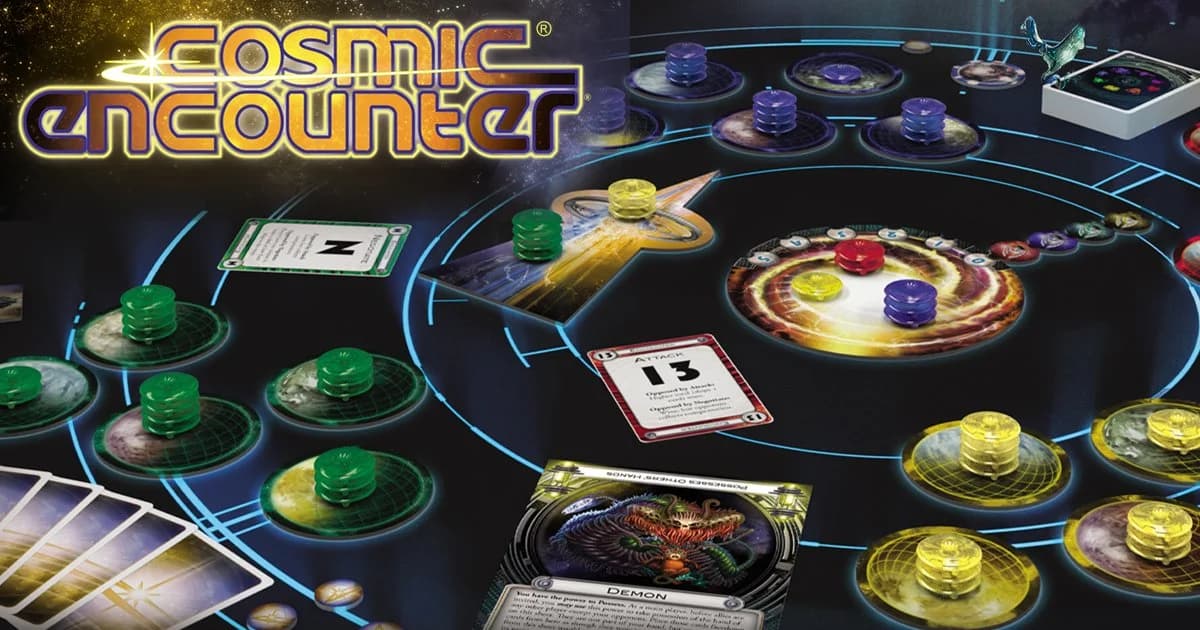
2008Cosmic Encounter is a legendary board game of galactic conquest where diplomacy is as crucial as military might. In this celebrated 2008 edition from Fantasy Flight Games, players assume the roles of bizarre and powerful alien species, each vying for control of the cosmos. The ultimate objective is simple yet challenging: establish five colonies on planets outside of your own home system. This goal is pursued through a series of 'encounters' with your rivals. The game masterfully blends straightforward rules with immense strategic depth, creating an environment where shifting alliances, cunning bluffs, and unexpected betrayals are not just possible, but are the very heart of the experience.
The gameplay revolves around a structured turn sequence where an active player, the 'offense', is directed by the Destiny Deck to engage another player, the 'defense'. The conflict begins as the offense commits ships to a target planet, but the situation quickly escalates as both sides can invite other players to join their cause as allies. The encounter's resolution hinges on the simultaneous reveal of a single card from each primary player's hand. These cards can be numbered Attack cards, which combine with ship counts to determine a victor, or a Negotiate card. Playing a Negotiate against an Attack results in an automatic loss, but the loser gets to demand compensation. If both players attempt to negotiate, they have a mere minute to strike a deal, such as trading cards or even allowing a peaceful colonization, before both suffer a penalty.
What elevates Cosmic Encounter to its classic status is the staggering variety of unique alien powers that each player wields. These abilities are designed to fundamentally break the game's core rules in some spectacular way, ensuring that no two games ever feel the same. One alien might be able to steal cards from the victor of a battle, another might always win tied conflicts, and a third might force players to play with their hands revealed. This asymmetry creates a dynamic and chaotic puzzle of interacting abilities, fostering immense replayability and forcing players to adapt their strategies on the fly. It is this brilliant combination of negotiation, tactical card play, and wildly unpredictable powers that makes Cosmic Encounter an enduring masterpiece of interactive tabletop gaming.
3-5 90m⚖️ 2.5