Strategy Games
Browse all Strategy board games in the Meeple Pulse database.
Styles
Themes
AbstractAdventureAncientAnimalsArtBusinessCard GameCo-operativeComic BookCooperativeCrimeEconomicEnvironmentalismExplorationFantasyHistoricalHorrorHumorIntrigueLiteraryMagicMarvelMedievalModernMuseumMysteryMythologyNatureNauticalPoliticalPress Your LuckSatireSci-FiSocial CommentarySocial InteractionSpaceSuperheroesThematicTravelWarWesternWord-Guessing
Mechanics
3D PlacementActingAction / DexterityAction DraftingAction Point AllowanceAction Point Allowance SystemAction Point SystemAction PointsAction ProgrammingAction QueueAction RetrievalAction SelectionAction/EventAlliancesAlternate ActivationApp-AssistedApp-DrivenArea ControlArea InfluenceArea MajorityArea Majority / InfluenceArea MovementArgumentationAsymmetricAsymmetric FactionsAsymmetric GameAsymmetric PowersAsymmetrical PowersAuction & BiddingAuction/BiddingAuctioningBag BuildingBettingBetting and BluffingBetting and WageringBetting and WagersBiddingBingoBlind BiddingBluffingCampaign / Battle Card DrivenCampaign / LegacyCampaign / Legacy GameCampaign / Mission-basedCampaign / ScenariosCampaign GameCampaign PlayCard DraftingCard DrawingCard DrivenCard Driven ActionCard Driven CombatCard Driven Dice AllocationCard Driven MovementCard ManagementCard PlayCard Play / Hand ManagementCard Play Conflict ResolutionCard SheddingCard-Driven MovementCharacter CreationCharacter ProgressionChit-Pull SystemCo-op PlayCo-operative GameCo-operative PlayCode-breakingCombat ResolutionCombo ChainCommand CardsCommodity SpeculationCommunication LimitsContract FulfillmentContractsCooperative GameCooperative GameplayCooperative PlayCooperative Trick-takingDebateDeck BuildingDeck ConstructionDeck, Bag, and Pool BuildingDeck-BuildingDeductionDexterityDice DraftingDice PlacementDice RollingDiplomatic InfluenceDraftingDynamic Battle SystemEnclosureEnd Game BonusesEngine BuildingEngine-BuildingEscape RoomEvent DrivenExplorationFarmingFlip and WriteFollowFollow ActionGrid CoverageGrid MovementHand ManagementHex-and-CounterHexagon GridHidden MovementHidden RolesI Cut You ChooseIncomeInfluence / Area MajorityLadder ClimbingLegacyLegacy ElementsLegacy GameLegacy SystemLimited CommunicationLine DrawingLine of SightMancalaMap MovementMarketMarket DraftingMarket ManipulationMarket MechanicMarket SpeculationMatchingMeasurement MovementMemoryMission ObjectivesModular BoardModular Board ConstructionMovement TemplatesMulti-Use CardsMulti-use CardsMultiple ScenariosMust FollowNarrative ChoiceNarrative Choice / ParagraphNegotiationNegotiation MechanicsNetwork & Route BuildingNetwork BuildingNetwork and Route BuildingOne vs ManyOne vs. ManyOpen DraftingPaper-and-PencilPartnershipsPattern BuildingPattern RecognitionPick-up and DeliverPlayer EliminationPlayer InteractionPlayer JudgePoint SaladPoint to Point MovementPolyominoesPush Your LuckPush-Your-LuckPuzzlePuzzle-LikePuzzle-SolvingRaceReal-TimeRecipe FulfillmentResource ManagementRole PlayingRole SelectionRoll / Spin and MoveRondelRoute BuildingRoute-BuildingRoute/Network BuildingSanity SystemScenario / Campaign PlayScenario / Mission / Campaign GameScenario / Mission FunctionSecret Unit DeploymentSemi-Cooperative GameSet CollectionSheddingSimulationSimultaneous ActionSimultaneous Action SelectionSimultaneous Hidden AllocationSocial DeductionSocial InteractionSolo / Solitaire GameSpace ExplorationStat Check / Skill CheckStock HoldingStorytellingStrategic PlanningTableau BuildingTactical Decision-MakingTake ThatTargeted CluesTeam PlayTeam-Based GameTeam-Based GuessingTeamworkTech TreesTech Trees / Tech TracksTechnology & Armament TracksTechnology TreeTension & Aggression TracksTile DraftingTile LayingTile PlacementTime TrackTime TravelTower DefenseTrack MovementTradingTrick-takingTug of WarTurn Order: PassTurn Order: Stat-BasedUnit PlacementVariable Phase OrderVariable Player PowersVariable Set-upVariable SetupVictory Point TracksVotingWord AssociationWord GameWord GuessingWord-GuessingWord-guessingWordplayWorker Placement
RANK #235
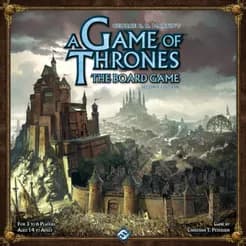
A Game of Thrones: The Board Game (Second Edition) transports players to the war-torn continent of Westeros, drawing directly from the narrative depths of George R.R. Martin's 'A Song of Ice and Fire' series. In this grand strategy experience, three to six players assume the mantles of the Great Houses—such as Stark, Lannister, or Baratheon—competing for dominion over the Iron Throne. The ultimate objective is to secure the most castles and strongholds across the map through a blend of military conquest, political maneuvering, and calculated diplomacy. Set against a backdrop of impending winter and the looming threat of the Wildlings beyond the Wall, the game captures the high-stakes tension of the source material, where every move could lead to total victory or sudden betrayal.
The core gameplay revolves around a unique simultaneous planning phase where players place secret order tokens on territories they control. These tokens represent specific actions like marching armies, defending borders, consolidating power for resources, or raiding adjacent enemy positions. Once revealed, players resolve these actions in a specific sequence, requiring them to anticipate their opponents' intentions and bluff their way through contested borders. Combat is notably deterministic, relying on unit strength and support from neighboring regions rather than dice rolls. However, players can swing the tide of battle by playing 'House Cards' featuring iconic characters that grant special abilities. Beyond the battlefield, players must manage their influence on three critical tracks—the Iron Throne, the Fiefdoms, and the King's Court—which determine turn order and special perks.
What makes this game a modern classic is its emphasis on the 'human element' and high-level interaction. Unlike many wargames that rely on luck, this title thrives on negotiation and the constant threat of a 'backstab.' Players are frequently forced to forge temporary pacts to stop a leading player or to share the burden of repelling Wildling invasions, only to find those same allies marching into their undefended rear territories a turn later. The production quality of the second edition is exceptional, featuring a stunning map of Westeros, marbleized plastic units, and linen-finish cards that enhance the immersive, epic feel. It is a dense, rewarding experience that demands strategic foresight and a keen understanding of political psychology.
3-6 180m⚖️ 3.8
RANK #291
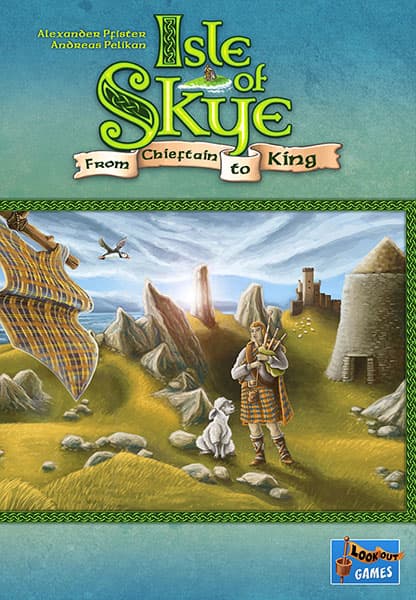
Isle of Skye: From Chieftain to King is a celebrated tile-placement and economic strategy game where players step into the shoes of ambitious clan leaders. Set against the rugged and beautiful backdrop of the Scottish Highlands, the ultimate objective is to expand your territory and accumulate the most victory points to become the rightful King of the Isle. Unlike many traditional tile-laying games, this title introduces a dynamic player-driven economy that ensures no two sessions feel the same. By strategically managing gold and territory, players must navigate a competitive landscape where every decision impacts both their own kingdom and the wealth of their opponents.
The heart of the game lies in its unique auction and pricing system. Each round, players draw three landscape tiles and secretly decide their fate behind a screen. One tile must be discarded using an 'Axe' token, while the remaining two are assigned a gold price from the player's personal reserve. This creates a fascinating risk-reward tension: pricing a tile too low makes it an easy target for rivals to purchase, while pricing it too high forces you to pay that exact amount to the bank if no one else buys it. Once prices are revealed, players take turns purchasing tiles from one another, with the remaining tiles being added to their own expanding kingdoms. Connectivity is crucial, as mountain, grass, and water edges must match perfectly. Whiskey barrels connected to the central castle via roads generate essential income, fueling future bids.
One of the most praised aspects of Isle of Skye is its variable scoring system. From a pool of sixteen different scoring tiles, only four are used in any given game, and their activation rotates through different rounds. This means players must constantly pivot their strategies—one game might reward large bodies of water, while the next focuses on the number of sheep or ships in your territory. The blend of a spatial puzzle with the cutthroat economic interaction of a price-setting auction makes it a standout 'connoisseur' level game that remains accessible to families. It offers deep strategic layers without overstaying its welcome, earning its place as a modern classic in the board gaming world.
2-5 45m⚖️ 2.3

RANK #17,981
Banana Governance is an engaging 2025 release that emerged from the vibrant Tokyo Game Market scene, blending tactical resource management with a whimsical animal theme. At its core, the game challenges players to navigate the complex social and economic structures of a monkey colony, where the primary currency is, naturally, bananas. The objective is simple yet demanding: you must satisfy the needs of hungry monkeys more effectively than your rivals. By managing a limited hand of cards and a fluctuating supply of fruit, players must balance their short-term feeding requirements with long-term political dominance within the troop. It is a game of thin margins and sharp decisions, where every drafted card can lead to either prosperity or a total collapse of your governance.
The gameplay is structured into a clever two-part cycle that keeps players constantly engaged. It begins with a drafting phase, utilizing the classic 'I cut, you choose' mechanic which forces players to create difficult dilemmas for their opponents while trying to secure the best resources for themselves. Once the draft is complete, the game transitions into a high-stakes auction and bidding phase. Here, the bananas you have carefully gathered are spent to acquire influence and satisfy the colony's demands. This transition from resource acquisition to strategic expenditure requires a keen eye for your opponents' needs, as you must anticipate their bids while protecting your own hoard. The card-driven nature of the game ensures that the state of play is always visible but never entirely predictable.
What makes Banana Governance truly stand out is its 'laser-focused' design and high level of player interaction. Despite using a minimal number of cards, the game generates significant tension through its interconnected mechanics. Players love the psychological warfare inherent in the drafting phase, which is perfectly complemented by the tactical pressure of the auctions. It is a 'mean' but rewarding experience where the quality of the gameplay shines through its minimalist presentation. The game manages to pack a heavy strategic punch into a relatively short playtime, making it an excellent choice for those who enjoy tight, competitive card games that reward clever planning and the ability to read the table.
m⚖️ N/A