Thematic Games
Browse all Thematic board games in the Meeple Pulse database.
Styles
Themes
AbstractAdventureAncientAnimalsArtBusinessCard GameCo-operativeComic BookCooperativeCrimeEconomicEnvironmentalismExplorationFantasyHistoricalHorrorHumorIntrigueLiteraryMagicMarvelMedievalModernMuseumMysteryMythologyNatureNauticalPoliticalPress Your LuckSatireSci-FiSocial CommentarySocial InteractionSpaceSuperheroesThematicTravelWarWesternWord-Guessing
Mechanics
3D PlacementActingAction / DexterityAction DraftingAction Point AllowanceAction Point Allowance SystemAction Point SystemAction PointsAction ProgrammingAction QueueAction RetrievalAction SelectionAction/EventAlliancesAlternate ActivationApp-AssistedApp-DrivenArea ControlArea InfluenceArea MajorityArea Majority / InfluenceArea MovementArgumentationAsymmetricAsymmetric FactionsAsymmetric GameAsymmetric PowersAsymmetrical PowersAuction & BiddingAuction/BiddingAuctioningBag BuildingBettingBetting and BluffingBetting and WageringBetting and WagersBiddingBingoBlind BiddingBluffingCampaign / Battle Card DrivenCampaign / LegacyCampaign / Legacy GameCampaign / Mission-basedCampaign / ScenariosCampaign GameCampaign PlayCard DraftingCard DrawingCard DrivenCard Driven ActionCard Driven CombatCard Driven Dice AllocationCard Driven MovementCard ManagementCard PlayCard Play / Hand ManagementCard Play Conflict ResolutionCard SheddingCard-Driven MovementCharacter CreationCharacter ProgressionChit-Pull SystemCo-op PlayCo-operative GameCo-operative PlayCode-breakingCombat ResolutionCombo ChainCommand CardsCommodity SpeculationCommunication LimitsContract FulfillmentContractsCooperative GameCooperative GameplayCooperative PlayCooperative Trick-takingDebateDeck BuildingDeck ConstructionDeck, Bag, and Pool BuildingDeck-BuildingDeductionDexterityDice DraftingDice PlacementDice RollingDiplomatic InfluenceDraftingDynamic Battle SystemEnclosureEnd Game BonusesEngine BuildingEngine-BuildingEscape RoomEvent DrivenExplorationFarmingFlip and WriteFollowFollow ActionGrid CoverageGrid MovementHand ManagementHex-and-CounterHexagon GridHidden MovementHidden RolesI Cut You ChooseIncomeInfluence / Area MajorityLadder ClimbingLegacyLegacy ElementsLegacy GameLegacy SystemLimited CommunicationLine DrawingLine of SightMancalaMap MovementMarketMarket DraftingMarket ManipulationMarket MechanicMarket SpeculationMatchingMeasurement MovementMemoryMission ObjectivesModular BoardModular Board ConstructionMovement TemplatesMulti-Use CardsMulti-use CardsMultiple ScenariosMust FollowNarrative ChoiceNarrative Choice / ParagraphNegotiationNegotiation MechanicsNetwork & Route BuildingNetwork BuildingNetwork and Route BuildingOne vs ManyOne vs. ManyOpen DraftingPaper-and-PencilPartnershipsPattern BuildingPattern RecognitionPick-up and DeliverPlayer EliminationPlayer InteractionPlayer JudgePoint SaladPoint to Point MovementPolyominoesPush Your LuckPush-Your-LuckPuzzlePuzzle-LikePuzzle-SolvingRaceReal-TimeRecipe FulfillmentResource ManagementRole PlayingRole SelectionRoll / Spin and MoveRondelRoute BuildingRoute-BuildingRoute/Network BuildingSanity SystemScenario / Campaign PlayScenario / Mission / Campaign GameScenario / Mission FunctionSecret Unit DeploymentSemi-Cooperative GameSet CollectionSheddingSimulationSimultaneous ActionSimultaneous Action SelectionSimultaneous Hidden AllocationSocial DeductionSocial InteractionSolo / Solitaire GameSpace ExplorationStat Check / Skill CheckStock HoldingStorytellingStrategic PlanningTableau BuildingTactical Decision-MakingTake ThatTargeted CluesTeam PlayTeam-Based GameTeam-Based GuessingTeamworkTech TreesTech Trees / Tech TracksTechnology & Armament TracksTechnology TreeTension & Aggression TracksTile DraftingTile LayingTile PlacementTime TrackTime TravelTower DefenseTrack MovementTradingTrick-takingTug of WarTurn Order: PassTurn Order: Stat-BasedUnit PlacementVariable Phase OrderVariable Player PowersVariable Set-upVariable SetupVictory Point TracksVotingWord AssociationWord GameWord GuessingWord-GuessingWord-guessingWordplayWorker Placement
RANK #114
"Through the Ages: A Story of Civilization" is a monumental board game that tasks players with one of the grandest challenges imaginable: guiding a civilization from its humble beginnings in antiquity through to the complexities of the modern era. It's a game of epic scope where military might is just one tool among many. The ultimate objective is not world domination, but the creation of a lasting legacy. Victory is determined by the accumulation of culture points, a measure of your society's artistic, philosophical, and technological contributions to history. Players strive to build a civilization that will be remembered and celebrated for its profound impact, leaving an indelible mark on the annals of time.
The game's engine is driven by a clever card drafting mechanism. A central 'card row' displays a constantly shifting array of potential advancements, from new technologies and political systems to great leaders and world wonders. The cost to acquire these cards decreases the longer they remain unchosen, creating a tense and dynamic market of opportunities. On their turn, players spend a set number of civil and military actions to execute their grand strategy. These actions allow them to draft cards, increase their population, construct or upgrade buildings, and bolster their military forces. Success hinges on a delicate balancing act. You must carefully manage your production of food and resources, your investment in science to unlock new possibilities, and the strength of your army, as rivals can exploit any weakness through aggression or outright war to seize resources and disrupt your progress.
Players are drawn to "Through the Ages" for its profound strategic depth and the immensely rewarding experience of nurturing a civilization from a single settlement into a sprawling empire. It presents an intricate and fascinating puzzle, forcing players to make crucial long-term decisions while adapting to the tactical opportunities presented by the card row. The game's unique appeal lies in this synthesis of grand strategy and tactical execution. While player interaction can be direct and confrontational through the military system, the core conflict is often a race for efficiency and cultural prestige. This focus on building a superior internal engine, rather than simply conquering territory, has cemented its reputation as an essential title for serious hobbyists seeking a challenging, engrossing, and highly replayable masterpiece of game design.
2-4 180m⚖️ 4.2
RANK #214
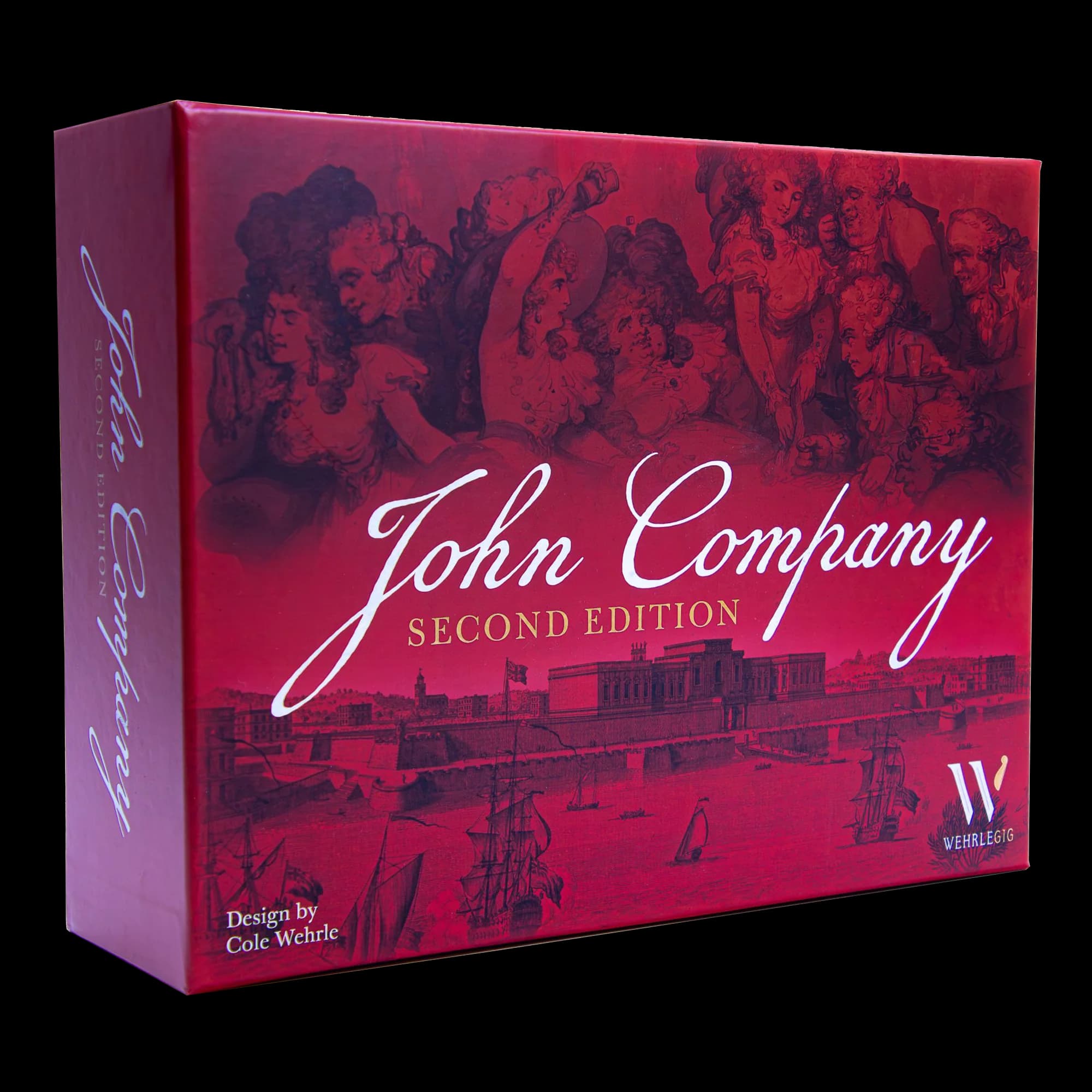
John Company: Second Edition is a deeply immersive and interactive simulation of the British East India Company, a historically powerful but notoriously dysfunctional trading corporation. Players represent ambitious British families seeking to exploit the Company for their own gain. The ultimate goal is not necessarily the Company's success, but rather amassing the greatest personal wealth and prestige for one's dynasty. This is achieved by securing lucrative positions, making shrewd investments, and ultimately retiring family members in a blaze of glory. This second edition is a significant redesign of the 2017 original, featuring a lavish production and refined rules that heighten the strategic depth and political maneuvering.
The gameplay is a masterful blend of semi-cooperative action and cutthroat individualism. On one hand, players must work together to keep the Company financially solvent, as its collapse brings ruin to all. On the other hand, victory is entirely individual. The game's structure revolves around players gaining control of key offices—from the prestigious Chairman to regional Presidents in India—often through tense auctions and brokered deals. In these roles, players execute Company actions like trade, shipping, and military campaigns, where success is often subject to the whims of dice rolls. The game progresses through distinct rounds that include managing private family affairs, voting on transformative laws in Parliament, and navigating the crucial London Season, where prestige is scored and legacies are made.
What truly distinguishes John Company is its unparalleled focus on negotiation and emergent narrative. Success is nearly impossible without engaging in constant deal-making, forming temporary alliances, and even resorting to bribery. The game is a political sandbox where the most memorable moments arise not from scripted events, but from the players' own schemes and betrayals. It brilliantly models a complex bureaucracy where individual ambition clashes with collective responsibility, creating a challenging and unforgettable experience. It appeals to players who relish high interaction, complex systems, and the thrill of turning a sprawling, failing institution into an engine for their own personal triumph.
1-6 180m⚖️ 4.4
RANK #240
Originally released as Railroad Tycoon, Railways of the World is a quintessential 'train game' that tasks players with building the most successful and profitable railway empire. A more approachable and streamlined version of Martin Wallace's heavier game, Age of Steam, it challenges players to become titans of the 19th-century railroad industry. The goal is to accumulate the most victory points by the end of the game, which are primarily earned by making lucrative deliveries of goods between burgeoning cities. Players must balance aggressive expansion and operational efficiency, managing their finances carefully to lay track, upgrade their locomotives, and fulfill valuable contracts before their rivals can claim them.
The gameplay is structured over a series of rounds, each containing three distinct phases. First, players participate in a crucial auction to determine the turn order for the round, a phase where bidding aggressively can grant a significant strategic advantage. Next is the action phase, the heart of the game, where players take turns performing actions like building track tiles to expand their network across the hex-grid map, upgrading their engines to haul goods over longer distances, and delivering goods cubes by picking them up from one city and moving them to another along their connected routes. A key interactive element is that players can use their opponents' tracks for a delivery, but the track owner earns the points for that portion of the journey. Players can also take on debt by issuing bonds to gain an immediate influx of cash, but this will cost them income and victory points later on.
Railways of the World is beloved for its grand scale and high level of player interaction, which keeps all participants engaged throughout the game. The auction mechanism ensures tense decisions from the very start of each round, while the shared network system creates indirect competition and strategic dilemmas. Do you build a critical link that an opponent might exploit, or do you focus on a more isolated, personal network? This blend of economic management, route optimization, and tactical bidding creates a deeply satisfying and highly replayable experience. With its impressive table presence and the tangible reward of watching your rail network snake across the board, it has cemented its status as a masterpiece in the economic strategy genre.
2-6 120m⚖️ 3.2
RANK #268
Cyclades
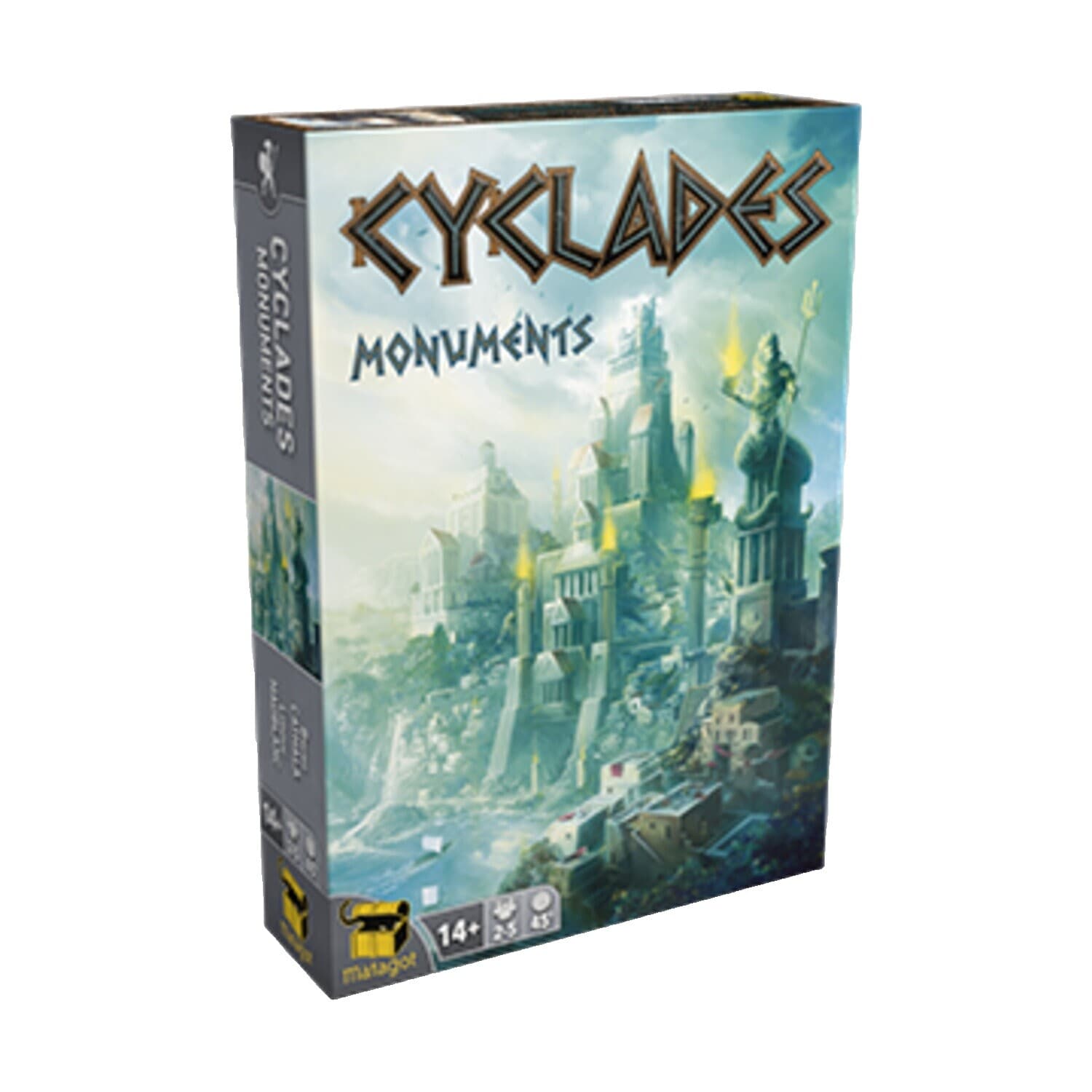
2009Immerse yourself in the golden age of Greek mythology with Cyclades, a masterful strategy game where players lead their people to glory in the Aegean Sea. Your ultimate goal is to achieve supremacy by being the first to erect two magnificent Metropolises. This grand feat can be accomplished through two distinct paths: demonstrating your civilization's prowess by constructing a full set of four specialized buildings—a Fortress, Port, Temple, and University—or by showcasing your cultural enlightenment through the acquisition of four Philosopher tokens. The race to this objective is a tense and dynamic struggle, forcing players to balance military conquest, economic development, and cultural influence to claim victory among the islands.
The game's engine is driven by a unique and compelling auction mechanic centered on earning the favor of the Olympian gods. Each round, players bid their precious gold to secure the patronage of Ares, Poseidon, Zeus, Athena, or Apollo. Winning a god's blessing grants a player the exclusive right to perform that deity's associated actions for the turn. Ares allows you to recruit and move armies, Poseidon commands the fleets, Zeus offers priests to cheapen future bids, and Athena provides the philosophers necessary for a cultural victory. This bidding phase is the strategic heart of Cyclades, creating a cauldron of intense player interaction where you must not only secure the actions you need but also deny critical opportunities to your rivals. Furthermore, players can summon legendary mythological creatures like the Kraken or Medusa, unleashing powerful, game-altering abilities that can dramatically shift the balance of power.
Cyclades is celebrated for its brilliant synthesis of a tight, money-driven auction with a direct and engaging area-control wargame. It cleverly avoids the pitfall of being solely about military might; a player focused entirely on combat can be outmaneuvered by an opponent who quietly builds an economic or cultural engine. The constant need to outbid and anticipate your opponents' desires ensures that there are no passive turns, making every decision meaningful. This elegant design, combined with the strong, evocative mythological theme and multiple paths to victory, provides a deeply strategic and highly replayable experience. It's a classic that challenges players to be cunning, adaptable, and ruthless in their quest to rule the Cyclades.
2-5 90m⚖️ 2.9