Strategy Games
Browse all Strategy board games in the Meeple Pulse database.
Styles
AbstractAbstract StrategyAdventureAnimalsCard GameChildren's GameCivilizationCo-operativeCompetitiveDiceEconomicEducationalEuroExpansion for Base-gameFamilyFan ExpansionFantasyFightingHistoricalHorrorIndustry / ManufacturingMedievalMedium HeavyMiniaturesPartyParty GamePrint & PlayPuzzle-LikeRacingReal-timeSpace ExplorationSportsStrategyTerritory BuildingThematicTransportationWargame
Themes
AbstractAdventureAncientAnimalsArtBusinessCard GameCo-operativeComic BookCooperativeCrimeEconomicEnvironmentalismExplorationFantasyFightingHistoricalHorrorHumorIntrigueLiteraryMagicMarvelMedievalModernMuseumMysteryMythologyNatureNauticalParty GamePoliticalPress Your LuckRacingSatireSci-FiSocial CommentarySocial InteractionSpaceSuperheroesThematicTravelWarWesternWord-Guessing
Mechanics
3D PlacementActingAction / DexterityAction DraftingAction Point AllowanceAction Point Allowance SystemAction Point SystemAction PointsAction ProgrammingAction QueueAction RetrievalAction SelectionAction/EventAlliancesAlternate ActivationApp-AssistedApp-DrivenArea ControlArea InfluenceArea MajorityArea Majority / InfluenceArea MovementArgumentationAsymmetricAsymmetric FactionsAsymmetric GameAsymmetric PowersAsymmetrical PowersAuction & BiddingAuction/BiddingAuctioningBag BuildingBettingBetting and BluffingBetting and WageringBetting and WagersBiddingBingoBlind BiddingBluffingCampaign / Battle Card DrivenCampaign / LegacyCampaign / Legacy GameCampaign / Mission-basedCampaign / ScenariosCampaign GameCampaign PlayCard DraftingCard DrawingCard DrivenCard Driven ActionCard Driven CombatCard Driven Dice AllocationCard Driven MovementCard ManagementCard PlayCard Play / Hand ManagementCard Play Conflict ResolutionCard SheddingCard-Driven MovementCharacter CreationCharacter ProgressionChit-Pull SystemCo-op PlayCo-operative GameCo-operative PlayCode-breakingCombat ResolutionCombo ChainCommand CardsCommodity SpeculationCommunication LimitsContract FulfillmentContractsCooperative GameCooperative GameplayCooperative PlayCooperative Trick-takingDebateDeck BuildingDeck ConstructionDeck, Bag, and Pool BuildingDeck-BuildingDeductionDexterityDice DraftingDice PlacementDice RollingDiplomatic InfluenceDraftingDynamic Battle SystemEnclosureEnd Game BonusesEngine BuildingEngine-BuildingEscape RoomEvent DrivenExplorationFarmingFlip and WriteFollowFollow ActionGrid CoverageGrid MovementHand ManagementHex-and-CounterHexagon GridHidden MovementHidden RolesI Cut You ChooseIncomeInfluence / Area MajorityLadder ClimbingLegacyLegacy ElementsLegacy GameLegacy SystemLimited CommunicationLine DrawingLine of SightMancalaMap AdditionMap MovementMarketMarket DraftingMarket ManipulationMarket MechanicMarket SpeculationMatchingMeasurement MovementMemoryMission ObjectivesModular BoardModular Board ConstructionMove Through DeckMovement PointsMovement TemplatesMulti-Use CardsMulti-use CardsMultiple ScenariosMust FollowNarrative ChoiceNarrative Choice / ParagraphNegotiationNegotiation MechanicsNetwork & Route BuildingNetwork BuildingNetwork and Route BuildingOne vs ManyOne vs. ManyOpen DraftingOwnershipPaper-and-PencilPartnershipsPattern BuildingPattern RecognitionPick-up and DeliverPlayer EliminationPlayer InteractionPlayer JudgePoint SaladPoint to Point MovementPolyominoesPush Your LuckPush-Your-LuckPuzzlePuzzle-LikePuzzle-SolvingRaceReal-TimeRecipe FulfillmentResource ManagementRole PlayingRole SelectionRoll / Spin and MoveRondelRoute BuildingRoute-BuildingRoute/Network BuildingSanity SystemScenario / Campaign PlayScenario / Mission / Campaign GameScenario / Mission FunctionSecret Unit DeploymentSemi-Cooperative GameSet CollectionSheddingSimulationSimultaneous ActionSimultaneous Action SelectionSimultaneous Hidden AllocationSocial DeductionSocial InteractionSolo / Solitaire GameSpace ExplorationStat Check / Skill CheckStat Check ResolutionStock HoldingStorytellingStrategic PlanningTableau BuildingTactical Decision-MakingTake ThatTargeted CluesTeam PlayTeam-Based GameTeam-Based GuessingTeamworkTech TreesTech Trees / Tech TracksTechnology & Armament TracksTechnology TreeTension & Aggression TracksTile DraftingTile LayingTile PlacementTime TrackTime TravelTower DefenseTrack MovementTradingTrick-takingTug of WarTurn Order: PassTurn Order: Stat-BasedUnit PlacementVariable Phase OrderVariable Player PowersVariable Set-upVariable SetupVictory Point TracksVotingWord AssociationWord GameWord GuessingWord-GuessingWord-guessingWordplayWorker Placement
RANK #254
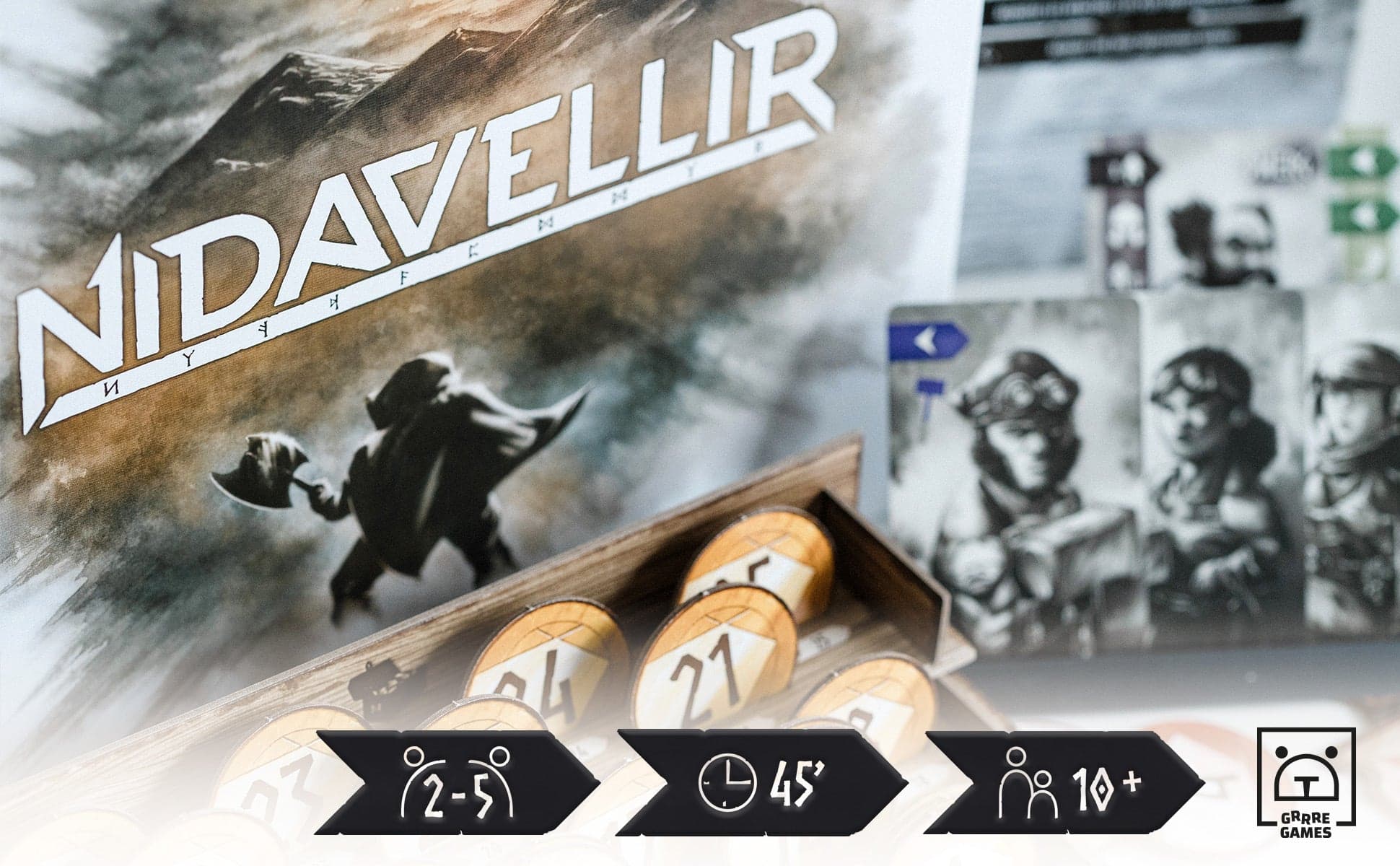
Nidavellir
2020Nidavellir is a strategic board game where players take on the role of dwarves, competing to collect and recruit warriors, heroes, and other assets. The game's core mechanic revolves around bidding for cards, with each player secretly placing coins on tavern spaces to determine the order in which they can recruit new members. This process is repeated multiple times, with each round allowing players to upgrade their coins and potentially gain access to more valuable recruits. As players progress through the ages, they must balance their efforts between collecting warriors, heroes, and other assets, all while managing their resources and adapting to changing circumstances. The game's theme draws heavily from Norse mythology, with players taking on the roles of dwarves tasked with defeating the mighty Fafnir. Throughout the game, players will encounter various challenges and opportunities, requiring strategic thinking and planning to emerge victorious.
2-5 45m⚖️ 3.0
RANK #268
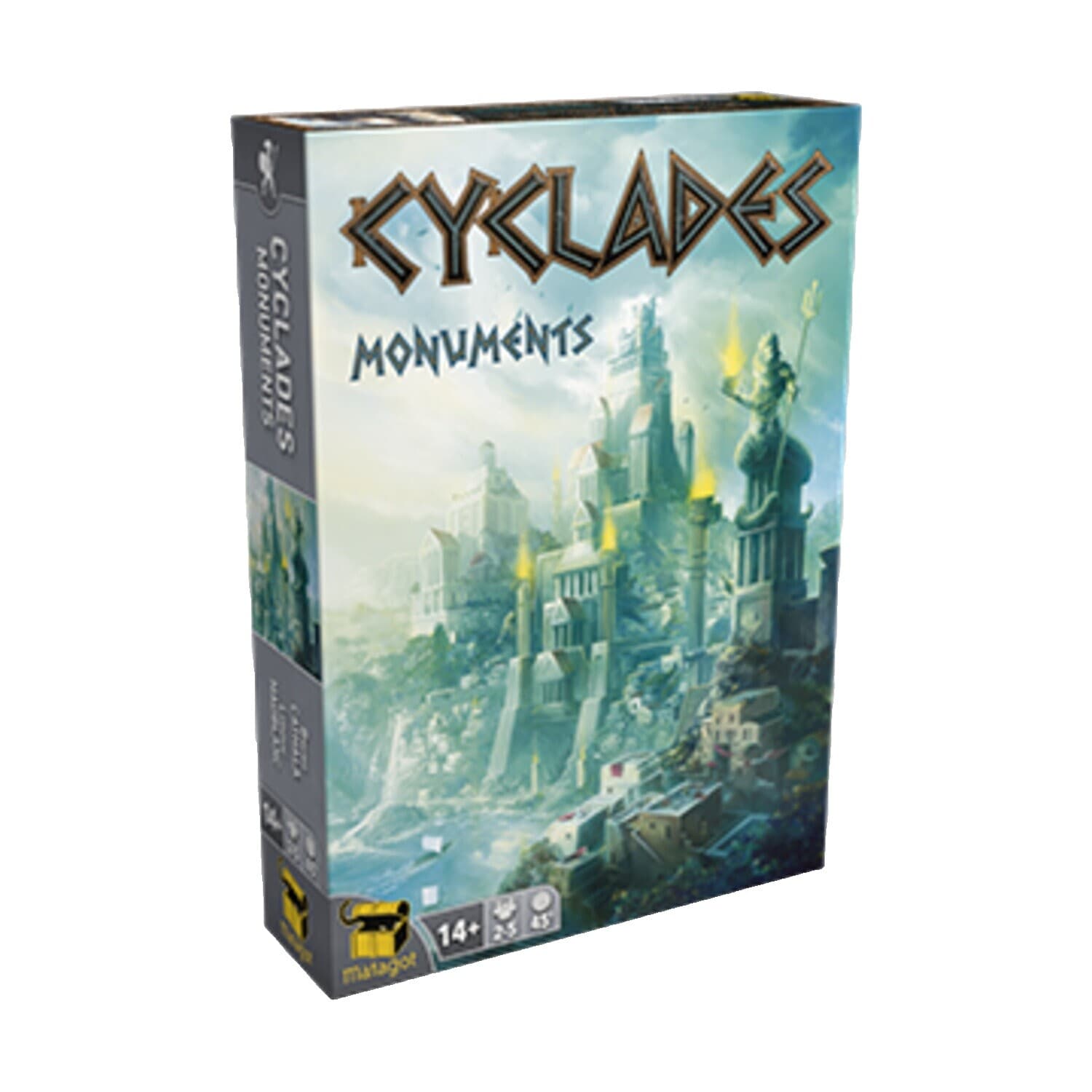
Cyclades
2009Immerse yourself in the golden age of Greek mythology with Cyclades, a masterful strategy game where players lead their people to glory in the Aegean Sea. Your ultimate goal is to achieve supremacy by being the first to erect two magnificent Metropolises. This grand feat can be accomplished through two distinct paths: demonstrating your civilization's prowess by constructing a full set of four specialized buildings—a Fortress, Port, Temple, and University—or by showcasing your cultural enlightenment through the acquisition of four Philosopher tokens. The race to this objective is a tense and dynamic struggle, forcing players to balance military conquest, economic development, and cultural influence to claim victory among the islands.
The game's engine is driven by a unique and compelling auction mechanic centered on earning the favor of the Olympian gods. Each round, players bid their precious gold to secure the patronage of Ares, Poseidon, Zeus, Athena, or Apollo. Winning a god's blessing grants a player the exclusive right to perform that deity's associated actions for the turn. Ares allows you to recruit and move armies, Poseidon commands the fleets, Zeus offers priests to cheapen future bids, and Athena provides the philosophers necessary for a cultural victory. This bidding phase is the strategic heart of Cyclades, creating a cauldron of intense player interaction where you must not only secure the actions you need but also deny critical opportunities to your rivals. Furthermore, players can summon legendary mythological creatures like the Kraken or Medusa, unleashing powerful, game-altering abilities that can dramatically shift the balance of power.
Cyclades is celebrated for its brilliant synthesis of a tight, money-driven auction with a direct and engaging area-control wargame. It cleverly avoids the pitfall of being solely about military might; a player focused entirely on combat can be outmaneuvered by an opponent who quietly builds an economic or cultural engine. The constant need to outbid and anticipate your opponents' desires ensures that there are no passive turns, making every decision meaningful. This elegant design, combined with the strong, evocative mythological theme and multiple paths to victory, provides a deeply strategic and highly replayable experience. It's a classic that challenges players to be cunning, adaptable, and ruthless in their quest to rule the Cyclades.
2-5 90m⚖️ 2.9

RANK #273
La Granja
2014Set on the picturesque island of Mallorca, 'La Granja' invites players to take the reins of their very own small farm estates located near the tranquil Alpich pond, just outside the quaint village of Esporles. As ambitious agricultural entrepreneurs, your primary objective over the course of six calculated rounds is to expand your property, cultivate lucrative crops like olives, grain, and grapes, and successfully breed a thriving population of pigs. The ultimate goal is to process these raw materials and deliver your valuable commodities directly to the local village market. By completing these deliveries and managing your rural enterprise more efficiently than your rivals, you will amass Victory Points and claim the prestigious, titular rank of 'La Granja' for your sprawling estate.
Often described by enthusiasts as a brilliant 'Eurogame potpourri,' the design masterfully weaves together several beloved mechanics into a highly cohesive and challenging experience. The standout feature is its ingenious implementation of multi-use cards. Every card drawn can be tucked under one of the four edges of your personal player board, fundamentally changing its function. Slotted on the left, it expands your fields; on the right, it upgrades farm extensions for pig capacity and income; at the top, it becomes a market barrow contract; and at the bottom, it acts as a specialized helper providing powerful ongoing abilities. This card-driven engine building is perfectly complemented by a communal dice drafting system. Each round, a shared pool of dice is rolled, and players must tactically draft them to execute core actions like upgrading resources or gaining coins, adding a beautifully calculated layer of unpredictability to the core loop.
Beyond the personal farm boards, the central village market creates a fierce, competitive arena for area control and influence. During the critical Transportation Phase, players secretly choose donkey tiles to dictate their delivery capacity and advancement on the crucial Siesta Track, which dictates future turn order. Delivering goods fulfills barrow contracts and places your hexagonal markers onto the main board. Completing higher-value deliveries allows you to aggressively bump your opponents' markers out of the village spaces, turning a traditionally solitary farming theme into a highly interactive scramble for dominance and passive scoring. This brilliant friction, combined with the game's deep, crunchy resource management and rewarding learning curve, is exactly why 'La Granja' remains a critically acclaimed heavyweight strategy staple.
1-4 120m⚖️ 3.3

RANK #274
Set amidst the treacherous, sand-swept dunes of Frank Herbert's iconic universe, 'Dune: War for Arrakis' is a sprawling, deeply thematic strategy wargame that condenses a planetary conflict into an accessible, yet tactically rich experience. Serving as a spiritual successor to the acclaimed 'War of the Ring', this asymmetrical duel pits the ruthless House Harkonnen—backed by the Padishah Emperor's fierce Sardaukar—against the beleaguered House Atreides and their fierce Fremen allies. The ultimate goal depends entirely on the faction you command. The oppressive Harkonnens seek to secure an iron-fisted grip on the planet by achieving Supremacy Points, actively hunting down hidden Fremen Sietches while desperately striving to meet aggressive spice harvesting quotas. In stark contrast, the Atreides player fights a desperate guerrilla war to achieve Prescience Points, completing secret, narrative-driven objectives that echo the pivotal events of the classic novels.
At the mechanical core of this grand desert conflict lies a brilliant Action Dice system that drives every strategic decision. Each round, players roll a pool of custom, faction-specific dice that dictate the potential actions available to them, ranging from deploying legions and moving vehicles to initiating massive combat engagements and drawing powerful cards. House Harkonnen operates with overwhelming military force and aerial dominance through Carryalls and Ornithopters, but they are constantly burdened by the ticking clock of spice quotas. Failing to appease the Spacing Guild and the Imperium with adequate spice drastically reduces their future dice pool. Meanwhile, the Atreides player relies heavily on the environment, using 'Wormsign' tokens to obscure their troop movements and suddenly summoning terrifying Sandworms to swallow enemy harvesters whole. This creates a relentless cat-and-mouse dynamic where brute force meets cunning desert power.
Fans of heavy, narrative-driven strategy games have quickly fallen in love with 'Dune: War for Arrakis' because it masterfully balances thematic immersion with surprisingly streamlined mechanics. While it shares the robust DNA of its predecessors, it effectively strips away the overly burdensome rules to deliver a relentlessly paced 'dudes-on-a-map' conflict. The immense asymmetry guarantees that playing each side feels like an entirely distinct board game, offering incredibly high replay value. Whether you are leading elite legions to crush rebellions or riding the colossal makers into the heart of an Imperial stronghold, the game perfectly captures the lethal, high-stakes political warfare that defines the Dune franchise.
1-4 120m⚖️ 3.8

RANK #281
Hanamikoji
2013Situated in the renowned Hanamikoji street of old Kyoto, this tactical card game invites two players to compete for the attention of seven master Geishas. As owners of traditional restaurants, players aim to win the favor of these artists by presenting them with their preferred items, ranging from flutes and fans to tea ceremony tools. The central objective is a race to either secure the loyalty of four individual Geishas or to earn a combined charm value of eleven or more. This creates a constant, high-pressure tug-of-war across the table, where the balance of power shifts with every single card played.
The gameplay is structured around a brilliant 'I Cut, You Choose' system that transforms every turn into a psychological puzzle. Each round, players are granted exactly four mandatory actions, each usable only once. These actions require players to offer cards to their opponent: for instance, presenting three cards and letting the opponent take one, or splitting four cards into two pairs for the rival to choose between. There are also opportunities to discard cards secretly or tuck one away for end-of-round scoring. Because one card is randomly removed from the deck at the start of the game, players must navigate a landscape of hidden information, trying to deduce which resources are still in play while managing a hand of cards that their opponent might ultimately benefit from.
Hanamikoji is widely praised for its exceptional strategic depth despite having a minimal component count and a short playtime. It is a game of calculated sacrifices; you are frequently forced to hand your opponent exactly what they want just to ensure you retain the pieces necessary for your own victory. This dynamic ensures that player interaction is constant and intense throughout the fifteen-minute duration. With its breathtaking artwork and elegant rule set, the game offers a masterclass in tension, rewarding players who can read their opponent's intentions and manipulate the limited information available to claim victory in the heart of Kyoto.
2 15m⚖️ 1.7
BoxNo Cover Art
RANK #307
Kemet: Blood and Sand is a comprehensive modernization of the 2012 strategy masterpiece, immersing players in a mythic version of Ancient Egypt where powerful gods battle for total dominance. Unlike traditional area-control board games that often reward defensive posturing, this title is built for relentless aggression, explicitly rewarding players who initiate combat to earn permanent Fame Points. You take the role of an Egyptian deity—such as Anubis, Bastet, or Horus—leading a devoted army across a landscape dotted with sacred temples and massive pyramids. The ultimate objective is to secure nine Fame Points, which are earned through bloody victories, controlling vital territories, and purchasing game-changing powers.
The gameplay loop is centered on a refined action-selection system located on each player's pyramid board. During the Day Phase, players place five tokens on various action slots, governed by a rule of equilibrium that forces them to diversify their tactics across different levels of the pyramid. A core feature is the acquisition of Power Tiles from four distinct colors: Ruby for offensive might, Sapphire for defensive stability, Diamond for utility, and Onyx for advanced tactical maneuvers. By upgrading physical, 3D pyramids in their cities, players unlock the ability to purchase these tiles, which grant incredible permanent abilities or summon legendary mythological creatures to join their ranks. Combat is resolved using a deterministic card-based system, where players must secretly choose Battle Cards and potentially supplement them with Divine Intervention bluffs, removing the unpredictability of dice in favor of pure strategic calculation.
What makes Blood and Sand a modern classic is its incredible mobility and high player interaction. The map utilizes a unique obelisk teleportation system, allowing troops to move from their home city to distant points instantly, ensuring that no player is ever truly safe behind their borders. This 2021 edition significantly improves the original experience with refined components like recessed dual-layer player boards, stackable pyramids, and a redesigned map that scales to different player counts using storm overlays. It is a deep, highly replayable 'dudes on a map' experience that offers satisfying engine-building through its tech tree while maintaining the fast-paced tension of a wargame.
2-5 120m⚖️ 3.3
RANK #493
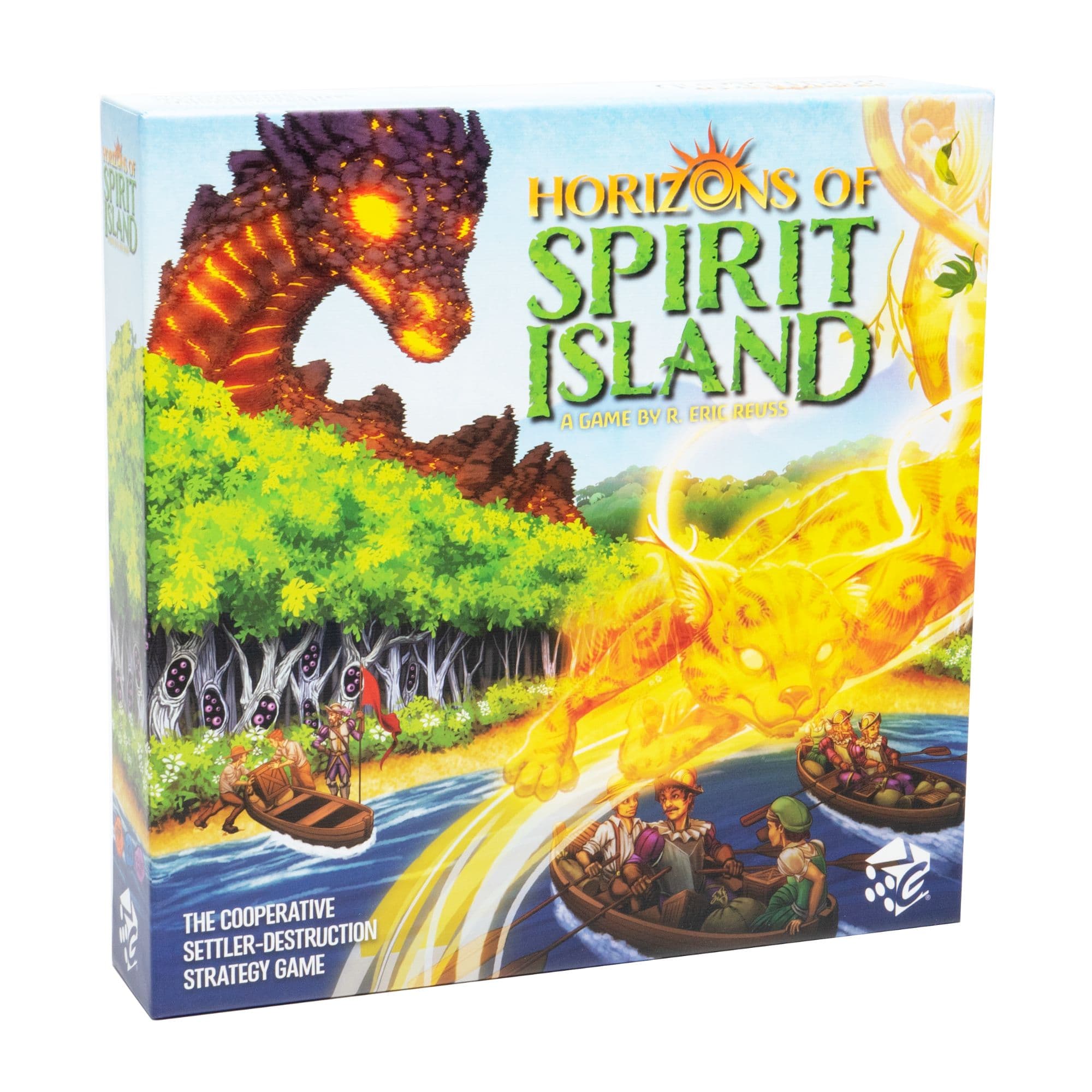
Unleash primal forces and protect your sacred home in *Horizons of Spirit Island*, the captivating cooperative board game from 2022. This accessible entry point to the acclaimed Spirit Island universe invites new players to embody unique island spirits, each with distinct powers, to strategically defend the land and its Dahan inhabitants from encroaching invaders. Master elemental abilities, grow your presence, and cooperatively outmaneuver colonial forces in a thrilling, high-strategy experience perfect for those seeking an engaging and deeply thematic challenge.
m⚖️ N/A
RANK #2,015
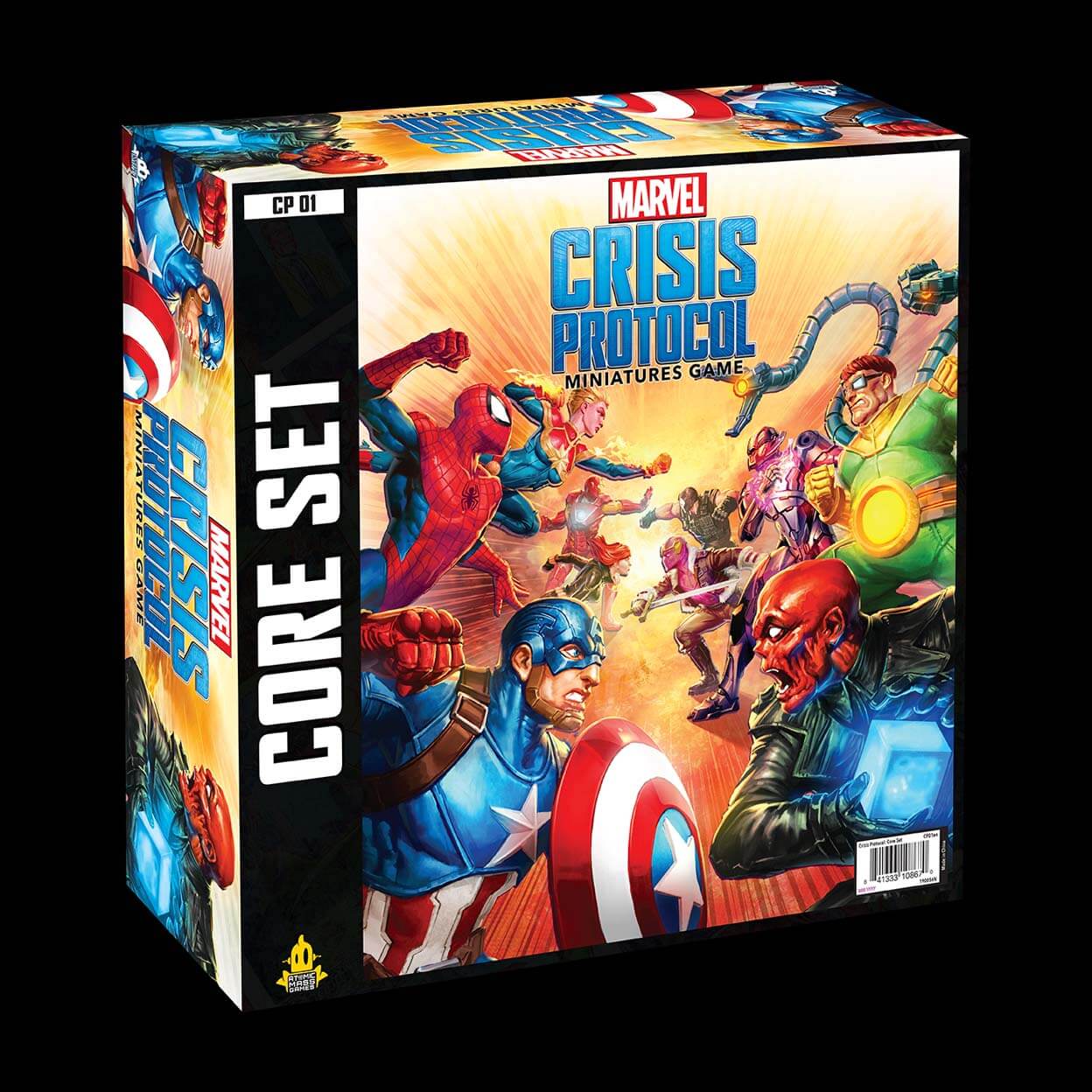
Marvel: Crisis Protocol is a dynamic tabletop miniatures game where two players assemble, paint, and battle with teams of iconic characters from the Marvel Universe. More than just a fight to the finish, the game is an objective-based contest where strategy and positioning are paramount. Players take on the role of leaders, guiding their hand-picked squad of heroes and villains through a unique crisis scenario. The ultimate goal is to be the first to accumulate 16 Victory Points by controlling key locations on the battlefield and securing valuable assets, all while unleashing spectacular superpowers. Each game presents a new tactical puzzle, demanding players to adapt their strategy to the ever-changing state of the conflict and the unique combination of objectives in play.
Gameplay is defined by its innovative roster-building and scenario-generation systems. Before the game, each player creates a roster of ten characters, from which they will select their squad for the specific mission. The mission itself is determined by combining a "Secure" Crisis card, which dictates objective zones to control, with an "Extraction" Crisis card, which involves characters grabbing and holding objective tokens. This combination sets a "Threat Level" that limits which characters a player can field, ensuring balanced and varied matchups. During a round, players alternate activating one character, who can perform two actions like moving, attacking, or using a special ability. A core mechanic is the "Power" resource. Characters gain Power when they take damage, creating a thrilling ebb and flow where a hero on the ropes can power up for a devastating counter-attack, spending that energy to unleash their most famous and powerful abilities.
The game's immense appeal lies in its fusion of accessible rules with deep tactical gameplay, making it an excellent gateway into the miniatures hobby. While the core mechanics are straightforward, mastering character synergies, managing the Power economy, and utilizing the highly interactive terrain provides a rich strategic experience. The environment itself is a weapon; characters with superhuman strength can hurl cars, dumpsters, and newsstands at their opponents, creating cinematic moments straight from the comics. The high-quality miniatures are a hobbyist's delight, offering fantastic canvases for painting. Above all, Crisis Protocol excels at capturing the feel of a superhero battle, delivering a thematic, action-packed experience that is visually stunning and endlessly replayable thanks to its modular scenario system and ever-expanding roster of characters.
2 90m⚖️ 2.9

RANK #2,414
Pax Pamir
2015Set in the 19th-century 'Great Game,' Pax Pamir (2015) invites players into the high-stakes political landscape of Central Asia during the collapse of the Durrani Empire. As Afghan tribal leaders, players do not act as traditional conquerors seeking personal territory; instead, they navigate the competing interests of the British, Russian, and Afghan coalitions. The primary objective is to align oneself with the empire that eventually secures dominance over the region, while simultaneously ensuring you are the most influential figure within that specific coalition to claim ultimate victory.
The gameplay revolves around a volatile central market where players purchase cards representing agents, events, and historical figures to build a personal tableau. These cards allow players to exert influence over the map, deploying tribes to control routes and spies to infiltrate rival courts. A key mechanic involves area influence and shifting loyalties, as players can switch allegiances to a different empire if the current political tide turns. Dominance checks are triggered throughout the game, scoring players based on their coalition's standing or their personal influence if the board remains fragmented and no single empire prevails.
What makes Pax Pamir stand out is its deep historical flavor and intensely interactive nature. It is widely praised for its ability to simulate complex geopolitical struggles through a relatively tight card-driven system. Fans of the game appreciate the high level of player interaction, where every market purchase or board movement ripples across the table, forcing opponents to constantly pivot their strategies. The tension is palpable as players balance long-term engine building with the immediate need to sabotage a rival's rise. It remains a masterpiece of historical simulation, offering a unique and challenging perspective on power and diplomacy that rewards tactical flexibility and sharp social reading.
m⚖️ N/A
RANK #2,855
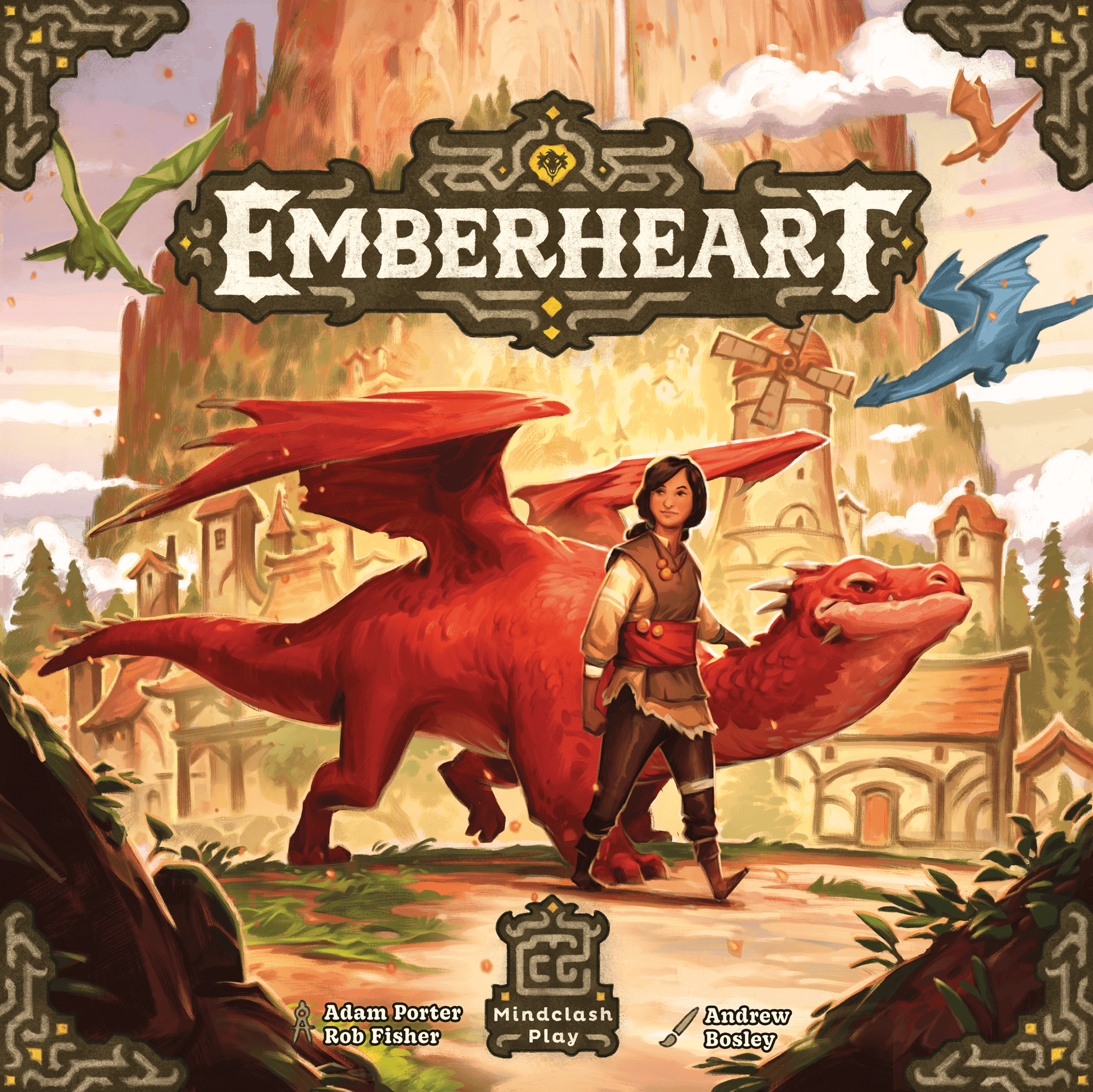
Emberheart
2025In Emberheart, 2-4 players work together to rescue and train dragons, rally heroes, and make a stand against the dragon poachers. Each player takes on the role of a hero, using their unique abilities and resources to contribute to the greater good. As players progress, they'll need to balance their individual goals with the collective effort to save the dragons.
2-4 60m⚖️ 3.5
RANK #2,863
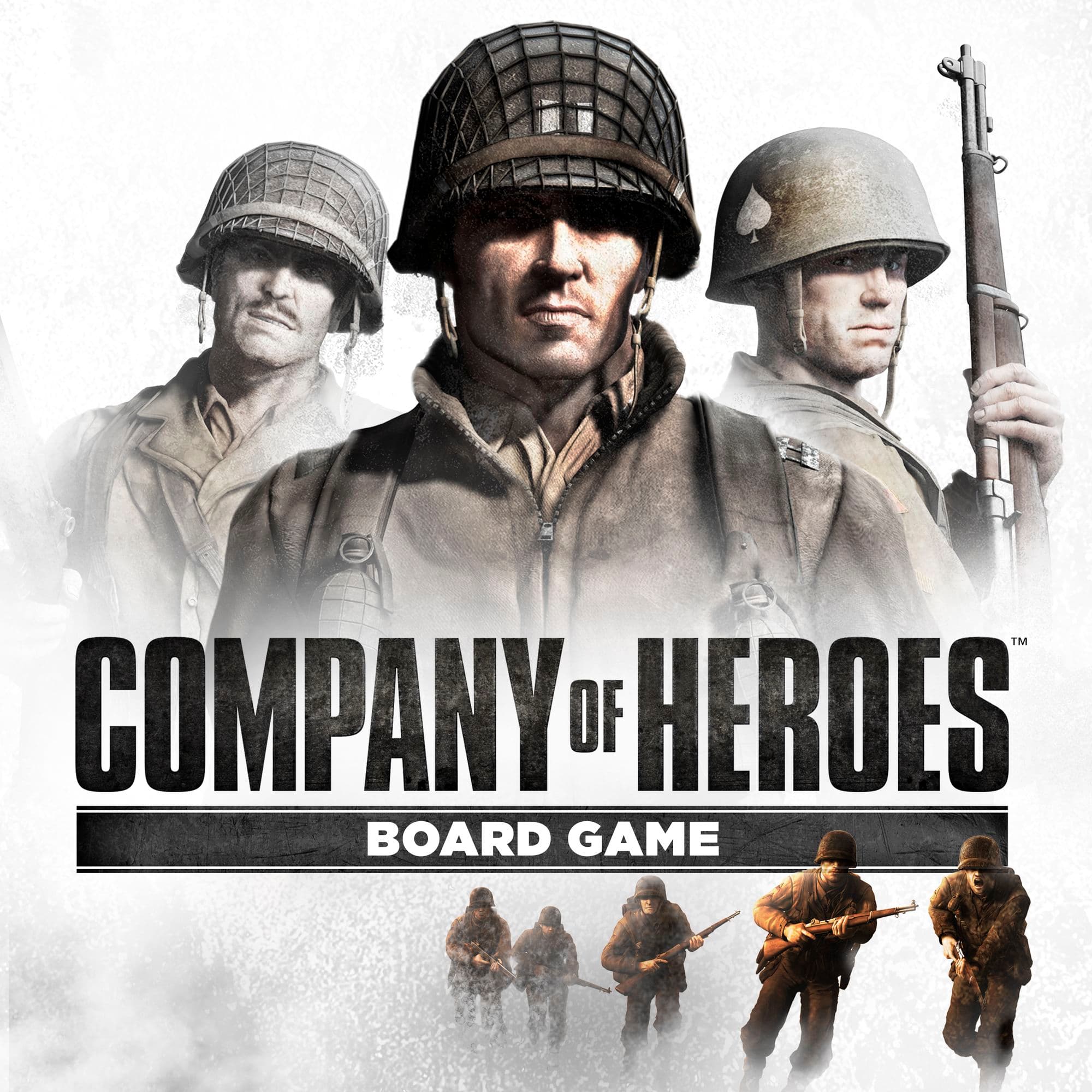
Bringing the frenetic energy of the critically acclaimed real-time strategy video game to the tabletop, the 'Company of Heroes' board game offers a masterful blend of miniature skirmishes and resource-driven warfare. Officially licensed by SEGA and Relic Entertainment, this World War II simulation challenges commanders to secure victory through tactical brilliance. Players aim to either dominate the battlefield by accumulating enough Victory Points through holding strategic map locations or achieve an outright Annihilation victory by pushing their forces across the terrain to demolish the enemy headquarters. It captures the thrilling duality of macro-level economic management and micro-level squad tactics.
Gameplay revolves around an elegant, map-based economic system where territorial control is paramount. Rather than relying on traditional, complex Combat Results Tables, the game utilizes a streamlined Action Point system. Players take turns spending action cubes to maneuver units, seize control points, and harvest vital resources like Manpower, Munitions, and Fuel. These resources fund an escalating war effort, allowing commanders to construct base buildings, unlock advanced tech trees, and deploy specialized infantry alongside formidable light and heavy vehicles. Combat is resolved using a custom dice-driven engine that heavily rewards spatial positioning. Tactical depth emerges from utilizing three-dimensional building cover, managing line of sight, navigating the fog of war, and executing flanking maneuvers to strike the vulnerable rear armor of enemy tanks.
The widespread appeal of 'Company of Heroes' lies in its phenomenal ability to recreate the dynamic pacing of its digital counterpart without getting bogged down by excessive rules overhead. Fans praise the seamless integration of resource generation with visceral tactical combat, creating a deeply rewarding learning curve. The inclusion of unique Commander loadouts provides endless strategic variety, allowing players to customize their faction with specialized units and powerful, single-use operational abilities. Furthermore, the robust system is incredibly versatile, scaling gracefully from a tense solo or two-player duel up to massive, cinematic team battles accommodating up to eight players. It successfully bridges the gap between accessible, lighter wargames and deep, heavy simulations, delivering a captivating tabletop experience.
1-8 90m⚖️ 3.4
RANK #6,514
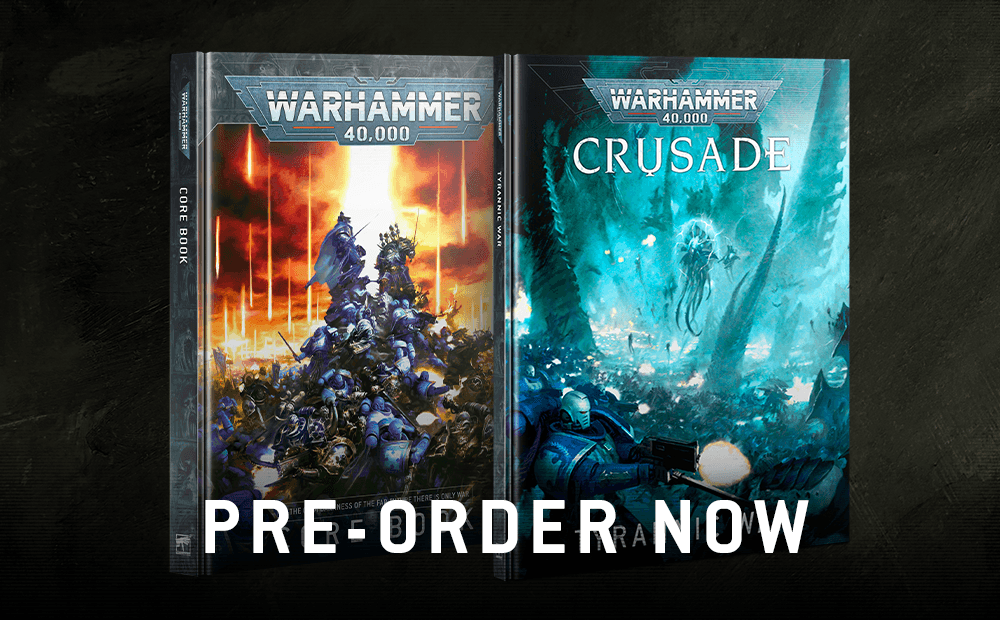
Warhammer 40,000 (Tenth Edition) solidifies its reign as the world's most popular tabletop miniature wargame, thrusting players into the war-torn, grimdark science-fantasy universe of the 41st Millennium. In this game, two or more players command armies of intricately detailed miniatures, representing factions like the stoic Space Marines, the numberless Tyranid swarms, or the enigmatic Aeldari. The goal is to achieve battlefield supremacy through tactical acumen, strategic objective control, and the annihilation of enemy forces. This tenth iteration was designed around the philosophy of 'Simplified, not simple,' overhauling years of accumulated rules to create a more accessible and dynamic experience without sacrificing the strategic depth that has defined the game for decades.
The core gameplay unfolds over a series of battle rounds, where each player takes a turn consisting of five distinct phases: Command, Movement, Shooting, Charge, and Fight. Players utilize tape measures for movement and weapon ranges, while six-sided dice determine the outcomes of everything from blistering ranged volleys to desperate melee clashes. Tenth Edition introduces several key innovations to streamline play. All unit statistics, weapons, and special abilities are now consolidated onto comprehensive Datasheet cards, drastically reducing the need to reference multiple books. Morale has been reimagined as 'Battle-shock,' a test that can cripple a unit's ability to hold objectives. Furthermore, the once-separate Psychic phase has been seamlessly integrated into the Shooting and Fight phases, making supernatural powers faster and more intuitive to use.
What sets Warhammer 40,000 apart is its unique fusion of deep tactical gameplay with a rich, rewarding hobby experience. Beyond the battlefield, players spend countless hours collecting, assembling, and painting their armies, making each force a unique personal creation. The game's appeal lies in its immense scale, from small skirmishes to epic conflicts involving dozens of units. For new players, the introduction of the 'Combat Patrol' format provides a perfectly balanced, out-of-the-box starting point. This allows anyone to begin playing quickly with a pre-set force, while veteran commanders can still engage in massive, multi-hour battles that test the limits of their strategic skill and beautifully painted collections.
2 180m⚖️ 4.2