Economic Games
Browse all Economic board games in the Meeple Pulse database.
Styles
Themes
AbstractAdventureAncientAnimalsArtBusinessCard GameCo-operativeComic BookCooperativeCrimeEconomicEnvironmentalismExplorationFantasyHistoricalHorrorHumorIntrigueLiteraryMagicMarvelMedievalModernMuseumMysteryMythologyNatureNauticalPoliticalPress Your LuckSatireSci-FiSocial CommentarySocial InteractionSpaceSuperheroesThematicTravelWarWesternWord-Guessing
Mechanics
3D PlacementActingAction / DexterityAction DraftingAction Point AllowanceAction Point Allowance SystemAction Point SystemAction PointsAction ProgrammingAction QueueAction RetrievalAction SelectionAction/EventAlliancesAlternate ActivationApp-AssistedApp-DrivenArea ControlArea InfluenceArea MajorityArea Majority / InfluenceArea MovementArgumentationAsymmetricAsymmetric FactionsAsymmetric GameAsymmetric PowersAsymmetrical PowersAuction & BiddingAuction/BiddingAuctioningBag BuildingBettingBetting and BluffingBetting and WageringBetting and WagersBiddingBingoBlind BiddingBluffingCampaign / Battle Card DrivenCampaign / LegacyCampaign / Legacy GameCampaign / Mission-basedCampaign / ScenariosCampaign GameCampaign PlayCard DraftingCard DrawingCard DrivenCard Driven ActionCard Driven CombatCard Driven Dice AllocationCard Driven MovementCard ManagementCard PlayCard Play / Hand ManagementCard Play Conflict ResolutionCard SheddingCard-Driven MovementCharacter CreationCharacter ProgressionChit-Pull SystemCo-op PlayCo-operative GameCo-operative PlayCode-breakingCombat ResolutionCombo ChainCommand CardsCommodity SpeculationCommunication LimitsContract FulfillmentContractsCooperative GameCooperative GameplayCooperative PlayCooperative Trick-takingDebateDeck BuildingDeck ConstructionDeck, Bag, and Pool BuildingDeck-BuildingDeductionDexterityDice DraftingDice PlacementDice RollingDiplomatic InfluenceDraftingDynamic Battle SystemEnclosureEnd Game BonusesEngine BuildingEngine-BuildingEscape RoomEvent DrivenExplorationFarmingFlip and WriteFollowFollow ActionGrid CoverageGrid MovementHand ManagementHex-and-CounterHexagon GridHidden MovementHidden RolesI Cut You ChooseIncomeInfluence / Area MajorityLadder ClimbingLegacyLegacy ElementsLegacy GameLegacy SystemLimited CommunicationLine DrawingLine of SightMancalaMap MovementMarketMarket DraftingMarket ManipulationMarket MechanicMarket SpeculationMatchingMeasurement MovementMemoryMission ObjectivesModular BoardModular Board ConstructionMovement TemplatesMulti-Use CardsMulti-use CardsMultiple ScenariosMust FollowNarrative ChoiceNarrative Choice / ParagraphNegotiationNegotiation MechanicsNetwork & Route BuildingNetwork BuildingNetwork and Route BuildingOne vs ManyOne vs. ManyOpen DraftingPaper-and-PencilPartnershipsPattern BuildingPattern RecognitionPick-up and DeliverPlayer EliminationPlayer InteractionPlayer JudgePoint SaladPoint to Point MovementPolyominoesPush Your LuckPush-Your-LuckPuzzlePuzzle-LikePuzzle-SolvingRaceReal-TimeRecipe FulfillmentResource ManagementRole PlayingRole SelectionRoll / Spin and MoveRondelRoute BuildingRoute-BuildingRoute/Network BuildingSanity SystemScenario / Campaign PlayScenario / Mission / Campaign GameScenario / Mission FunctionSecret Unit DeploymentSemi-Cooperative GameSet CollectionSheddingSimulationSimultaneous ActionSimultaneous Action SelectionSimultaneous Hidden AllocationSocial DeductionSocial InteractionSolo / Solitaire GameSpace ExplorationStat Check / Skill CheckStock HoldingStorytellingStrategic PlanningTableau BuildingTactical Decision-MakingTake ThatTargeted CluesTeam PlayTeam-Based GameTeam-Based GuessingTeamworkTech TreesTech Trees / Tech TracksTechnology & Armament TracksTechnology TreeTension & Aggression TracksTile DraftingTile LayingTile PlacementTime TrackTime TravelTower DefenseTrack MovementTradingTrick-takingTug of WarTurn Order: PassTurn Order: Stat-BasedUnit PlacementVariable Phase OrderVariable Player PowersVariable Set-upVariable SetupVictory Point TracksVotingWord AssociationWord GameWord GuessingWord-GuessingWord-guessingWordplayWorker Placement
RANK #147
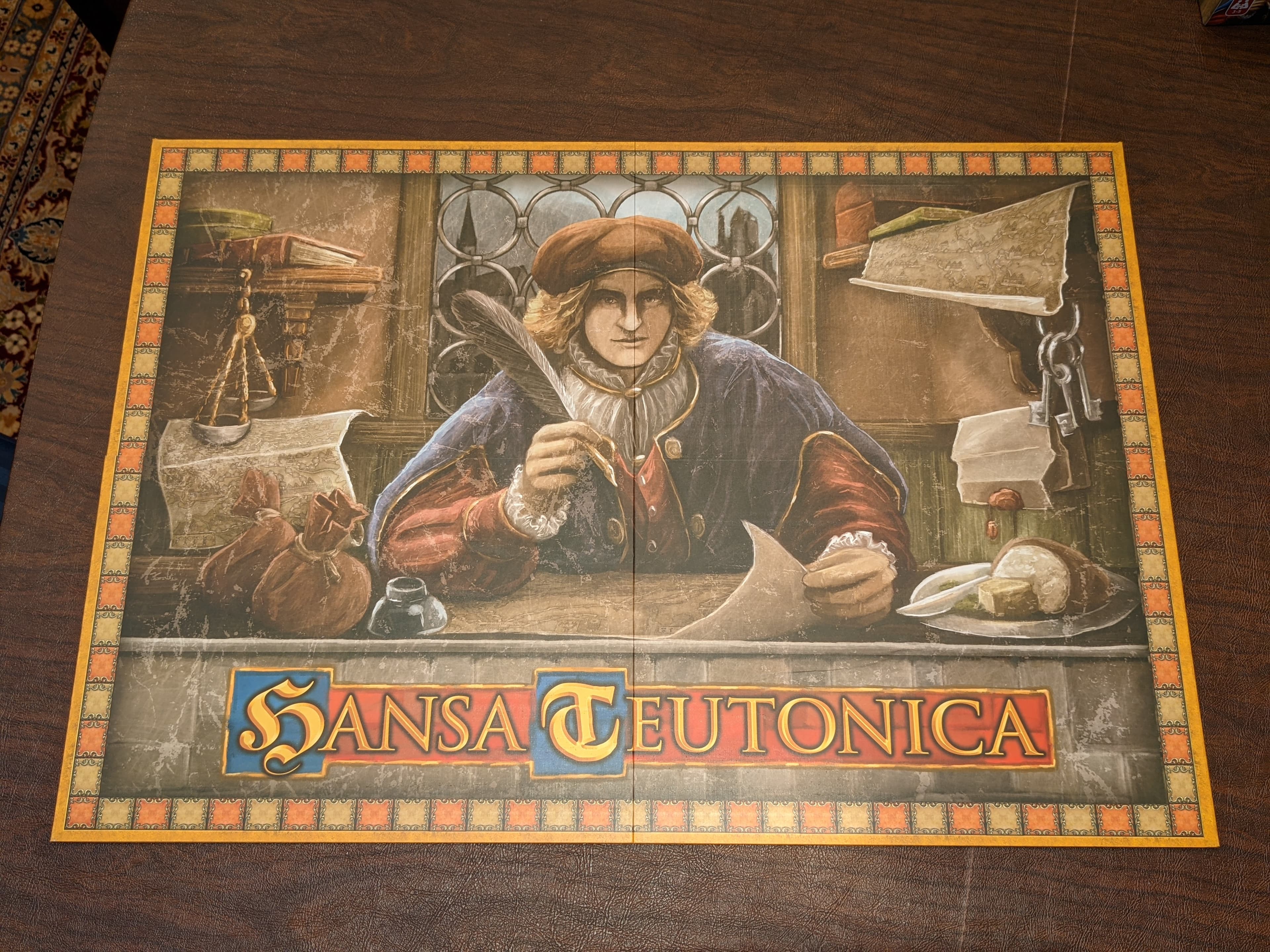
Hansa Teutonica
2009Hansa Teutonica plunges players into the bustling medieval world of the Hanseatic League. In this acclaimed German-style strategy game, you are a merchant striving for prestige by establishing a formidable trade network across Germany. The goal is not merely to accumulate wealth, but to earn the most prestige points, solidifying your legacy as the most influential trader in the league. Victory is achieved by shrewdly connecting cities, controlling valuable territories, and enhancing your personal trading capabilities. It's a game celebrated for its deep strategy and cutthroat player interaction, where every move can be an opportunity for you or a devastating setback for a rival. The path to victory is multifaceted, demanding adaptability and careful planning from start to finish.
Gameplay is elegantly simple on the surface but offers immense tactical depth. On your turn, you perform a limited number of actions, a number you can increase by developing your abilities. The primary actions revolve around placing your traders on the routes connecting the various cities on the map. To establish a presence, you can claim an empty spot or, more confrontationally, displace an opponent's trader by paying an additional resource. This displacement mechanic is central to the game's interactive nature, as the ousted player gets to relocate their piece—and another from their supply—to adjacent routes, often turning a rival's aggressive move into an unexpected advantage. Once you've populated an entire route with your traders, you can complete it. This crucial action allows you to either place a permanent trading post in an adjacent city, scoring points and expanding your network, or upgrade one of the skills on your personal player board, your 'escritoire,' unlocking more powerful actions, a larger supply of traders, or better scoring opportunities.
The enduring appeal of Hansa Teutonica lies in its masterful blend of straightforward rules and profound strategic possibilities. It is often hailed as a 'sandbox' Eurogame, where the board is a canvas for players to forge their own paths to victory without being locked into a single strategy. The constant, direct interaction ensures that no two games are alike. Players must perpetually watch their opponents, reacting to their network expansions and anticipating their moves. The tension between building a long-term engine by upgrading your skills versus scoring immediate points by establishing trading posts creates a compelling decision space every single turn. The game's variable end-game triggers—reaching a prestige threshold, filling a number of key cities, or depleting the bonus markers—ensure that the pace is always player-driven, leading to a dynamic and highly replayable experience that rewards cleverness, opportunism, and adaptability above all else.
2-5 75m⚖️ 3.2
RANK #148
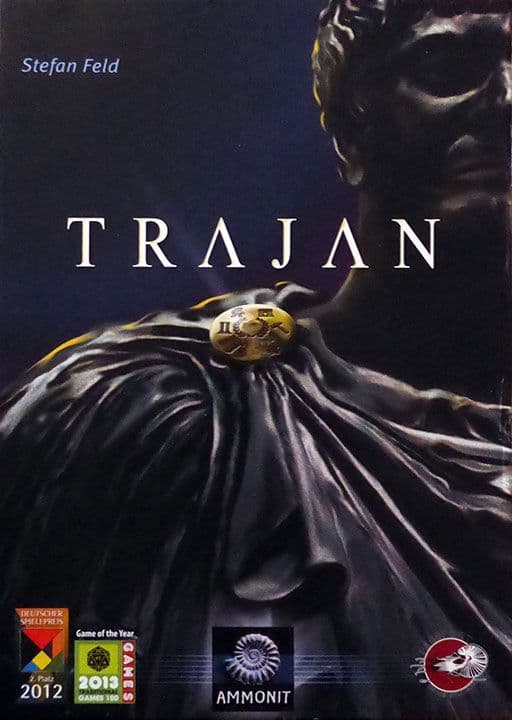
Trajan
2011Step into the bustling world of ancient Rome during the prosperous reign of Emperor Trajan. In this highly acclaimed strategy game, players assume the roles of influential Roman patricians, vying for power and prestige across the empire. Your goal is to amass the most victory points by excelling in various spheres of Roman life, from expanding the military's reach and constructing vital infrastructure to influencing the Senate and satisfying the demands of the populace. Every decision contributes to your legacy, and only the player who most effectively navigates the intricate political and economic landscape will earn the emperor's favor and emerge victorious.
The genius of Trajan lies in its celebrated and unique action selection mechanism, which is cleverly based on the ancient game of Mancala. Each player has a personal board with six pits, each containing colored action markers. On your turn, you select a pit, gather all the markers within it, and sow them one by one into the subsequent pits. The pit where you place your final marker dictates the action you perform for the turn. This system forces players into a deep and engaging puzzle, requiring them to think several steps ahead to not only execute their desired action but also to strategically position markers for future turns and to align colors to activate powerful bonus tiles.
Designed by the renowned Stefan Feld, Trajan is often lauded as a quintessential 'point salad' experience, where a multitude of paths lead to victory points. Players love the freedom to pursue different strategies each game, whether focusing on military conquest, becoming a dominant trader, or wielding political influence in the Senate. The core Mancala puzzle provides a constant and rewarding challenge, ensuring high replayability and a fresh experience with every session. This intricate blend of tactical maneuvering and long-term strategic planning makes Trajan a classic and beloved title for enthusiasts of heavy Eurogames who appreciate complex, interconnected systems and meaningful choices.
2-4 90m⚖️ 3.8
BoxNo Cover Art
RANK #2,863
Bringing the frenetic energy of the critically acclaimed real-time strategy video game to the tabletop, the 'Company of Heroes' board game offers a masterful blend of miniature skirmishes and resource-driven warfare. Officially licensed by SEGA and Relic Entertainment, this World War II simulation challenges commanders to secure victory through tactical brilliance. Players aim to either dominate the battlefield by accumulating enough Victory Points through holding strategic map locations or achieve an outright Annihilation victory by pushing their forces across the terrain to demolish the enemy headquarters. It captures the thrilling duality of macro-level economic management and micro-level squad tactics.
Gameplay revolves around an elegant, map-based economic system where territorial control is paramount. Rather than relying on traditional, complex Combat Results Tables, the game utilizes a streamlined Action Point system. Players take turns spending action cubes to maneuver units, seize control points, and harvest vital resources like Manpower, Munitions, and Fuel. These resources fund an escalating war effort, allowing commanders to construct base buildings, unlock advanced tech trees, and deploy specialized infantry alongside formidable light and heavy vehicles. Combat is resolved using a custom dice-driven engine that heavily rewards spatial positioning. Tactical depth emerges from utilizing three-dimensional building cover, managing line of sight, navigating the fog of war, and executing flanking maneuvers to strike the vulnerable rear armor of enemy tanks.
The widespread appeal of 'Company of Heroes' lies in its phenomenal ability to recreate the dynamic pacing of its digital counterpart without getting bogged down by excessive rules overhead. Fans praise the seamless integration of resource generation with visceral tactical combat, creating a deeply rewarding learning curve. The inclusion of unique Commander loadouts provides endless strategic variety, allowing players to customize their faction with specialized units and powerful, single-use operational abilities. Furthermore, the robust system is incredibly versatile, scaling gracefully from a tense solo or two-player duel up to massive, cinematic team battles accommodating up to eight players. It successfully bridges the gap between accessible, lighter wargames and deep, heavy simulations, delivering a captivating tabletop experience.
1-8 90m⚖️ 3.4