Thematic Games
Browse all Thematic board games in the Meeple Pulse database.
Styles
Themes
AbstractAdventureAncientAnimalsArtBusinessCard GameCo-operativeComic BookCooperativeCrimeEconomicEnvironmentalismExplorationFantasyHistoricalHorrorHumorIntrigueLiteraryMagicMarvelMedievalModernMuseumMysteryMythologyNatureNauticalPoliticalPress Your LuckSatireSci-FiSocial CommentarySocial InteractionSpaceSuperheroesThematicTravelWarWesternWord-Guessing
Mechanics
3D PlacementActingAction / DexterityAction DraftingAction Point AllowanceAction Point Allowance SystemAction Point SystemAction PointsAction ProgrammingAction QueueAction RetrievalAction SelectionAction/EventAlliancesAlternate ActivationApp-AssistedApp-DrivenArea ControlArea InfluenceArea MajorityArea Majority / InfluenceArea MovementArgumentationAsymmetricAsymmetric FactionsAsymmetric GameAsymmetric PowersAsymmetrical PowersAuction & BiddingAuction/BiddingAuctioningBag BuildingBettingBetting and BluffingBetting and WageringBetting and WagersBiddingBingoBlind BiddingBluffingCampaign / Battle Card DrivenCampaign / LegacyCampaign / Legacy GameCampaign / Mission-basedCampaign / ScenariosCampaign GameCampaign PlayCard DraftingCard DrawingCard DrivenCard Driven ActionCard Driven CombatCard Driven Dice AllocationCard Driven MovementCard ManagementCard PlayCard Play / Hand ManagementCard Play Conflict ResolutionCard SheddingCard-Driven MovementCharacter CreationCharacter ProgressionChit-Pull SystemCo-op PlayCo-operative GameCo-operative PlayCode-breakingCombat ResolutionCombo ChainCommand CardsCommodity SpeculationCommunication LimitsContract FulfillmentContractsCooperative GameCooperative GameplayCooperative PlayCooperative Trick-takingDebateDeck BuildingDeck ConstructionDeck, Bag, and Pool BuildingDeck-BuildingDeductionDexterityDice DraftingDice PlacementDice RollingDiplomatic InfluenceDraftingDynamic Battle SystemEnclosureEnd Game BonusesEngine BuildingEngine-BuildingEscape RoomEvent DrivenExplorationFarmingFlip and WriteFollowFollow ActionGrid CoverageGrid MovementHand ManagementHex-and-CounterHexagon GridHidden MovementHidden RolesI Cut You ChooseIncomeInfluence / Area MajorityLadder ClimbingLegacyLegacy ElementsLegacy GameLegacy SystemLimited CommunicationLine DrawingLine of SightMancalaMap MovementMarketMarket DraftingMarket ManipulationMarket MechanicMarket SpeculationMatchingMeasurement MovementMemoryMission ObjectivesModular BoardModular Board ConstructionMovement TemplatesMulti-Use CardsMulti-use CardsMultiple ScenariosMust FollowNarrative ChoiceNarrative Choice / ParagraphNegotiationNegotiation MechanicsNetwork & Route BuildingNetwork BuildingNetwork and Route BuildingOne vs ManyOne vs. ManyOpen DraftingPaper-and-PencilPartnershipsPattern BuildingPattern RecognitionPick-up and DeliverPlayer EliminationPlayer InteractionPlayer JudgePoint SaladPoint to Point MovementPolyominoesPush Your LuckPush-Your-LuckPuzzlePuzzle-LikePuzzle-SolvingRaceReal-TimeRecipe FulfillmentResource ManagementRole PlayingRole SelectionRoll / Spin and MoveRondelRoute BuildingRoute-BuildingRoute/Network BuildingSanity SystemScenario / Campaign PlayScenario / Mission / Campaign GameScenario / Mission FunctionSecret Unit DeploymentSemi-Cooperative GameSet CollectionSheddingSimulationSimultaneous ActionSimultaneous Action SelectionSimultaneous Hidden AllocationSocial DeductionSocial InteractionSolo / Solitaire GameSpace ExplorationStat Check / Skill CheckStock HoldingStorytellingStrategic PlanningTableau BuildingTactical Decision-MakingTake ThatTargeted CluesTeam PlayTeam-Based GameTeam-Based GuessingTeamworkTech TreesTech Trees / Tech TracksTechnology & Armament TracksTechnology TreeTension & Aggression TracksTile DraftingTile LayingTile PlacementTime TrackTime TravelTower DefenseTrack MovementTradingTrick-takingTug of WarTurn Order: PassTurn Order: Stat-BasedUnit PlacementVariable Phase OrderVariable Player PowersVariable Set-upVariable SetupVictory Point TracksVotingWord AssociationWord GameWord GuessingWord-GuessingWord-guessingWordplayWorker Placement
RANK #128
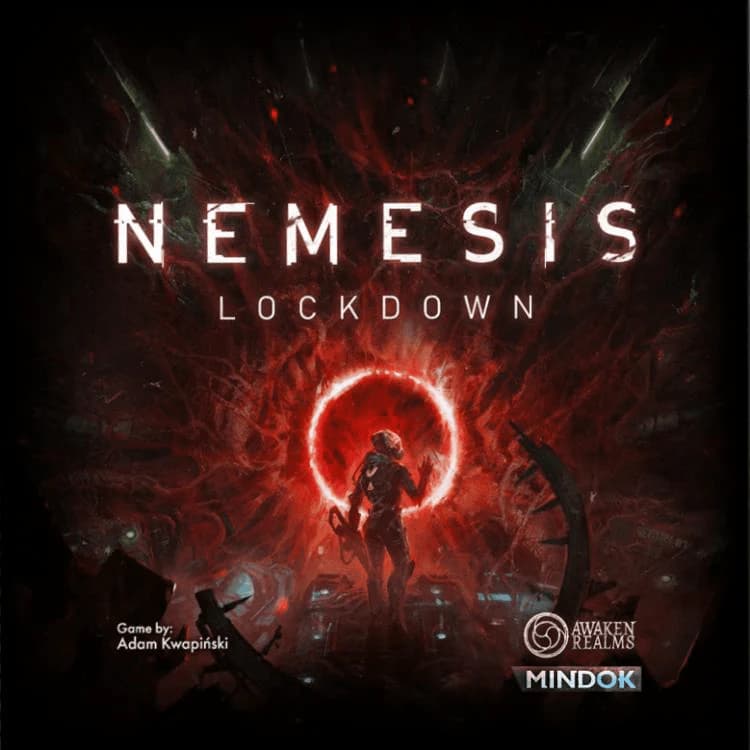
Nemesis: Lockdown is a cinematic, standalone survival-horror experience set on a secret multi-level base on Mars. It is a semi-cooperative game where players, as survivors of an unknown incident, must navigate a hostile facility infested with terrifying alien organisms known as Night Stalkers. While cooperation is essential to overcome the immediate dangers of the base and its predatory inhabitants, each player holds a secret objective that may conflict with the goals of the group. To achieve victory, a player must not only survive the ordeal but also successfully complete their private mission before escaping, creating a deeply tense atmosphere where trust is a scarce and valuable resource.
The gameplay unfolds through a series of rounds, each divided into a Player Phase and an Event Phase. During the Player Phase, individuals take turns performing two actions, the cost of which is paid by discarding action cards from their hand. Actions are varied and crucial, including moving through the labyrinthine base, exploring new rooms, searching for useful items, crafting equipment, and engaging in desperate combat with the aliens. A critical element is managing noise; actions can place noise markers in adjacent corridors, and a second marker in the same location triggers a deadly alien encounter. Lockdown introduces new challenges, most notably the management of the base's power, which can fail and plunge sectors into darkness, adding another layer of strategic depth and terror.
The immense appeal of Nemesis: Lockdown lies in its ability to generate powerful, emergent narratives. The combination of hidden agendas, a modular board, and unpredictable event cards ensures that no two sessions are ever alike, producing unique and memorable stories of heroism, desperation, and betrayal. The core semi-cooperative mechanic is the heart of the game, forcing a delicate balance between teamwork and self-preservation. You need your crewmates to fend off the relentless alien threat, yet you can never be certain of their true intentions. This constant psychological tension, coupled with the game's rich thematic immersion, makes it a premium, high-stakes adventure for players who crave a challenging and deeply engaging tabletop experience.
1-5 120m⚖️ 4.2
RANK #170
Pandemic
2008Pandemic presents a thrilling, high-stakes challenge where players must band together as a team of elite disease-control specialists. In this quintessential cooperative game, the world is on the brink of disaster, with four deadly diseases spreading rapidly across the globe. Players don't compete against each other; instead, they unite against the game's automated systems, which relentlessly propagate the infections. Each team member assumes a unique role, such as the resourceful Scientist or the indispensable Medic, bringing special abilities to the table that are critical for success. The ultimate objective is to discover the cures for all four plagues before time runs out, a pandemic spirals out of control, or the supply of medical resources is exhausted. It’s a race against the clock where teamwork and strategic foresight are the only tools standing between humanity and a global catastrophe.
The gameplay unfolds through a tense and structured sequence of turns. On their turn, a player can perform up to four actions, creating a wealth of strategic choices. These actions include moving between major world cities, treating localized infections by removing disease cubes, establishing vital research stations, sharing knowledge by trading city cards with teammates, or using a set of matching city cards to discover a cure. After taking actions, the player must draw two cards from the player deck, which contains the city cards needed for cures but also powerful one-time Event cards and the dreaded Epidemic cards. Drawing an Epidemic card is a pivotal moment that escalates the crisis: it accelerates the infection rate, triggers an immediate large-scale infection in a new city, and critically, reshuffles the previously infected cities back to the top of the infection deck. This 'intensify' mechanic ensures that hotspots are likely to be hit again, leading to potential chain-reaction outbreaks that spread disease to adjacent cities.
The enduring appeal of Pandemic lies in its brilliant fusion of accessible rules and profound strategic depth. It creates a palpable sense of mounting pressure, forcing players into constant communication and collaborative problem-solving. The game becomes a fascinating puzzle where the team must constantly weigh managing immediate threats—stamping out fires on the board to prevent outbreaks—against progressing toward the long-term victory condition of finding all four cures. This delicate balancing act is the heart of the game's tension. Because the difficulty can be scaled by altering the number of Epidemic cards in the deck, it offers a consistently engaging challenge for both newcomers and seasoned strategists. Its design has become a benchmark for cooperative games, celebrated for its ability to create a compelling narrative of global crisis and collective heroism with every session.
2-4 45m⚖️ 2.4
RANK #198
Kemet
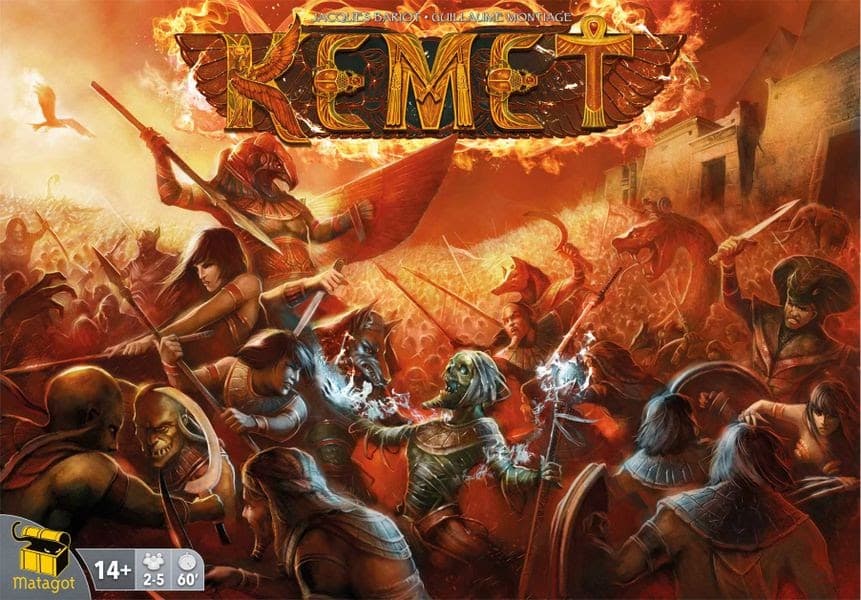
2012In the mythological landscape of ancient Egypt, Kemet casts players as powerful gods vying for dominance. This is a game of aggressive territorial control where you command divine armies, clashing in the desert sands to prove your supremacy. The ultimate objective is to be the first to achieve a set number of Victory Points, which are earned through a combination of successful conquests, controlling sacred temples, and constructing magnificent pyramids. Victory is a dynamic affair; points gained from territory can be lost just as quickly, ensuring a relentless struggle until the very end, where only the most cunning and powerful deity will prevail.
Gameplay unfolds over a series of rounds, each divided into Day and Night phases. The Day is where the primary action occurs, as players take turns performing single actions from their personal player boards. This fast-paced, turn-by-turn structure forces critical decisions: will you recruit more soldiers, move your forces to initiate an attack, pray to the gods for more Prayer Points (the game's currency), or invest in upgrading your pyramids? These pyramids are key, as their color and level dictate which powerful Power Tiles you can purchase. These tiles grant unique abilities, creatures, and advantages, forming the core of the game's engine-building and strategic customization, allowing you to tailor your faction's strengths as the game progresses.
Kemet's unique appeal lies in its relentless focus on player interaction and its elegant combat system. The map is designed to push players into conflict from the start, making combat not just an option, but an inevitability. Battles are resolved not by the luck of dice rolls, but through a deterministic card-based system. Each player uses an identical deck of combat cards, secretly choosing one to play alongside a disposable Divine Intervention card. This transforms each battle into a tense sub-game of bluffing, hand management, and anticipating your opponent's moves. The vast array of Power Tiles ensures immense replayability, as each game offers new combinations and strategies to explore, making every session a unique struggle for divine ascendancy.
2-5 120m⚖️ 3.2

RANK #251
Dead of Winter: A Crossroads Game is a deeply thematic and psychological survival experience set in the harsh, unforgiving world of a zombie apocalypse. Players take on the roles of survivors in a struggling colony, forced to work together to fend off the undead, gather resources, and achieve a common objective to win the game. However, this is a 'meta-cooperative' game, meaning the group's success is only half the battle. Each player also harbors a secret personal objective they must fulfill to claim an individual victory. This dynamic masterfully creates an atmosphere of paranoia and suspense, as you can never be entirely sure of your fellow survivors' true intentions. The core conflict is a constant, tense negotiation between advancing the colony's welfare and pursuing your own self-interest, all while morale threatens to collapse.
The gameplay is structured into rounds, each containing a player turn phase followed by a colony phase. On your turn, you'll roll a set of action dice that dictate the tasks you can perform, such as scavenging for vital supplies like food and medicine, attacking zombies at various locations, constructing barricades for defense, or contributing to the ever-present crisis that threatens the colony each round. One of the game's most celebrated innovations is the Crossroads card system. At the start of each turn, another player draws a card that presents a narrative fork in the road, often forcing the active player to make a difficult, thematic choice with branching consequences. After all players have acted, the colony phase commences, during which survivors consume food, zombies press their attack, and the main objective's status is updated.
What makes Dead of Winter a modern classic is the powerful blend of strategic gameplay and emergent storytelling. The ever-present threat of a hidden traitor, a player whose secret objective is to sabotage the colony, fuels intense player interaction, accusation, and bluffing. Every decision is fraught with weight, not just for its mechanical impact but for how it is perceived by the other players. The Crossroads cards ensure no two games are ever alike, generating memorable, player-driven narratives of desperation, sacrifice, and betrayal. It is this focus on the human element and moral dilemmas, rather than just the zombies themselves, that provides a uniquely compelling and highly replayable experience, making it a perfect 'bridge' for players seeking deeper, more thematic board games.
2-5 90m⚖️ 3.4
RANK #264
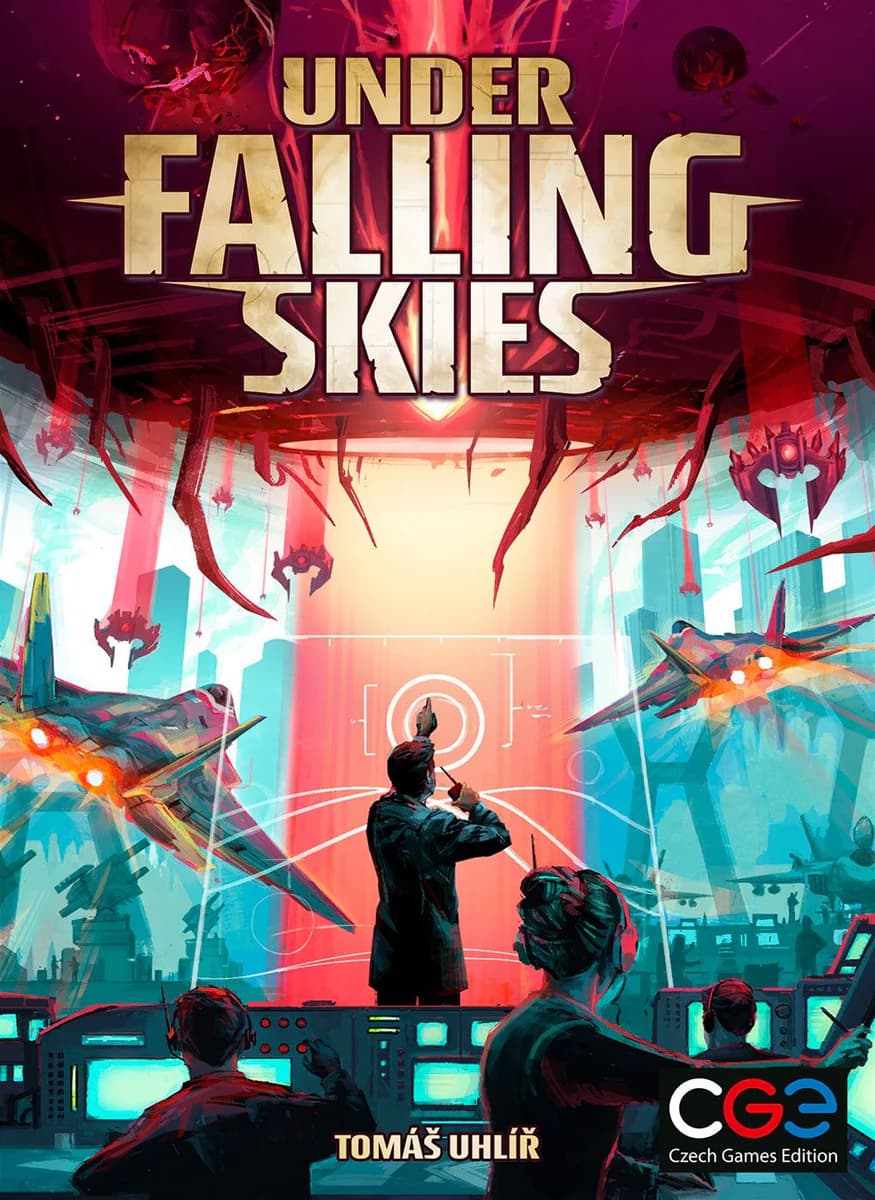
In Under Falling Skies, you are thrust into the role of humanity's last hope, leading the defense of a besieged city against a relentless alien invasion. This is a dedicated solo experience where you must manage an underground base, balancing immediate threats with your long-term objective. The ultimate goal is to complete a critical research project before the colossal alien mothership descends far enough to annihilate you or before enemy fighters breach your defenses and destroy your city. The game can be enjoyed as a tense, standalone scenario or as an evolving, multi-mission campaign that adds new rules, characters, and challenges over a series of interconnected games.
The gameplay is centered around a truly innovative dice placement mechanism that creates a palpable sense of tension. Each round, you roll five dice and must place them into different columns of your underground base. This is where the crucial dilemma lies: the value of the die you place dictates the power of the room's action, but it also determines how quickly the enemy ships in that column descend toward your city. Using a high-value die for a powerful effect, like generating energy or excavating new rooms, comes at the cost of accelerating the very threat you're trying to stop. This constant risk-reward calculation makes every single placement a weighty, strategic decision. The system is further enhanced by special dice that force re-rolls, injecting a dose of calculated uncertainty into your plans.
What makes Under Falling Skies so compelling is its ability to blend a tight, strategic puzzle with a strong thematic narrative of desperate defense. The pressure is constant as the mothership inches closer each round, limiting your options and applying new negative effects. Players love the 'analysis paralysis' it can induce, as you ponder the perfect placement to thread the needle between advancing your research and holding back the alien fleet. With its modular city boards and an expansive, replayable campaign system, the game offers tremendous variety and longevity. It’s a challenging and deeply rewarding brain-burner that forces you to squeeze every ounce of efficiency from your base to achieve a hard-won victory.
1 30m⚖️ 2.4

RANK #274
Set amidst the treacherous, sand-swept dunes of Frank Herbert's iconic universe, 'Dune: War for Arrakis' is a sprawling, deeply thematic strategy wargame that condenses a planetary conflict into an accessible, yet tactically rich experience. Serving as a spiritual successor to the acclaimed 'War of the Ring', this asymmetrical duel pits the ruthless House Harkonnen—backed by the Padishah Emperor's fierce Sardaukar—against the beleaguered House Atreides and their fierce Fremen allies. The ultimate goal depends entirely on the faction you command. The oppressive Harkonnens seek to secure an iron-fisted grip on the planet by achieving Supremacy Points, actively hunting down hidden Fremen Sietches while desperately striving to meet aggressive spice harvesting quotas. In stark contrast, the Atreides player fights a desperate guerrilla war to achieve Prescience Points, completing secret, narrative-driven objectives that echo the pivotal events of the classic novels.
At the mechanical core of this grand desert conflict lies a brilliant Action Dice system that drives every strategic decision. Each round, players roll a pool of custom, faction-specific dice that dictate the potential actions available to them, ranging from deploying legions and moving vehicles to initiating massive combat engagements and drawing powerful cards. House Harkonnen operates with overwhelming military force and aerial dominance through Carryalls and Ornithopters, but they are constantly burdened by the ticking clock of spice quotas. Failing to appease the Spacing Guild and the Imperium with adequate spice drastically reduces their future dice pool. Meanwhile, the Atreides player relies heavily on the environment, using 'Wormsign' tokens to obscure their troop movements and suddenly summoning terrifying Sandworms to swallow enemy harvesters whole. This creates a relentless cat-and-mouse dynamic where brute force meets cunning desert power.
Fans of heavy, narrative-driven strategy games have quickly fallen in love with 'Dune: War for Arrakis' because it masterfully balances thematic immersion with surprisingly streamlined mechanics. While it shares the robust DNA of its predecessors, it effectively strips away the overly burdensome rules to deliver a relentlessly paced 'dudes-on-a-map' conflict. The immense asymmetry guarantees that playing each side feels like an entirely distinct board game, offering incredibly high replay value. Whether you are leading elite legions to crush rebellions or riding the colossal makers into the heart of an Imperial stronghold, the game perfectly captures the lethal, high-stakes political warfare that defines the Dune franchise.
1-4 120m⚖️ 3.8

RANK #283
Western Legends
2018Western Legends is a sweeping sandbox experience that transports players into the rugged landscape of the American Old West. Unlike traditional board games with linear objectives, this title offers a sprawling open-world environment where players assume the roles of legendary historical figures like Wyatt Earp, Calamity Jane, or Billy the Kid. The primary goal is to accumulate Legendary Points (LP) through various frontier activities, ultimately carving out a lasting legacy. Whether you choose to walk the path of a righteous lawman or a notorious outlaw, the game adapts to your playstyle, allowing for a personalized journey through its dusty towns and gold-filled hills.
The gameplay loop revolves around a flexible action system where players manage three actions per turn, which can be spent on movement, mining for gold, or engaging in local town activities. One of the most distinctive features is the moral alignment system, tracking players on either the Marshal or Wanted tracks. Law-abiding citizens can earn prestige by arresting criminals, fighting bandits, or driving cattle to the railhead. Conversely, those seeking a life of crime can rob the bank, rustle cattle to the rival ranch, or challenge other players to high-stakes robberies. Conflict resolution eschews dice in favor of a specialized poker deck, where players play cards simultaneously to determine outcomes. This card-based system adds a layer of bluffing and strategic management, mirroring the tension of a real saloon showdown.
What truly distinguishes Western Legends is its immersive freedom and high player interaction. The sandbox nature ensures that no two sessions feel identical, as the board state evolves based on player decisions. Some may focus on the economic engine of gold mining and selling nuggets at the bank, while others might spend their time hunting down 'Wanted' friends to claim bounties. The inclusion of authentic historical figures adds a rich layer of flavor, grounding the mechanical systems in a recognizable period setting. It captures the essence of frontier life, blending strategic depth with cinematic storytelling, making it a favorite for those who enjoy narrative-rich experiences with a competitive edge.
2-6 90m⚖️ 2.7
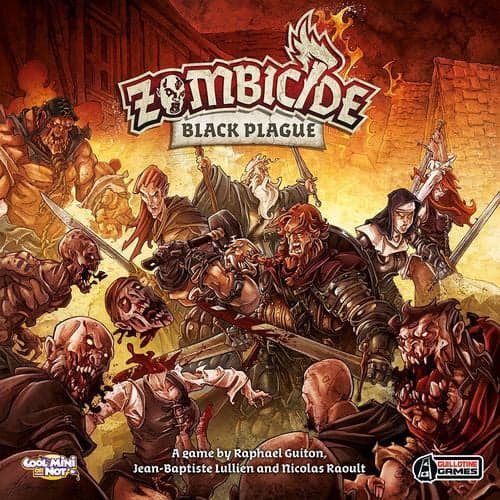
RANK #285
Zombicide: Black Plague reboots the high-octane zombie survival genre by plunging players into a dark, medieval fantasy world. In this cooperative experience, one to six survivors must unite to fend off hordes of the undead summoned by malevolent Necromancers. Unlike its modern-day predecessors, Black Plague introduces a magical twist where steel, sorcery, and shields are the primary tools of survival. The primary objective is to complete specific mission scenarios, which range from retrieving lost artifacts to cleansing infested vaults, all while managing the ever-growing threat of the zombie apocalypse. Each player controls a unique hero, navigating through modular map tiles that represent plagued villages and sinister dungeons.
The gameplay revolves around an intuitive action-point system where survivors spend points to move, attack, or scavenge for gear. As players slay zombies, they gain Adrenaline Points, which allow them to level up and unlock powerful new abilities. However, this progress comes with a catch: the game tracks the party's highest experience level, and as survivors grow stronger, the zombie spawn rates intensify through color-coded danger zones. This creates a tense balancing act where players must scale their power without overwhelming themselves with too many enemies. Unique to this edition are the Necromancers, specialized foes who attempt to escape the board while leaving permanent spawn points in their wake, and the introduction of armor saves, giving players a fighting chance against incoming damage.
Fans of the series praise Black Plague for its streamlined rules and significantly improved component quality, notably the recessed plastic dashboards that keep character cards and pegs securely in place. The shift to a fantasy setting allows for creative weapon combinations, such as magic staves and heavy plate mail, providing a distinct mechanical flavor compared to modern versions. With its high-quality miniatures, tactical depth, and 'beer and pretzels' accessibility, it remains a favorite for groups seeking an epic, narrative-driven challenge. The inclusion of solo rules and a variety of challenging scenarios ensures high replayability, making it a definitive entry in the dungeon-crawl and survival-horror board game genres.
1-6 120m⚖️ 2.5
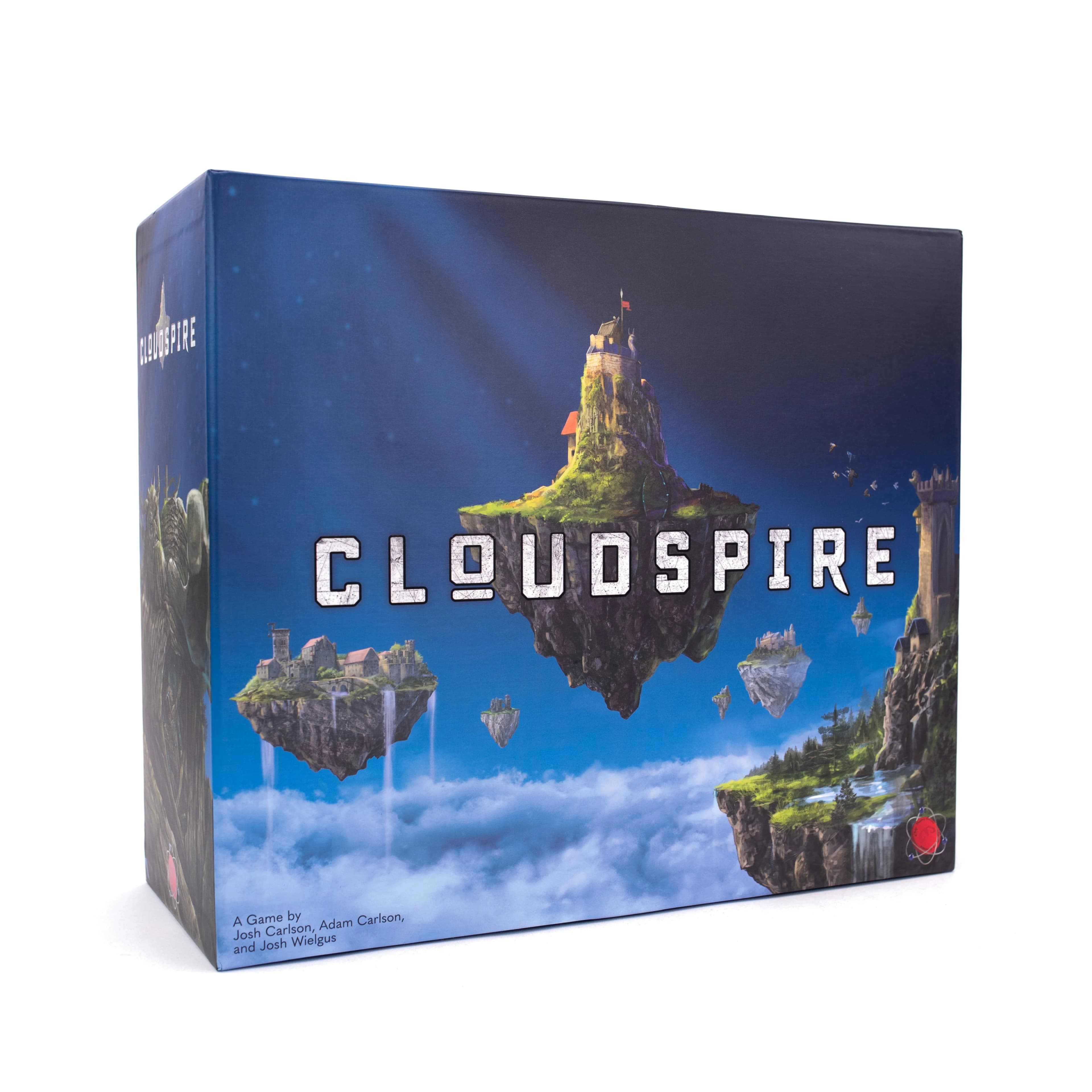
RANK #343
Cloudspire
2019Cloudspire delivers a groundbreaking tabletop experience by expertly translating the high-stakes action of a Multiplayer Online Battle Arena (MOBA) and the strategic foresight of a tower defense game into a physical format. Set in the fantastical floating realm of Ankar, players assume command of one of four highly unique and asymmetrical factions, each with its own distinct units, heroes, and strategies. The primary objective is a direct and uncompromising assault on your opponents' fortresses. Victory is a matter of tactical supremacy, achieved by methodically dismantling enemy defenses and ultimately razing their stronghold to the ground while ensuring your own fortress withstands the relentless onslaught. It’s a game of calculated aggression and stalwart defense where only the most cunning leader will prevail.
The game unfolds over four intense rounds, known as waves, each governed by a structured sequence of phases that guides the flow of battle. The action begins with an Event phase, which can introduce unexpected twists to the current wave. Following this, players gain their primary resource, 'Source', during the Income phase. This resource is then spent in the Market and Build phases to purchase new units and spires, upgrade existing defenses, and enhance their fortress's capabilities. In the Prep phase, players commit their forces, spending Command Points to deploy minions and powerful heroes onto the modular hex-grid game board. The climax of each wave is the Onslaught phase, where units automatically advance along the map, engaging any foes they encounter. Heroes, however, offer a layer of direct control, allowing players to make critical tactical decisions in the heat of battle.
Cloudspire is celebrated for its immense strategic depth and exceptional production quality, a hallmark of its publisher, Chip Theory Games. The game's appeal lies in its successful fusion of genres, creating a puzzle that is both tactically demanding and immensely rewarding. The asymmetry of the factions guarantees a high degree of replayability, as mastering one faction feels entirely different from commanding another. This is further enhanced by the game's robust support for multiple play styles, offering meticulously designed rulesets for solo, cooperative, and fiercely competitive player-versus-player engagements. For players who crave a complex, component-rich wargame with high player interaction and a fresh take on established video game concepts, Cloudspire stands as a monumental achievement in modern board game design.
1-4 120m⚖️ 4.4
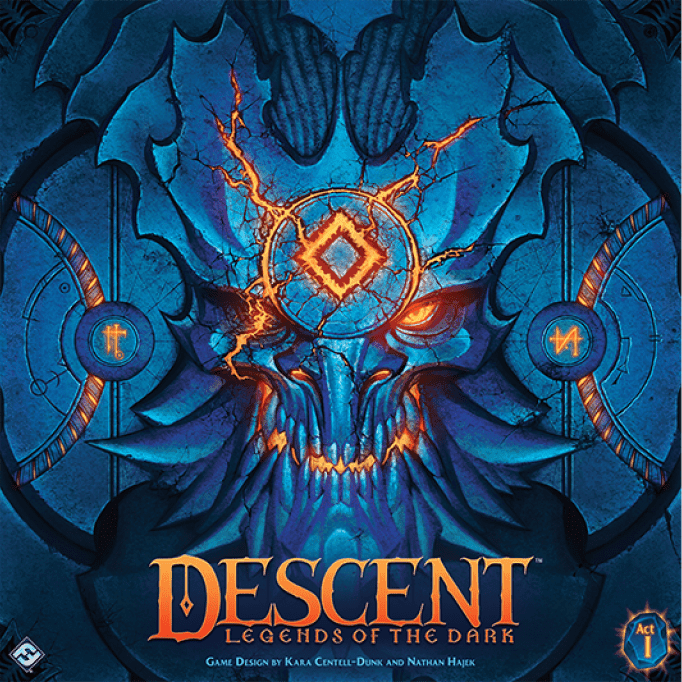
RANK #475
Embark on an epic adventure in the fantasy world of Terrinoth with *Descent: Legends of the Dark*, a sprawling, fully cooperative dungeon-crawling board game for one to four heroes. This is not a new edition of *Descent: Journeys in the Dark*, but an entirely distinct, standalone experience built from the ground up around a required digital companion app. Players take on the roles of unique heroes, each with their own backstory and playstyle, and work together to unravel the mysteries of the overarching "Blood and Flame" campaign. The app serves as the game master, controlling monster AI, tracking all game state information, and weaving a rich narrative that responds to the players' choices and actions, creating a seamless and immersive storytelling experience.
The gameplay blends tactical combat with deep character customization through an innovative mechanical framework. During a scenario, heroes take turns spending three actions to maneuver across stunning, multi-level 3D terrain, attack menacing foes, and interact with points of interest. One of the game's most celebrated mechanics is its use of double-sided hero and weapon cards. Players can spend fatigue to trigger powerful abilities but must eventually use an action to 'ready' their cards, flipping them to their opposite side to clear the fatigue and unlock an entirely different set of skills. This creates a compelling resource management puzzle on top of the dice-driven combat, forcing players to make critical decisions about when to push their limits and when to prepare for the next threat.
What sets *Descent: Legends of the Dark* apart is its seamless integration of the tactical quest phase with a robust city management phase. Between adventures, the heroes return to the city of Frostgate, where they can use materials and experience gained to craft powerful new weapons, upgrade their existing gear, and purchase valuable items. This RPG-lite progression system allows players to feel a real sense of growth and ownership over their characters as the campaign unfolds. By offloading the complex bookkeeping and enemy management to the companion app, the game allows players to focus entirely on cooperative strategy, character development, and the unfolding story, making it a modern, accessible, and deeply engaging dungeon crawl that has been praised for its narrative depth and clever design.
1-4 150m⚖️ 2.7

RANK #508
Earthborne Rangers is a heavily narrative, cooperative card game that transports players to a distant, hopeful future where humanity thrives alongside nature. Distinct from the typically dark and doom-filled atmospheres of many 'living card games', this eco-conscious adventure allows players to embark on an open-world campaign set within a sprawling, vibrant valley. The primary goal is not strictly about defeating enemies in combat, but rather surviving and exploring an immersive ecosystem. Players take on the roles of unique Rangers, venturing out to discover secrets, interact with wildlife, and complete quests, all while navigating a living environment that acts independently of their direct actions.
Gameplay revolves around a sophisticated deck-construction framework where your character's background, personality, and specialty dictate their starting stats and abilities. During a session—referred to as a 'Day'—players leverage four key aspects (Awareness, Focus, Spirit, and Fitness) to generate energy, which is then spent to play cards, clear obstacles, or persuade non-player characters. A standout feature is the location-specific 'Path Deck'. This deck dynamically populates the area with flora, fauna, and dynamic hazards that interact with each other even without player intervention. Throughout the day, players earn rewards, suffer fatigue, and read from an extensive campaign guide, gradually unlocking new skills and memories to upgrade their custom decks between sessions.
Fans of deep, tactical card play are drawn to Earthborne Rangers for its lush world-building and the sheer freedom of its sandbox design. The game seamlessly blends challenging, combo-heavy puzzles with a genuinely uplifting 'hopepunk' narrative that encourages you to step off the beaten path and simply hike through the wilderness. Furthermore, the development team—composed of industry veterans—has been widely praised for prioritizing sustainable, eco-friendly manufacturing methods. Whether you are following the central storyline or simply exploring the rich, reactive valley, this heavy-weight puzzle offers a breathtakingly fresh and highly replayable cooperative experience.
1-4 120m⚖️ 3.5

RANK #1,127
Conflict of Heroes: Awakening the Bear! – Russia 1941-42 plunges players into the brutal, tactical squad-level combat of the Eastern Front during the initial German invasion of the Soviet Union. As the inaugural title in the acclaimed Conflict of Heroes series, this game is celebrated for its historical fidelity and engaging system. Players take command of either German or Soviet forces, maneuvering individual infantry squads, machine gun teams, and tanks across modular, geomorphic map boards. The goal is not simply to eliminate the enemy but to achieve specific objectives outlined in one of the game's many scenarios, which range from desperate holding actions to bold armored assaults. Success hinges on careful planning, effective use of terrain for cover, and exploiting the unique strengths and weaknesses of your units in the face of a determined opponent.
The game's design revolutionized tactical wargaming by abandoning the rigid 'I Go, You Go' turn sequence for a far more dynamic and fluid system. Each unit begins a round with a full complement of Action Points (APs), typically seven. A player activates one unit at a time, spending its APs to perform actions like moving or firing. Once that unit's activation is complete, it is marked as 'spent' for the round, even if it has APs remaining. This forces difficult choices about which units to activate and when. Crucially, this system is highly interactive; an enemy unit that is fired upon may have the opportunity to spend its own APs to fire back immediately, creating a tense, reactive battlefield. This core engine is supplemented by Command Action Points (CAPs) and special action cards, which grant players powerful abilities and tactical flexibility to influence the tide of battle.
Awakening the Bear! is lauded for its remarkable ability to be both accessible to newcomers and deeply rewarding for veteran wargamers. Its programmed learning system, presented through a 'learn-as-you-play' rulebook, allows players to grasp the fundamentals and start their first scenario within minutes. Yet, beneath this simple entry point lies a game of profound tactical depth, where every decision about positioning, line of sight, and action economy is critical. The dynamic activation system creates a compelling narrative and a constant sense of engagement, eliminating downtime and keeping both players invested in every move. This elegant balance of accessibility, strategic depth, and historical flavor has cemented its status as a modern classic in the wargaming genre.
2-4 90m⚖️ 3.2
Showing 1 to 12 of 19 games